Journey to Japan's Oldest National Treasure: The Shirataki Obsidian Legacy
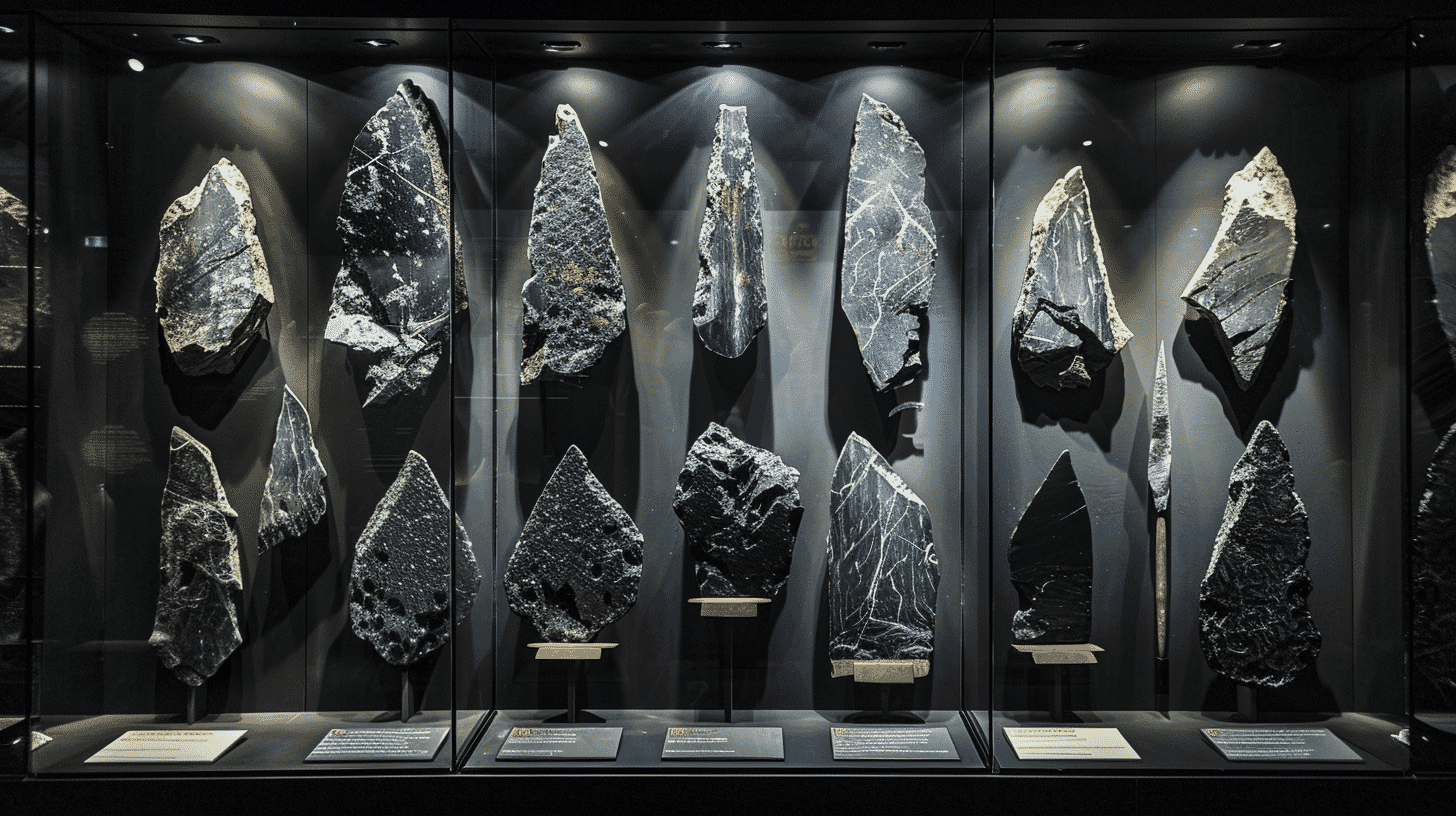
In June 2023, a remarkable collection of obsidian stone tools from the Hokkaido Shirataki Site Group was designated as a National Treasure, marking a historic moment as Japan's first Paleolithic National Treasure. This extraordinary collection of 1,965 artifacts, including 1,514 stone tools and 451 refitted materials, offers visitors an unprecedented window into human life 30,000 years ago in what would become one of the world's most significant obsidian sources.
Located at the foot of Mt. Akaishi in Engaru Town, Hokkaido, these sites have yielded approximately 7 million artifacts weighing 13 tons in total, making them among the most substantial Paleolithic discoveries worldwide. The designation recognizes not just the quantity, but the exceptional quality and scientific importance of these artifacts in understanding human technological evolution.
The World's Premier Obsidian Source
Mt. Akaishi, the heart of the Shirataki Geopark, contains an estimated 6 billion tons of obsidian reserves, ranking among the largest deposits globally. This volcanic glass, formed 2.2 million years ago through explosive volcanic activity, became the foundation for one of prehistoric Asia's most important tool-making centers.
The obsidian here possesses exceptional qualities that made it highly prized in ancient times. When struck, it fractures to create edges sharper than modern surgical steel, making it ideal for crafting hunting tools, knives, and other implements essential for survival in the harsh Ice Age environment.
Archaeological evidence shows that people traveled hundreds of kilometers to obtain Shirataki obsidian. Tools made from this distinctive black volcanic glass have been discovered across Hokkaido, Sakhalin, and even on the Asian continent, revealing extensive prehistoric trade networks that connected ancient communities across vast distances.
Why This Collection Achieved National Treasure Status
The Shirataki artifacts represent multiple layers of historical and scientific significance that elevated them to National Treasure status. As Japan's first Paleolithic National Treasure and only the second in Hokkaido after the Hollow Clay Figurine in Hakodate, this collection demonstrates the complete evolution of stone tool technology during the Late Paleolithic period (30,000-10,000 years ago).
The collection showcases remarkable technological innovations, including the famous "Yubetsu technique" for producing microblades - razor-sharp stone blades that revolutionized hunting and tool-making across Northeast Asia. Among the most impressive pieces is a massive spear point measuring 36.3 cm in length, one of the largest stone tools ever discovered in Japan.
What makes these artifacts particularly valuable is the presence of numerous "refitted materials" - pieces that can be reassembled like three-dimensional puzzles to show the exact sequence of tool production. These provide unprecedented insights into the cognitive abilities and technical skills of our ancient ancestors, revealing sophisticated planning and resource management strategies that challenge our assumptions about Paleolithic life.
Experiencing the National Treasure Collection
The Engaru Town Buried Cultural Property Center, located on the second floor of the Shirataki General Branch Office, houses approximately 1,900 of the National Treasure artifacts in a state-of-the-art exhibition space. The museum's innovative display design allows visitors to walk literally "on" history, with obsidian pieces embedded in transparent floor panels, creating an immersive archaeological experience.
The exhibition chronologically presents the evolution of stone tool technology, from simple flake tools to sophisticated microblades, helping visitors understand how human innovation developed over millennia. Interactive displays and detailed explanations in multiple languages make the complex archaeological concepts accessible to international visitors.
On the first floor, the Shirataki Geopark Exchange Center provides geological context through dynamic presentations about volcanic activity and obsidian formation. A special theater features compelling visualizations of the ancient volcanic eruptions that created this remarkable resource, connecting Earth's geological history with human cultural development.
Hands-On Archaeological Adventures
Beyond passive observation, the center offers unique participatory experiences that bring prehistoric life tangibly close. Visitors can try their hand at traditional obsidian tool-making using authentic materials and techniques, guided by expert staff who demonstrate how ancient craftspeople transformed raw volcanic glass into precision tools.
The stone tool-making workshop allows participants to create their own obsidian knife using deer antlers as hammers, exactly as Paleolithic people did. Other activities include crafting magatama (curved bead) jewelry from talc stone and creating obsidian pendants - perfect souvenirs that connect visitors personally with ancient crafts traditions.
These workshops require no advance reservation and are suitable for all ages, making them ideal for families. The multilingual staff ensures international visitors can fully participate in these memorable experiences. Each created item becomes a unique memento of your encounter with Japan's oldest National Treasure.
The Shirataki Geopark Experience
Designated as a Japanese Geopark in 2010, the Shirataki area offers much more than museum displays. Guided geo-tours take adventurous visitors to actual obsidian outcrops where ancient people gathered raw materials. The "Eight-go Valley Outcrop" reveals dramatic cross-sections of obsidian lava flows, while the "Obsidian Galaxy Road" showcases naturally occurring obsidian scattered across the landscape like stars.
These tours, available from May to October, require advance booking as they enter protected forest areas. Expert guides explain not just the geological phenomena but also how ancient peoples navigated these landscapes, selected the best materials, and established workshops that operated for thousands of years.
The geopark concept integrates geological heritage with cultural history and modern life, showing how the same volcanic soils that preserved ancient artifacts now produce Shirataki's famous potatoes - among Japan's sweetest due to the unique growing conditions created by ancient volcanic activity.
International Recognition and Academic Significance
The global importance of Shirataki was highlighted when Engaru hosted the International Obsidian Conference in July 2023, the first time this prestigious academic gathering came to Asia. Archaeologists, geologists, and material scientists from around the world convened to discuss the latest research on obsidian and its role in human prehistory.
Ongoing scientific analysis using advanced techniques like X-ray fluorescence continues to reveal new insights. Researchers can now trace individual artifacts to specific outcrops, mapping ancient trade routes and migration patterns with unprecedented precision. This research positions Shirataki as crucial for understanding how modern humans spread across Asia during the last Ice Age.
The site's significance extends beyond regional history - it provides key evidence for debates about human cognitive evolution, technological innovation, and social organization during humanity's great migrations out of Africa and across the globe.
Beyond Archaeology: Exploring the Engaru Region
While the National Treasure artifacts are the main attraction, the surrounding area offers diverse experiences that complement your archaeological journey. The nearby Maruseppu area features the spectacular Yamabiko Falls, a 28-meter cascade where visitors can walk behind the water curtain. In winter, the entire waterfall freezes into a magnificent ice pillar.
From mid-August through late September, the Taiyō-no-Oka Engaru Park Cosmos Garden explodes with 10 million cosmos flowers across 10 hectares, creating one of Japan's largest flower displays. This spectacular sight offers a complete contrast to the ancient stone tools, showing how the same landscape that supported Paleolithic hunters now blooms with cultivated beauty.
The Road Station Shirataki, located directly on the Asahikawa-Monbetsu Expressway, serves as an excellent base for exploration. Here, visitors can sample local specialties including dishes featuring Shirataki potatoes and unique game meat products like venison and bear, connecting with the region's continuing tradition of living from the land.
Planning Your Visit
The Engaru Buried Cultural Property Center opens year-round, though winter hours (November-April) exclude weekends and holidays. Admission costs just 320 yen for adults and 160 yen for students, making this National Treasure remarkably accessible. The facility provides barrier-free access and facilities for visitors with disabilities.
Located approximately 15 minutes walk from JR Shirataki Station, the center is also accessible by car via the Asahikawa-Monbetsu Expressway (Shirataki IC exit). The dramatic drive through Hokkaido's mountainous interior adds to the sense of journeying back in time. Express buses from Asahikawa and other major cities also serve the area.
For the complete experience, plan to spend at least half a day at the center and geopark. Morning visits allow time for afternoon exploration of the surrounding natural attractions. The combination of world-class archaeology, hands-on activities, and stunning natural scenery makes this destination uniquely rewarding for culture and nature enthusiasts alike.
Frequently Asked Questions
- What makes these artifacts Japan's oldest National Treasure?
- Dating from approximately 30,000 years ago, these Paleolithic artifacts predate all other National Treasures in Japan. They represent the earliest period of human occupation in the Japanese archipelago, when sea levels were lower and Hokkaido was connected to the Asian continent.
- Can visitors actually touch the National Treasure artifacts?
- While the designated National Treasure pieces are protected in displays, the museum provides hands-on experiences with replica tools and raw obsidian. The stone tool-making workshop allows visitors to work with authentic obsidian under supervision, creating their own tools using ancient techniques.
- Is the museum suitable for children?
- Absolutely! The interactive displays, hands-on workshops, and the chance to touch a real mammoth tusk make this an engaging destination for families. Activities like jewelry making and stone tool crafting are designed for all ages, with safety equipment and guidance provided.
- What is the best season to visit?
- Summer (July-September) offers the fullest experience with geo-tours available and all facilities open daily. This period also coincides with the cosmos flower season. However, the indoor exhibitions are fascinating year-round, and winter offers unique experiences like seeing frozen waterfalls nearby.
- How much time should I allocate for a visit?
- Plan for at least 2-3 hours to see the exhibitions and try a hands-on activity. If you want to join a geo-tour or explore the surrounding area, a full day provides a more complete experience. The region's various attractions can easily fill a weekend trip.
Essential Information
| Official Name | National Treasure "Hokkaido Shirataki Site Group Artifacts" (北海道白滝遺跡群出土品) |
|---|---|
| Designation Date | June 27, 2023 |
| Number of Items | 1,965 pieces (1,514 stone tools, 451 refitted materials) |
| Period | Late Paleolithic (approximately 30,000-10,000 years ago) |
| Location | Engaru Town Buried Cultural Property Center, 138-1 Shirataki, Engaru-cho, Monbetsu-gun, Hokkaido 099-0111 |
| Opening Hours | 9:00-17:00 (May-October: Daily, November-April: Weekdays only) |
| Admission | Adults: 320 yen, High School Students and younger: 160 yen |
| Access | 15 minutes walk from JR Shirataki Station, or via Asahikawa-Monbetsu Expressway (Shirataki IC) |
| Contact | TEL: 0158-48-2213 |
| Website | http://geopark.engaru.jp/ |
References
- Shirataki Geopark Official Website
- http://geopark.engaru.jp/
- Cultural Heritage Online - National Treasure Database
- https://bunka.nii.ac.jp/heritages/detail/578832
- Engaru Town Tourism Association
- https://www.engaru-kankou.jp/
- Hokkaido Official Tourism Site
- https://www.visit-hokkaido.jp/en/spot/detail_12775.html
- Japan Geopark Network
- https://geopark.jp/geopark/shirataki/
Nearby heritages
- Shirataki Ruins
- Engaru Town, Monbetsu District
- Former Kamimobe Station
- 297-1 Kamimobetsu, Monbetsu City, Hokkaido
- Former JNR Shihoro Line Jusan-No-Sawa Bridge
- 4-4 Horoka, Kamishihoro-cho, Kato-gun, Hokkaido
- Former National Railway Shihoro Line 6th Otofuke River
- 3-2, 4-1 Horoka, Kamishihoro-cho, Kato-gun, Hokkaido
- Daisetsuzan
- Kamikawa Town, Higashikawa Town, Biei Town, Shintoku Town in Kamikawa District
- Former National Railway Shihoro Line Fifth Otofuke River
- 2-8, 3-1 Horoka, Kamishihoro-cho, Kato-gun, Hokkaido
- Former JNR Shihoro Line Horoka Station Platform
- 2-7 Horoka, Kamishihoro-cho, Kato-gun, Hokkaido
- Otofuke Tunnel on the Former JNR Shihoro Line
- 2-6 Horoka, Kamishihoro-cho, Kato-gun, Hokkaido
- Sannosawa Bridge on the Former JNR Shihoro Line
- 51-9 to 20-6 Nukabira Springs, Kamishihoro-cho, Kato-gun, Hokkaido
- Excavated Items from the Grave Pit at the Tokoro River
- 371 Sakaeura, Tokoro-cho, Kitami-shi, Hokkaido