
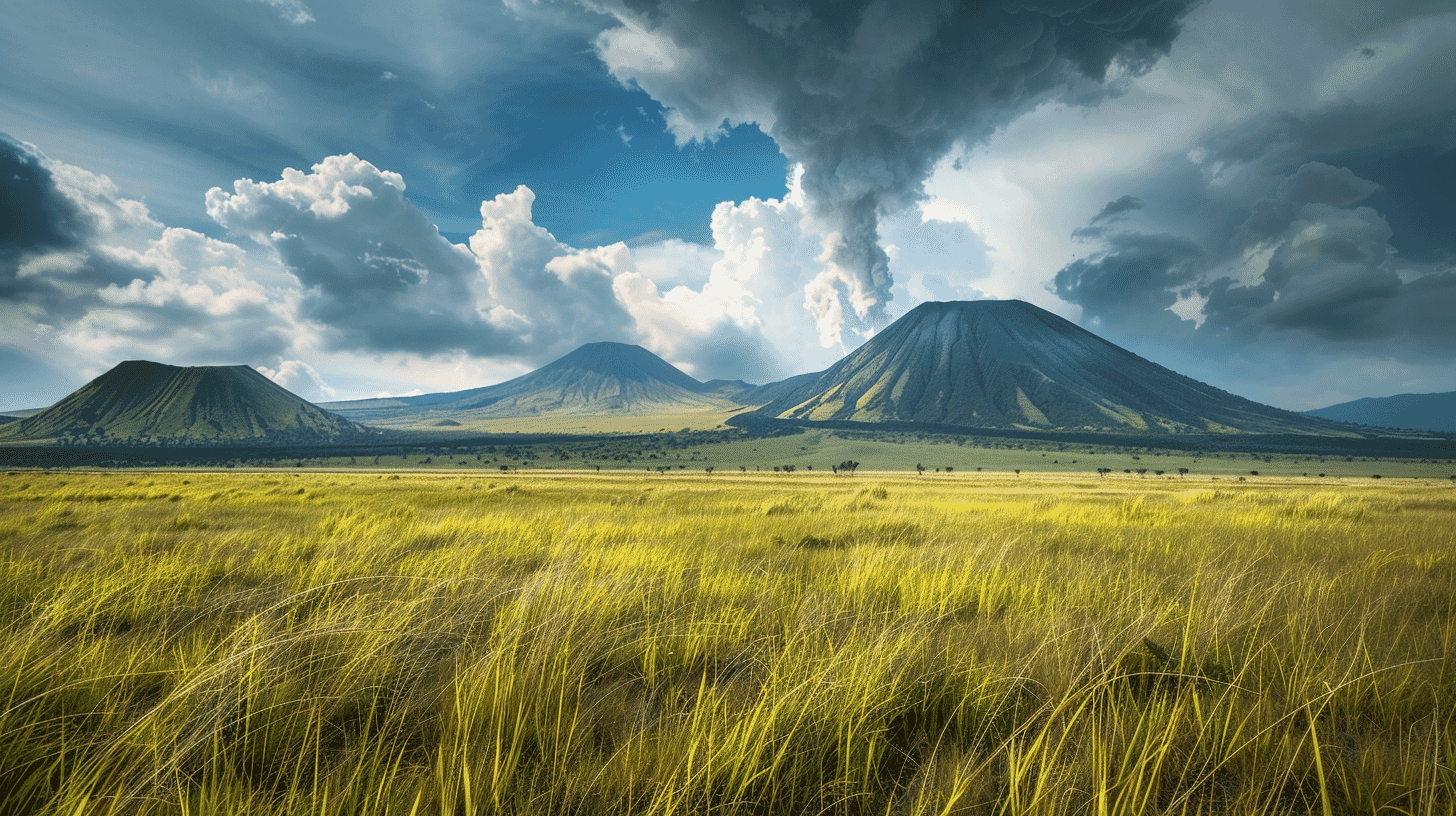
Kumamoto Castle, shrine forests, and rural mansions reveal Kumamoto's depth. Explore cultural properties with onsen side trips.
Important Cultural Properties

Discover the Ota Family Residence (Otake Jutaku), an Important Cultural Property in Taragi, Kumamoto...
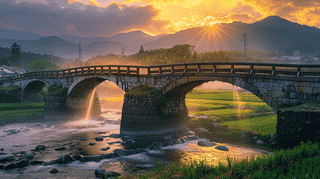
An 1832 stone girder bridge in Amakusa, Kumamoto, carried on forty-five pillars over a tidal river. ...
Thirteen Edo-period turrets, a gate and a long wall at Kumamoto Castle were designated in 1933. The ...
The Thirteen-Story Stone Pagoda in Yatsushiro City, Kumamoto Prefecture, is an early Kamakura-period...
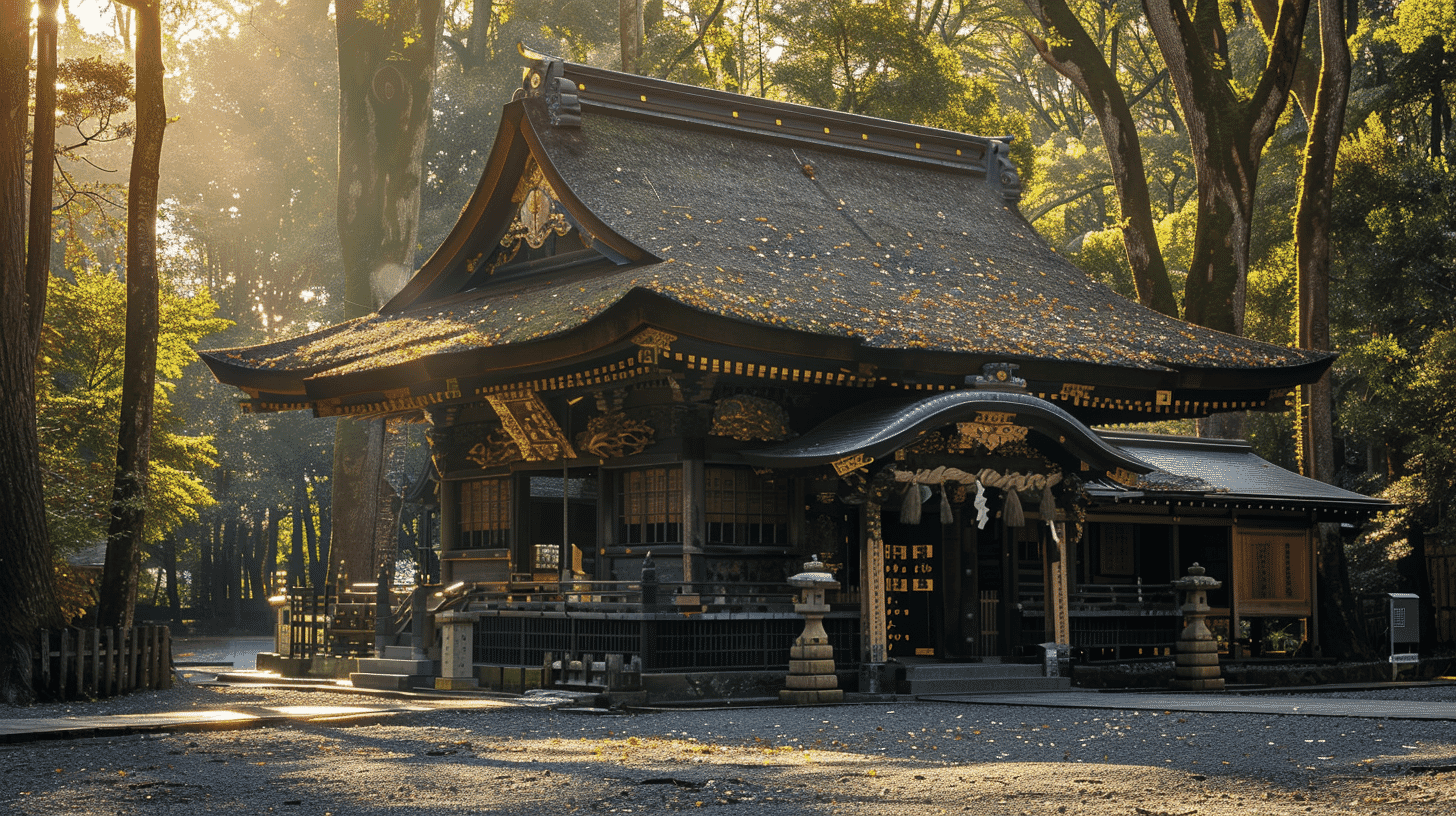
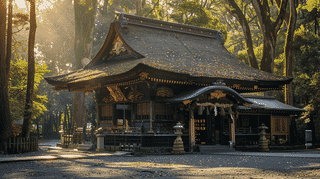
Shōzen-in Kannon-dō in Mizukami Village, Kumamoto Prefecture, is a nationally designated Important C...
The Amida Hall of Shorenji Temple in Taragi, Kumamoto is a nationally designated Important Cultural ...
Other Heritage
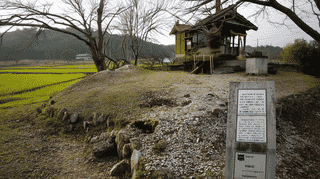
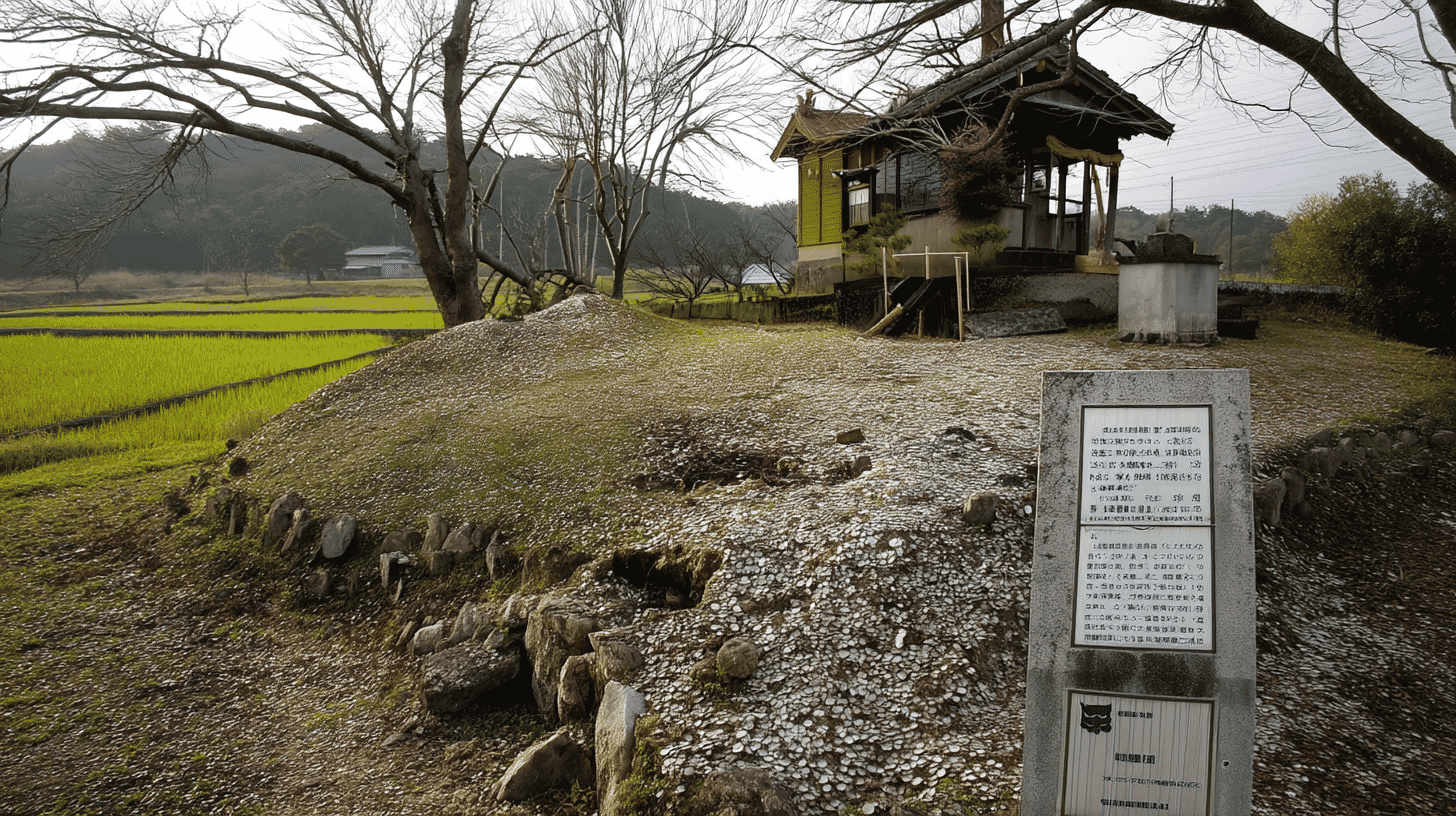
Jomon-period shell mounds in Kumamoto Prefecture. One of the two came to light just where a river in...
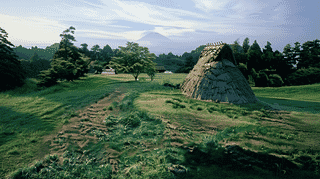
A Jomon-period site in Kumamoto Prefecture. Material and waste abound here but the finished tools ar...
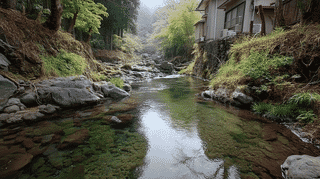
A natural monument in Kumamoto Prefecture: a stretch of river in which a rare freshwater red alga gr...
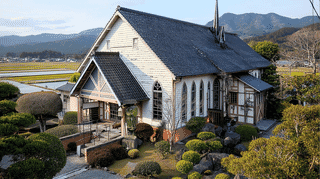
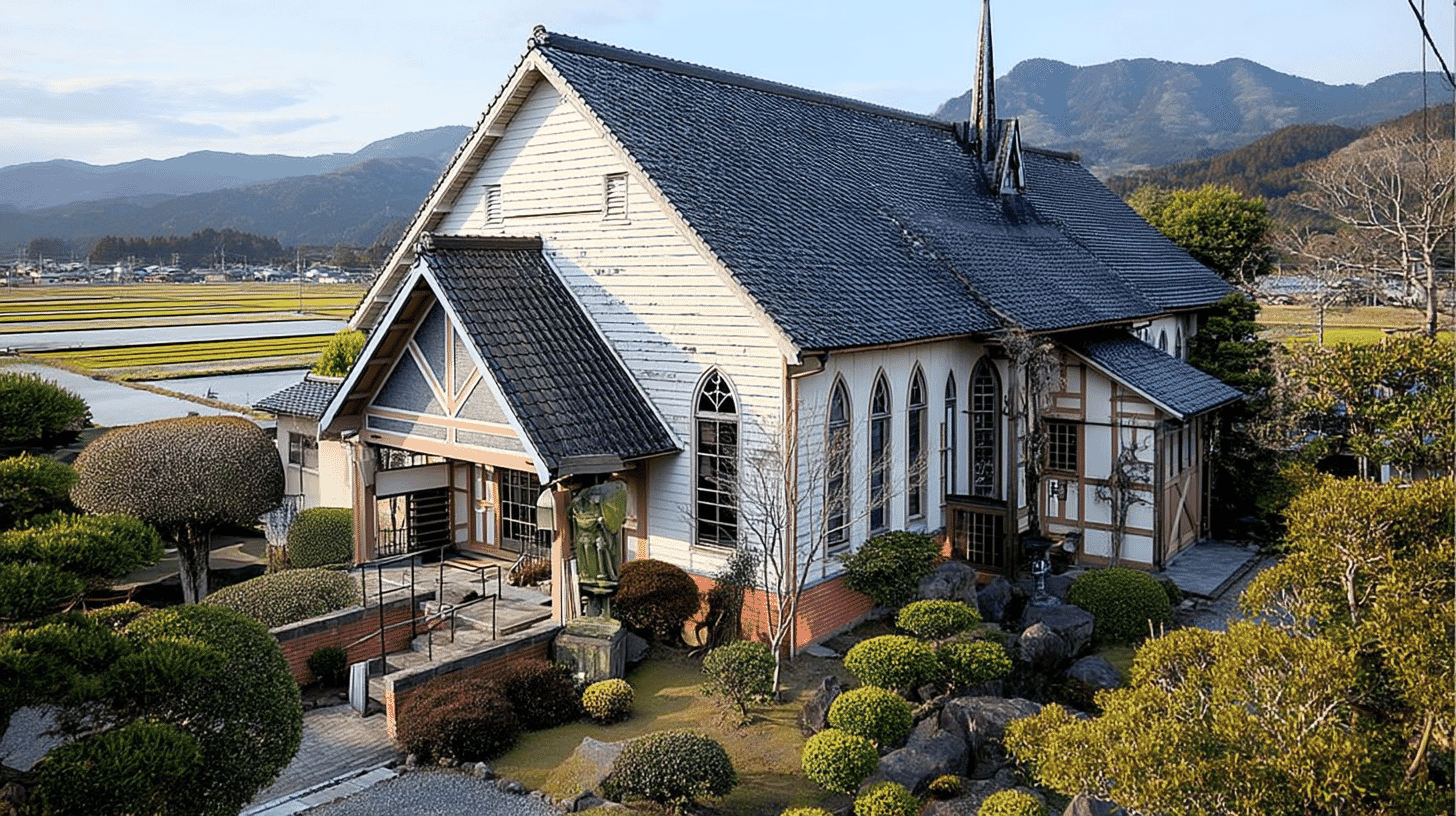
Discover Myodoji Temple Main Hall in Kumamoto Prefecture—a stunning fusion of Gothic and Buddhist ar...
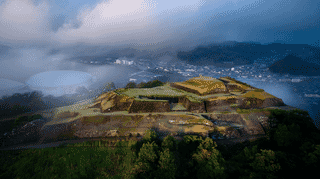
A castle site in Kumamoto Prefecture. Its stone walls were pulled down twice over, the second time b...
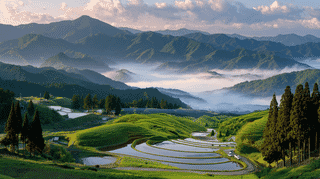
An important cultural landscape in Kumamoto Prefecture, of 65.3 hectares. No count and no owner are ...
About Kumamoto
Kumamoto Castle, construction begun by Kato Kiyomasa in 1601, ranks among "Japan's three great castles." Stone wall beauty is particularly famous, with distinctive curved stone wall technique called "musha-gaeshi" (warrior repeller) representing Kumamoto Castle's greatest feature. Severely damaged by 2016 Kumamoto Earthquake, "restoration and reconstruction work" progresses with keep restoration completed in 2021. Approximately 800 cherry trees within castle grounds create beloved spring cherry blossom spots.
Mount Aso, active volcano with world's largest caldera, features giant caldera approximately 25 kilometers east-west and 18 kilometers north-south housing Aso Gogaku (five peaks: Takadake, Nakadake, Nekodake, Eboshidake, Kishimadake). Nakadake crater continues activity, representing rare active volcano worldwide enabling crater visits. Aso grassland landscapes, selected as nationally important cultural landscape "Aso Cultural Landscape," maintain through noyaki (controlled burning) conducted for approximately 1,000 years.
Kusasenri, representative Aso scenic spot, spreads beautiful scenery featuring two ponds scattered across approximately 1-kilometer-diameter grassland. Spring through autumn offers pastoral scenes of leisurely grazing cattle and horses, attracting numerous tourists. Horse riding experiences enable exhilarating great plain galloping.
Suizenji Jojuen Garden, Momoyama-style stroll garden constructed as Kumamoto domain Hosokawa family garden, creates beautiful landscapes with artificial hills modeled after Mount Fuji and spring-fed ponds. Unique garden composition modeling Tokaido fifty-three stations features Izumi Shrine within grounds. Ponds fed by Kumamoto's abundant groundwater maintain year-round high transparency, offering beautiful water scenery.
Kurokawa Onsen, hot spring resort in Oguni town, is famous for "nyutoji tegata" (bathing pass) system enabling multiple hot spring ryokan outdoor bath enjoyment. Quiet mountain hot spring towns surrounded by nature feature calm atmospheres with unified landscape creation under concept "entire hot spring town as one ryokan, entire ryokan as one guest room."
Amakusa Islands, comprising approximately 120 large and small islands surrounded by Ariake Sea, Shiranuhi Sea, and East China Sea, are known for beautiful seas and rich nature. Also serving as Shimabara-Amakusa Rebellion stage famous for Amakusa Shiro, Christian history is deeply carved. Ocean-surrounded locations offer abundant fresh seafood and agricultural products utilizing warm climates.
Kumamoto food culture's most famous item is basashi (horse sashimi), nationally known as "horse meat hometown." Fresh horse meat thinly sliced, commonly eaten with soy sauce-based sauce combined with karashi sumiso (mustard vinegar miso). Basashi attracts attention as health food featuring high protein, low calories, and abundant iron.
Taipien represents Kumamoto local gourmet, ingredient-rich soup using cellophane noodles. Including numerous ingredients like pork, shrimp, squid, Chinese cabbage, and bamboo shoots, it's beloved as nutritious single-dish cuisine. Kumamoto-unique cuisine developed from Chinese cuisine, established as home cooking.
Karashi renkon, local cuisine allegedly devised for Kumamoto domain lord Hosokawa Tadatoshi's illness recovery, features lotus root holes stuffed with mustard miso, battered and fried. Characterized by crispy exterior, fluffy interior texture, and mustard's sharp stimulation as Kumamoto's representative cuisine.
Ikinari dango represents Kumamoto's signature wagashi, local confection featuring sweet potatoes and red bean paste wrapped in wheat flour dough and steamed for rustic flavors. "Ikinari" means "simple" in Kumamoto dialect, named for easy preparation.
Browse by Type
Designation categories represented in the prefecture, with counts.
Rice Planting in Aso · Ueyanagi Bon Dance · Kikuchi Matsubayashi
Sagara's Ira Tobikazura · Osmanthus in Asohara · Aso Kitamukidani Primeval Forest
Cultural Landscape of Aso / Rural Landscape of Ubuyama · Cultural Landscape of Aso / Grassland Landscape in the · Cultural Landscape of Aso / Grassland Landscape of the
Aso Agricultural Festivals · Kikuchi Matsubayashi · Kuma Kagura
Rows of Wax Trees Along the Kikuchi River Bank
Aoi Aso Shrine Misogi Bridge · Akasaka Family Ishikura · Ashikita Town Butoku Hall
Kumamoto in Periods
Periods represented by designated properties in the prefecture.