
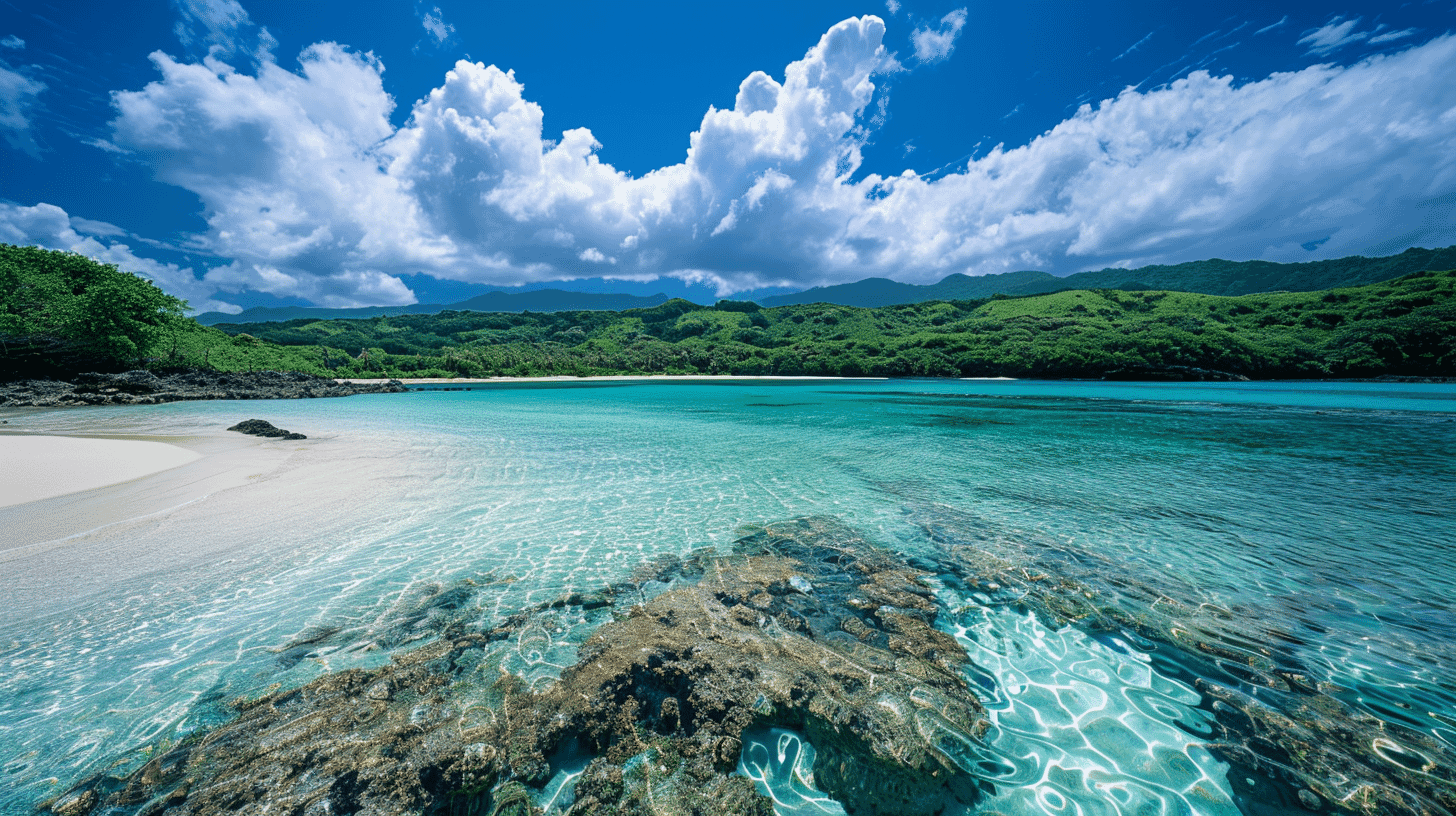
Ryukyu castles (gusuku), stone roads, and royal arts tell Okinawa's story. Explore cultural properties and plan city-to-island routes.
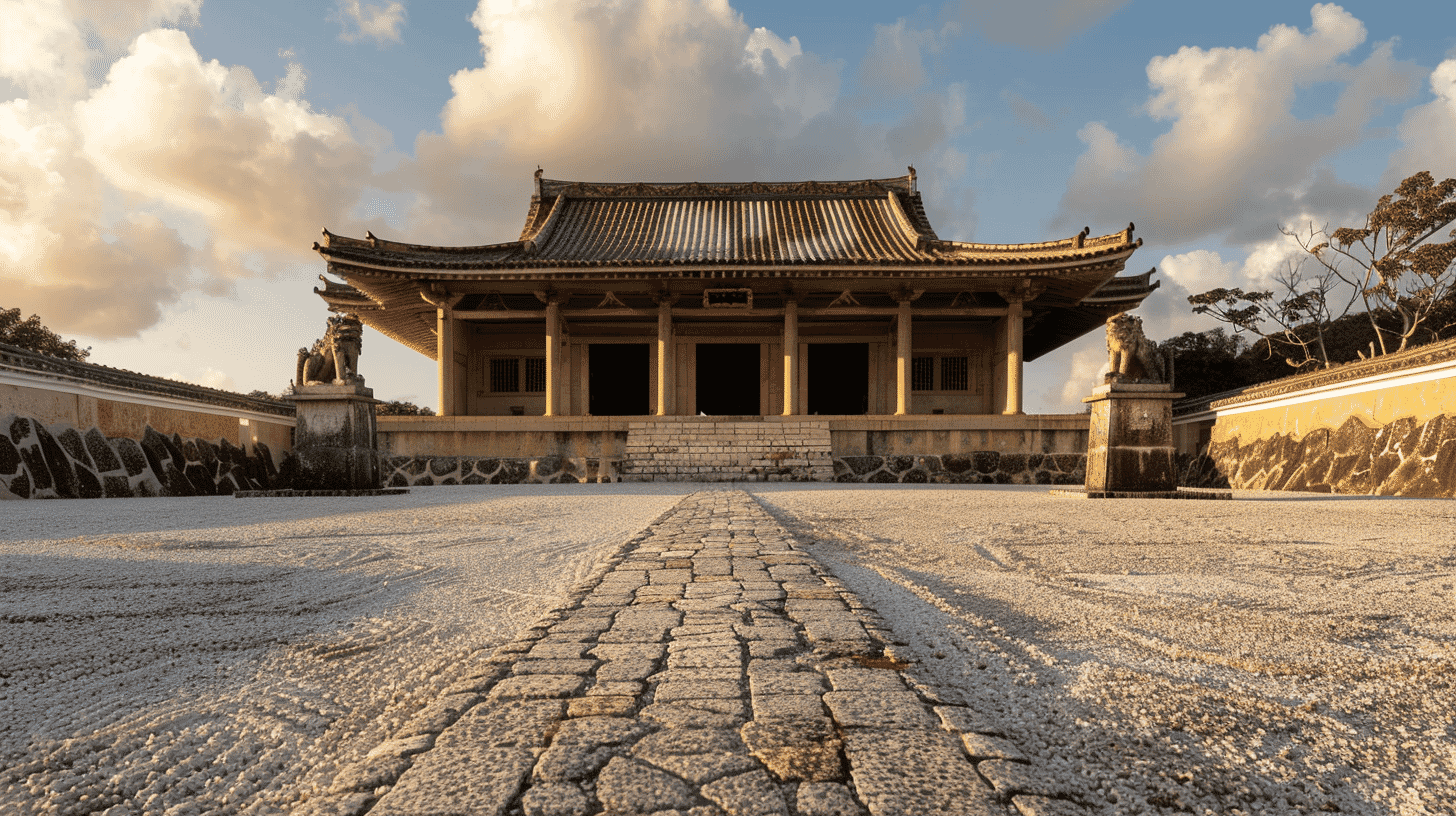
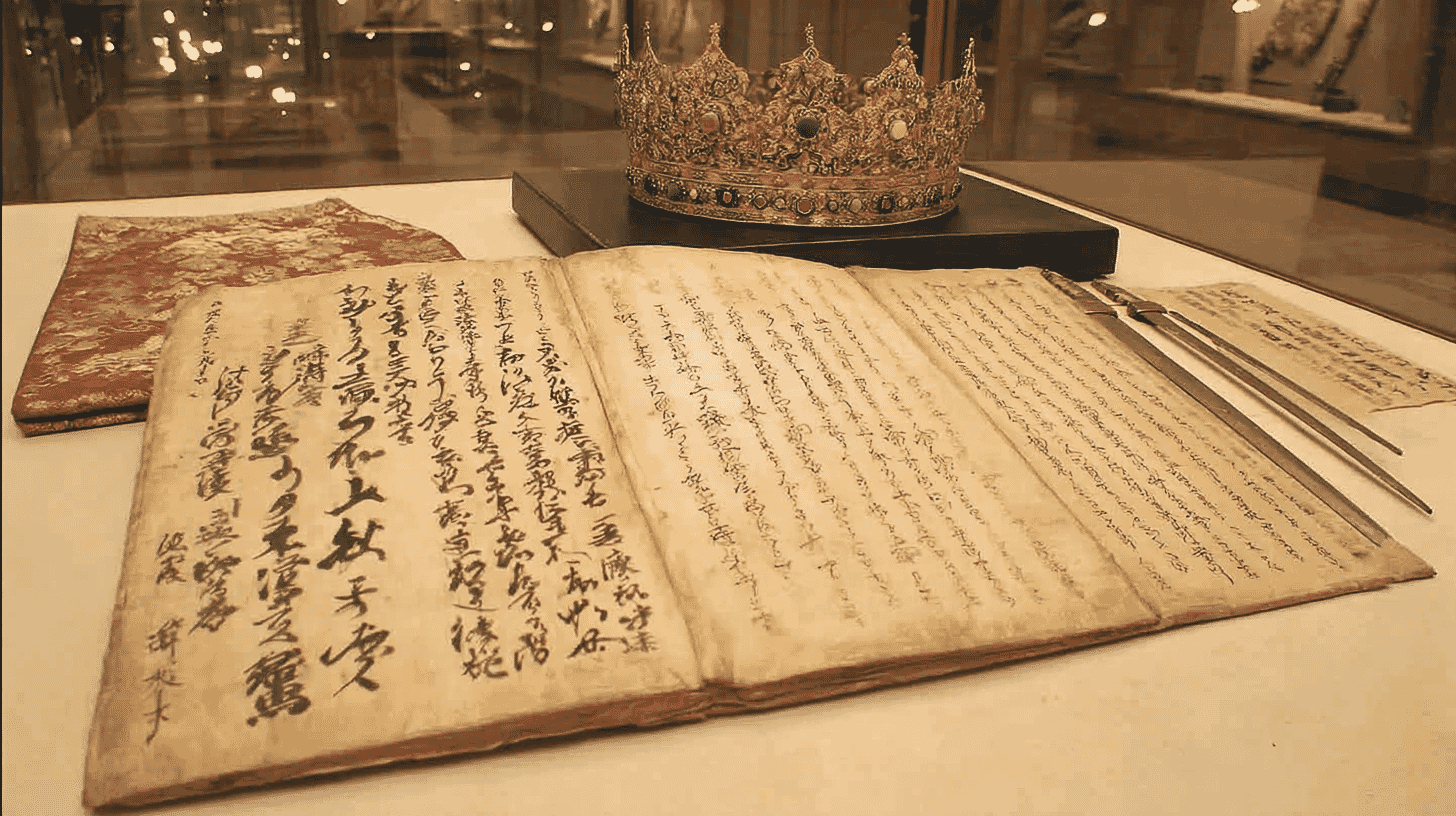
National Treasures
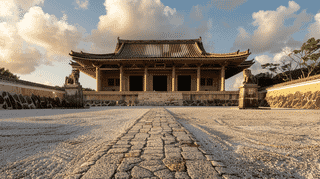
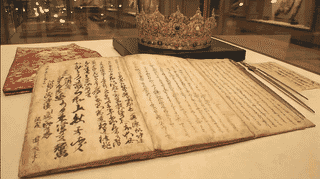
Important Cultural Properties

Built in 1687, Ie Udun Baka is the tomb of a Ryukyu royal branch family and a rare securely dated tu...
Completed in 1925, the Old Ogimi Village Office is the oldest surviving reinforced concrete building...
The 1498 Former Enkaku-ji Hojo Bridge in Naha is the only surviving structure of a royal temple lost...
On a quiet lane in Ishigaki, the Former Miyara Dunchi housed a family that governed a Ryukyu distric...
The Former Waukei Family Tomb on Ishigaki sets a 17th-century cave burial chamber within walled lime...
Located within Shuri Castle Park in Naha, Okinawa, the Sonohyan Utaki Stone Gate was built in 1519 b...
Other Heritage
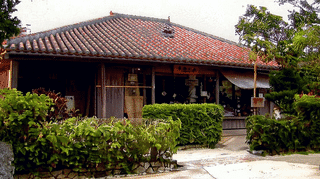
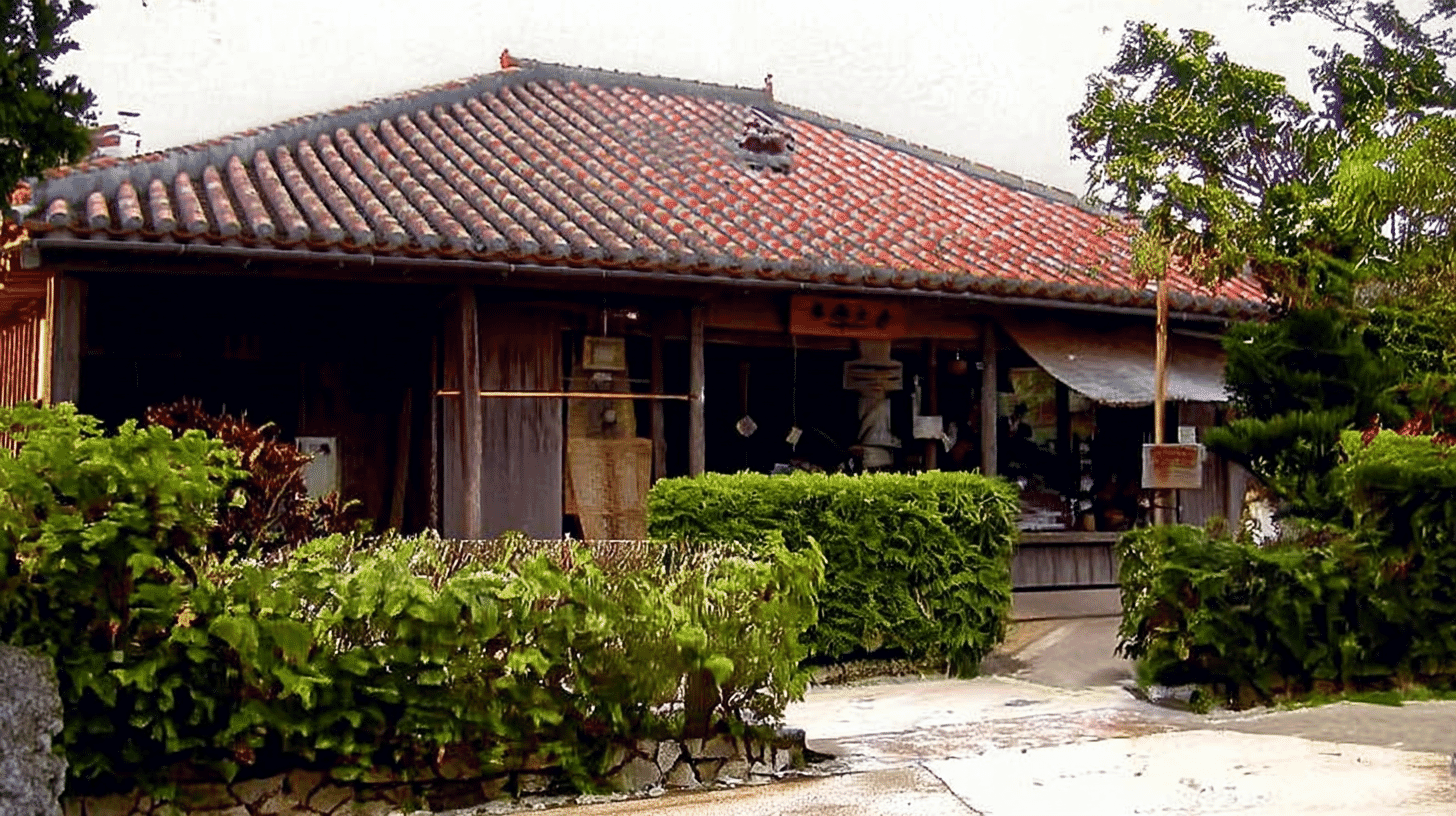
A single-storey timber house at Okinawa World in Nanjo, 127 square metres. Four rooms range along th...
Stretching 354 meters into the sea from the northern coast of Kuroshima in Taketomi, Okinawa, Iko Pi...
Held for some 400 to 500 years in the inlet of Shioya Bay in Ogimi Village, northern Okinawa, the Un...
Discover Hanandā in Yaese Town, Okinawa—a 30-meter natural bridge of Ryukyu limestone over the Shira...
Tsukayama Sake Brewery Garden in Nago City, Okinawa is a pond-viewing garden created in the early Sh...
The Performing Arts of the Festivals of Yonaguni Island in Okinawa Prefecture were designated a Nati...
About Okinawa
"Gusuku Sites and Related Properties of the Kingdom of Ryukyu" (registered 2000) comprises World Cultural Heritage of five gusuku (castles) - Shuri Castle site, Nakijin Castle site, Zakimi Castle site, Katsuren Castle site, and Nakagusuku Castle site - plus four related site groups: Sonohyan-utaki Stone Gate, Tamaudun Mausoleum, Shikina-en Garden, and Sefa-utaki. These demonstrate unique development within East Asian cultural spheres as political, religious, and cultural centers of the flourishing 15th-16th century Ryukyu Kingdom.
Shuri Castle, functioning as Ryukyu Kingdom's political and diplomatic center for approximately 450 years, boasts distinctive architectural beauty fusing Chinese and Japanese building styles. Though the main hall was lost in 2019 fire, ongoing restoration work continues, serving as important location for learning Ryukyu history and culture.
"Amami-Oshima Island, Tokunoshima Island, Northern part of Okinawa Island, and Iriomote Island" (registered 2021) represents World Natural Heritage evaluated for endemic species evolution and biodiversity conservation. Many endemic species including Okinawa rails, Okinawa woodpeckers, and Iriomote wildcats inhabit these areas, earning the nickname "Galapagos of the Orient."
Churaumi Aquarium (Okinawa Churaumi Aquarium), known for world's largest tank "Kuroshio Sea," is internationally famous for whale shark and manta ray exhibitions. This representative Okinawan tourist facility welcomes over 3 million annual visitors, introducing Okinawan marine life diversity.
Okinawan food culture developed unique culinary systems centering on pork. Goya champuru represents typical home cooking, stir-frying bitter melon with tofu and eggs for nutritious dishes. Soki soba, representative Okinawan soba made with pork rib broth, features characteristic flat noodles without elasticity.
Awamori, Okinawan distilled liquor using rice as ingredient, possesses over 600 years history. Production methods using black koji differ from other shochu, with aging deepening aroma and flavor. Long-aged awamori called "kusu" is particularly treasured.
Sanshin, Okinawan traditional instrument, uniquely developed Chinese-origin sanxian in Okinawa. Distinctive tones from snake skin-covered body and three strings are widely used in Okinawan folk songs and contemporary music. Ryukyu dance performed to sanshin music also represents important cultural heritage.
Okinawan nature is particularly famous for ocean beauty, with remote islands like Kerama Islands, Miyako Island, and Ishigaki Island offering world-class transparency for diving and snorkeling. Blue seas and white beaches surrounded by coral reefs, called "Okinawa Blue," captivate numerous tourists.
Modern history includes tremendous damage from World War II Battle of Okinawa, followed by 27 years under American administration. Even after 1972 mainland reversion, US military base concentration continues, with base issues remaining important contemporary challenges. War sites including Cornerstone of Peace and Himeyuri Monument serve as peace education destinations for many visitors.
Browse by Type
Designation categories represented in the prefecture, with counts.
Puppet Lion · Kyotaro of Awase · Iejima Village Dance
Agena Castle Ruins · Awa's Tanagerugumui Plant Community · Amamikunumui
Taketomi Island, Taketomi Town · Tonaki Village Tonaki Island
Cultural Landscape Originating from Phosphate Mines on · Fukugi Forest and Village Landscape in Imadomari, Nakijin
Yasuda's Sinugu · Iejima Village Dance · Iriomote Island Festival
Okanzaki · Okinawa Prefectural Railway Yonabaru Station Remains · Former Nakasone Family Garden
Arakaki Family Residence Ishigaki · Arakaki Family Residence Main Building · Arakaki Family Residence East Pond
Daily Necessities of Taketomi Island
Okinawa in Periods
Periods represented by designated properties in the prefecture.