
Naritasan's grand temple and coastal shrines frame Chiba's heritage. Explore carvings, festivals, and practical transport info from Tokyo.
National Treasures
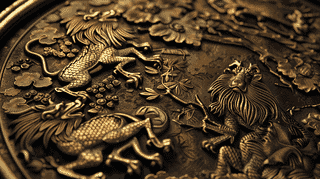
A mirror owned by Katori Jingu in Chiba Prefecture. Another one made from the very same mould is now...
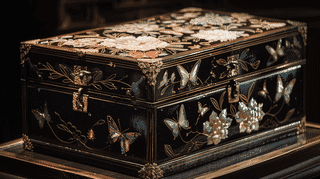
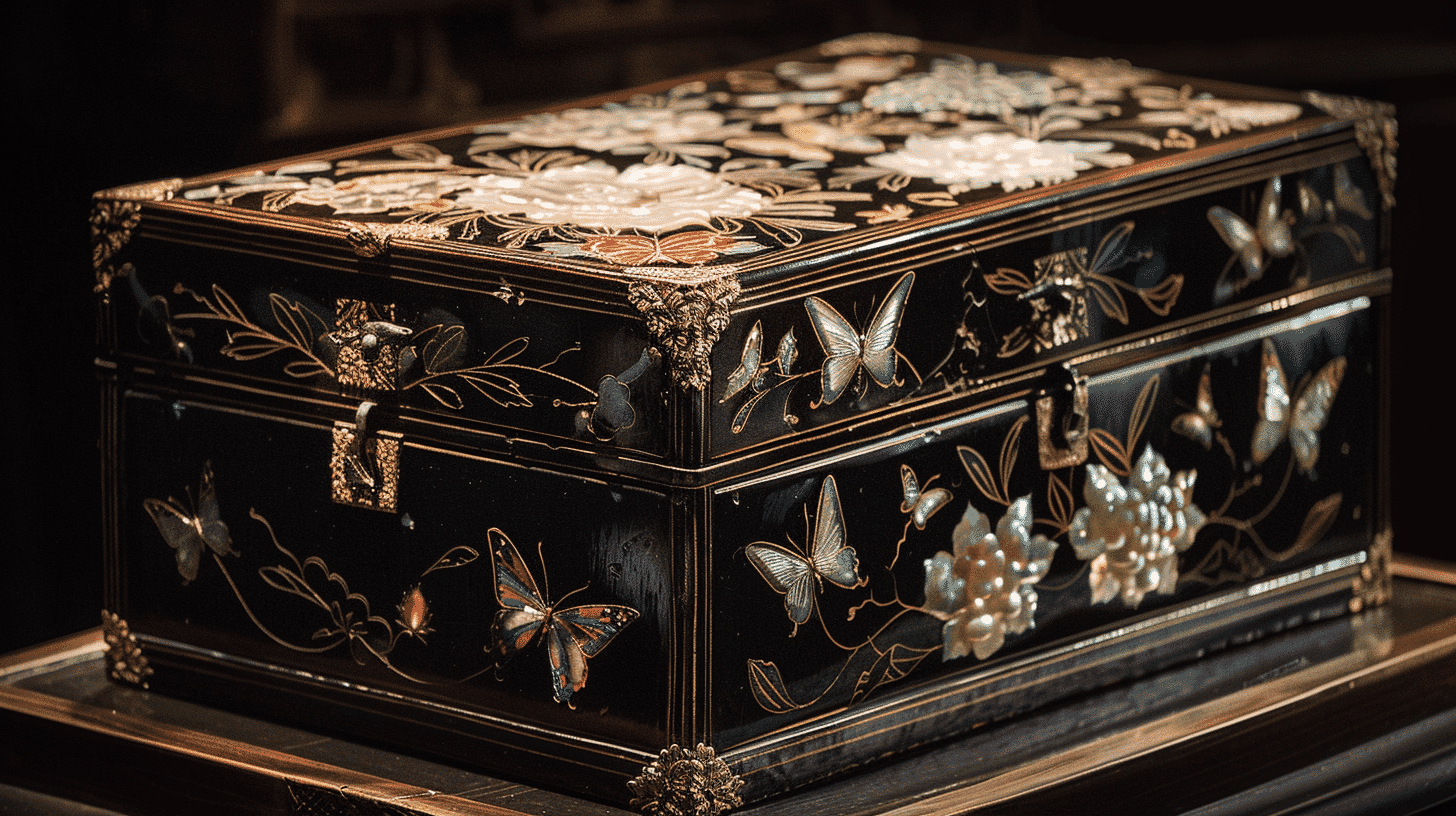
A Kamakura-period hand box kept in Tokyo. Three techniques answer to three colours in it: the gold o...

The Ino Tadataka Related Materials gather 2,345 items, from 123 finished Ino maps and 399 drafts to ...
Nichiren's autograph treatise of 1273, written in exile on Sado Island, survives at Hokekyoji Temple...
Hokekyoji Temple in Ichikawa, Chiba, preserves Nichiren's own 1269 copy of his warning to the shogun...
The National Treasure Nukatadera Garan narabini Jōrizu, held by the National Museum of Japanese Hist...
Important Cultural Properties
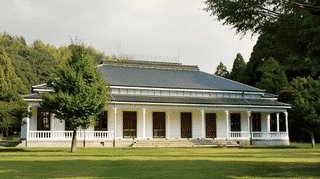
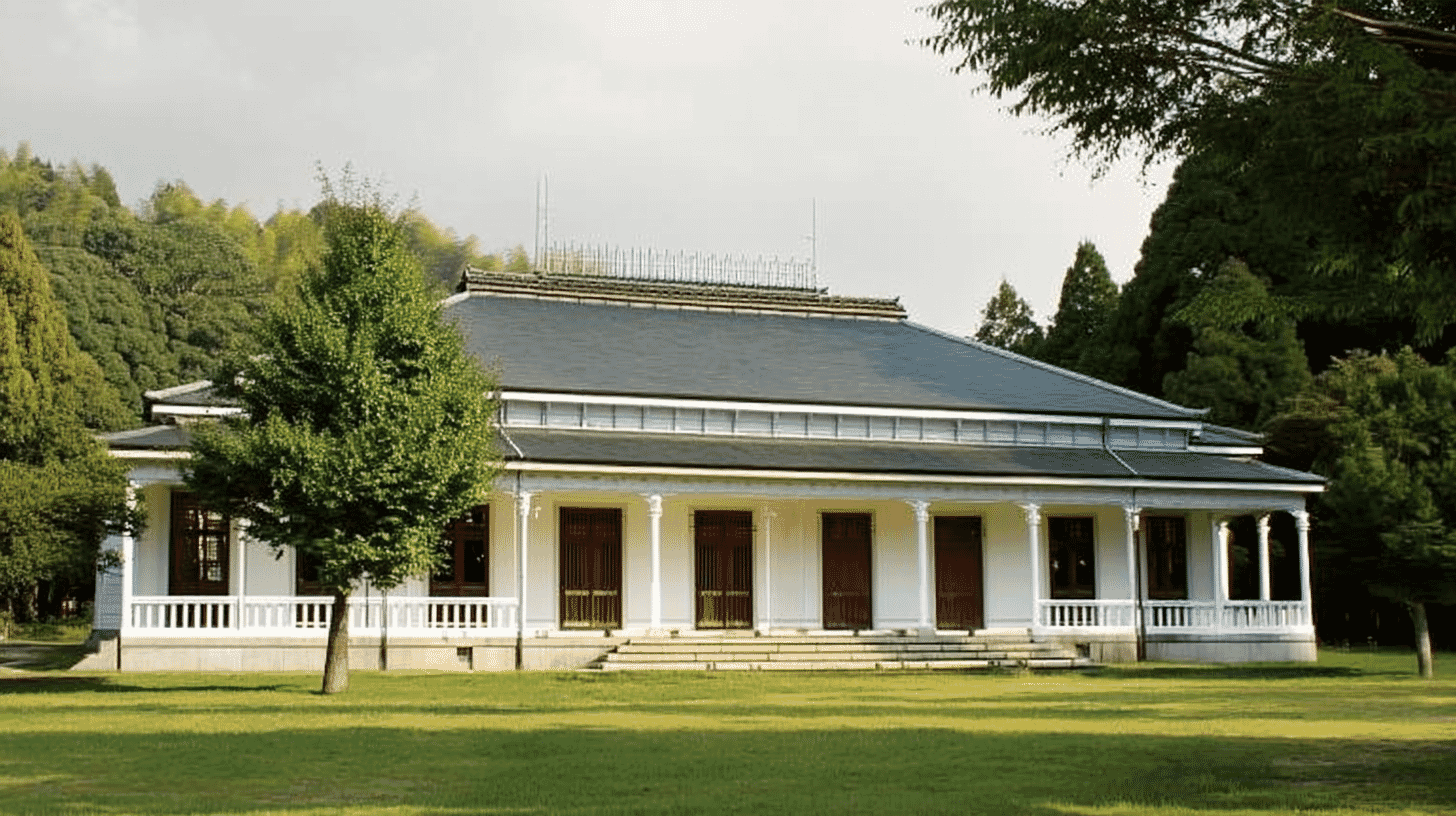
A Meiji-period assembly hall in Chiba Prefecture. Its own reading there differs between the national...
The Amida Hall of Saigan-ji Temple in Ichihara, Chiba Prefecture, is a nationally designated Importa...
The Front Gate of Jinya-ji near Mount Kano's summit in Chiba is an early-1500s Zen-style four-legged...
The Yakushido (Medicine Buddha Hall) of Senpukuji Temple in Inzai City, Chiba Prefecture, is a natio...
Discover Daishoji Fudodo, a nationally designated Important Cultural Property in Isumi City, Chiba. ...
The Takida Family Residence in Shiroi City, Chiba Prefecture, is a thatched hipped-roof farmhouse es...
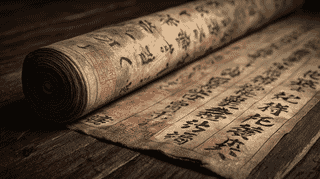
A document at the National Museum of Japanese History in Chiba, owned by an inter-university researc...
At Jokoin near Hokekyo-ji in Ichikawa, Chiba, hangs the Water-Mirror Portrait, a strikingly lifelike...
A late-Kamakura silk scroll at Chōtokuji in Sōsa, Chiba: a twenty-armed Fugen Enmei on four six-tusk...
Rare amber-glazed ceramic guardian lion-dogs from medieval Seto, barely 18 cm tall, kept at Katori J...
Designated in 2023, Koami-ji's 20 gilt-bronze esoteric ritual implements bear the engraved name of t...
A 17th-century ink painting by Iwasa Matabei: Rōgyoku summons a phoenix with her flute. A panel of t...
Other Heritage
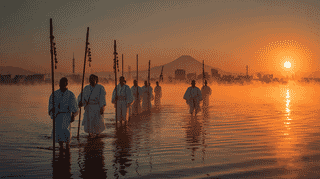
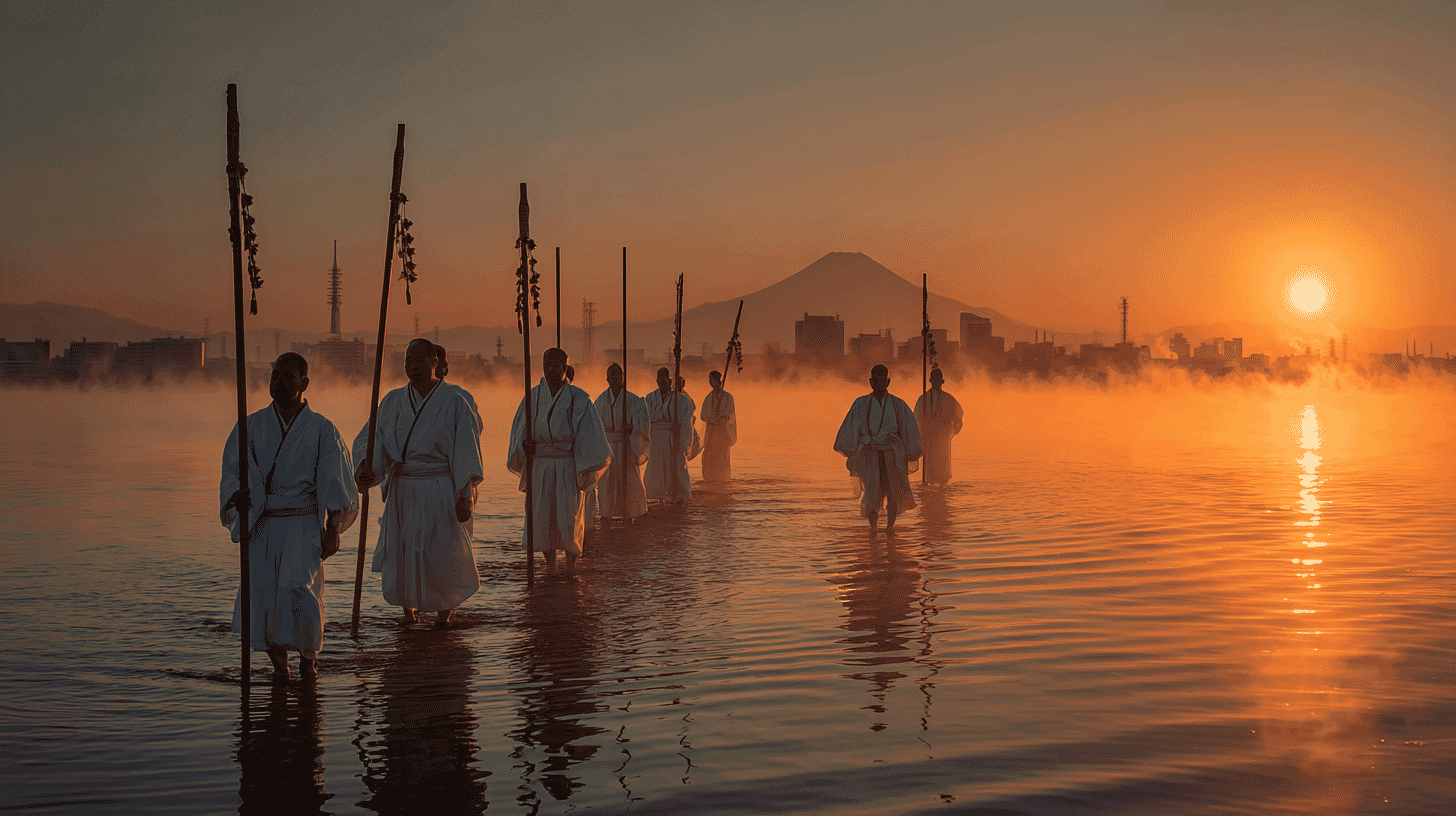
Discover Kisarazu Nakajima Bonten-tate, a powerful Japanese winter festival where young men wade int...
In Chonan, central Chiba, a small Meiji storehouse held the Hoshino pharmacy's dispensary. Registere...
In Tateyama, Chiba, the Beniya Store residence sits beside a shop made from an earthquake-surviving ...
After the 1923 earthquake levelled his shop, a Tateyama hardware merchant rebuilt in 1924 from a rel...
A wooden 1866 gate fronting a pharmacy that has served Chonan's old post town for 300 years, its ang...
Built in 1871 by the Edo River, this Noda wharf merchant's house keeps three boat-inn rooms upstairs...
About Chiba
Sogo Reido (Sogo Mausoleum) houses Buddhist statue groups from Heian through Kamakura periods, with several designated as Important Cultural Properties. Particularly, the wooden seated Yakushi Nyorai statue is considered a precious late Heian period work. This Narita City temple is also known for enshrining Edo period righteous commoner Sakura Sogo.
Shimousa Kokubunji ruins, remains of Nara period-established Kokubunji Temple, are currently protected as historic sites. Excavations confirmed foundations for main hall, pagoda, and lecture hall, representing important ruins for understanding ancient temple architecture.
Tokyo Disneyland, Japan's first Disney theme park opened in 1983, welcomes approximately 16 million annual visitors as one of the world's premier tourist destinations. Together with adjacent Tokyo DisneySea forming Tokyo Disney Resort, it represents Chiba Prefecture's flagship tourism facility.
Naritasan Shinshoji Temple, founded by Kancho Dai-Sojo in 940 as Shingon Buddhism Chizan sect head temple, enshrines Fudo Myoo as principal image. Year-end and New Year periods bring about 3 million hatsumode visitors, ranking second nationally after Meiji Shrine. Omotesando approach features over 150 shops, particularly famous for eel cuisine.
Kamogawa Sea World, marine animal theme park opened in 1970, is known for killer whale, dolphin, and beluga performances. Particularly powerful killer whale shows captivate many tourists. The facility actively pursues marine animal research and conservation activities.
Kujukuri Beach, approximately 66-kilometer sandy coastline spreading along Boso Peninsula's east shore, is selected among Japan's 100 Best Beaches. Known as surfing mecca attracting many surfers. Famous for sardine fishing, with Kujukuri-caught sardines beloved as "Kujukuri iwashi."
Southern Boso Peninsula, famous as flower production region utilizing warm climate, particularly around Tateyama City where poppies, canola flowers, and cherry blossoms successively bloom from January through spring, attracts many tourists along "Boso Flower Line." Beautiful coastlines including Shirahama and Chikura beaches are also highlights.
Chiba's food culture centers on peanut production ranking first nationally, comprising about 80% of national share. Peanuts cultivated in regions centered on Yachimata City are high quality, with "Chiba Handachi" variety particularly famous. Boiled peanuts represent Chiba Prefecture's unique consumption method, offering sweet flavor and soft texture.
Soy sauce represents another important Chiba specialty, with Noda and Choshi cities as soy sauce production regions continuing from Edo period. Kikkoman bases in Noda City, Yamasa Soy Sauce in Choshi City, continuing high-quality soy sauce production today. Tone River's abundant water and Kanto Plain's soybeans and wheat support quality soy sauce brewing.
Pear production also ranks nationally high, cultivating varieties including nijisseiki, hosui, and kosui. Boso Peninsula's warm climate and well-drained soil suit quality pear cultivation. Additionally, nori seaweed cultivation thrives, with Tokyo Bay-cultured Edomae nori renowned for quality.
Loquats represent another Chiba specialty, nationally known as Boshu loquats. Cultivated in regions centered on Minamiboso City, they're harvested from May through June. They feature soft flesh and strong sweetness.
Browse by Type
Designation categories represented in the prefecture, with counts.
Oshiba's Tanabata Horse Production Techniques · Enyaho at Ota Yasaka Shrine · Dancing Cherry Blossom Viewing
Atamadai Shell Mound · Arayashiki Shell Mound · Cretaceous/shallow Marine Deposits at Inubozaki
Sawara, Katori City
Kazusa-Bori Technique · Wooden Winnowing Basket Manufacturing Technique · Demons Coming
Former Yoshida Family Garden · Someya Family Garden · Noda City Civic Hall (formerly Saheiji Mogi) Garden
Crossing a River in Wind and Rain (Light Color on Paper; by Tanomura Chikuden, with a cyclical date of the kichu year)
Akimoto Family Residence Storehouse · Akutagawa-So · Atamirin Branch (formerly Chiba Bank Oami Branch)
Riverboats and Related Equipment in the Middle and Lower
Chiba in Periods
Periods represented by designated properties in the prefecture.