
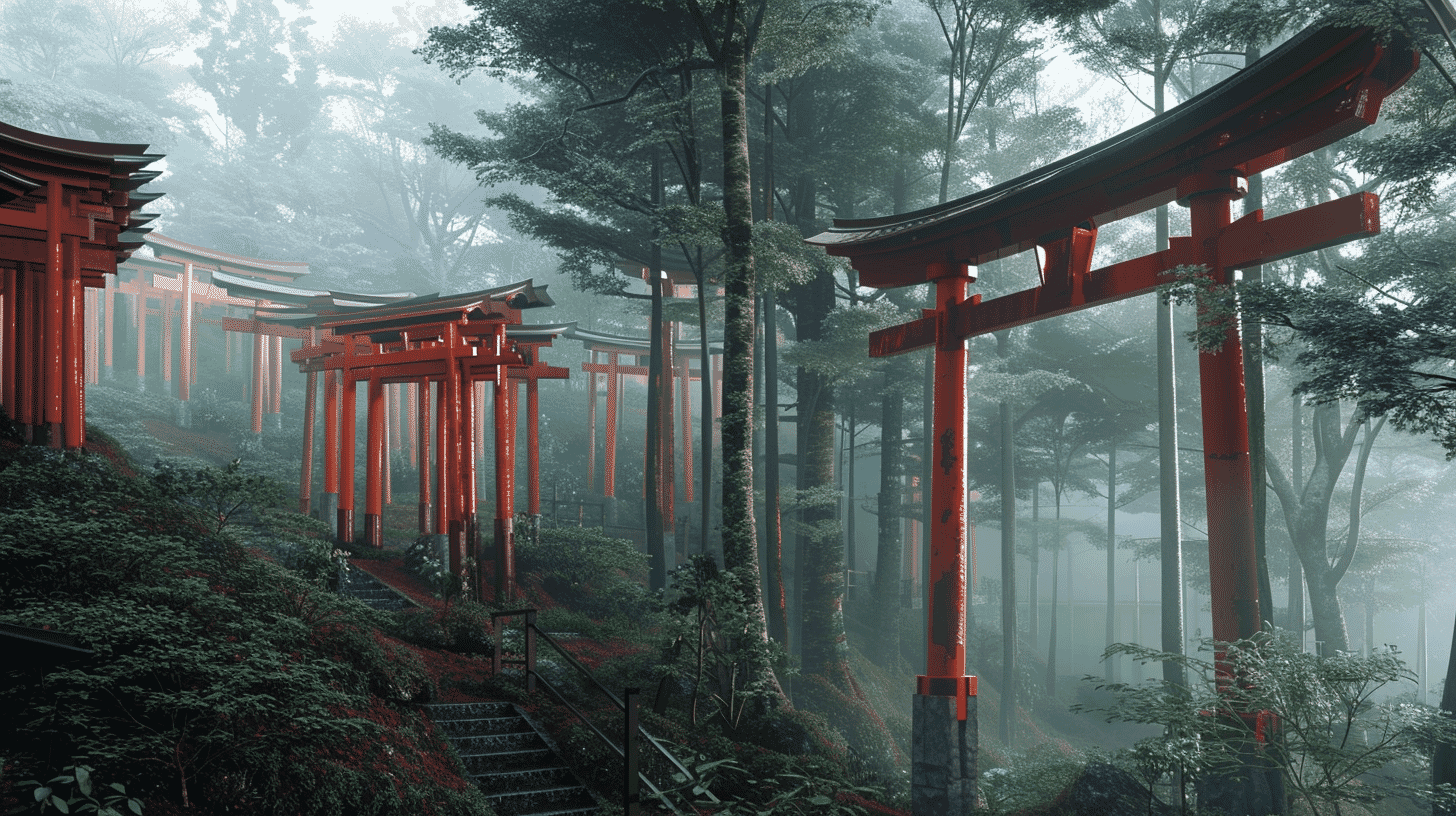
Yoshinogari archaeology, kilns, and castle towns highlight Saga. Explore cultural properties with tips for ceramic routes.
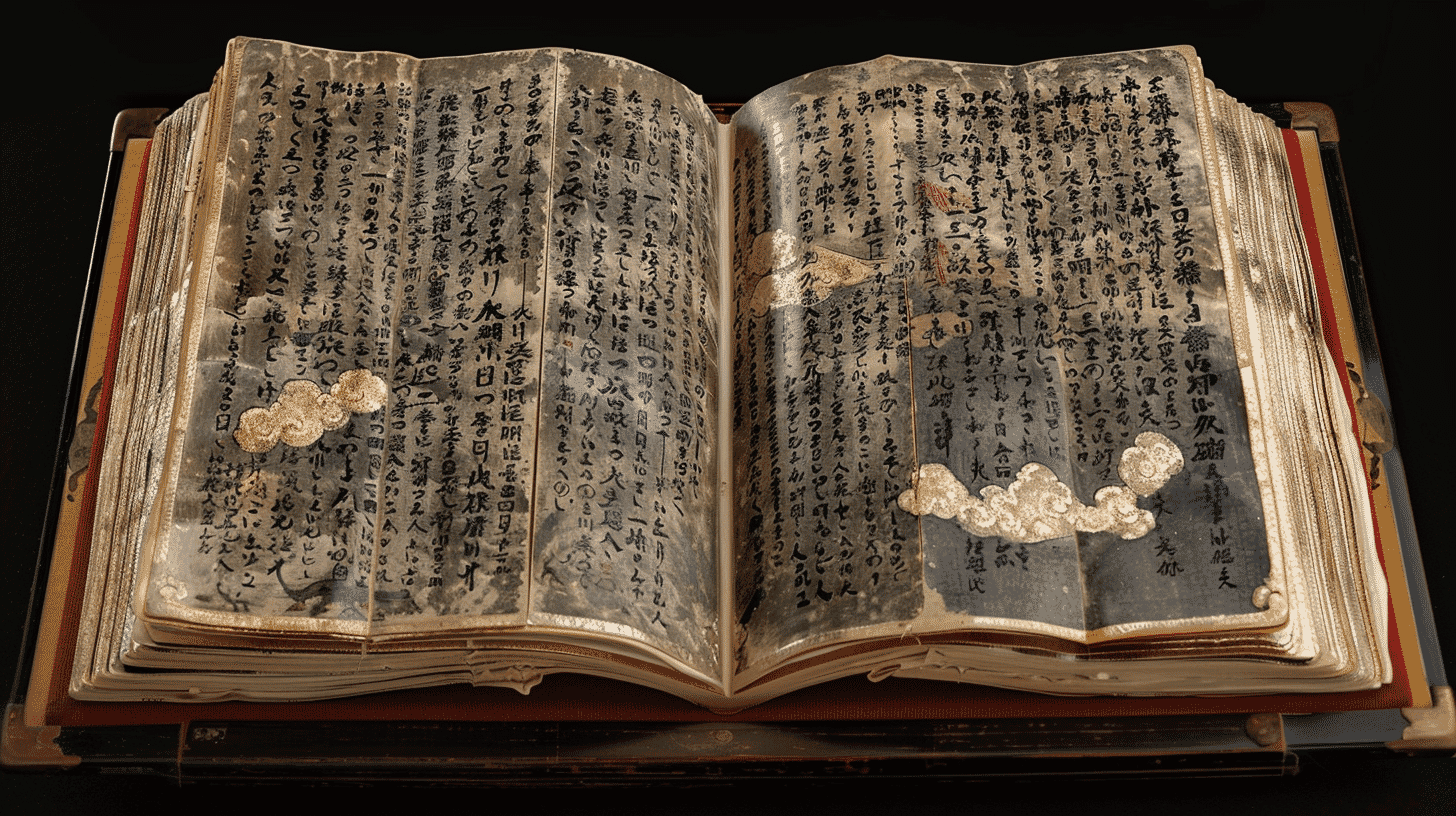
National Treasures
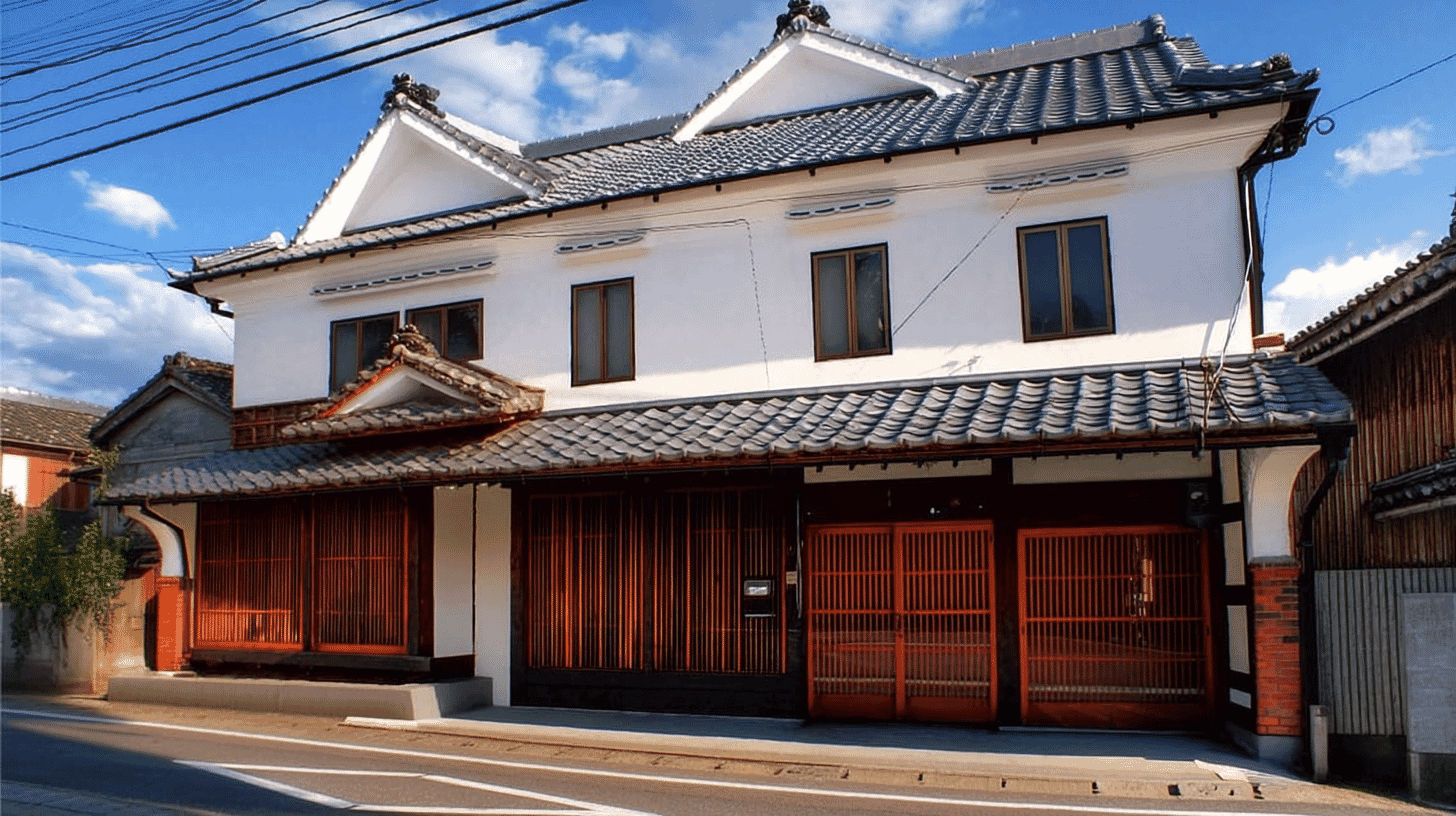
Important Cultural Properties

Discover Taku Seibyo, one of Japan's three great Confucian temples and a nationally designated Impor...
Discover Tajima Shrine Main Hall (Tajima-jinja Honden) in Imari, Saga Prefecture — a nationally desi...
Built in 1876 by porcelain trade merchant Tashiro Josaku as a guesthouse for foreign buyers visiting...
A vermilion two-storied gate of the Momoyama period beside Saga Castle's moat. Why it carries two de...
A thatched farmhouse of 1789 in the Chikushi mountains, dated by ink on a purlin joint. Saga's oldes...
Other Heritage
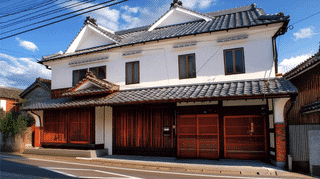
Discover Yoshida Family Residence (Yoshida-ke Jutaku Shuoku), a Registered Tangible Cultural Propert...
A torii 3.7 metres high, fired from porcelain in Arita in 1888 under a cobalt arabesque. Why it is r...
The former Tanakamaru family residence in Ushizu, Ogi City, Saga Prefecture, is a magnificent Taishō...
The Ushizu Akarengakan in Ogi City, Saga Prefecture, is a two-story red brick warehouse built in the...
Discover Joran Juku, a registered tangible cultural property in Takeo, Saga Prefecture. Designed by ...
Iō-ji is a Sōtō Zen temple founded in 1383 in Ōchi, Karatsu City, Saga Prefecture, whose main hall i...
About Saga
Yoshinogari site represents large-scale Yayoi period moated settlement remains, ancient city operated for approximately 600 years from about 3rd century BCE through 3rd century CE. Pit dwellings, raised floor buildings, and watchtowers are reconstructed across vast 117-hectare site, enabling concrete Yayoi lifestyle learning. Particularly, Nainaikaku main ritual hall allegedly served as royal residence facility, representing important remains demonstrating Yayoi period class society existence.
Saga Castle, flourishing as Nabeshima family 360,000-koku residence castle, is currently reconstructed as Saga Castle Honmaru History Museum. Late Edo period Saga domain actively introduced Western technology, greatly contributing to Japan's modernization through reverberatory furnaces and steamship construction. Nabeshima Naomasa (Kanso) was known as enlightened lord, visited by Saigo Takamori and Sakamoto Ryoma.
Arita porcelain, porcelain with over 400 years history, allegedly represents Japan's first porcelain fired by Korean potter Yi Sam-pyeong in 1616. Arita porcelain, featuring beautiful white porcelain body decorated with indigo sometsuke, was exported to Europe during Edo period, beloved as "IMARI." Currently, approximately 150 kilns in Arita town continue traditional techniques while creating contemporary design works.
Ureshino Onsen, beautiful skin hot springs with approximately 1,300 years history, features sodium hydrogen carbonate springs with skin-smoothing effects, ranking among "Japan's three great beautiful skin hot springs." Hot spring towns feature numerous ryokan and hotels, with onsen yudofu (hot spring tofu) beloved as Ureshino Onsen specialty cuisine.
Yutoku Inari Shrine, known as one of Japan's three great Inari shrines, represents premier Kyushu shrine welcoming approximately 3 million annual worshippers. Founded in 1687 by Nabeshima Naotomo's wife, it's worshipped for business prosperity and family fortune. Main hall represents beautiful vermillion building on cliffs, with precincts overlooking Ariake Sea.
Takeo Onsen, ancient hot springs with approximately 1,300 years history, features tower gate designated as national important cultural property. This tower gate, built in 1915, features beautiful dragon palace-reminiscent design. Takeo Onsen offers clear simple springs allegedly effective for fatigue recovery and neuralgia.
Saga beef, Saga Prefecture black wagyu clearing strict quality standards for Saga beef certification, features fine marbling and sweet fat, enjoyed as steaks and sukiyaki. Particularly, Saga beef sirloin steaks are renowned as exquisite.
Yobuko squid features fresh spear squid and golden cuttlefish caught in Genkai-nada, with transparent, sweet squid sashimi representing exquisite flavors. Numerous squid cuisine specialty shops around Yobuko Port offer live-prepared squid sashimi. Remaining heads are commonly tempura-fried, enabling complete single-squid enjoyment.
Higashiyoga Coast featuring Higata-yoka Park represents location experiencing Japan's largest tidal difference in Ariake Sea (maximum 6 meters). Receding tides reveal approximately 2-kilometer tidal flats, enabling observation of Ariake Sea endemic organisms including mudskippers and fiddler crabs.
Browse by Type
Designation categories represented in the prefecture, with counts.
Otamai at Shioya Shrine · Ayabe Hachiman Shrine Flag Raising and Lowering Ceremony · Ariake Sea Fishing Customs
Anegawa Castle Ruins · Arita Ginkgo · Imari Bay Horseshoe Crab Breeding Ground
Arita Uchiyama, Arita Town · Shiotazu, Ureshino City · Kashima City Hamashozu Town Hamakanaya Town
Warabino Rice Terraces
Karatsu Kunchi Float Event · Dengaku at Shirahige Shrine · Takeo's Wild Dance
Garden of the Former Villa of the Nabeshima Clan, the Lord
Amabuki Sake Brewery's Former Kitchen Chimney · Amabuki Sake Brewery Old Brewery Chimney · Amabuki Sake Brewery
Saga in Periods
Periods represented by designated properties in the prefecture.