
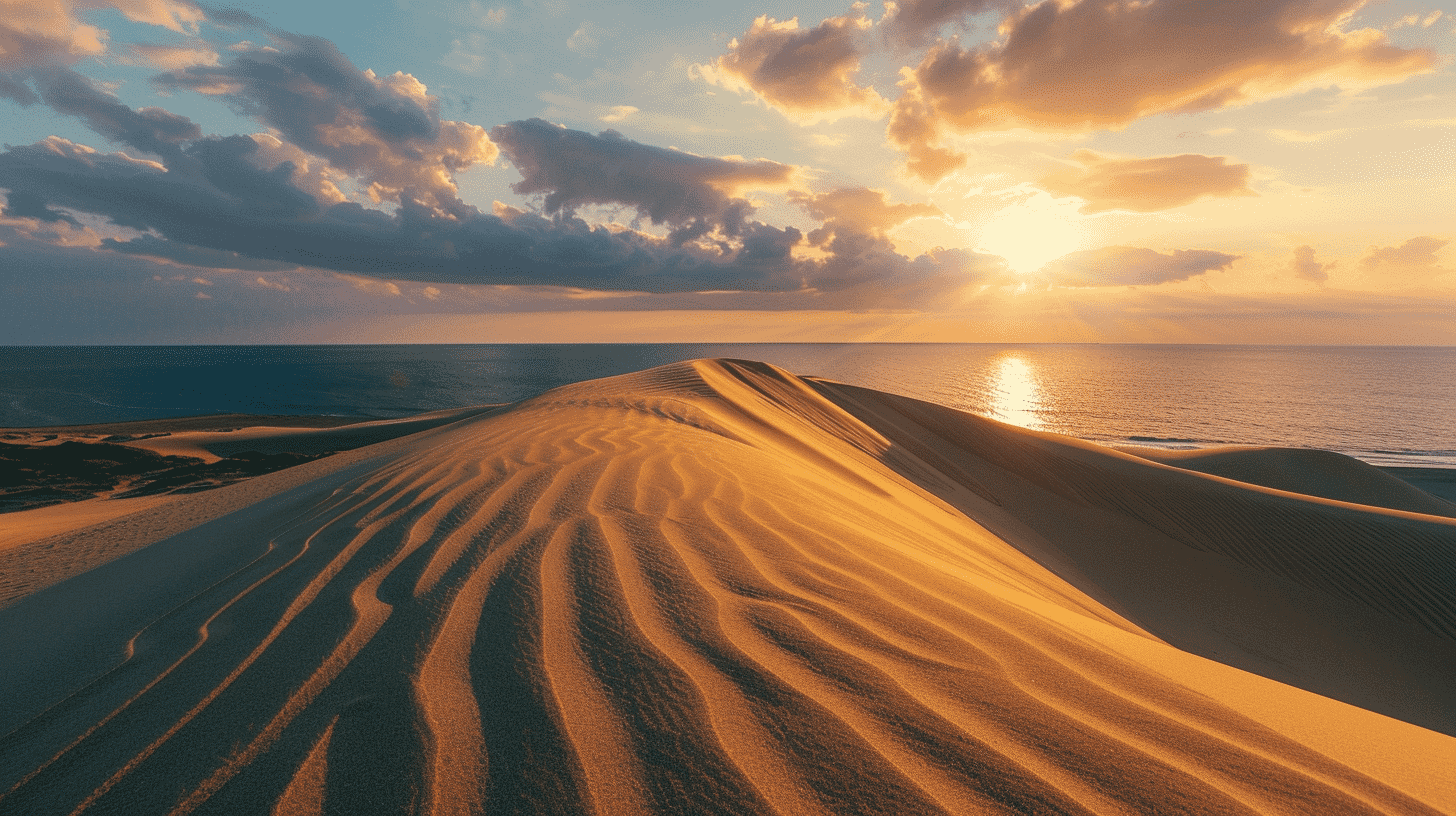
White-walled Kurayoshi, temple caves, and coastal shrines give Tottori a gentle charm. Explore cultural properties with slow-travel ideas.
National Treasures
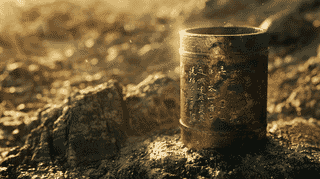
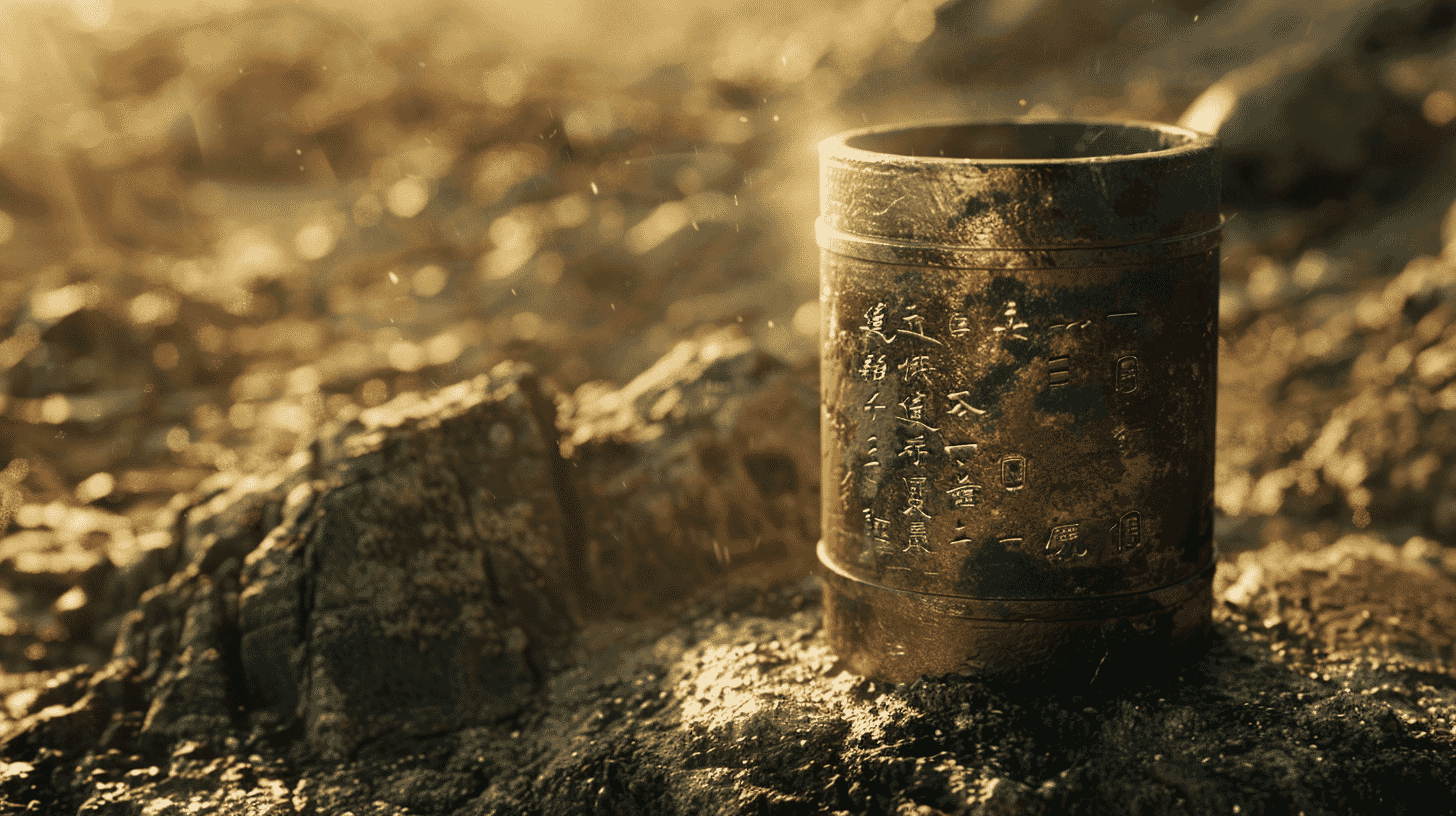
Finds from a sutra mound in Yurihama, Tottori, designated as a single lot. An inscription shows the ...
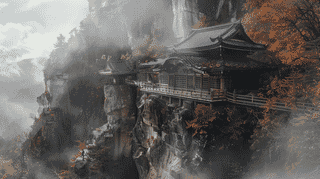
A late Heian hall set in a rock hollow on Mount Mitoku in Tottori, its floor carried on very long po...

Only two Fugen Bosatsu paintings rank as National Treasures in Japan. Explore Bujoji Temple's Heian ...
Important Cultural Properties
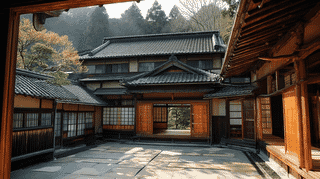
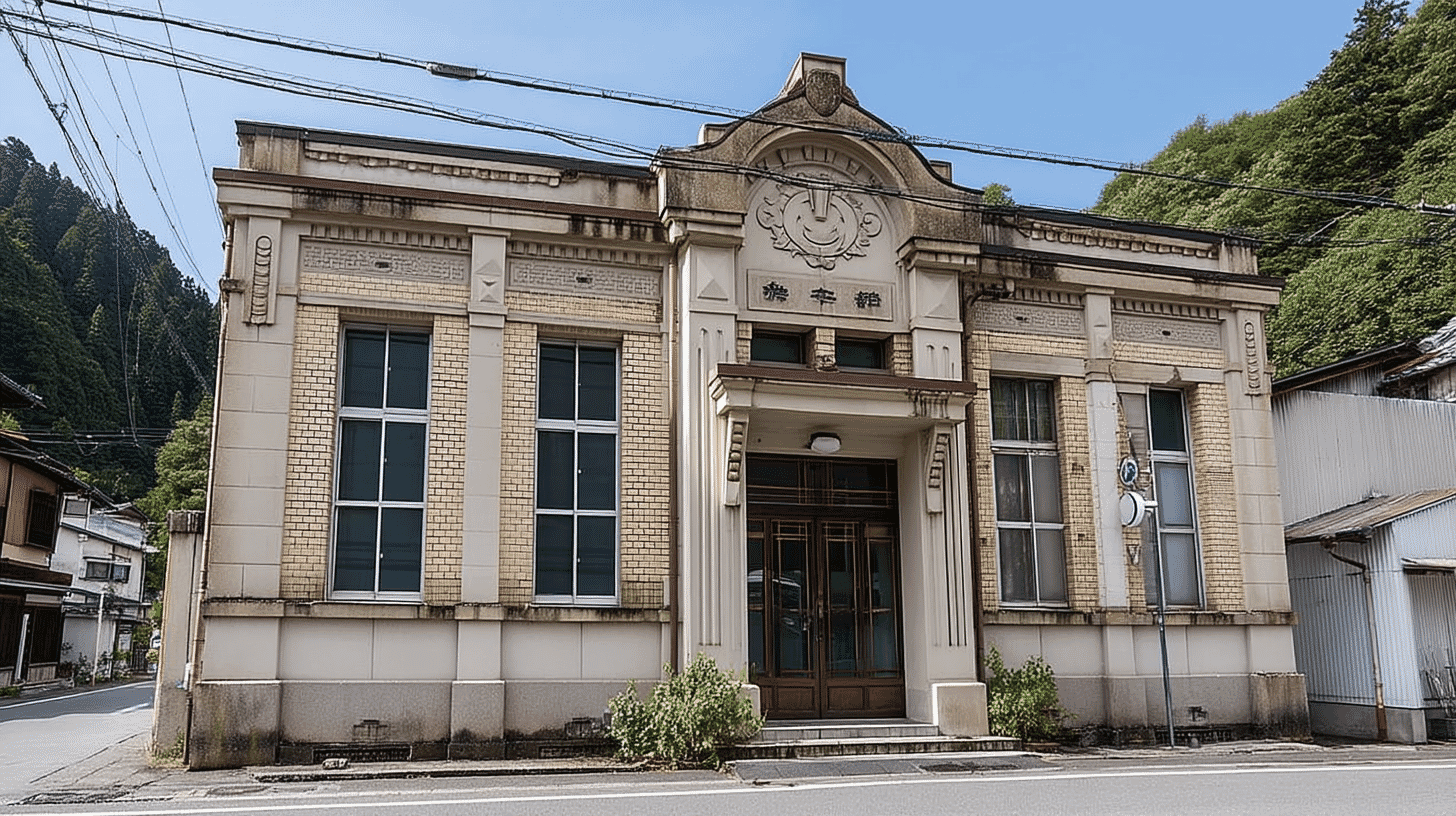
Eight Taisho- and Showa-period buildings in Tottori Prefecture. Their own floor areas there are writ...
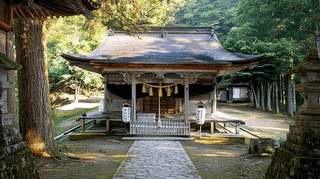
Four Edo-period shrine buildings in Tottori Prefecture. The listing here keeps an older name, while ...
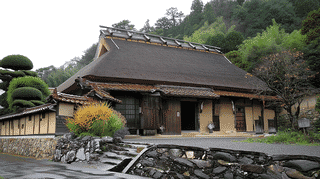
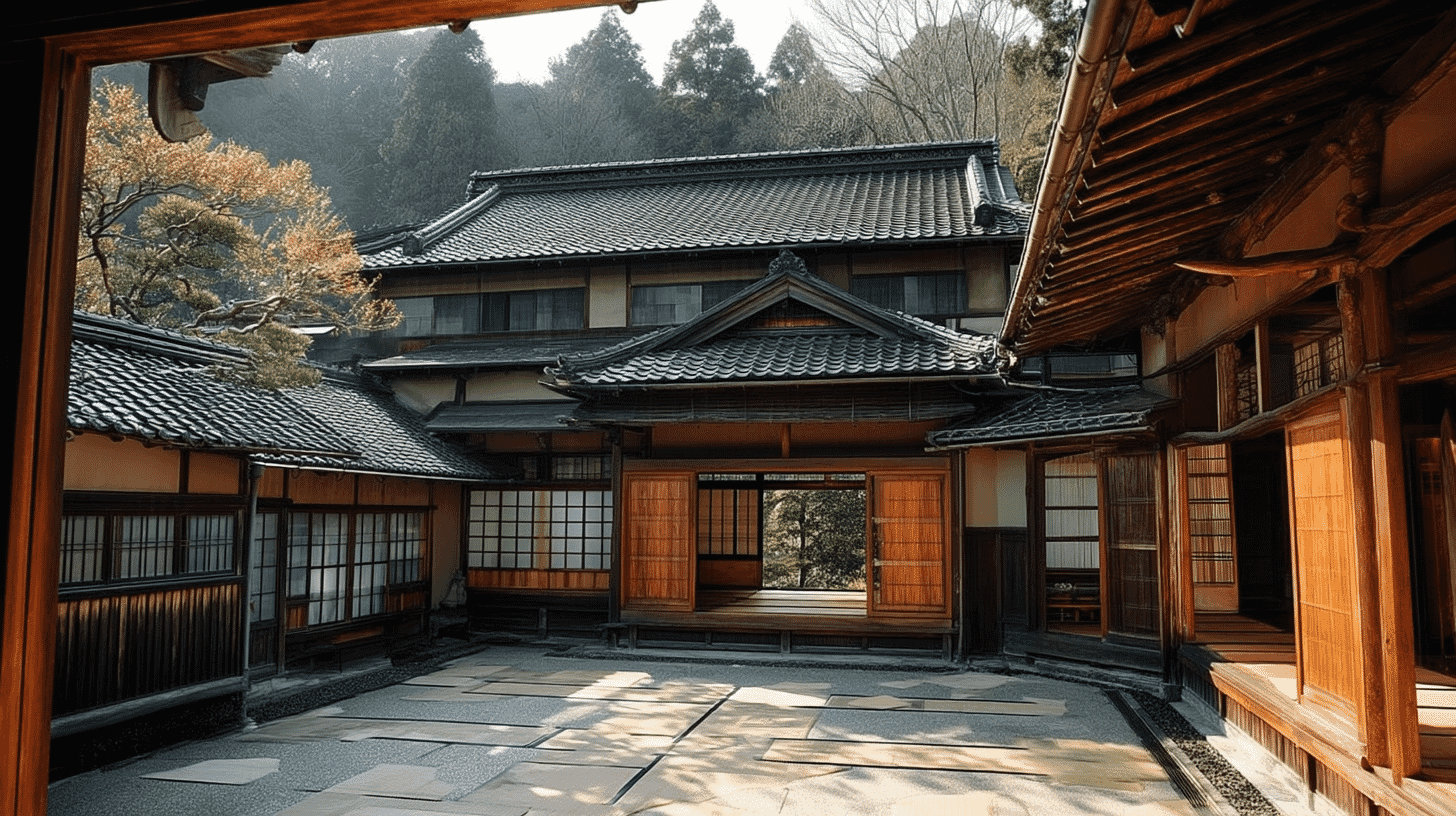
A farmhouse residence in Kagodani, Tottori Prefecture. Its own reading field there covers the bracke...
Standing on a precipitous cliff along the ascetic path of Mount Mitoku in Tottori Prefecture, the Ji...
Discover the Nōkyō-dō of Sanbutsu-ji Temple, a small but remarkable Kasuga-style Important Cultural ...
Discover Sanbutsuji Monjudo, an Important Cultural Property perched on the rocky slopes of sacred Mt...
Other Heritage
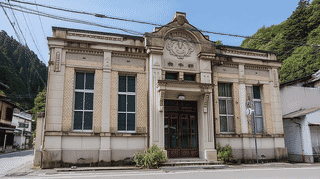
Discover the Former San'in Godo Bank Neu Branch, a beautifully preserved 1927 Western-style bank bui...
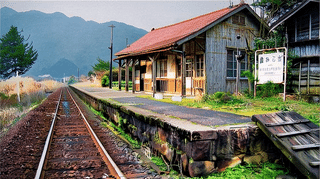
Discover Hayabusa Station, a 1929 wooden railway station in Tottori Prefecture designated as a Regis...
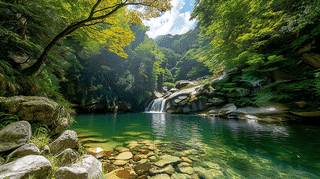
Discover Oshikakei Gorge, a national scenic beauty nestled in Tottori Prefecture. Explore ancient wa...
Step inside a 1942 wooden schoolhouse in Tottori's Chizu Town, where an 81-meter corridor, local ced...
Crowning Mount Tsurunoo (452m) in Wakasa, Tottori Prefecture, Wakasa Oniga-jo is a National Historic...
Discover Yonago Castle Ruins, a National Historic Site crowning Mount Minato in Tottori Prefecture. ...
About Tottori
Tottori Sand Dunes, part of San'in Kaigan Geopark representing Japan's largest sand dunes, spread vast sandy world 16 kilometers east-west and 2.4 kilometers north-south. Sand carried by Sendai River from Chugoku Mountains was blown inland by Japan Sea winds. Uma-no-se (horse's back) peak at approximately 50 meters elevation overlooks entire dunes. Activities including camel rides and paragliding are enjoyable, while Sand Museum displays sand sculpture artworks by international artists.
Misasa Onsen, hot spring resort boasting world-class radon content with over 1,000 years history, represents ancient hot springs. Known as radium springs, minute radiation allegedly activates cells through hormesis effects. Hot spring ryokan line Misasa River, offering seasonal valley beauty from kawadoko foot baths and outdoor baths.
Sakaiminato City, manga artist Mizuki Shigeru's hometown, serves as "GeGeGe no Kitaro" setting. Mizuki Shigeru Road features bronze statues of Kitaro and other yokai, with related facilities including Yokai Shrine, Mizuki Shigeru Museum, and Yokai Paradise. Annual Sakaiminato Yokai Festival features yokai parades and various events.
Mount Daisen, Chugoku region's highest peak at 1,729 meters as stratovolcano, possesses beautiful mountain form called "Hoki Fuji." Central presence in Daisen-Oki National Park offers beautiful scenery year-round: spring fresh greenery, summer alpine plants, autumn colors, winter hoarfrost. Daisenji Temple, ancient temple from Nara period, attracts numerous climbers and worshippers.
Uradome Coast, representative San'in Kaigan Geopark scenic spot, continues beautiful rias coastline scenery across approximately 15 kilometers. Topography featuring arches, caves, and unique rocks formed by granite sea erosion creates spectacular sightseeing boat views. High transparency seawater earned selection among Japan's 100 Best Swimming Beaches.
Tottori food culture prominently features nationally famous matsuba crab as winter delicacy. Male snow crabs called matsuba crab are caught in San'in offshore waters during November-March fishing season. Sweet meat and rich crab miso enjoy various cooking methods including boiled crab, grilled crab, and crab hot pot. Sakaiminato ranks among Japan's premier crab landing ports.
Nijisseiki pears represent Tottori Prefecture's signature specialty, comprising about 50% national production. Characterized by crispy texture and elegant sweetness, quality earned reputation "pears mean Tottori." Nashikko Museum teaches pear history and varieties.
Sand dune rakkyo, specialty cultivated in Tottori Sand Dunes, features small, firm bulbs with strong pungency through sand cultivation. Leading national rakkyo production, commonly eaten pickled in vinegar.
Inaba washi, traditional craft with over 1,300 years history, represents hand-made Japanese paper using kozo (paper mulberry) raw materials. Characterized by durability and beautiful finishes, used for shoji paper and calligraphy paper. Aoya town offers papermaking experiences.
Browse by Type
Designation categories represented in the prefecture, with counts.
Inaba Kirin Lion Dance · Inaba Takagi's Iris Tether · Entsuji Puppet Theater
Aoki Ruins · Aoya Kamiterachi Ruins · Amidaiji Burial Mounds
Kurayoshi City Utsubuki Tamagawa · Tokoro, Oyama Town · Wakasa Town Wakasa
Chizu Forestry Landscape
Kirin Lion Dance of Inaba and Tajima · Inaba Iris Tug of War · Sakutsu Tondo
Ishitani Family Garden · Ogawa Family Garden · Mt. Mani
Tenhinamenokami Shrine Heihaiden · Main Hall of Tenhinadori Shrine · Iida Family Main House
Kurayoshi's Senbakoshi and Related Materials · Saji's Tools and Products for Making Wooden Sashes · Tottori's Nijisseiki Pear Cultivation Tools
Tottori in Periods
Periods represented by designated properties in the prefecture.