Itsukushima Shrine and Seto-sea temples headline Hiroshima's heritage. Explore treasures on Miyajima and historic districts on easy ferries.
National Treasures
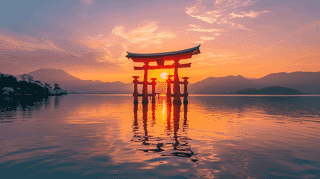
Itsukushima Shrine in Hiroshima rests on a rebuilding of 1241, its main sanctuary alone from 1571. S...
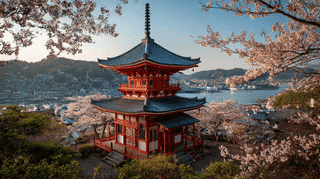
A late Kamakura pagoda in Hiroshima Prefecture. The date field reads 1319, while the commentary reco...
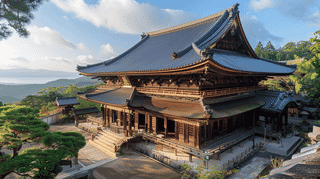
A late Kamakura-period hall in Hiroshima Prefecture. It burned in the same fire as the temple's own ...
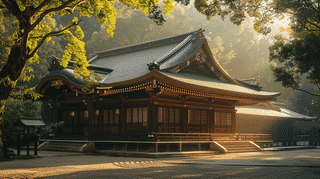
A late Muromachi-period hall in Hiroshima Prefecture. It once stood in Yamaguchi as the Buddha hall ...
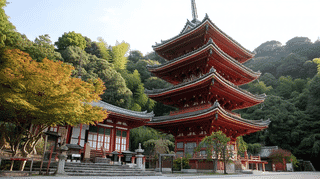
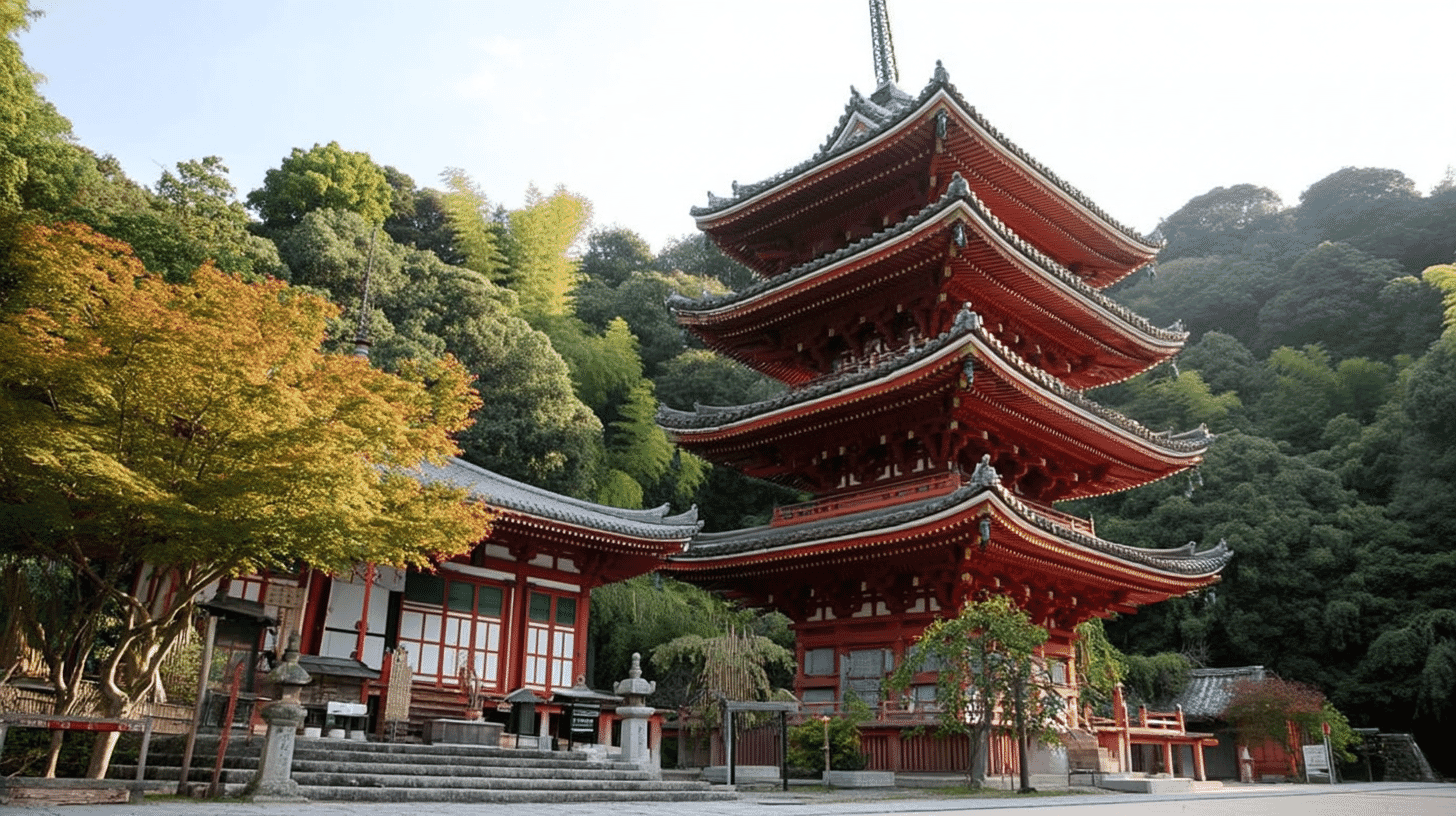
An early Muromachi-period pagoda in Hiroshima Prefecture. The image standing within it was renamed a...
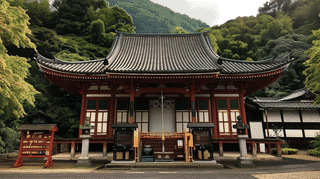
A late Kamakura-period hall in Hiroshima Prefecture. It and the temple's own pagoda took the two ste...
World Heritage Sites
Important Cultural Properties

Discover the Araki Family Residence, an Important Cultural Property in Shobara, Hiroshima. This 18th...
Discover Ankokuji Shakado, an Important Cultural Property in Tomonoura, Fukuyama. This Muromachi-per...
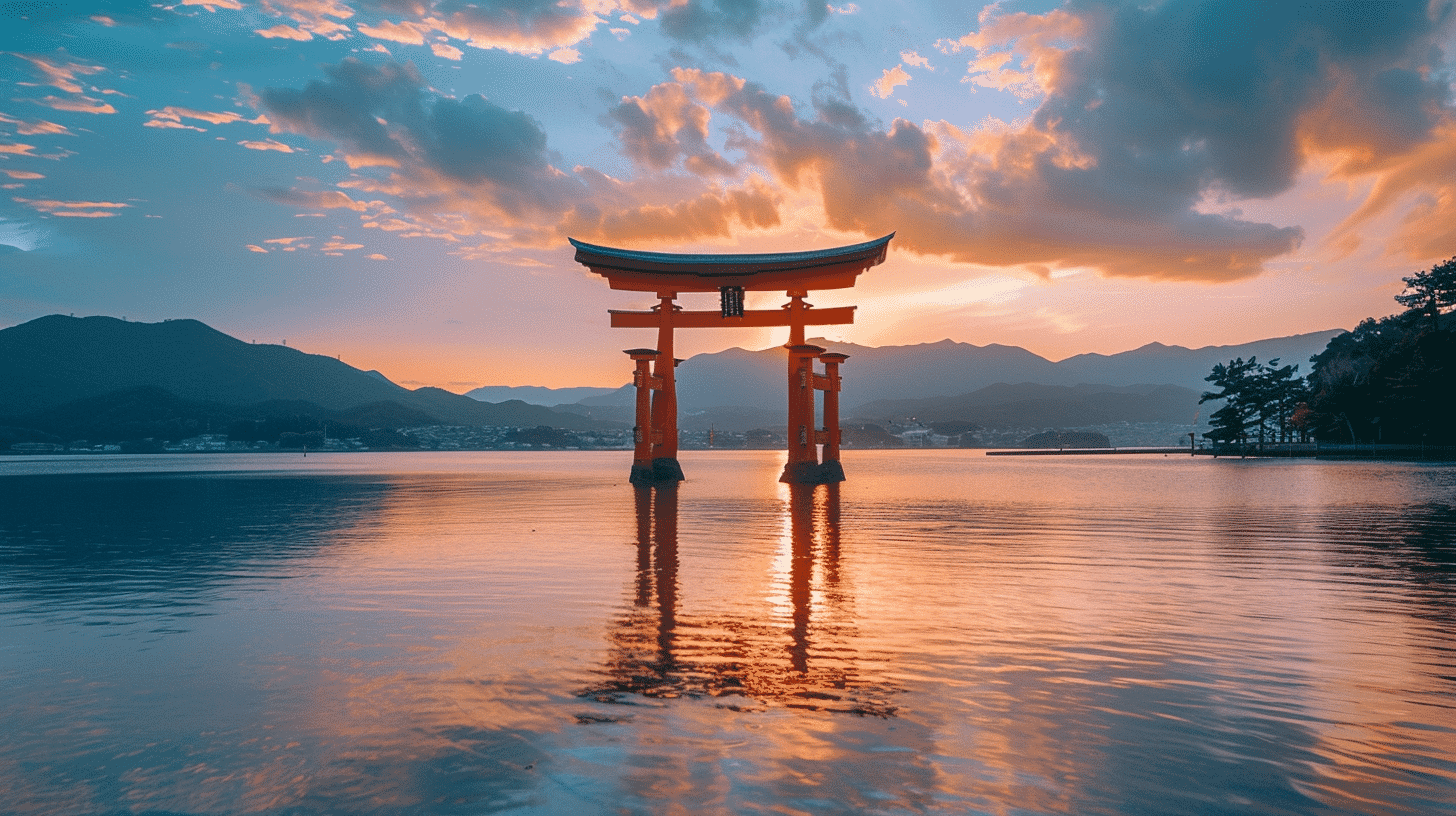
Rebuilt in 1875, the Itsukushima Shrine Great Torii is anchored by nothing: pine piles, gravel in it...
Erected in 1407 on Tonooka hill, the Itsukushima Shrine Five-Storied Pagoda hides Shingon patriarchs...
Built in 1523 in Omoto Park, this three-bay hall carries a long-board roof laid six deep in three co...
Late Muromachi and entered from the gable, this hall has a roof sweep close to straight where every ...
Other Heritage
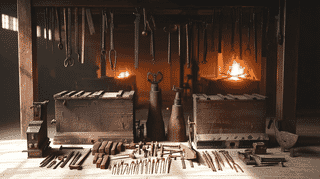
Explore the 567 pieces of traditional blacksmithing tools and products from Tomo, a historic port to...
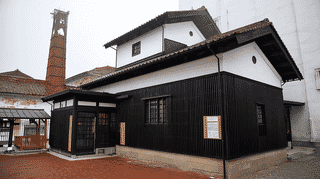
Explore Kojimaya Dozo, an 1836 Edo-period earthen storehouse in Higashihiroshima's sake brewing dist...
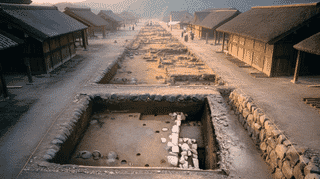
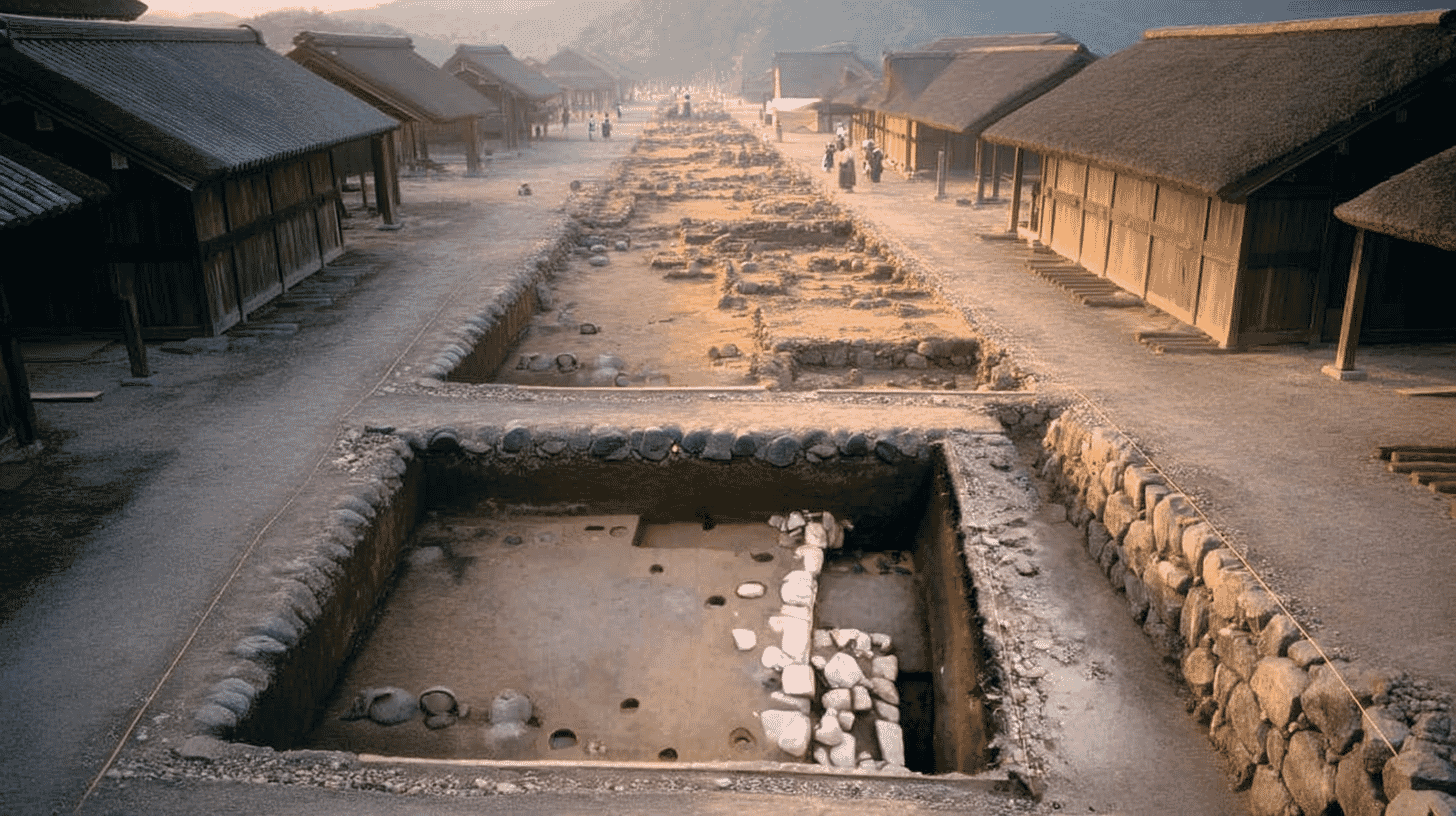
Explore the Bingo Kokufu archaeological site in Fuchu City, Hiroshima. This National Historic Site r...
Three earthen units joined into a 47-metre storehouse in Saijo, Hiroshima. Built in the Taisho era f...
Joining the passage on the west, this late-Taisho storehouse was refaced with namako-kabe under Shig...
A 24-metre brick chimney in English bond, crowned with a moulded band, rising over the white storeho...
About Hiroshima
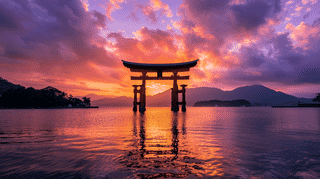
Itsukushima Shrine (registered 1996), sea-based shrine buildings on Miyajima, allegedly founded in 593, with current magnificent shrine buildings constructed by Taira no Kiyomori in 1168. Six structures including main shrine and east-west corridors are national treasures, with eleven structures and three installations including great torii and noh stage designated as important cultural properties. The vermillion great torii floating on sea with tidal changes ranks among Japan's Three Views as "Aki-no-Miyajima," with mystical beauty attracting millions of annual domestic and international visitors.
Atomic Bomb Dome (registered 1996), built as Hiroshima Prefectural Products Exhibition Hall in 1915, represents atomic-bombed structure from August 6, 1945 atomic bombing. Despite being located approximately 160 meters from ground zero, remaining exterior walls convey nuclear weapons' tragedy as "negative heritage," continuously transmitting wishes for world peace. 1996 World Heritage registration was achieved through citizen enthusiasm including 1.65 million signature campaigns.
Peace Memorial Park houses Atomic Bomb Dome alongside Peace Memorial Museum, Peace Memorial Monument, and Children's Peace Monument, with annual August 6 Peace Memorial Ceremony offering prayers for world peace. As atomic bomb survivors age, it serves as important base for transmitting peace wishes to next generations.
Miyajima, developed as Itsukushima Shrine's monzen-machi (temple town), was designated as Important Preservation District for Groups of Traditional Buildings in 2021. Mount Misen's primitive forests are designated as national natural monuments, with summit offering spectacular Seto Inland Sea views. Tourist facilities including Miyajima Aquarium and Momiji Valley Park are also well-developed.
Shukkeien Garden, daimyo garden built in 1620 by first Hiroshima domain lord Asano Nagaakira, represents pioneer among nationwide daimyo gardens. Despite central Hiroshima location, beautiful seasonal scenery is enjoyable, particularly spectacular autumn foliage illuminations.
Hiroshima Castle, flatland castle built by Mouri Terumoto, utilizes reconstructed keep as history museum. Despite atomic bombing damage, currently beloved as cherry blossom and plum viewing spot.
Hiroshima food culture prominently features nationally branded oysters, with luxury varieties including "Gokuseno" raised in Miyajima surrounding waters. Hiroshima-style okonomiyaki features distinctive style using abundant noodles and cabbage, with Miyajima offering menus utilizing local ingredients like oyster-filled varieties.
Momiji manju represents signature Miyajima souvenir, beloved for rustic flavors wrapping bean paste in castella dough. Japanese sake including Kamotsuru is also known as Hiroshima specialty.
Browse by Type
Designation categories represented in the prefecture, with counts.
Waterwheel Customs in Aki and Bingo · Customs of Tsujido in Aki and Bingo · Ato Kagura
Aki Kokubunji Temple Ruins · Loon Migratory Flocks on the Sea Surface · Ichinomiya (the Legendary Site of Sakurayama Jishun's
Mitarai, Toyomachi, Kure City · Takehara District, Takehara City · Miyajimacho, Hatsukaichi City
Hayashida in Aki · Oyama Memorial Rice Planting in Shiobara · Hiba Kojin Kagura
Funaki Family Garden · Maegaki Family Garden (Juen Garden)
Atadajima Lighthouse Museum (former Aki Shiraishi Lighthouse · Atadajima Lighthouse Museum (former Aki Shiraishi Lighthouse · Atadajima Lighthouse Museum (formerly Aki Shiraishi
Tomono Blacksmith Tools and Products
Hiroshima in Periods
Periods represented by designated properties in the prefecture.