
Kamakura
Hiroshima · 鎌倉Browse Hiroshima’s cultural heritage from the Kamakura period (1185 – 1333). Filter by type and keyword, with concise stories, maps, and travel tips.
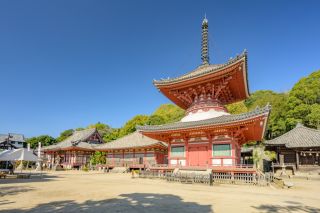
Jodoji Temple Tahoto Pagoda in Onomichi was rebuilt in 1329 after a fire. Praised for its balance and original details, it held hand-copied sutras in its spire.
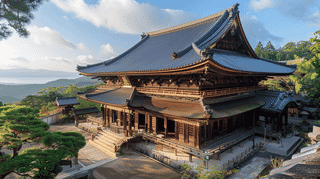
Jodoji Temple Main Hall in Onomichi, built in 1327 after a fire, is an eclectic-style hall rated among the oldest on the Seto Inland Sea. What to see inside.
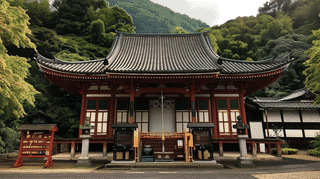
A late Kamakura-period hall in Hiroshima Prefecture. It and the temple's own pagoda took the two steps of the listing here in quite the opposite order.
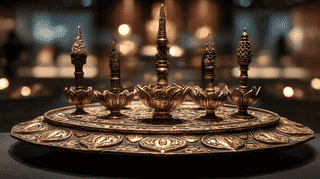
A Kamakura-period set owned by Itsukushima Shrine in Hiroshima Prefecture. Its own three vajras all lie within just nine millimetres of each other here.

Thirteen-tiered granite pagoda of 1294 at Komyobo on Ikuchijima, Onomichi, Hiroshima, 8.5 metres high and said to be erected by the monk Ninsho; free to visit.
Jodoji Temple Sutra Stupa in Onomichi is a 1278 stone stupa, the oldest dated monument at the temple, raised by a merchant's son with sutras sealed inside.
A late Kamakura great armor with helmet and shoulder guards at Itsukushima Shrine, Hiroshima, a National Treasure since 1951, elegant in form and colour.
A 13th-century tachi by Kunimune, a founder of Kamakura swordsmithing, with a flamboyant temper line of round-headed choji; a National Treasure in Fukuyama.
A 13th-century tachi by Norifusa of the Ichimonji school, with a flamboyant choji temper line, given by shogun Tsunayoshi in 1707; a National Treasure at Fukuyama.
A 13th-century tachi by Yoshifusa of the Fukuoka Ichimonji school, with its original tang and a flawless choji temper line; a National Treasure in Fukuyama.
A 13th-century dagger by Shintogo Kunimitsu, founder of Kamakura swordsmithing, named after its owner Gamo Ujisato of Aizu; a National Treasure in Fukuyama.