
Five-story pagodas, samurai academies, and Hagi's townscape define Yamaguchi. See key properties with coastal drive suggestions.
National Treasures
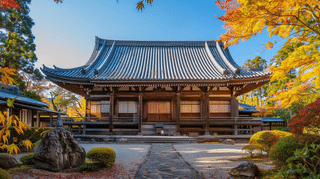
A late Kamakura-period hall in Yamaguchi Prefecture. Its own pillars went up in 1320, a good seven y...
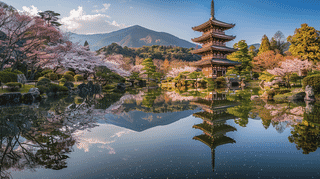
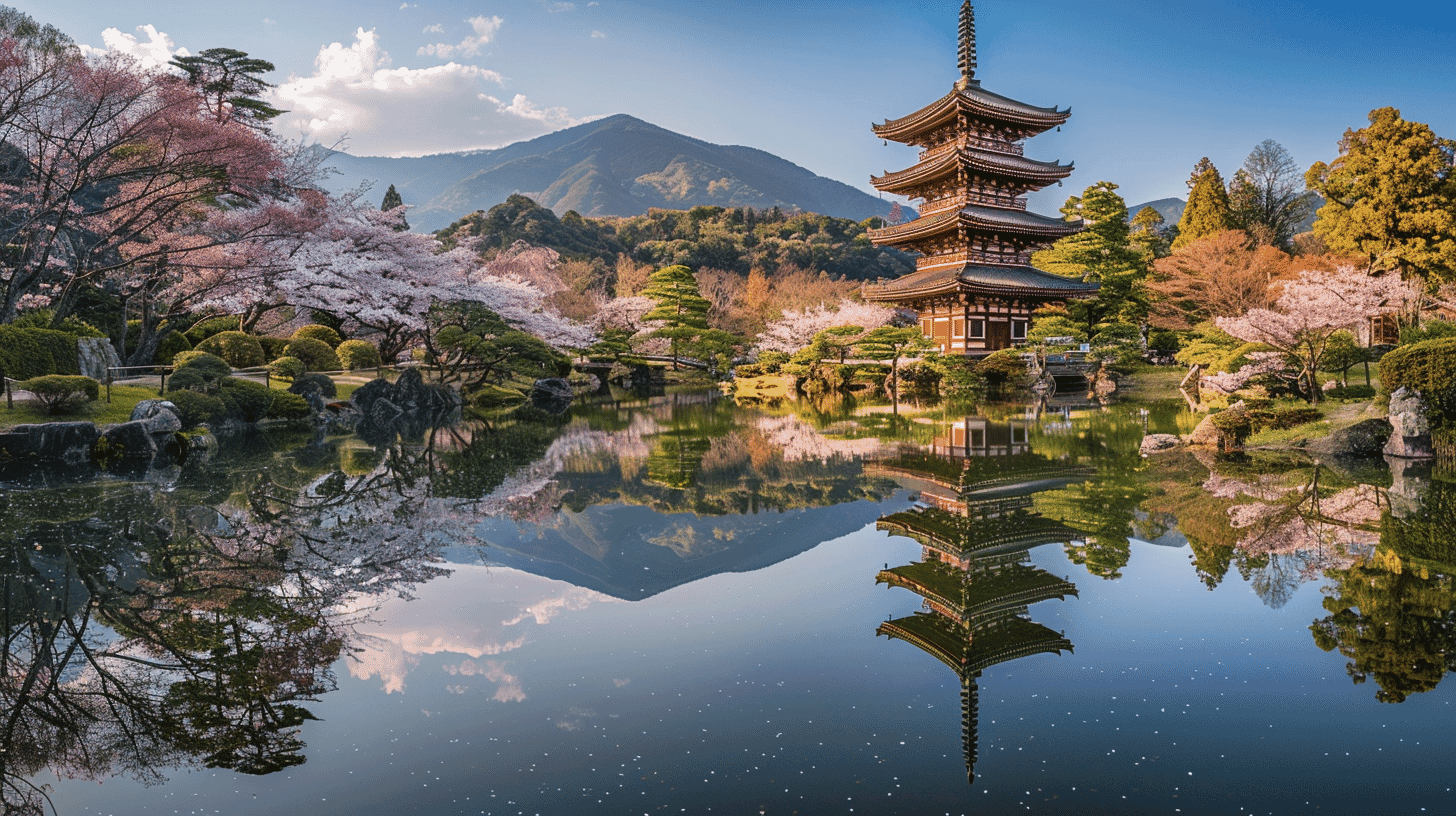
The pagoda at Rurikoji in Yamaguchi dates from about 1442. Slender above the third tier, it holds a ...
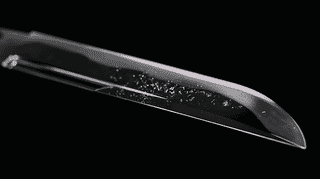
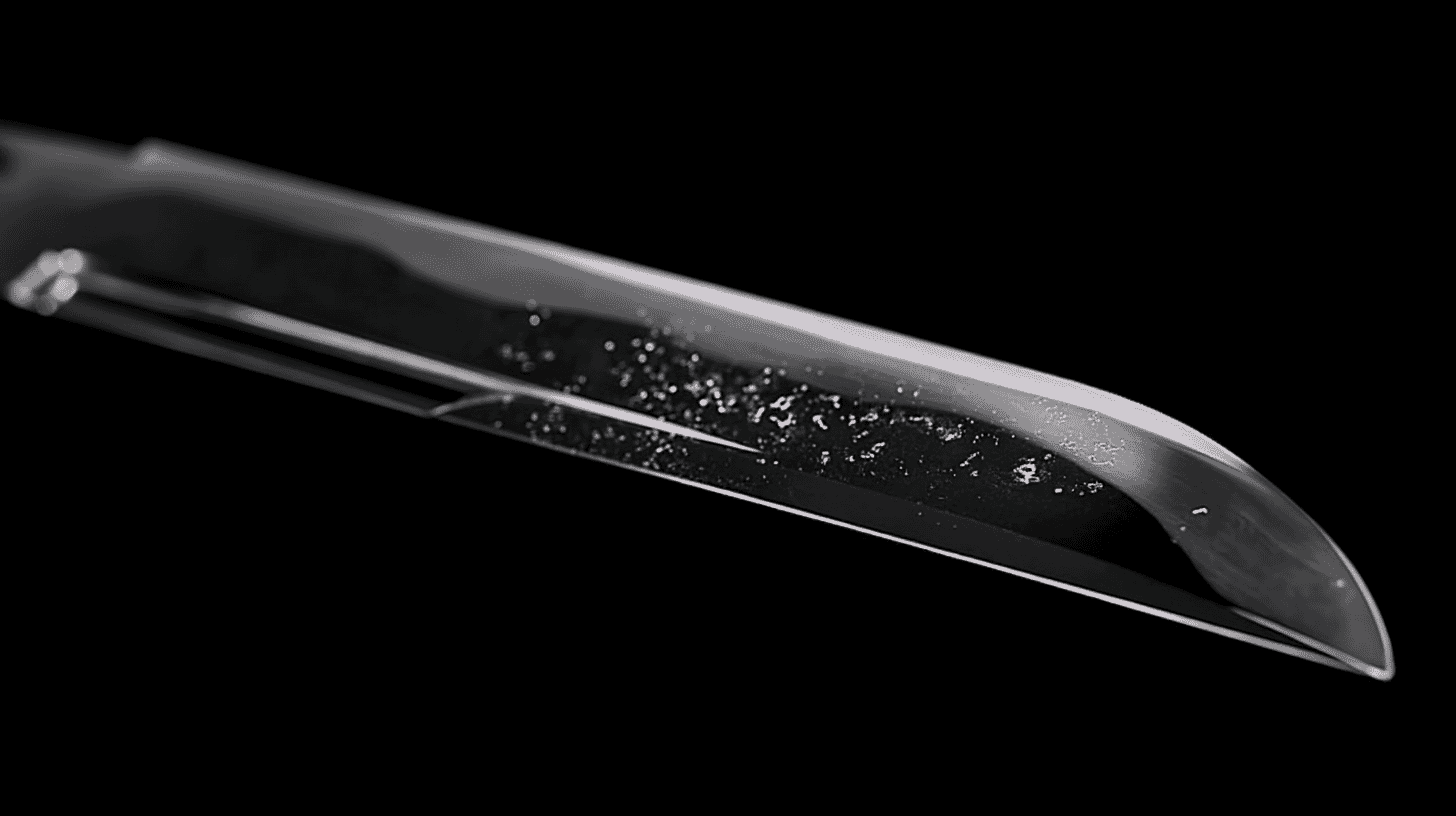
A Kamakura-period waist sword in Yamaguchi Prefecture. Its name comes from the chrysanthemums carved...
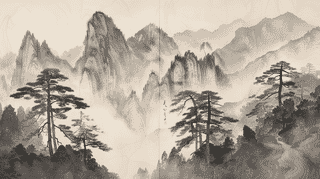
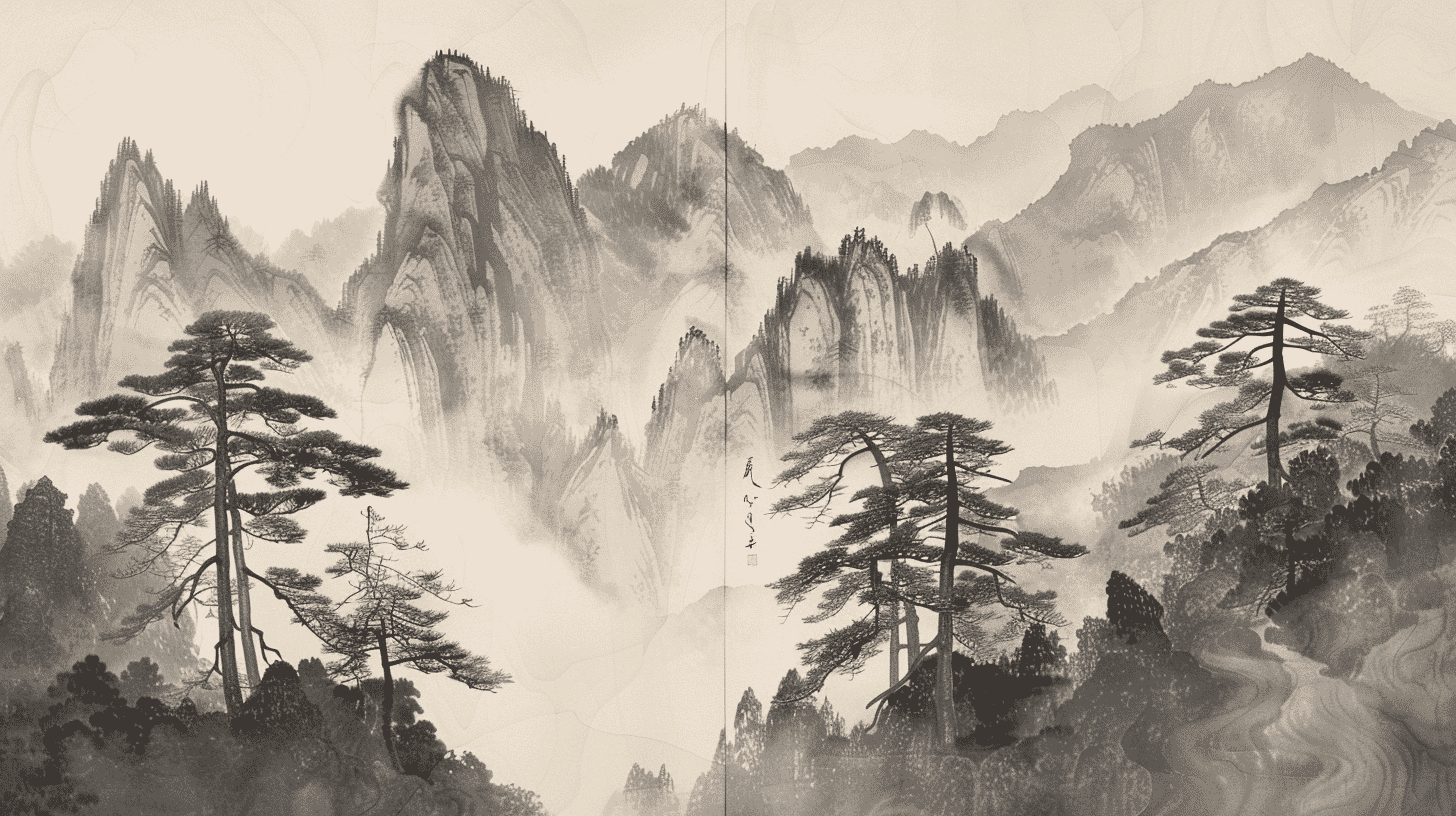
A handscroll by Sesshu in Yamaguchi Prefecture. A scroll held in Kyoto calls this one the long lands...

Discover the National Treasure main hall of Sumiyoshi Shrine in Shimonoseki, Yamaguchi. Built in 137...
The Inaba Go, a National Treasure held by the Kashiwabara Art Museum in Iwakuni, Yamaguchi, is a Nan...
Important Cultural Properties
Ima-Hachimangu Romon is a gate you cannot walk through; its floored wings serve as the worship hall....
On the wooded summit of Mount Iwaki in Yamaguchi, this Shinto hall dates to 1469. Its hip-and-gable ...
The Ube City Watanabe-O Memorial Hall (1937), an Important Cultural Property by Murano Togo, was bui...
Discover Gatsurinji Yakushido, an Important Cultural Property in Yamaguchi City. Built in 1189 by th...
Discover Kikuya Family Residence in Hagi, Yamaguchi — one of Japan's oldest surviving merchant house...
The Former Onoda Cement Manufacturing Company Vertical Kiln (Tokkuri-gama) in Sanyo-Onoda City, Yama...
Discover the Kasho Ship Flag and Noshima Murakami Family Documents, an Important Cultural Property r...
An Important Cultural Property at Jōei-ji, Yamaguchi: a rare gold-rich portrait of the Zen abbot Ish...
A silk portrait of the ink master Sesshu by Unkoku Toeki, who claimed to be his fourth-generation he...
This 16-meter handscroll at Hōfu's Mōri Museum is Unkoku Tōeki's copy of Sesshū's National Treasure ...
A paper scroll of 1200 listing the paddies and fields of Amidaji in Suō, with a roster of resident p...
A 1195 scroll fixing the boundaries of Miyano Estate in Suō, sealed by Chōgen, who rebuilt Nara's Gr...
Other Heritage
The Kuniyasu Family Residence in Iwakuni, Yamaguchi Prefecture, is a National Registered Tangible Cu...
Sansuien Main Building is a nationally registered tangible cultural property hot spring inn in Yuda ...
The Somon of Kozanji Temple in the historic castle town of Chofu, Shimonoseki, is a Zen-style four-l...
Creative Space Akarenga in Yamaguchi City is a red brick building constructed in 1918 as a book stor...
Sami Bridge in Hagi City, Yamaguchi Prefecture, is a single-arch stone bridge completed in 1914 duri...
Kinunkaku is a tower-style ema hall (votive tablet hall) built in 1885 within Kikko Park in Iwakuni ...
About Yamaguchi
Among "Sites of Japan's Meiji Industrial Revolution" (registered 2015), Hagi area features five component assets: Hagi Castle Town, Shokasonjuku Academy, Hagi Reverberatory Furnace, Ebisugahana Shipyard, and Ohitayama Tatara Iron Works. Hagi Castle Town's 96.9-hectare registration area comprises three districts - Hagi Castle ruins, former upper-class samurai residential area, and former townspeople's residential area - representing regional society that became Japan's industrialization and modernization origin from Bakumatsu through Meiji Restoration.
Shokasonjuku Academy, private school presided over by Yoshida Shoin, produced Meiji Restoration protagonists including Takasugi Shinsaku, Kido Takayoshi, and Ito Hirobumi. Despite brief 1 year 3 months operation, it attracts numerous visitors as educational sacred ground greatly influencing Japan's modernization.
Ruriko-ji Five-Story Pagoda, national treasure built in 1442 during Muromachi period, narrates Yamaguchi history called "Kyoto of the West" as Ouchi culture symbol. The 31.2-meter elegant tower displays beautiful forms year-round - spring cherry blossoms, summer fresh greenery, autumn colors, winter snow scenes - ranking among Japan's three great towers.
Kintai Bridge, wooden five-arch bridge created in 1673 by Iwakuni domain lord Kikkawa Hiroie, ranks among Japan's three great bridges. The approximately 200-meter span over clear Nishiki River features precise, innovative arch structure evaluated even by modern bridge engineering. Beautiful seasonal scenery includes spring cherry blossoms, summer cormorant fishing, autumn foliage, winter snow scenes, with illumination events.
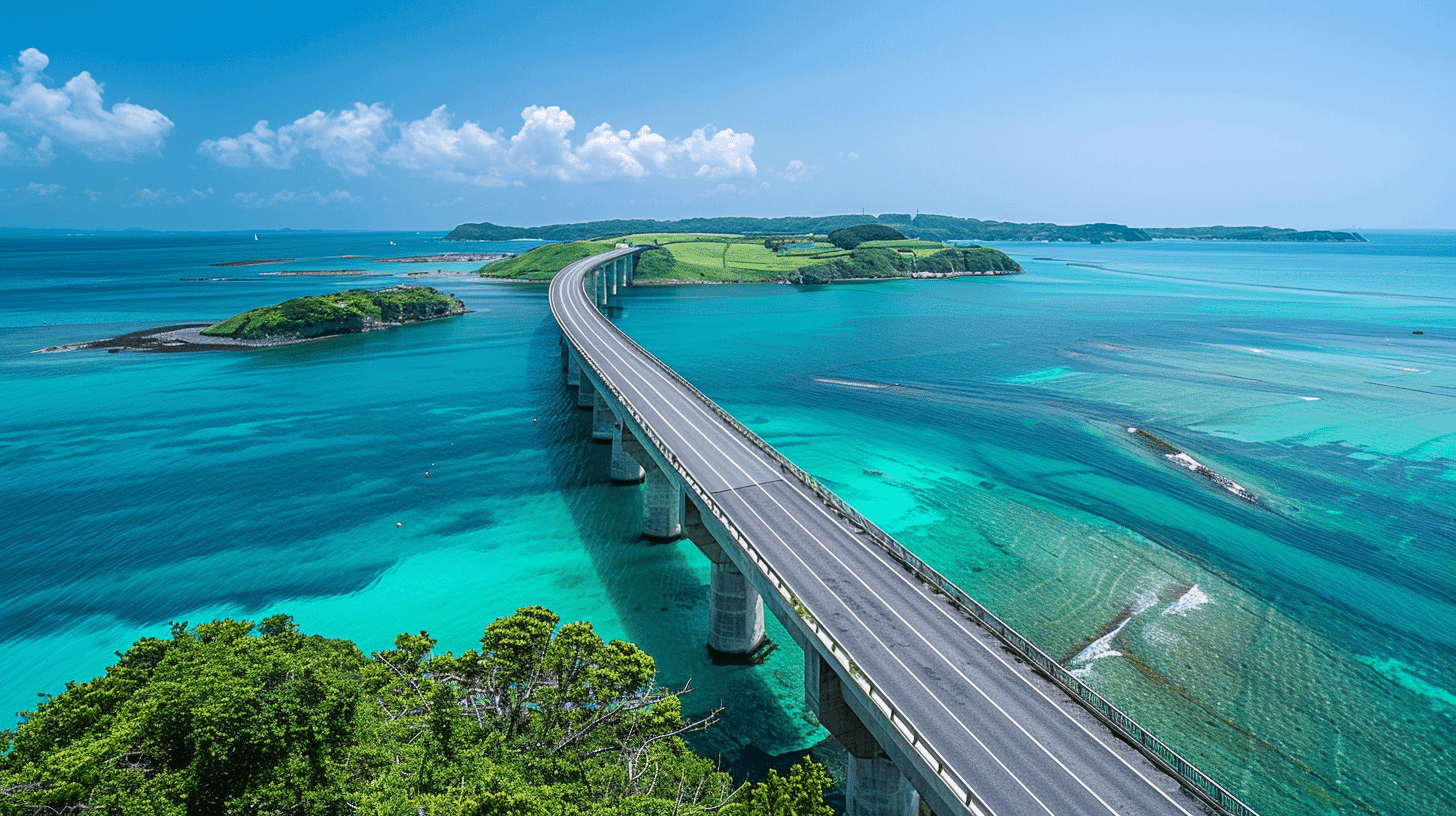
Tsunoshima Bridge, 1,780-meter span opened in 2000, attracts recent attention for spectacular scenery spanning cobalt blue seas. Used for commercial and film locations, it enjoys popularity as Instagram-worthy spot.
Akiyoshidai represents Japan's largest karst plateau, with magnificent scenery featuring white limestone pillars scattered across approximately 300 square kilometers. Underground Akiyoshido Cave offers approximately 10-kilometer limestone cave tours viewing beautiful stalactite groups including "Hyakumai-zara" and "Ogon-bashira".
Shimonoseki City, transportation hub connecting Honshu and Kyushu, leads Japan in fugu (blowfish) handling volume. Karato Market displays fresh seafood, enabling enjoyment of Kanmon Strait blessings centered on fugu cuisine. Serves as gateway connecting Honshu and Kyushu via Kanmon Bridge and Kanmon Tunnel.
Nagato-Yumoto Onsen, hot spring resort with approximately 600 years history, features atmospheric hot spring towns along Otozure River. Motonosumi Shrine attracts attention as spectacular spot with 123 vermillion torii gates facing the sea.
Yamaguchi Prefecture food culture prominently features kawara-soba specialty cuisine, enjoyed through unique eating style placing tea soba and ingredients on heated roof tiles. Summer oranges, citrus originating in Hagi City, feature refreshing acidity. Nagato chicken yakitori and Sea of Japan seafood are also abundant.
Browse by Type
Designation categories represented in the prefecture, with counts.
Akasaki Shrine Dedication Performance · Iwakuni Nanjo Dance · Mackerel Delivery in the Kitaura Region
Akiyoshidai · Akiyoshido Cave · Chinese Pears from Ashitanosho
Hagi City Sasanami City · Hamasaki, Hagi City · Heianko District of Hagi City
The Cultural Landscape of Kintai Bridge and Iwakuni Castle
Azuki Shinmei Festival · Iwakuni Yukinami Divine Dance · Jifuku Toy Toy
Kanyoji Garden · Sansuien Garden · Tokiwa Park
Akama Shrine Suitenmon Gate and Corridor · Iwakuni Chokokan Museum · Iwakuni Museum of Ancient Art, First Storage Facility
Toyokita Fishing Equipment
Yamaguchi in Periods
Periods represented by designated properties in the prefecture.