
Kamakura
Yamaguchi · 鎌倉Browse Yamaguchi’s cultural heritage from the Kamakura period (1185 – 1333). Filter by type and keyword, with concise stories, maps, and travel tips.
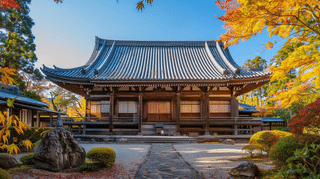
A late Kamakura-period hall in Yamaguchi Prefecture. Its own pillars went up in 1320, a good seven years before the temple that now holds it was founded.
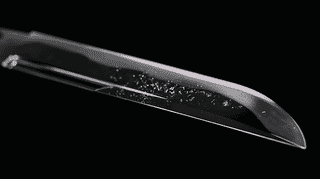
A Kamakura-period waist sword in Yamaguchi Prefecture. Its name comes from the chrysanthemums carved upon the hilt of it, and not upon the blade itself.

A paper scroll of 1200 listing the paddies and fields of Amidaji in Suō, with a roster of resident provincial officials, including forebears of the Ōuchi warlords.
A 1195 scroll fixing the boundaries of Miyano Estate in Suō, sealed by Chōgen, who rebuilt Nara's Great Buddha Hall. It ties a quiet farming valley to Tōdaiji.
The Tetsuin (Iron Seal) inscribed with 'Tōdai-ji' is a Kamakura-period iron branding stamp used to certify timber for the reconstruction of Tōdai-ji temple in Nara. Preserved at Amida-ji Temple in Hōfu City, Yamaguchi Prefecture, this Important Cultural Property bears witness to the massive medieval reconstruction effort led by the monk Chōgen over 800 years ago.
Housed at the Kikkawa Museum in Iwakuni, Yamaguchi, this National Treasure tachi was forged in the early Kamakura period by Tamenji of the Ko-Aoe school. Carried by Kikkou Kojiro Tomokane, ancestor of the Kikkawa clan, at the 1200 Battle of Kitsunegasaki against the Kajiwara clan — an event recorded in the Azuma Kagami — the blade survives in remarkably pristine condition together with its original black-lacquered leather-wrapped mounting.
A National Treasure at Amidaji in Hofu, this 1197 cast-iron pagoda was made for Chogen's rebuilding of Todaiji and enshrines a crystal stupa holding a Buddha relic.