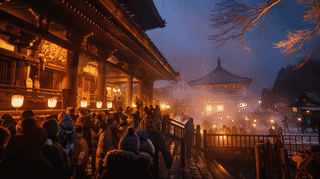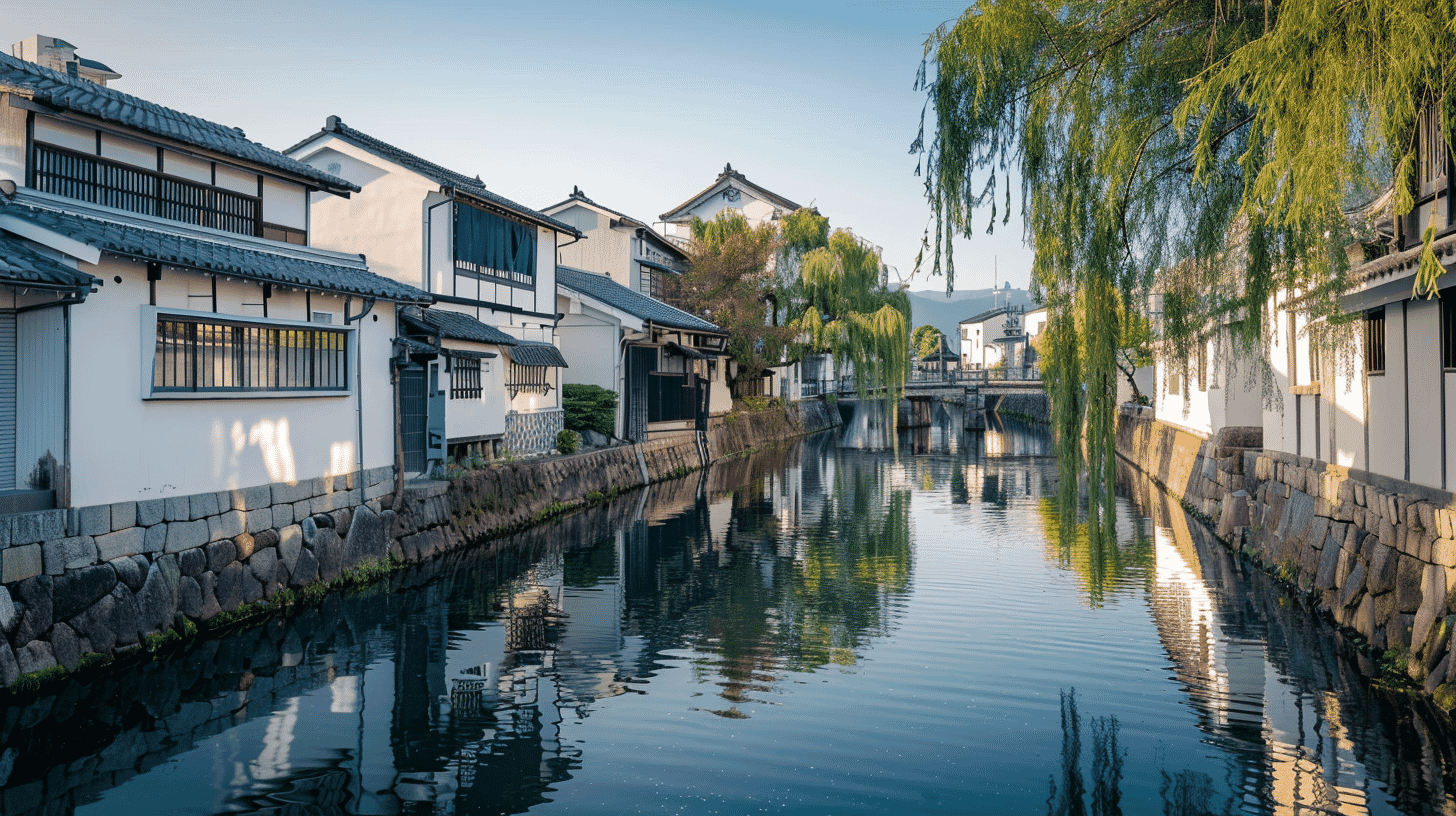
Kōrakuen, Kurashiki's merchant quarter, and mountain temples highlight Okayama. Browse properties with canal-walk tips.
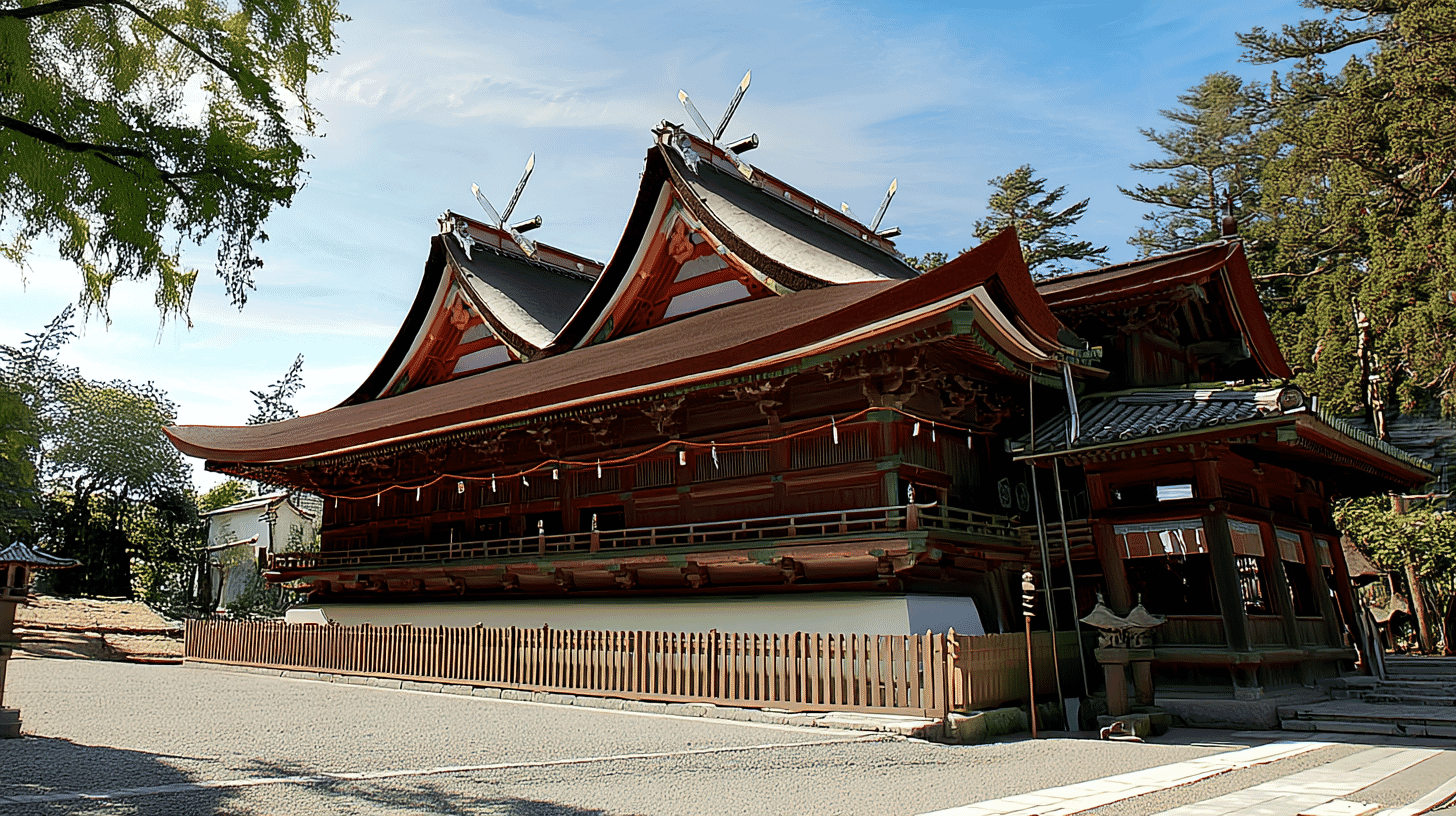
National Treasures
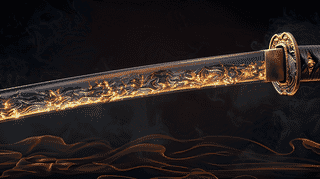
A Kamakura tachi owned by Setouchi City in Okayama, made by the Ichimonji smiths of Bizen. It descen...
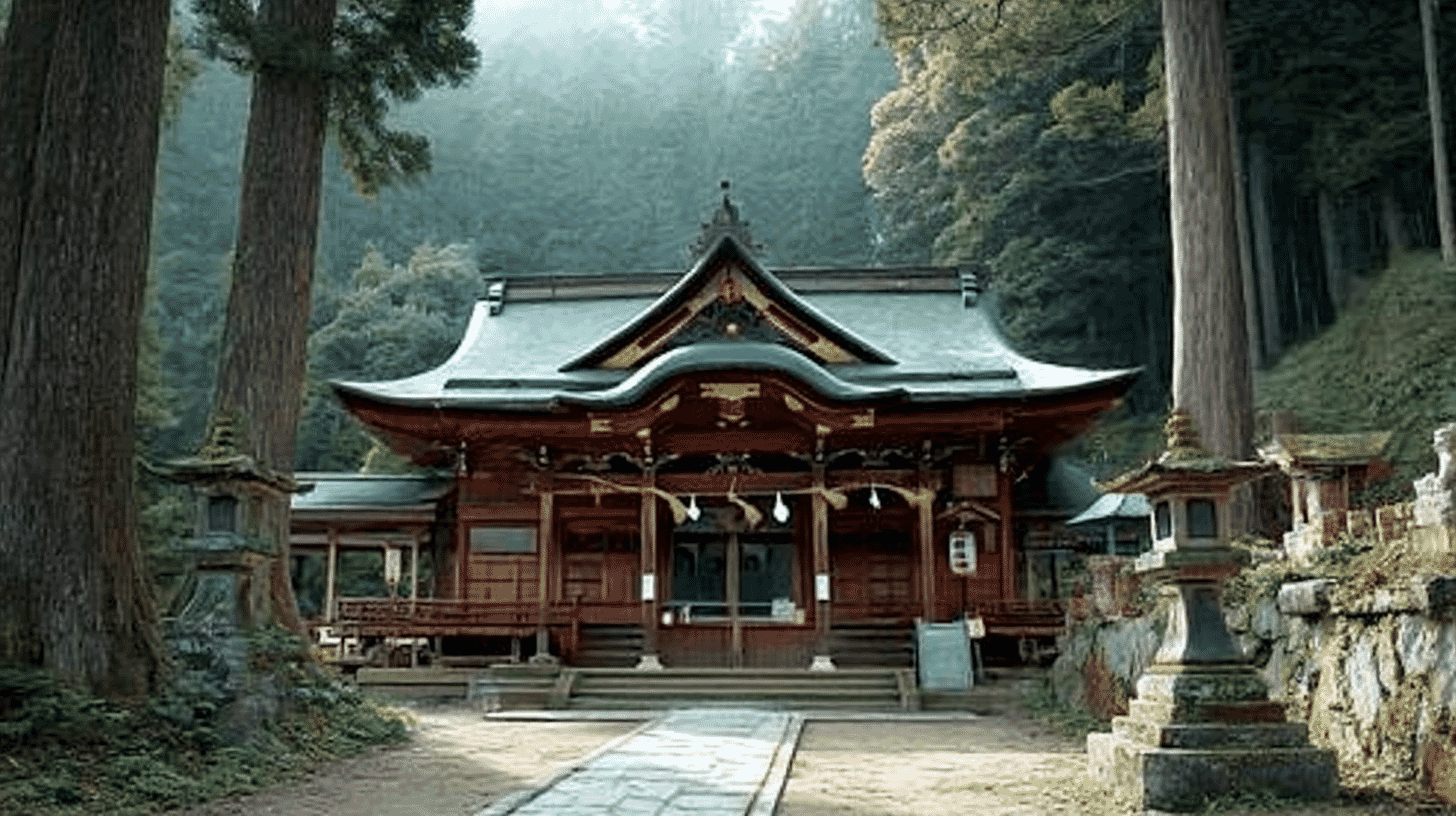
The halls of Kibitsu Shrine in Okayama were rebuilt in 1425 by Ashikaga Yoshimitsu. Two hip-and-gabl...
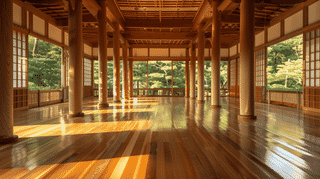
A local school begun in 1666 by Ikeda Mitsumasa in Bizen, Okayama. Its lecture hall of 1701, roofed ...

Discover the National Treasure 'Portrait of a Court Lady' (Kyūjo-zu), a Yuan Dynasty masterpiece dep...
Discover the National Treasure "Landscape in Ink and Light Color on Paper" by Sesshū Tōyō, one of Ja...
Discover the Aka-gawa Odoshi Yoroi, a National Treasure of Japan housed at the Okayama Prefectural M...
Important Cultural Properties
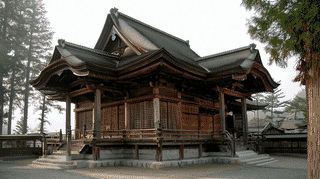
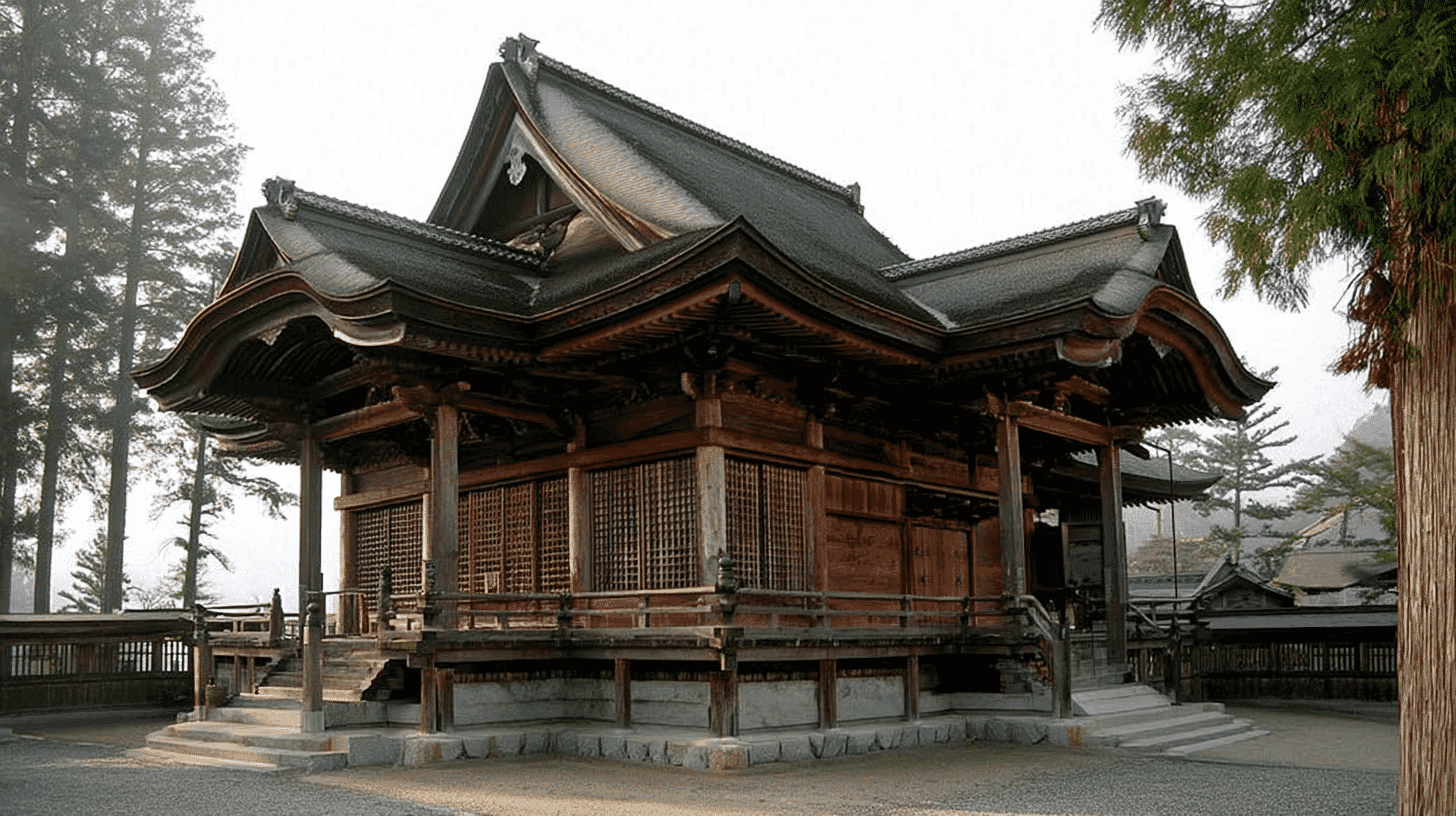
A shrine hall in Tsuyama, Okayama, entered from the gable end. The Agency dates it to 1657; the shri...
Former Inukai Family Residence in Okayama City is the tiled farmhouse where Inukai Tsuyoshi was born...
Inoue Family Residence is the oldest townhouse in Kurashiki's Bikan district, its 1721 frame confirm...
Six buildings of the Former Okuni Family Residence in Wake, Okayama, became an Important Cultural Pr...
Discover the Otakisan Three-Storied Pagoda, an Important Cultural Property dating from 1441, nestled...
The Ohashi Family Residence in Kurashiki, Okayama, built between 1796 and 1799, became an Important ...
Preserved in Okayama Prefecture, this Important Cultural Property is a katana forged in 1674 by the ...
The Kinzanji Monjo, preserved at the ancient temple of Kinzanji in the mountains north of Okayama Ci...
A National Important Cultural Property owned by Hokoji Temple in Ushimado, Setouchi City, Okayama. T...
Preserved at Chofuku-ji Temple in Mimasaka City, Okayama Prefecture, the Two-Realms Mandala on Silk ...
The Sansai Jar reportedly excavated in Okayama Prefecture is a Japanese Important Cultural Property ...
The library of the commoners' school at Shizutani: 4,041 books and objects from the Bunko of 1677, a...
Other Heritage
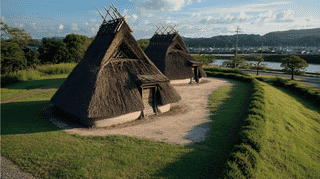
A settlement site in Setouchi, Okayama, running from the early Yayoi to the Kamakura period. Its she...
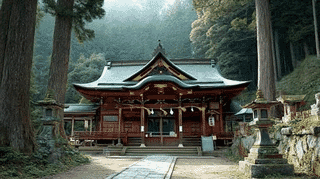
A shrine hall of 1919 in Maniwa, Okayama, just 12 square metres. Its walls are laid in two layers, w...
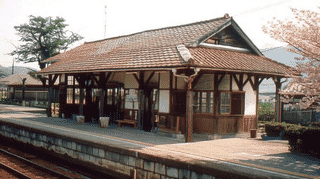
A single-storey timber station of 1900 in Okayama, 84 square metres. Of its seven bays, two and a ha...
The 1735 Buddha Hall at the heart of Hofukuji in Soja, Okayama: a Zen hall with fan rafters and roun...
Discover the Former Yamate Village Office (Kyū Yamate-son Yakuba), a nationally registered tangible ...
The late-Edo abbot's quarters of Hofukuji in Soja, Okayama: the largest building on the grounds at 4...
About Okayama
Korakuen Garden represents Edo period's premier stroll-style daimyo garden, with construction begun in 1687 by Okayama domain lord Ikeda Tsunamasa through retainer Tsuda Nagatada, completed in 1700. The 13-hectare vast site features lawns, ponds, artificial hills, and teahouses connected by garden paths and waterways, enabling visitors to enjoy changing scenery while walking. The approximately 640-meter Kyokusui stream circulates throughout grounds, creating spectacular views harmonizing seasonal flowers with borrowed scenery of Okayama Castle.
Okayama Castle, hirayama castle built in 1597 by Ukita Hideie under Toyotomi Hideyoshi's guidance, is nicknamed "Crow Castle" for its black lacquer exterior. Featuring rare unequal pentagonal 3-story 6-floor composite watchtower-style keep, it became home to Kobayakawa Hideaki after Battle of Sekigahara, later ruled by Ikeda family. Current keep is reconstructed but evokes Edo period majesty through beautiful castle complex.
Kibitsu Shrine, ancient shrine associated with Momotaro legend, features 16th-century main hall and worship hall designated as national treasures for unique "Kibitsu-zukuri" architectural style. Ancient burial mounds and historic sites scattered throughout Kibi Plateau enable visitors to experience ancient Kibi Kingdom historical romance.
Kurashiki Bikan Historical Quarter preserves Edo period merchant town atmosphere through beautiful streetscapes of white-walled warehouse buildings and willow-lined canals, with Ohara Museum displaying Western masterpieces. Kojima district is known as Japanese denim birthplace.
Okayama Prefecture, nationally famous as "Fruit Kingdom," leads Japan in white peach and Muscat of Alexandria production. White peaches, carefully cultivated with individual fruit bagging, feature juicy, smooth texture with elegant sweetness. Muscat, called "Queen of Fruits," attracts with beautiful transparent green color and rich aroma as luxury fruit.
Local confections prominently feature "kibi-dango" associated with Momotaro legend, beloved for chewy texture and refined sweetness. "Oteman-ju" represents over 150-year historical confection featuring refined azuki bean paste wrapped in thin skin for rustic flavors.
Bizen-yaki, traditional craft with over 1,000 years history, represents pottery treasured for tea utensils and artworks utilizing natural soil textures without glazing. Seto Inland Sea small fish "mamakari" is enjoyed pickled or simmered, named for being so delicious that families would borrow "mama" (rice) from neighbors when used as side dish.
Browse by Type
Designation categories represented in the prefecture, with counts.
Omiya Dance · The Customs of Eyo in Okayama Prefecture · Karako Dance and Tachi Dance
Ikakudani · Insho Castle Ruins (the Legendary Site of Kojima Takanori) · Urama Chausuyama Tomb
Kurashiki Riverside, Kurashiki City · Takahashi City Fukiya · Josai, Tsuyama City
Omiya Dance · Saidaiji Temple Eyo · Shiraishi Dance
Former Kajimura Family Garden · Shimizu Family Garden
Akaiwa City Yoshii Local History Museum (former Nihori · Akebono Ryokan · Ibara Civic Hall Annex
Stonemason Tools from Kitagishima · Gohara Lacquerware Production Tools
Okayama in Periods
Periods represented by designated properties in the prefecture.