
Aomori's Jōmon archaeology and Nebuta culture meet temples and castles. Explore National Treasures, Important Cultural Properties, and practical routes for your trip.
National Treasures
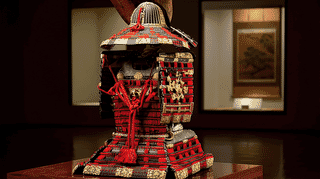
A Kamakura-period armour in Aomori Prefecture. It and a National Treasure of the same name over in N...
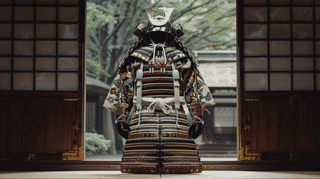
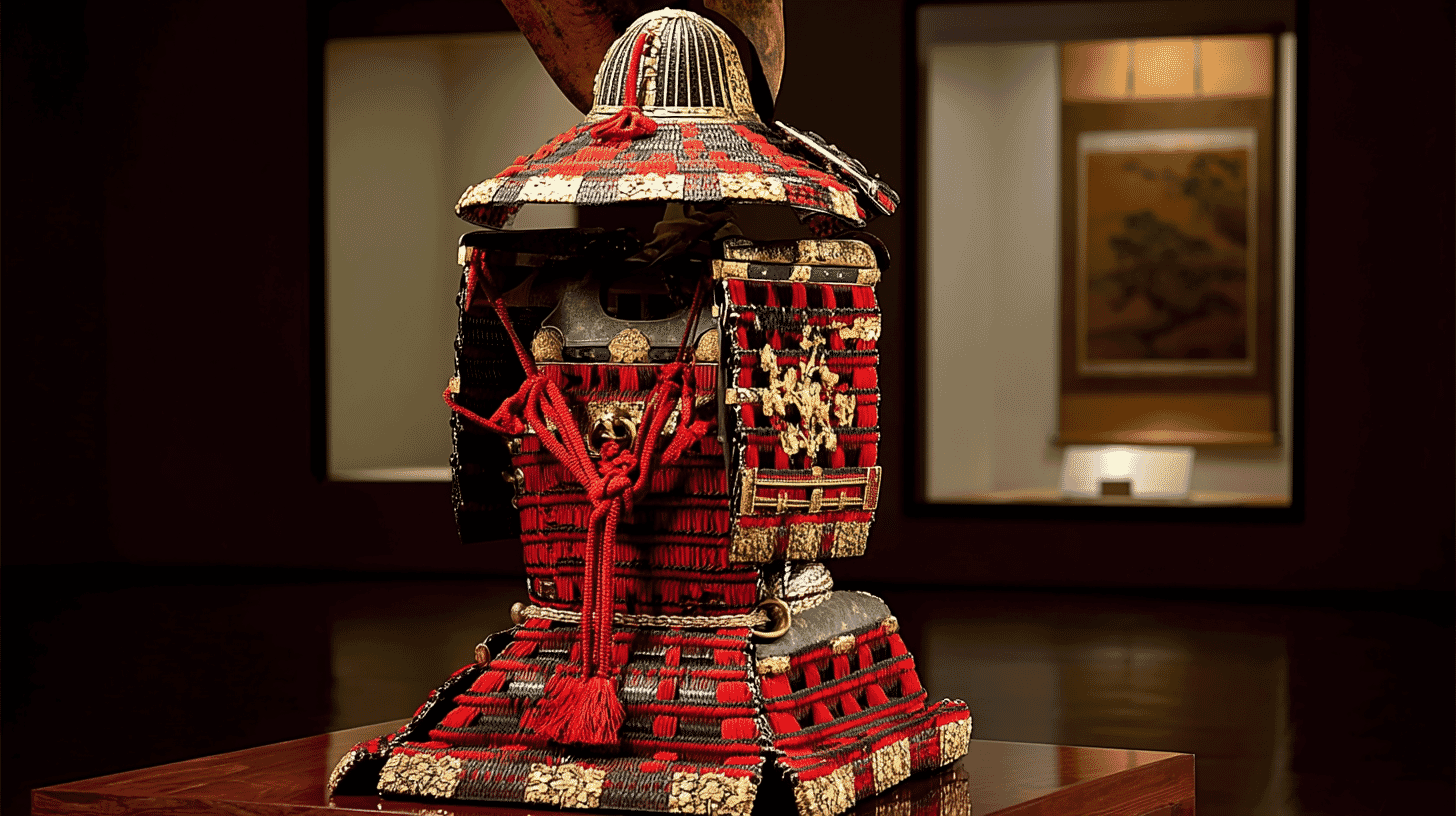
A Nanbokucho-period armour in Aomori Prefecture. It and the shrine's other armour together took both...
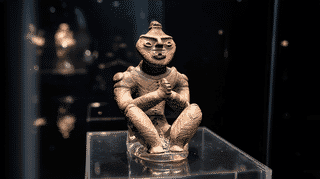
A late Jomon-period figurine in Aomori Prefecture, mended with the natural asphalt by the people of ...
Important Cultural Properties

The Ishiba Family Residence, located opposite the Kameoka Gate of Hirosaki Castle in Aomori Prefectu...
Iwakiyama Shrine's worship hall in Aomori began as a Buddhist temple's main hall, built 1603 to 1640...
Iwakiyama Shrine's Romon in Aomori is a vermilion five-bay tower gate built in 1628 as a Buddhist te...
The Edo Family Residence in Gonohe, Aomori, was home to rural samurai of the Nanbu domain. The large...
At Engaku-ji in Fukaura, Aomori, this cabinet-shrine of 1506 holds the Medicine Buddha. A one-bay, Z...
The Former Ōminato Water Source Waterworks Facility in Mutsu City, Aomori Prefecture, is an Importan...
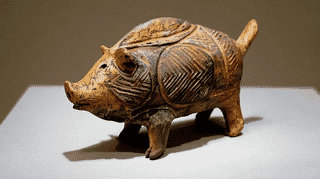
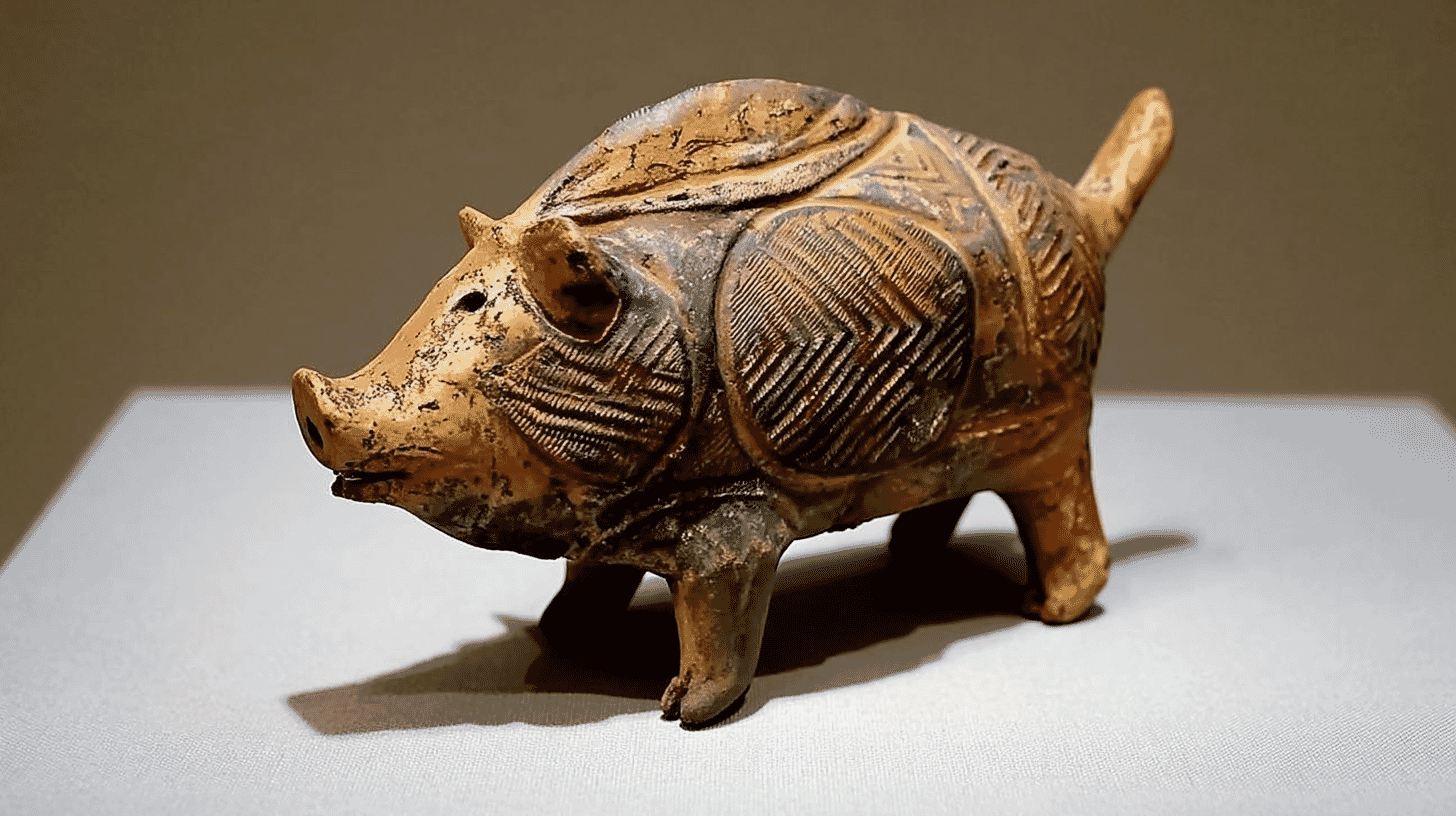
A Jomon-period boar-shaped clay object held in Hirosaki, Aomori Prefecture. The very same piece appe...
Discover the Important Cultural Property artifacts excavated from the Tangodaira Tumulus Group in Ha...
Other Heritage
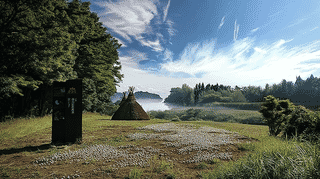
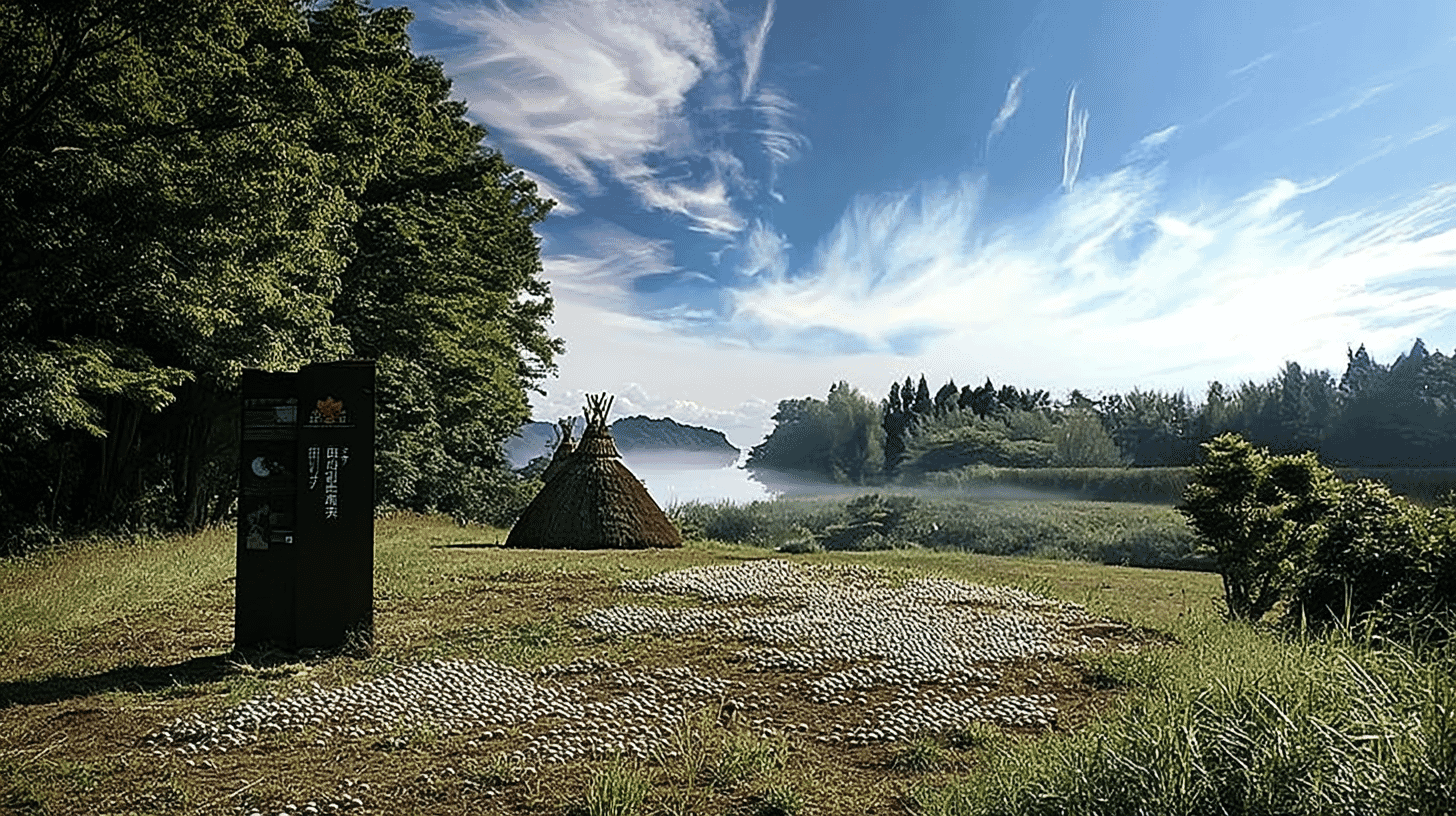
Explore Tagoyano Shell Mound, a UNESCO World Heritage Site in Tsugaru, Aomori. This 6,000-year-old J...
Sataki Honten in Sannohe, Aomori, rose in reinforced concrete after fire took the family shop in 192...
Discover the Kazuo Narita Family Residence Storehouse (dozō), a registered tangible cultural propert...
Held August 1–7 in Hirosaki, Aomori Prefecture, the Hirosaki Neputa Festival is a nationally designa...
The Sataki gate and wall in Sannohe, Aomori, front the back-street entrance of the Sataki villa. Exp...
Sataki Dozo in Sannohe, Aomori, is a 1912 storehouse whose plasterer came from Morioka. Black plaste...
About Aomori
"Shirakami-Sanchi" (registered 1993), a World Natural Heritage spanning Aomori and Akita prefectures, contains the world's largest virgin beech forest. Forest ecosystems formed 8,000 years ago after the Ice Age remain untouched, supporting diverse flora and fauna including Asian black bears, Japanese serows, and golden eagles. "Jomon Prehistoric Sites in Northern Japan" (registered 2021) includes Sannai Maruyama and Korekawa sites, demonstrating advanced Jomon culture.
Sannai Maruyama, a large settlement from 3500 BCE lasting 1,500 years, reveals large pit-supported buildings and pit dwellings. Korekawa Nakai site yielded the "Gassho Dogu" (praying figurine), designated a national treasure representing late Jomon spiritual culture.
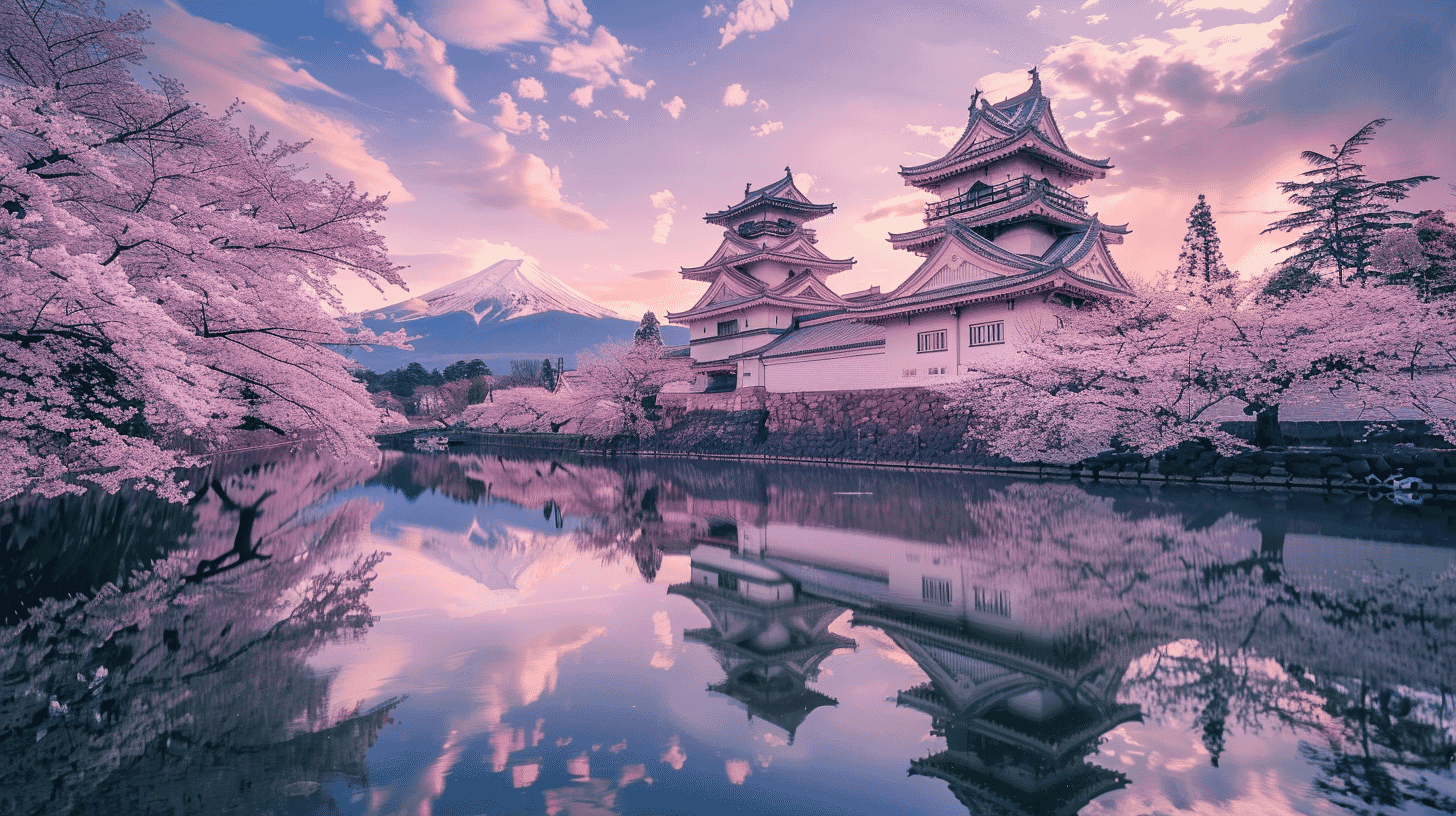
Kushihiki Hachimangu Shrine preserves nationally treasured armor from the Northern and Southern Courts period: "Akaito-odoshi Yoroi" and "Shiraito-odoshi Tsumataka Yoroi," conveying warrior culture essence. Hirosaki Castle, one of twelve surviving keeps, features approximately 2,600 cherry trees as a premier sakura destination.
Nebuta Festival represents Aomori's summer, with giant warrior puppet lanterns parading through streets. Originating from Nara period Tanabata festivals, it gained Important Intangible Folk Cultural Property designation in 1980. Hirosaki Neputa and Goshogawara Tachineputa are similarly popular summer festivals.
Oirase Gorge, flowing from Lake Towada, offers 14 kilometers of beautiful valley scenery. Autumn foliage particularly attracts numerous tourists as spectacular scenery. Lake Towada, a double caldera lake, features Kotaro Takamura's "Maiden Statue."
Aomori's food culture centers on apples, producing about 60% of Japan's total. Varieties like Fuji, Tsugaru, and Orin showcase renowned quality. Tsugaru shamisen, originating in Tsugaru region, features powerful tones. Nambu ironware from Hachinohe area includes famous tea kettles and iron pots.
Scallops, cultured in Mutsu Bay, comprise about 40% of national share. Oma tuna ranks as premium grade nationally, with firm-fleshed tuna raised in Tsugaru Strait's rough waters commanding high Tsukiji market prices.
Browse by Type
Designation categories represented in the prefecture, with counts.
Mushi Okuri Festival in the Tsugaru Region of Aomori · Mushi Okuri Festival in the Southern Region of Aomori · Izumiyama Worship Customs
Akobo Tomb Group · Ohirayamamoto Ruins · Omori Katsuyama Ruins
Nakamachi, Kuroishi City · Nakamachi, Hirosaki City
Aomori's Nebuta · Izumiyama Worship Event · Iwakisan Climbing Ceremony
Former Kikuchi Family Garden (Hirosaki Akenohoshi · Tanto Family Garden (formerly Mikami Family Garden) · Narumi Family Garden
Aomori Prefectural Museum (former Aomori Bank Head Office) · Abe Family Residence Main Building · Abe Family Residence Library
Tsugaru Forestry Tools
Aomori in Periods
Periods represented by designated properties in the prefecture.
Aomori Travel Stories
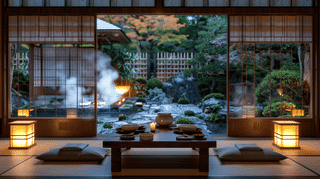
Discover Hirosaki Castle's cherry blossoms, samurai district, Tsugaru shamisen, and traditional crafts. A ryokan concierge shares insider tips on choosing accommodations (premium/standard/budget), local cuisine, and ideal stay timelines for first-timers.
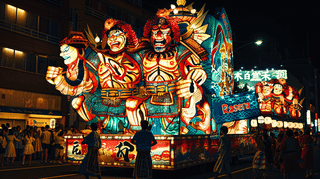
Complete guide to Aomori Nebuta Festival by festival comedian Wasshoi Tonegawa! Learn how to join as a haneto dancer, best viewing spots, photography etiquette, and safety tips for first-time visitors.