
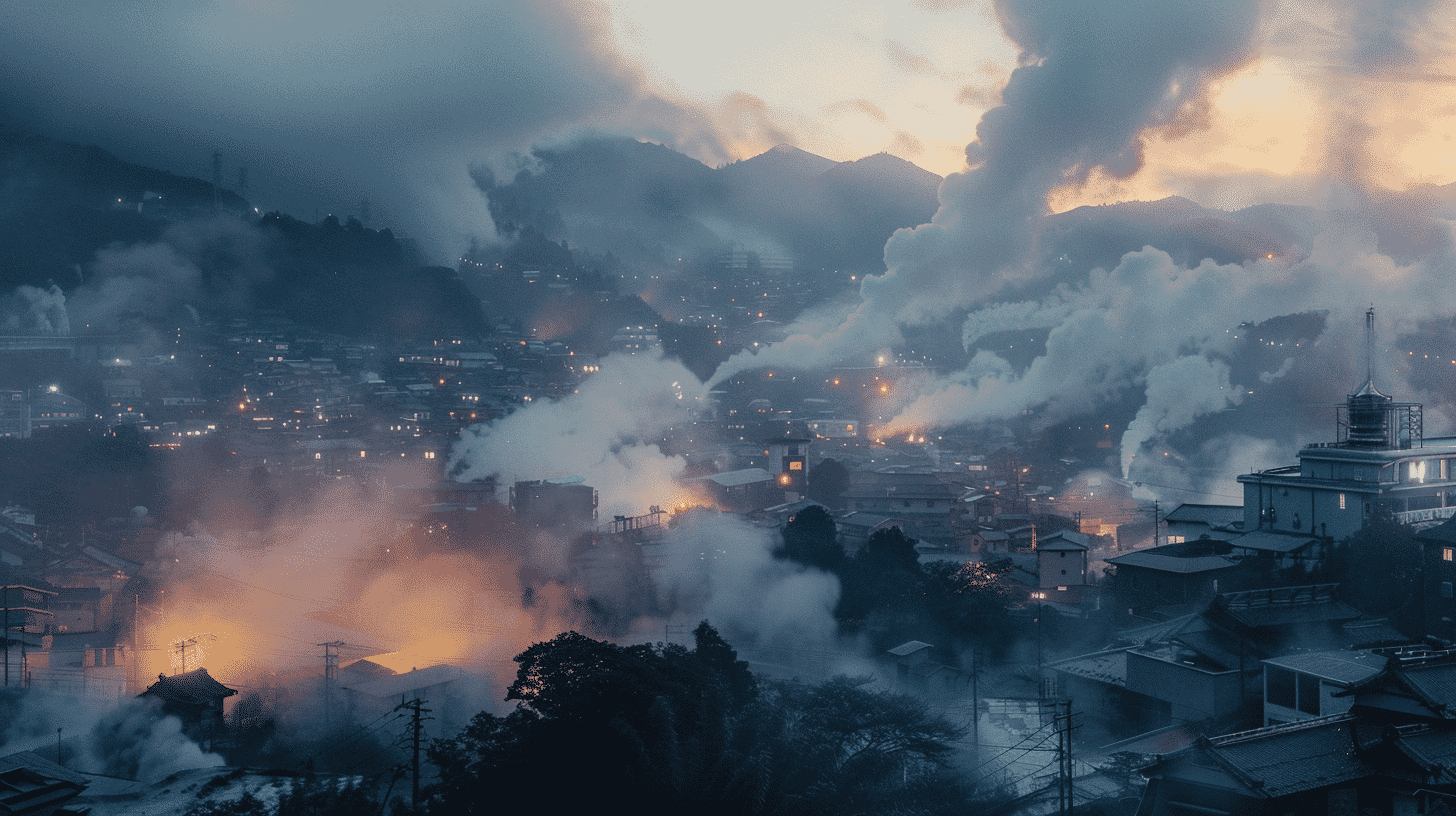
Usa shrines, stone Buddhas, and onsen towns define Ōita. See cultural properties with bus routes around Beppu and Yufuin.
National Treasures
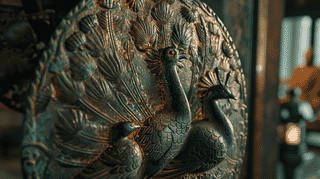
A Kamakura gong at the treasure hall of Usa Jingu in Oita. Its inscription records casting in 1209 f...
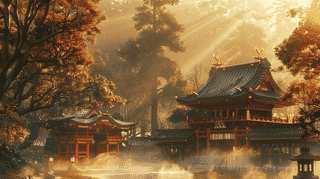
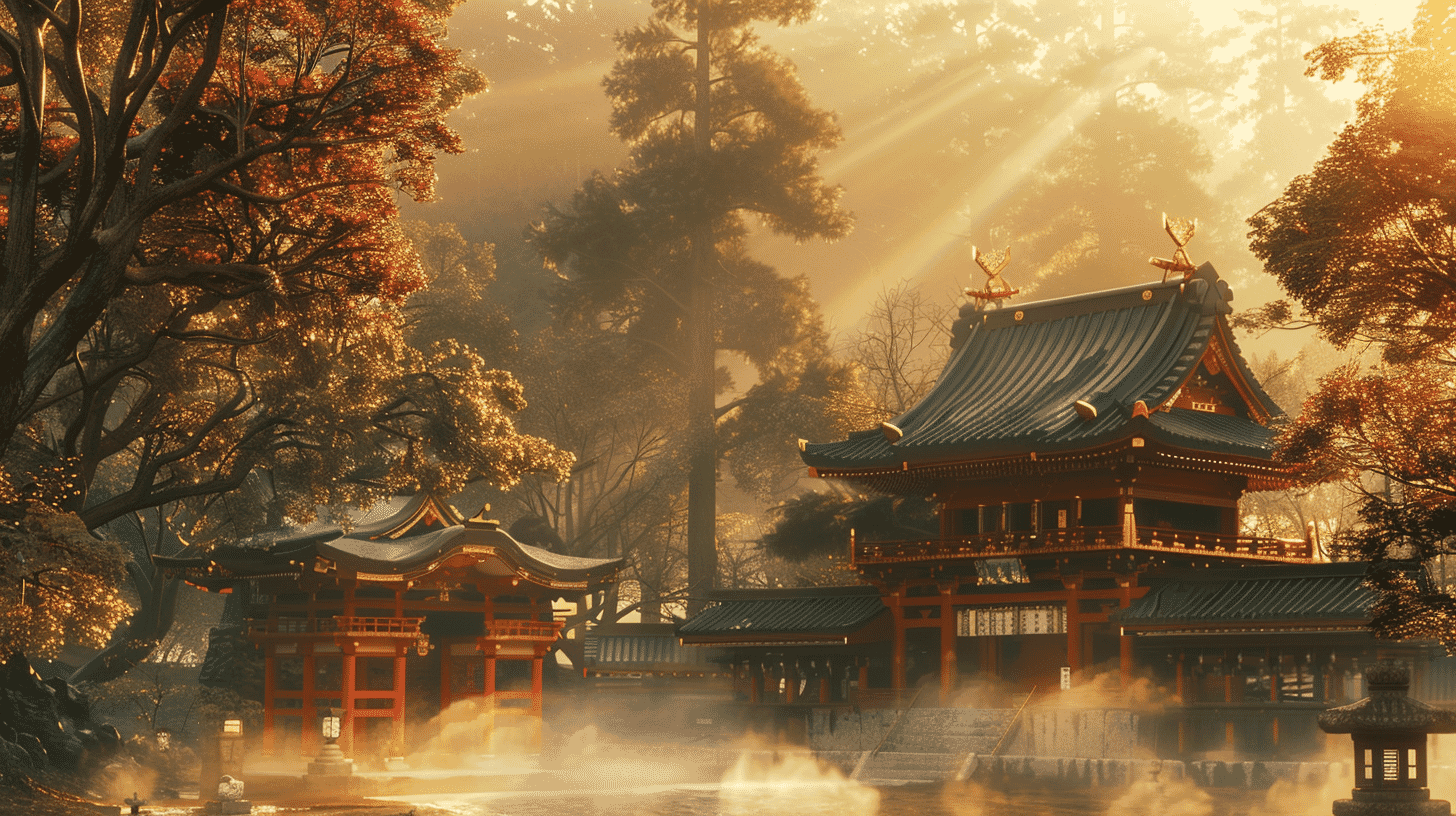
The main hall of Usa Jingu in Oita was raised between 1855 and 1861. Two gabled buildings front and ...

Fukiji Ōdō, located on the Kunisaki Peninsula in Bungo-Takada, Oita Prefecture, is the oldest surviv...
Sixty-one Buddhas carved into volcanic cliffs in Usuki, Oita, became Japan's first rock-cut National...
Important Cultural Properties
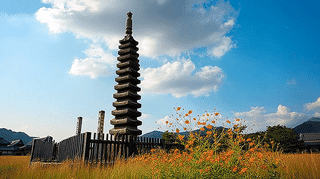
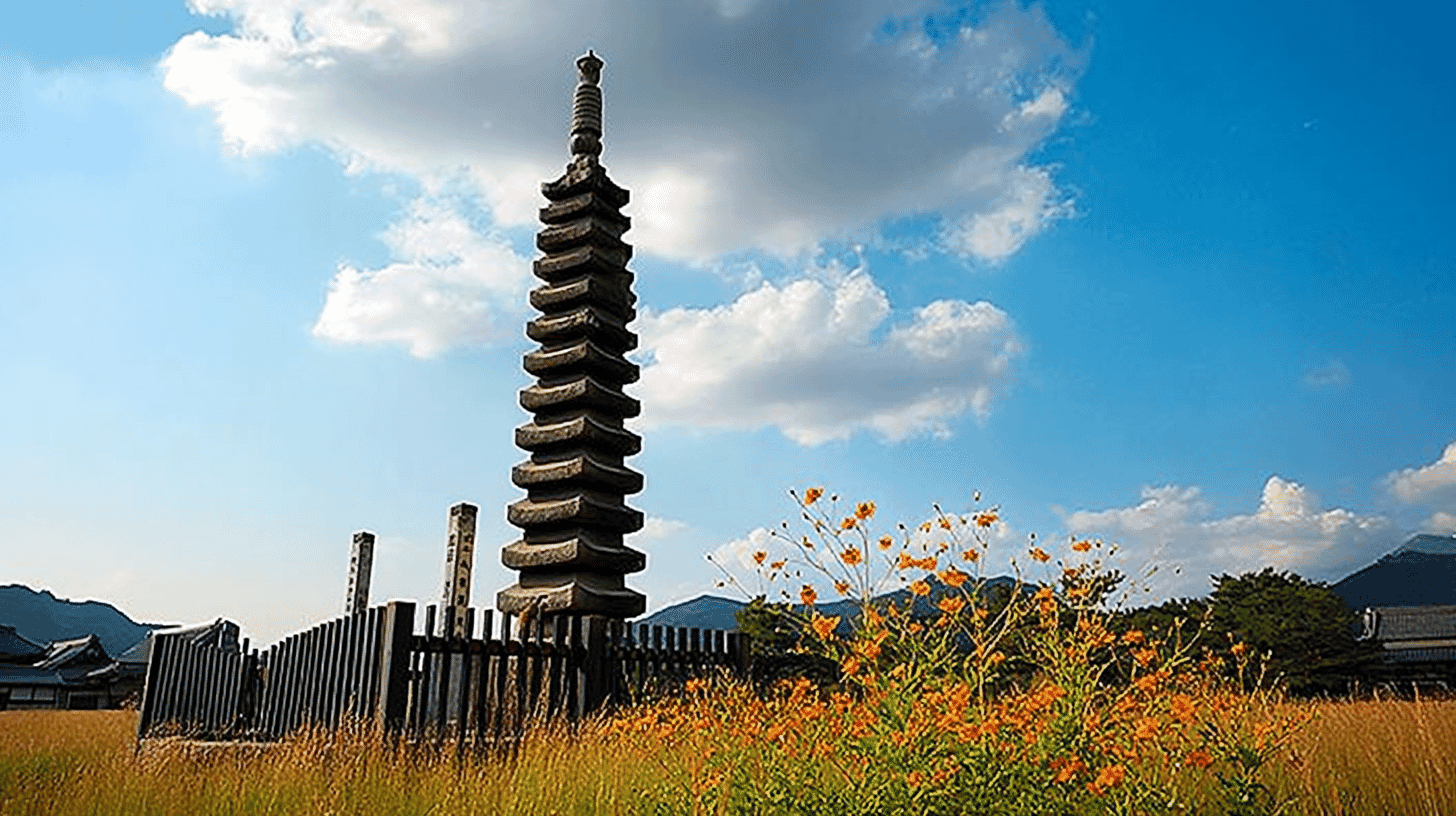
An early Kamakura-period stone pagoda in Usuki, Oita Prefecture. Its own owner there is recorded in ...
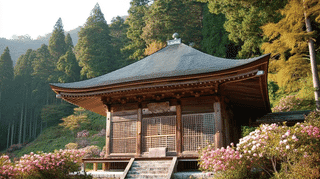
An early Muromachi-period main hall in Bungo-Ono, Oita Prefecture, Japan. Empty fields there now sta...
The Former Main Hall of Ōno Oimatsu Tenmansha Shrine, located in Maetsue Town, Hita City, Ōita Prefe...
The Main Hall of Ganjo-in Temple, known as Aizen-do, stands on the hillside of Mount Hachiman in Tak...
Discover the Former Yahata Family Residence (Kyū Yahata-ke Jūtaku), an Important Cultural Property i...
The Gyōtoku Family Residence in Yoake, Hita City, Ōita Prefecture, is a nationally designated Import...
Discover the Usa-gū Shinryō Ōkagami, an Important Cultural Property and the sole surviving Kamakura-...
An Important Cultural Property held by a private owner in Oita Prefecture, this hanging-scroll fragm...
The Miura Baien Manuscripts, designated as an Important Cultural Property of Japan, comprise 30 cate...
Other Heritage
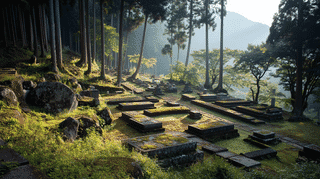
Discover Shimofuji Christian Cemetery in Usuki, a nationally designated historic site and Japan's fi...
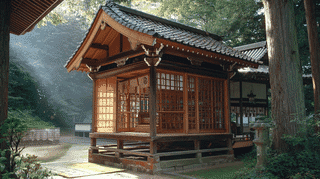
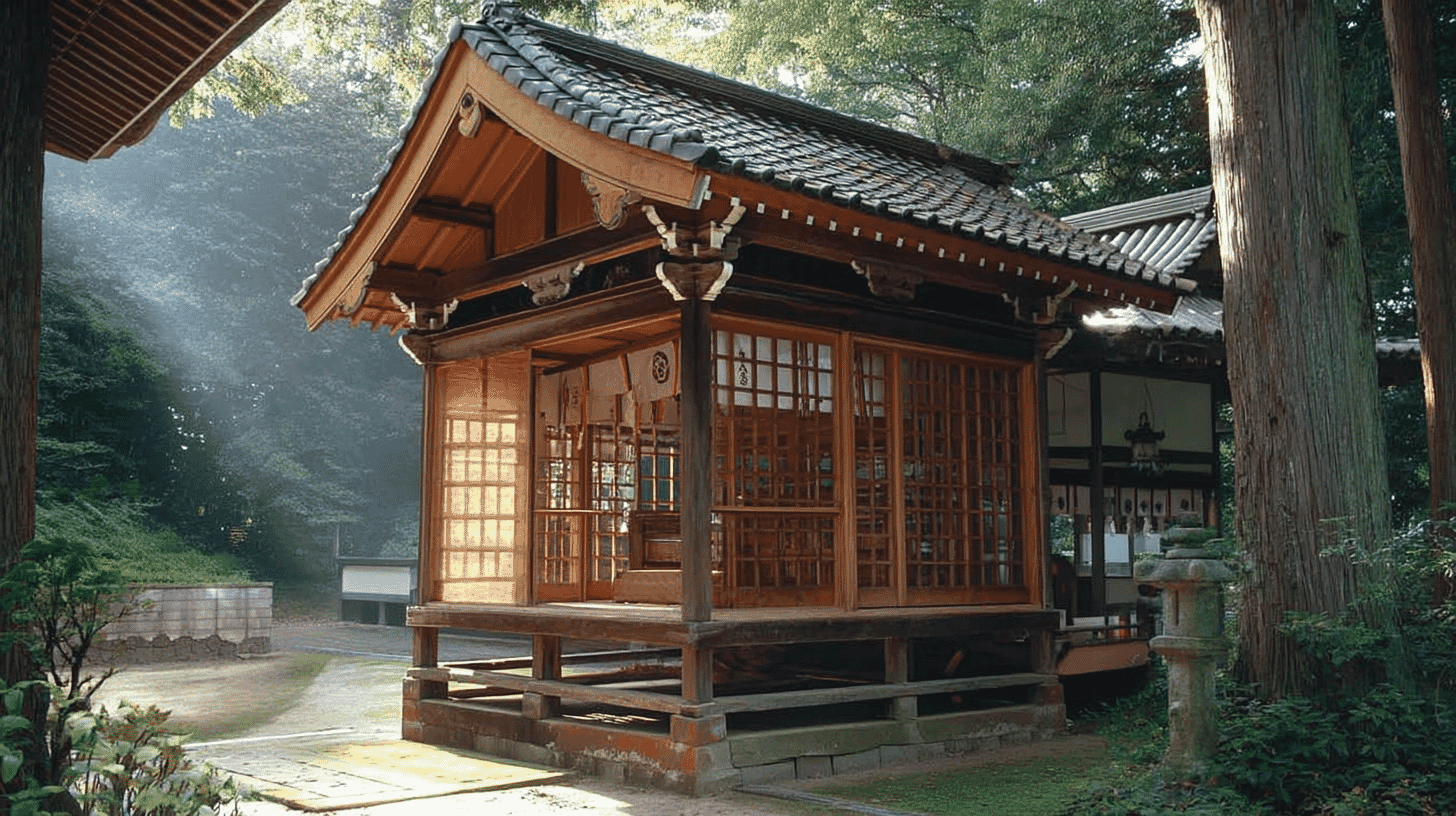
A very small Meiji-period timber shrine building in Bungo-Takada, Oita Prefecture, Japan. It is regi...
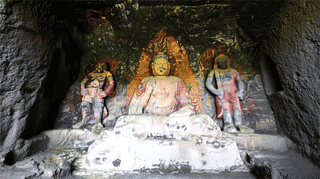
Explore the Ogata Miyasako Higashi Stone Buddhas, a National Historic Site in Bungo-Ono City, Oita P...
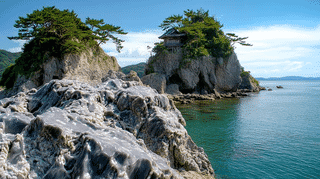
Explore Himeshima's rare milky-white obsidian cliffs, a National Natural Monument where prehistoric ...
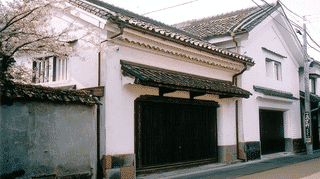
Explore the Yoshikawa Family Residence Storehouse (Yoshikawa-ke Jutaku Dozo), a Registered Tangible ...
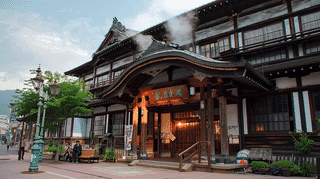
Discover Takegawara Onsen, a Registered Tangible Cultural Property in Beppu, Japan. Experience tradi...
About Oita
Beppu Onsen, known as Japan's premier hot spring resort, features approximately 2,000 sources citywide with Japan's top discharge volumes. Eight hot spring villages called Beppu Hatto (Beppu, Hamawaki, Kankaiji, Horita, Myoban, Kannawa, Shibaseki, Kamegawa) each possess different spring qualities and characteristics. Particularly, jigoku meguri (hell tour) represents Beppu tourism synonyms, enabling visits to natural phenomena including Umi Jigoku, Chinoike Jigoku, Tatsumaki Jigoku, and Shiraike Jigoku with erupting steam and hot water.
Yufuin Onsen, hot spring resort spreading at Mount Yufu foothills, attracts women for stylish townscapes and artistic atmospheres. Lake Kinrin, famous for mystical morning mist scenes, maintains year-round steam rising from lake bottom hot springs and fresh water. Stylish cafes, sundry shops, and art museums line Yunohei-kaido, enabling enjoyable walks.
Usuki Stone Buddhas, stone Buddha groups carved from late Heian through Kamakura periods, feature 59 stone Buddhas designated as national treasures. Divided into four groups - Koen Stone Buddhas, Sannozan Stone Buddhas, Fukada Stone Buddhas, and Koen Stone Buddhas - their precise carving techniques and excellent preservation represent Japanese stone Buddha art masterpieces.
Usa Jingu, head shrine of approximately 40,000 nationwide Hachiman shrines, enshrines Emperor Ojin as main deity. Founded in 725, this shrine is also known as Shinto-Buddhist syncretism birthplace, with main hall designated as national treasure. Built in distinctive Hachiman-zukuri architectural style, approach taiko bridges and kure bridges create beautiful scenery.
Kunisaki Peninsula, known for unique mountain Buddhism culture, features scattered historic sites including Futago-ji, Fuki-ji, and Kumano Magaibutsu. Particularly, Fuki-ji Daido, designated as national treasure as Kyushu's oldest wooden architecture, represents late Heian period Japanese-style architectural masterpiece. Kumano Magaibutsu represents large cliff Buddhas carved in rock faces, attributed to late Heian period.
Kuju Mountains, mountain region spanning Oita and Kumamoto prefectures, features Kyushu mainland's highest peak Nakadake (1,791 meters). Kuju "Yume" Otsurihashi, pedestrian suspension bridge measuring 390 meters long and 173 meters high, offers spectacular Kuju Mountain and Naruko River valley views from bridge. Autumn foliage seasons are particularly beautiful, attracting numerous tourists.
Oita food culture prominently features nationally famous seki aji (horse mackerel) and seki saba (mackerel). Bungo Channel-caught horse mackerel and mackerel, raised in fast-current sea areas, feature firm flesh and excellent fat content. Particularly, single-line caught fish around Oita City Saganoseki Peninsula represent premium quality, with sashimi as most delicious consumption method.
Toriten, Oita Prefecture-origin cuisine spreading nationwide as local gourmet, represents chicken tempura with thin batter, commonly eaten with ponzu or special sauce. Oita's representative cuisine offers crispy, light texture and chicken umami.
Dango-jiru represents Oita Prefecture local cuisine featuring flat wheat flour noodles (dango) simmered with vegetables and meat in miso-based broth. Noodles called "dango" for hand-torn preparation feature chewy texture. Different families vary ingredients and seasonings, beloved as Oita home flavors.
Bungo beef, Oita Prefecture black wagyu raised in Aso-Kuju National Park's rich natural environment, represents high-quality wagyu. Characterized by fine marbling, tender meat quality, and deep flavors, enjoyed as steaks and sukiyaki.
Kabosu represents Oita Prefecture specialty comprising over 95% national production. Characterized by refreshing acidity and distinctive aroma, widely used as condiment for sashimi, grilled fish, and hot pot cuisine. "Kabosu Kingdom Oita" represents prefectural signature agricultural product.
Browse by Type
Designation categories represented in the prefecture, with counts.
Iwakura Shrine Kebesu Festival · Oita's Trowel Painting Tradition · Ohara Hachiman Shrine's Rice Fortune-Telling Event
Anakannon Tomb · Ankokuji Village Ruins · Inukai Stone Buddha
Kitsuki City Kitadai Minamidai · Mamedacho, Hita City
Ogata River and Rural Landscape of the Ogata Basin · Onta Pottery Village · Seaside Village Scenery of Himeshima Island in the Seto
Ontake Kagura · Puppet Dance and Sumo at Koyo Shrine · Shussui Oni-Kai
Asahi Cave · Anaido Kannon · Former Narikiyo Hakuai Villa Garden (Matosanso Garden)
Aso Family Residence Main Building · Araki Family Residence Kattekura · Araki Family Residence Sake Brewery
Beppu Hot Spring Equipment
Oita in Periods
Periods represented by designated properties in the prefecture.