
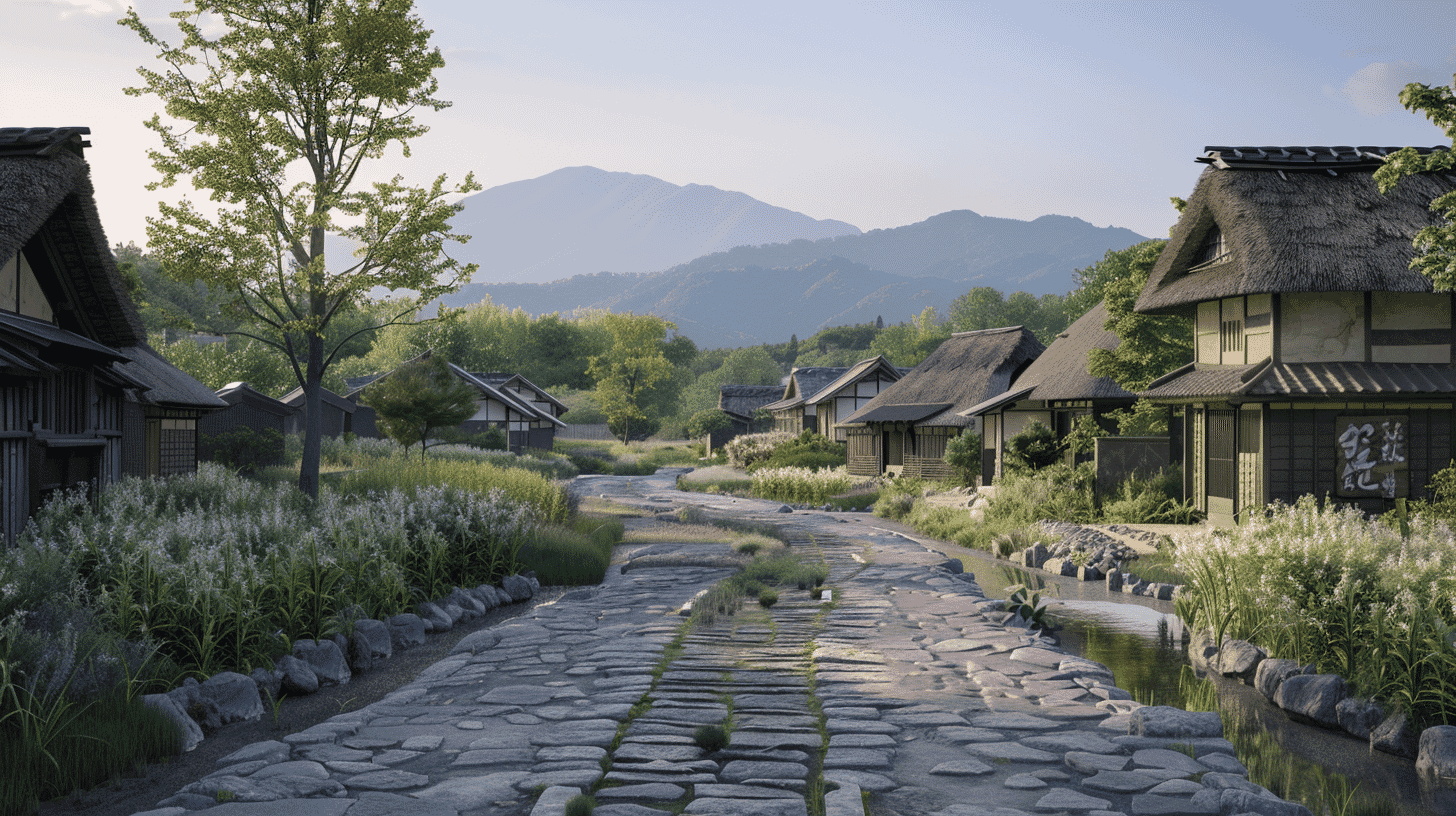
Castle towns, thatched post towns, and shrine traditions shape Fukushima's heritage. Find cultural properties, history notes, and suggested routes.
National Treasures

Nestled in Iwaki City, Fukushima, the Shiramizu Amidado is a late Heian-period Amida Hall built in 1...
At Ryukoji in Aizumisato, Fukushima, each character of the Lotus Sutra sits on a painted lotus, a la...
Important Cultural Properties
Ink writing on a post dates this Tadami farmhouse to 1718, the oldest in Fukushima. Designated in 19...
This 1729 Aizubange farmhouse has no ceilings, an earthen living floor laid with straw, and posts se...
Discover Eryū-ji Kannon-dō, an Important Cultural Property in Aizubange, Fukushima. This Kamakura-pe...
Discover Enmanji Kannon-do, a nationally designated Important Cultural Property in Nishiaizu, Fukush...
Tucked into the quiet Fujikura hamlet of Aizu-Wakamatsu City, Fukushima Prefecture, Enmeiji Jizō-dō ...
Okunoin Bentendo, nestled in Yanaizu Town of Fukushima Prefecture, is a rare Muromachi-period Import...
The Iino Family Documents, 1,683 papers from the priests of Iino Hachimangu in Iwaki, Fukushima, beg...
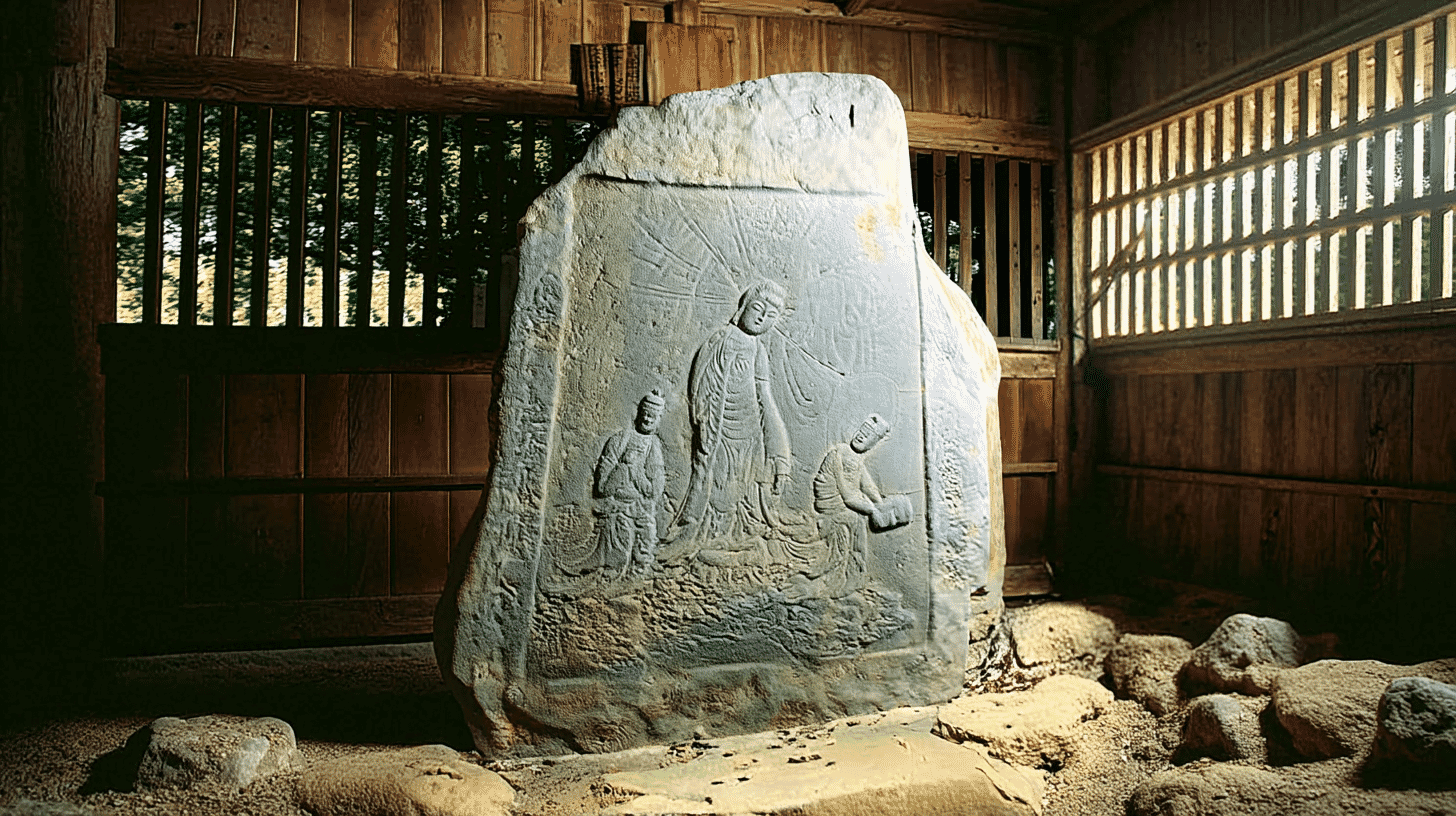
At Nyoho-ji in Koriyama, Fukushima, this stone slab stupa of 1276 is the best-preserved itabi memori...
Discover the Iwashiro Yoneyama-ji Sutra Mound Excavated Items, a nationally designated Important Cul...
A rare transmitted ancient sword of Nara-period Japan, this kiriha-zukuri tachi has a rounded back, ...
A Nara-period straight, single-edged sword in kirihazukuri form, predating the curved Japanese sword...
A privately held Heian straight sword in Fukushima, an Important Cultural Property since 1989. Its c...
Other Heritage
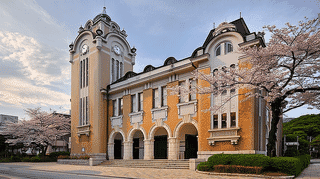
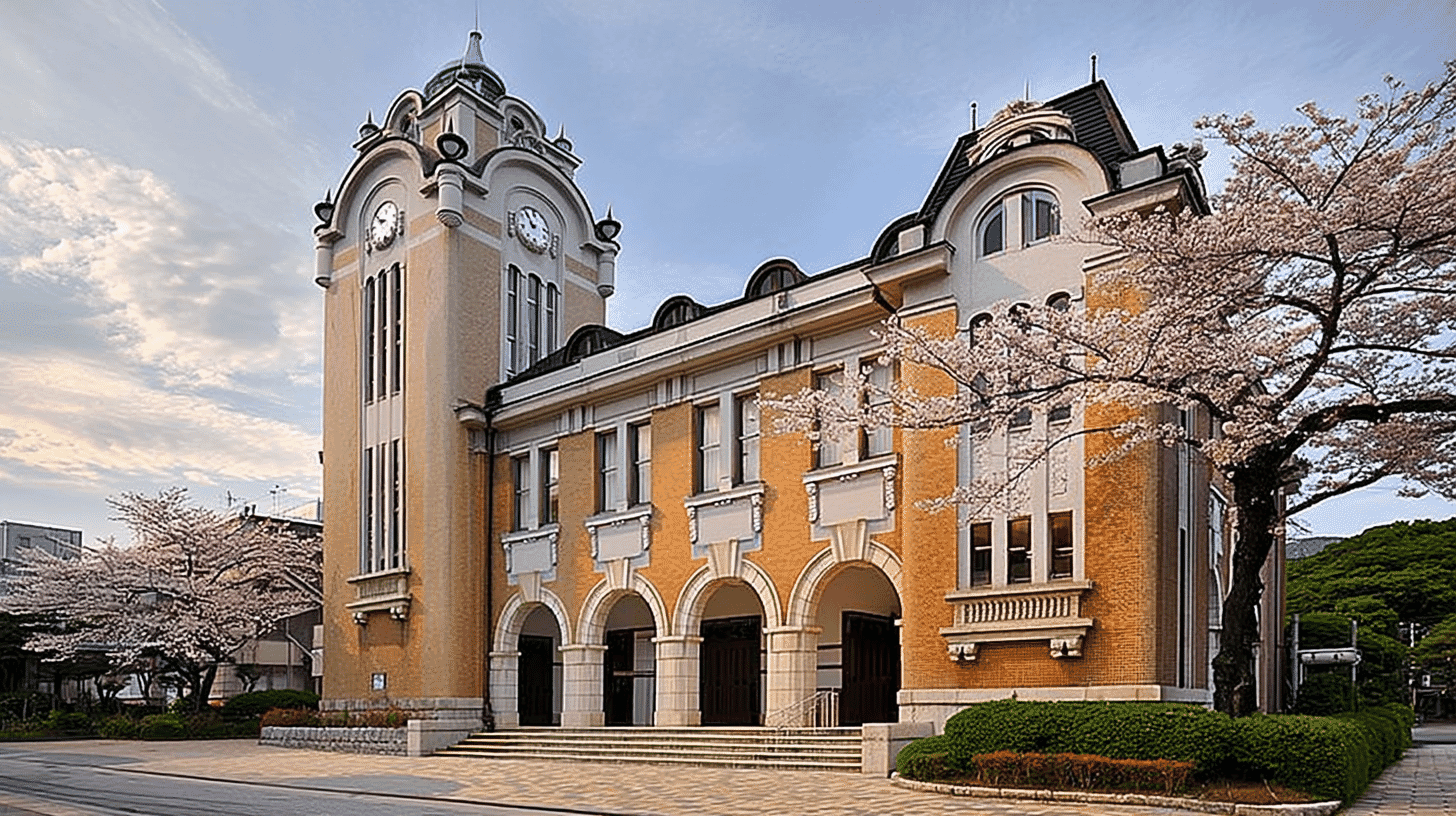
Discover Koriyama City Public Hall, a stunning Neo-Renaissance building designed by Japan's National...
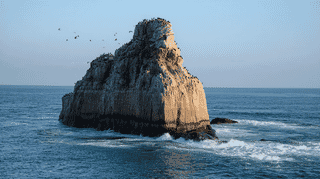
Discover Terushima Cormorant Habitat, a National Natural Monument in Iwaki, Fukushima Prefecture. Th...
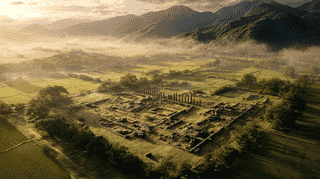
Explore the Izumi Kanga Ruins in Minamisoma, Fukushima—a National Historic Site revealing Japan's 8t...
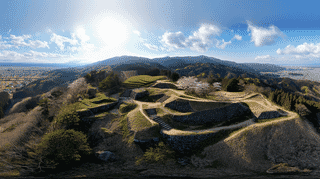
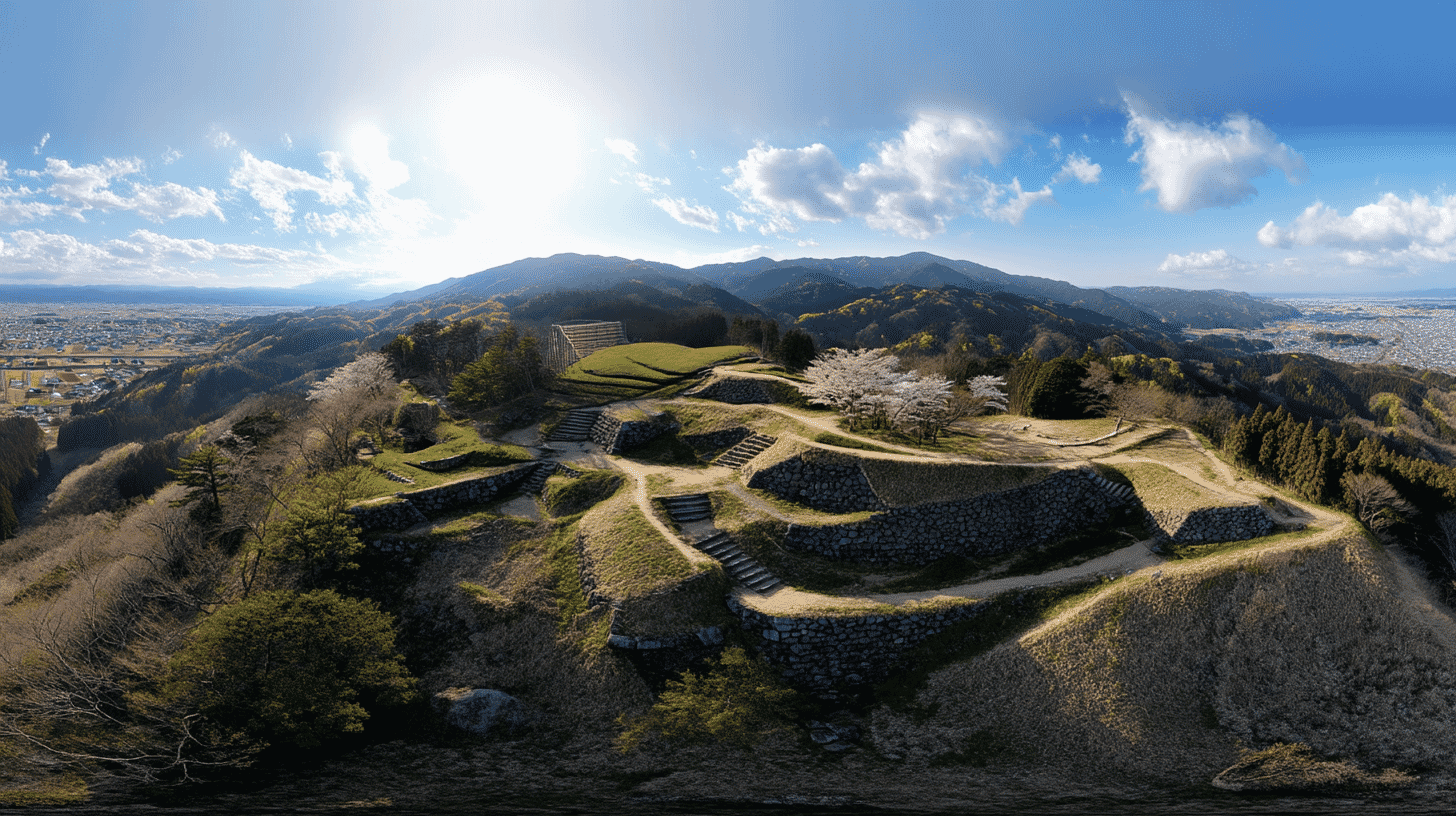
Explore the nationally designated Koori Nishiyama Castle Ruins in Fukushima Prefecture, the historic...
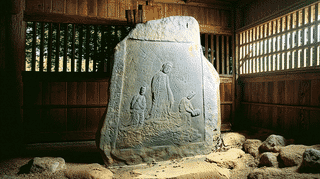
Discover the Shimotoriwatari Kuyo Sekito, a nationally designated Historic Site in Fukushima featuri...
Built in 1957 high on the Higashi-Karasu River in Fukushima City, this 67m by 12m sabo dam carries i...
About Fukushima
Shiramizu Amidado (Ganjoji Temple), an Amida hall built in late Heian period (1160), is designated a national treasure. Located in Iwaki City, this square three-bay treasure-style building features characteristic gracefully curved roofing. Interior houses late Heian period Buddhist statues, conveying the essence of contemporary Buddhist architecture and art.
Ganjoji Temple's seated Yakushi Nyorai statue is also a national treasure, considered 9th-century early Heian period single-wood construction. This substantial style using cypress wood is known as a masterpiece of ancient Buddhist sculpture in Tohoku region.
Tsurugajo Castle (Wakamatsu Castle) in Aizuwakamatsu City is a historical castle where approximately one month of siege warfare occurred during the Boshin War. The current keep, reconstructed in 1965, serves as a museum exhibiting Boshin War and Aizu Domain history. Spring brings about 1,000 cherry trees blooming as a famous cherry blossom site.
Iimoriyama is a historic site known for the tragic tale of Byakkotai members who committed suicide during the Boshin War. Nineteen young men, mistakenly believing Tsuruga Castle had fallen, committed seppuku to preserve warrior honor. Memorial monuments now stand at this important site conveying Aizu bushido spirit.
Lake Inawashiro, Japan's fourth-largest lake, is beautifully called "Tenkyoko" (Heaven Mirror Lake). The spectacular scenery against Mount Bandai backdrop includes lakeside Noguchi Hideyo Memorial Hall. Noguchi Hideyo, a world-renowned bacteriologist from Inawashiro town, is known for yellow fever research.
Goshiki-numa, lake groups formed by Mount Bandai eruptions, are called "Five-Color Ponds" as each pond shows different colors. Over thirty large and small ponds including Bishamonuma, Akanuma, and Midoronuma offer mystical scenery changing colors with seasons and weather.
Spa Resort Hawaiians, a theme park utilizing hot springs heated by Joban coal mine coal extraction, is famous as the setting for movie "Hula Girls." Five theme parks across six dome-equivalent grounds provide year-round tropical atmosphere.
Fukushima's food culture centers on Kitakata ramen, nationally famous. Featuring clear soy sauce-based soup with flat curly noodles, it offers light, refreshing flavor. Kitakata City houses over 120 ramen shops, with Japan's highest ratio of ramen shops to population.
Aizu-nuri lacquerware, with over 400 years history, features durable, beautiful finishes. Allegedly begun when Aizu Domain lord Gamo Ujisato invited craftsmen, traditional techniques continue today. Fruit cultivation thrives, with peach production ranking second nationally.
Browse by Type
Designation categories represented in the prefecture, with counts.
Aizu Rice Planting Festival · Aizu's New Year's Market Customs · Ishii's Seven Lucky Gods and Rice Planting Dance
Aizu-Shingu Castle Ruins · Tombs of the Matsudaira Clan, Lords of Aizu · Aizu Matsudaira Garden
Odatsuki, Kitakata City · Ouchijuku, Shimogo Town · Maesawa, Minamiaizu Town
Aizu Rice Planting Festival · Ishii's Seven Lucky Gods and Rice Planting Dance · Hayama Confinement in Kanazawa
Aizu Iimoriyama Byakkotai Graveyard
Akutsu Family Residence (Itozawa Honjin) Rice Storehouse · Akutsu Family Residence (Itozawa Honjin) Main Building · Akutsu Family Residence Store
Sericulture Tools from Shirasawa
Fukushima in Periods
Periods represented by designated properties in the prefecture.