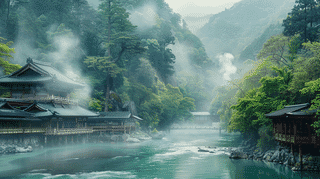
Gokayama's gasshō hamlets and Takaoka metalwork showcase Toyama's craft spirit. Explore key sites with calm rural routes.
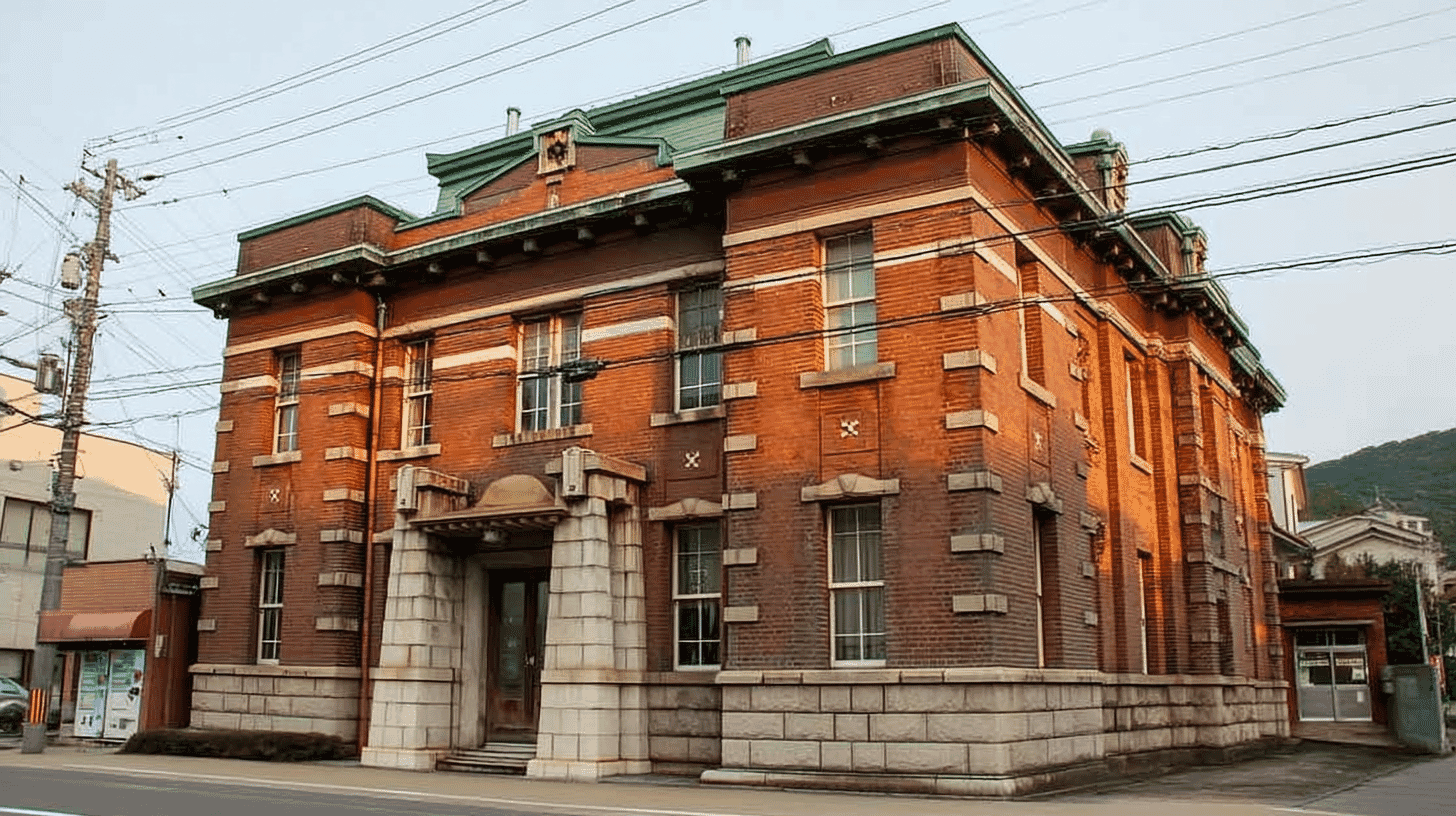
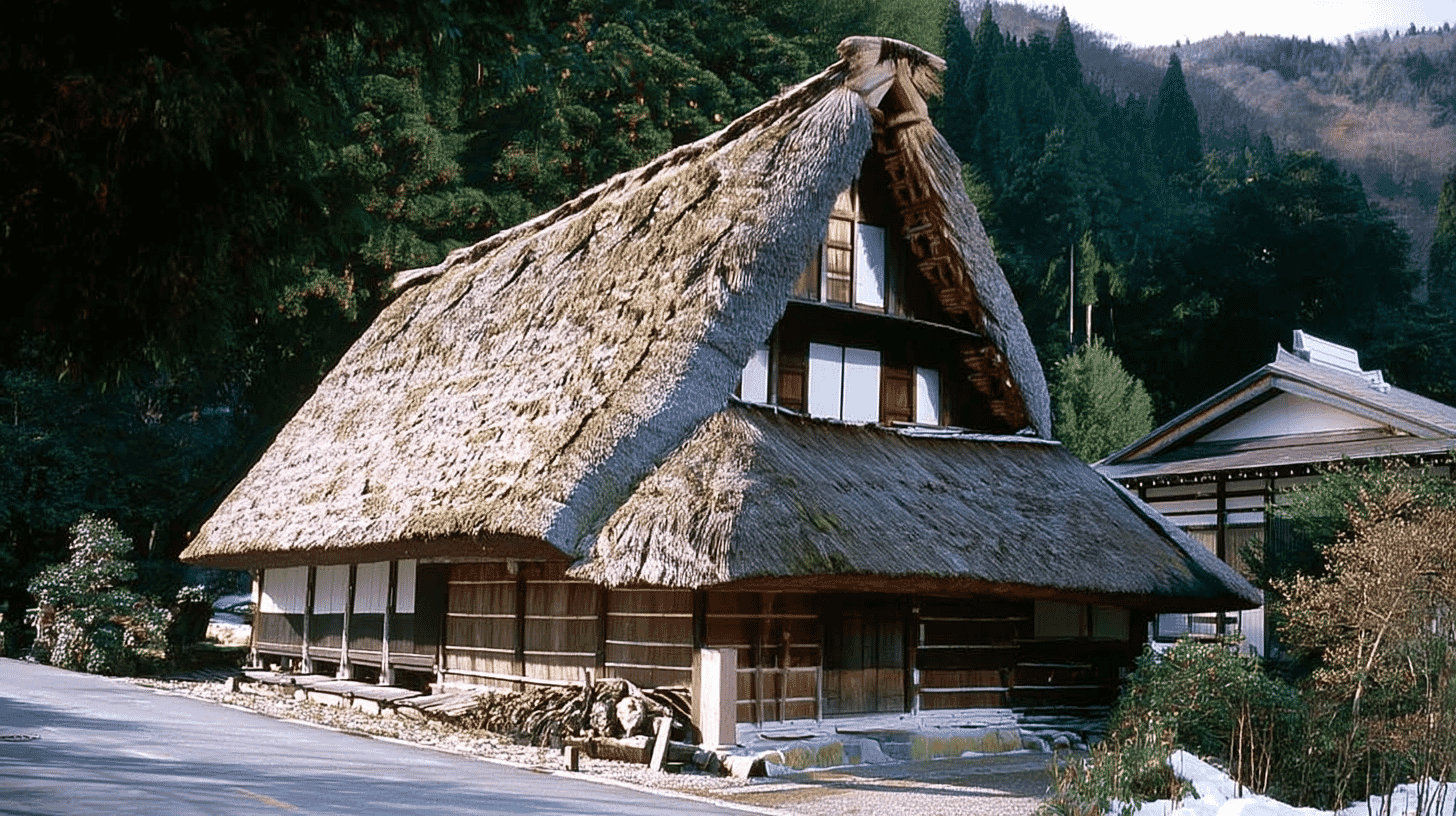
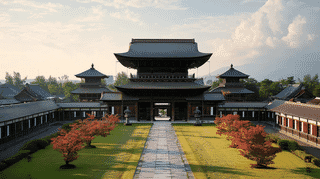
Important Cultural Properties
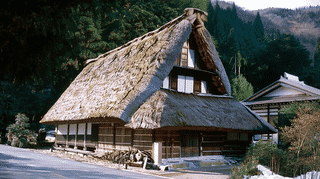
Explore Hamba Family Residence, an Important Cultural Property preserving the earliest form of gassh...

Discover the Iwase Family Residence in Gokayama, Toyama — Japan's largest surviving gasshō-zukuri fa...
The Main Hall of Oyama Shrine Maedate Shadan in Tateyama Town, Toyama, is a magnificent late-Muromac...
On a wooded hillside in Fushiki, Takaoka City, stands Keta Shrine, the first-ranked shrine of ancien...
The Saeki Family Residence in Takaoka, Toyama, is a farmhouse bought from a Kaga domain headman and ...
An 18th-century highway farmhouse relocated to the Tateyama Museum grounds in Toyama. Designated an ...
A Heian-period bronze staff-head found atop Mt. Dainichi in 1893, with twin dragons and a lotus-pede...
Five figures emerge from a tuff boulder at Nisseki-ji in Toyama. The Fudō Myōō at the centre, over t...
Other Heritage
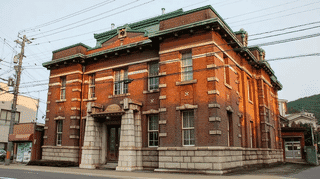
Discover Makita-gumi Headquarters, a Registered Tangible Cultural Property in Imizu City, Toyama. Th...
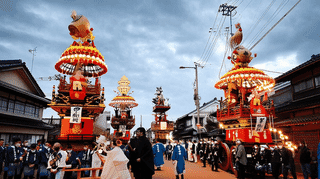
Discover the Hōjōzu Hachimangu Festival in Imizu, Toyama—a nationally designated Important Intangibl...
Built in 1868 in Fushiki, Takaoka, this timber townhouse held to the older building grammar while th...
Built in the early Meiji era and registered in 2019, this small earthen storehouse in Nanto, Toyama ...
Completed in 1928 at Yasui in Nanto, Toyama, this registered wooden house kept an unfinished second ...
The smallest of four registered buildings at the Tanada compound in Fushiki, Takaoka, this 20-square...
About Toyama
Within "Historic Villages of Shirakawa-go and Gokayama" (registered 1995), Toyama Prefecture's Gokayama (Ainokura and Suganuma settlements) are included in World Heritage. Gassho-zukuri features distinctive traditional architecture with steep thatched roofs, embodying ancestral wisdom adapted to harsh natural environments of heavy snow regions. Architectural techniques and lifestyles inherited for over 400 years continue being carefully preserved by local residents today.
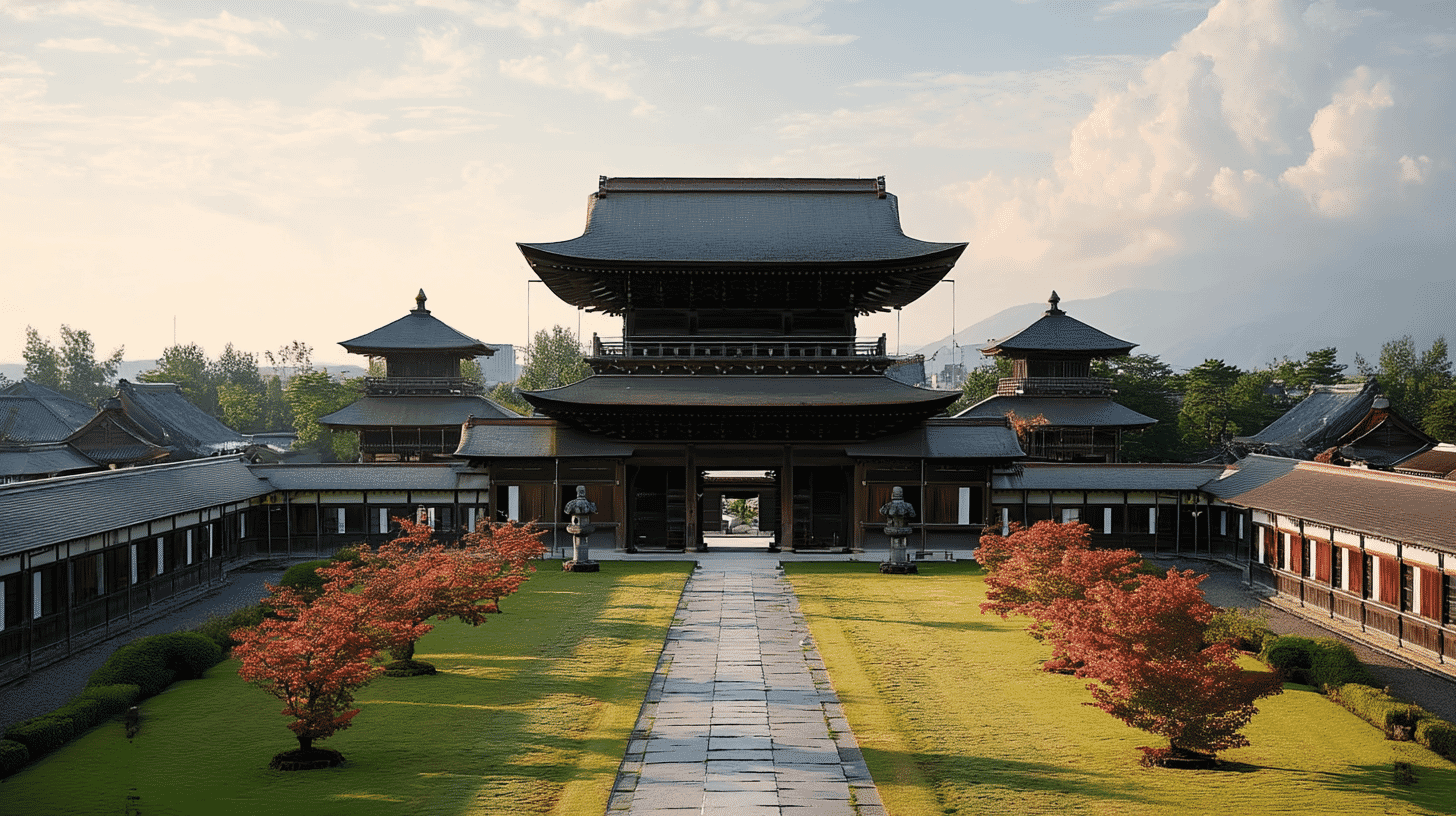
Zuiryuji Temple, prominent Soto Zen temple in Takaoka City, has sanmon gate, Buddha hall, and dharma hall designated as national treasures. Built as Maeda Toshinaga's family temple over approximately 20 years from 1614, it's highly valued as early Edo period Zen architectural masterpiece. Particularly, the Buddha hall incorporates Chinese elements in dignified architecture, with magnificent temple layout creating spectacular views.
Tateyama Kurobe Alpine Route, mountain tourism route connecting Toyama and Nagano prefectures, represents world-class mountain tourism path linking 3,000-meter peaks via various transportation. Connecting Tateyama Cable Car, highland buses, Tateyama Ropeway, Tateyama Trolley Bus, Kurobe Cable Car, and Kanden Tunnel Electric Bus allows enjoying magnificent Northern Alps scenery. Particularly, spring's Yuki-no-Otani (snow walls) reaching 20-meter heights create world-famous scenes.
Toyama Bay, called "nature's fish preserve" for rich fishing grounds, is particularly famous for firefly squid and white shrimp. Firefly squid, spring tradition, creates fantastical scenes appearing in bay waters glowing blue-white at night. Local cuisine includes firefly squid scooping, oki-zuke marinade, and tsukudani preserves. White shrimp, called "Toyama Bay jewels" for transparent beauty, can be enjoyed as tempura or sashimi.
Trout sushi represents Toyama Prefecture's nationally famous ekiben (railway lunch box). Traditional pressed sushi continuing from Edo period, made using cherry salmon caught in Jinzu River. Circular sushi wrapped in bamboo skin is beloved as travel companion. Currently often using salmon instead of trout, traditional production methods continue.
Toyama's medicine peddlers represent traditional commerce from Edo period, selling medicine nationwide through unique "sen-yo ko-ri" (use first, profit later) business methods. Currently inherited as household medicine placement business, it remains one of Toyama Prefecture's important industries. Toyama City features medicine-related facilities including Uchiyama Medicinal Herb Garden and Ikedaya Yasube-e Store, teaching medicine capital Toyama's history.
Toyama Prefecture ranks among Japan's premier hydroelectric prefectures, with industries based on power utilizing abundant water resources. Particularly aluminum smelting thrives, with major corporations like Nippon Light Metal and YKK headquartering here.
Browse by Type
Designation categories represented in the prefecture, with counts.
Tomorrow's Children's Dance · Uozuura Tatemon Event · Etchu Rice Field God Ceremony
Asahi Shell Mound · Iikubo Gourd Stone · Inotani Anticline and Syncline
Kanayamachi, Takaoka City · Yamamachisuji, Takaoka City · Yoshihisa, Takaoka City
Uozu Tatemon Event · Etchu Children's Dance · Sedge Hat Making Techniques of Etchu Fukuoka
Mirage at Uozuura (Otabiya Ruins) · Dedicated Track for Tateyama Erosion Control Works
Large Vase with Flower and Bird Motif and Elephant Ears · Large Iron Plate with Silver Inlay and Human Figures
Archaeological Materials from the Etchu Region (collection · Akasofu Cylindrical Water Distribution Tank · Aramachian (formerly Yoneda-Ro)
Takaoka Casting Manufacturing Tools and Products · Fishing Equipment from Himi and Surrounding Areas
Toyama in Periods
Periods represented by designated properties in the prefecture.