Satsuma samurai estates, gardens, and island shrines define Kagoshima—plus Yakushima gateways. Explore treasures with ferry pointers.
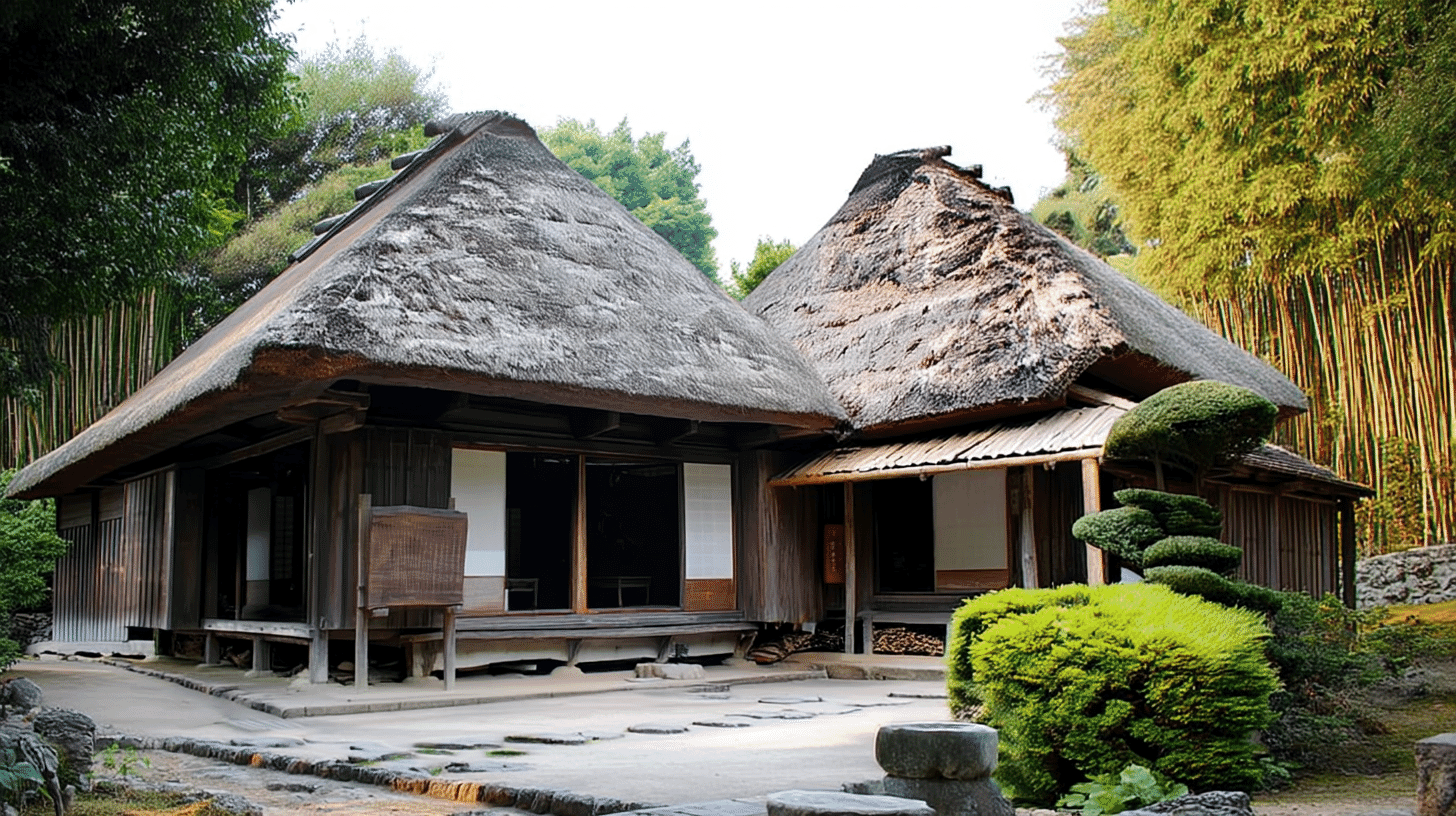
National Treasures
Important Cultural Properties
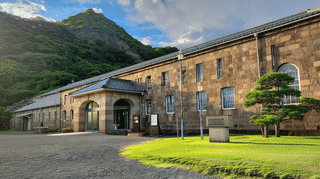
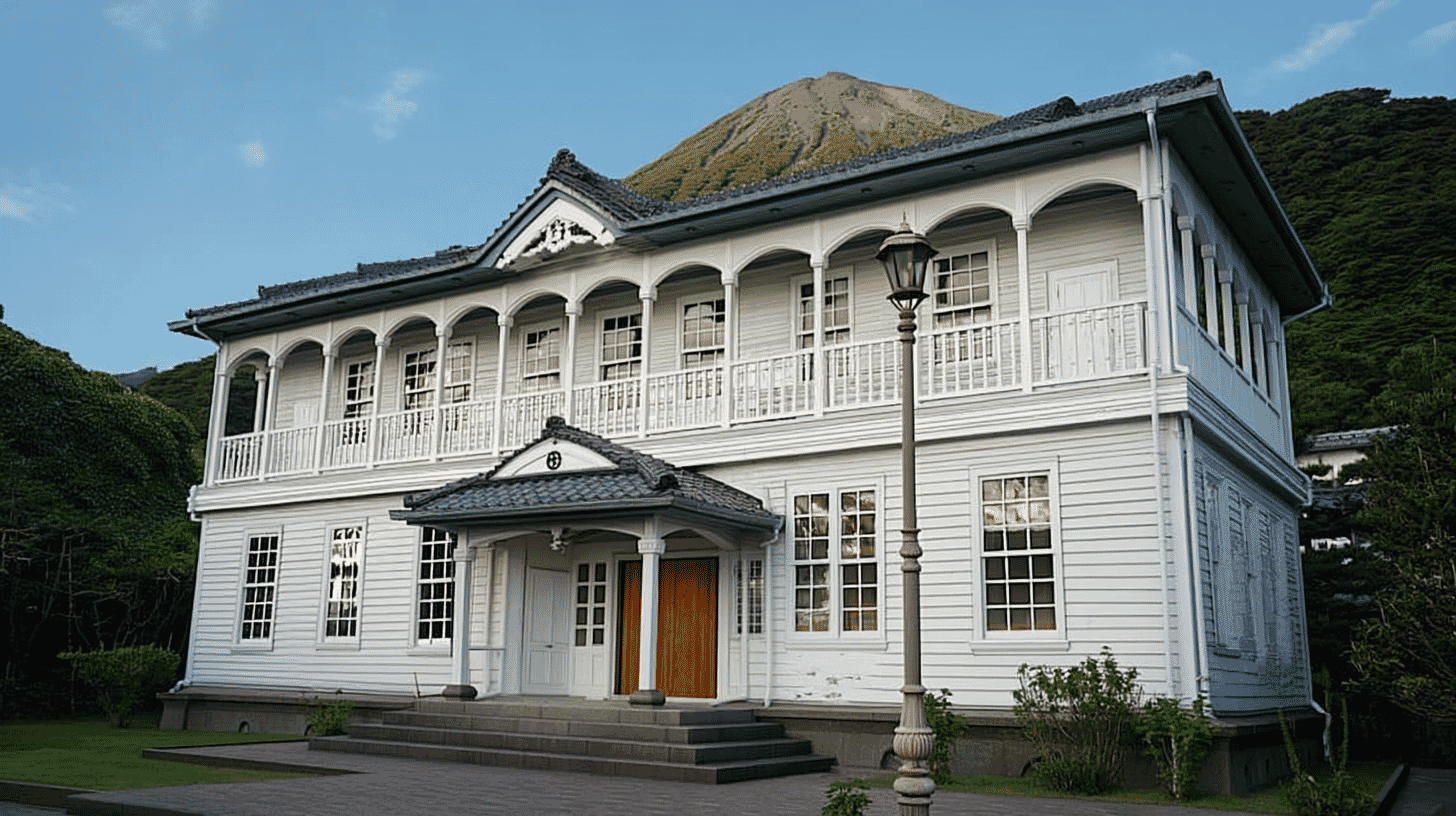
Discover the Former Shūseikan Machine Factory in Kagoshima, Japan's oldest surviving Western-style f...
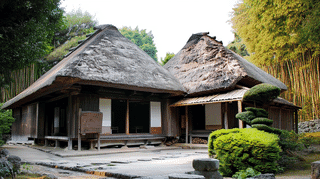
Discover the Nikaido Family Residence, a rare thatched-roof samurai home from 1810 in Kimotsuki, Kag...

Hakozaki Shrine's main hall in Isa, Kagoshima, is a small late-Muromachi hall of camphor wood, one o...
Hachiman Shrine's main hall in Isa, Kagoshima is an Important Cultural Property nicknamed the Shōchū...
The Furuichi Family Residence on Tanegashima is the island's oldest dated house, built in 1846 by a ...
The Okubo Toshimichi Related Documents, designated as an Important Cultural Property of Japan and ho...
Other Heritage
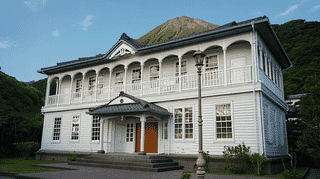
Discover the Former Shimazu Family Serigano Gold Mine Mining Office, a registered tangible cultural ...
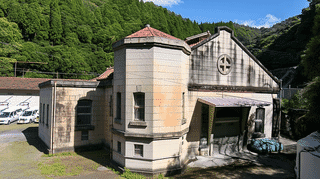
Discover the Ota Power Station in Kagoshima—a rare Meiji-era stone hydroelectric facility built by t...
Completed in 1937, the Minami Nihon Bank Head Office is a Registered Tangible Cultural Property blen...
Discover Sumiyoshi Shell Mound, a nationally designated historic site on Okinoerabu Island, Kagoshim...
Discover the Tachikiri and Yokomine archaeological sites on Tanegashima Island, Kagoshima — home to ...
Discover Biro Island (Birōjima), a Special Natural Monument in Kagoshima Prefecture. This uninhabite...
About Kagoshima
"Yakushima" (registered 1993), World Natural Heritage island located approximately 60 kilometers south of Kyushu mainland, is famous for virgin Yakusugi cedar forests exceeding 1,000 years old. Jomon-sugi, giant tree with estimated age 2,000-7,200 years, represents Yakushima's symbolic presence. Mountain regions with Miyanoura-dake (1,936 meters) peak possess diverse vegetation zones from subtropical to subarctic, called "Alps on the Ocean".
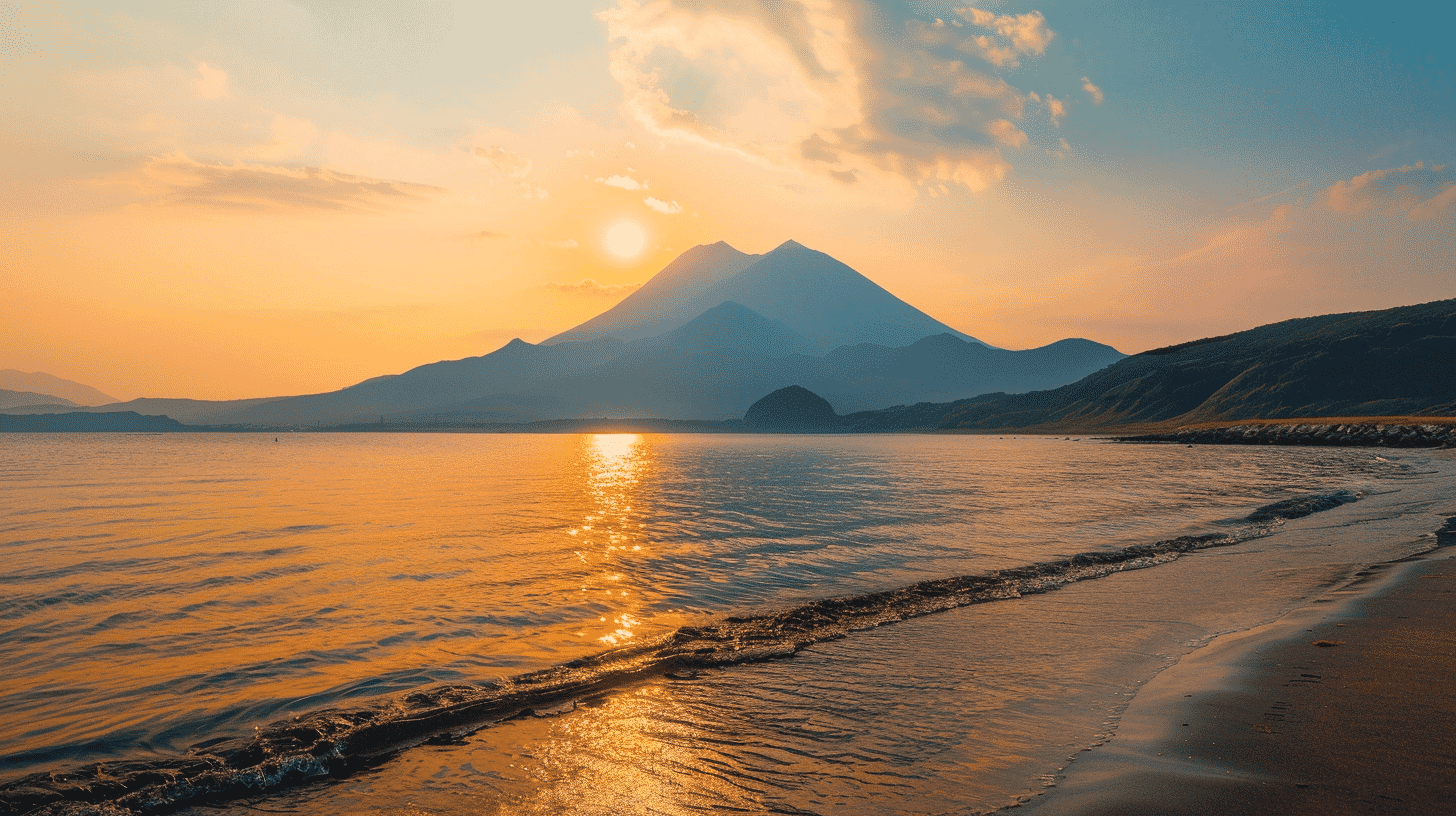
Sakurajima, Kagoshima City's symbolic presence, represents active volcano continuing vigorous volcanic activity. Annual approximately 1,000 eruptions create ash fall as part of Kagoshima residents' daily life. Specialty products utilizing volcanic ash soil include Sakurajima daikon radish and Sakurajima komikan citrus. Yunohira Observatory offers spectacular views of Kagoshima cityscape across Kinko Bay.
Ibusuki Onsen, hot spring resort at Satsuma Peninsula's southern tip, is famous for "sand bath." Sand bathing by covering with approximately 80-degree sand on beach represents rare global bathing method, allegedly promoting blood circulation and skin beautification. Natural sand baths at Surigahama Beach attract numerous tourist experiences.
Kirishima Mountain Range, mountain region on Miyazaki Prefecture border, is designated as Kirishima-Kinkowan National Park. Volcanic group featuring Karakuni-dake (1,700 meters) as highest peak includes Takachiho-mine and Shinmoe-dake. Known as Tenson Korin (heavenly grandson descent) mythology stage, Kirishima Shrine enshrines Ninigi-no-Mikoto.
Chiran Peace Museum for Kamikaze Pilots, facility conveying Pacific War final period kamikaze history, was built in Chiran town housing army kamikaze base. Displaying young kamikaze pilots' final letters and belongings, it serves as important place learning war's tragedy and peace's importance. Chiran samurai residence groups also preserve Edo period samurai houses, enabling historical experiences with beautiful gardens.
Amami Islands, islands approximately 400 kilometers south of Kagoshima Prefecture mainland, possess distinctive culture and nature. Comprising Amami Oshima, Tokunoshima, Okinoerabu, and Yoron islands, they attract with subtropical beautiful seas and rich nature. Amami Oshima is also famous as Oshima tsumugi production area, creating beautiful silk textiles through mud-dyeing techniques.
Kagoshima food culture prominently features nationally famous kurobuta (black pig). Black pigs raised in Satsuma region for over 400 years feature tender, sweet meat with odorless fat. Enjoyed as kurobuta tonkatsu, shabu-shabu, and kakuni, they represent Kagoshima's signature gourmet.
Satsuma-age, Kagoshima-origin fish cake locally called "tsuke-age," features fresh fish paste with vegetables and seasonings oil-fried. Versatile ingredient delicious eaten directly or added to stews, available with various ingredients including burdock, carrots, squid, and octopus.
Satsuma-imo (sweet potato) represents Kagoshima Prefecture's signature agricultural product, comprising about 40% national production. Many varieties including Beni-haruka, Anno-imo, and Beni-satsuma are cultivated, widely used as roasted sweet potatoes and shochu ingredients. Particularly, Anno-imo features high sugar content, offering honey-like sweetness when roasted.
Satsuma kiriko, cut glass crafts begun by Shimazu Nariakira during late Edo period, uses techniques layering colored glass over clear glass and cutting. Characterized by beautiful colors including red, blue, purple, and gold-red plus delicate cut patterns, continuing as Kagoshima traditional craft today.
Imo-jochu (sweet potato shochu) represents Kagoshima Prefecture's signature distilled liquor made from sweet potatoes. Unique production methods using black koji create shochu utilizing sweet potato sweetness and aroma. Premium shochu including Moriizo, Murao, and Maou enjoy nationwide popularity, sometimes called "Satsuma miracles."
Browse by Type
Designation categories represented in the prefecture, with counts.
Ikeda Shiba Festival · Ichiki Tanabata Dance · Yagoro-Don of Iwakawa
Akagi Castle Ruins · Amami Oshima Fortress Ruins · Pyroclastic Flow Deposits in the Tenmoku River Basin
Izumi City Izumi Foothills · Irikiroku, Satsumasendai City · Chiran, Minamikyushu City
Arasetsu Event in Akina · Boze on Akuseki Island · Ichiki Tanabata Dance
Shimizu Family Garden · Torihama Family Garden
Brown Sugar Production Techniques of the Satsunan Islands
Amami Bashayama Folk Village Former Yasuda Family Residence · Former Hoanden Hall of Ikeji Elementary and Junior High · Ikeda Family Residence Ishikura
Kagoshima in Periods
Periods represented by designated properties in the prefecture.