
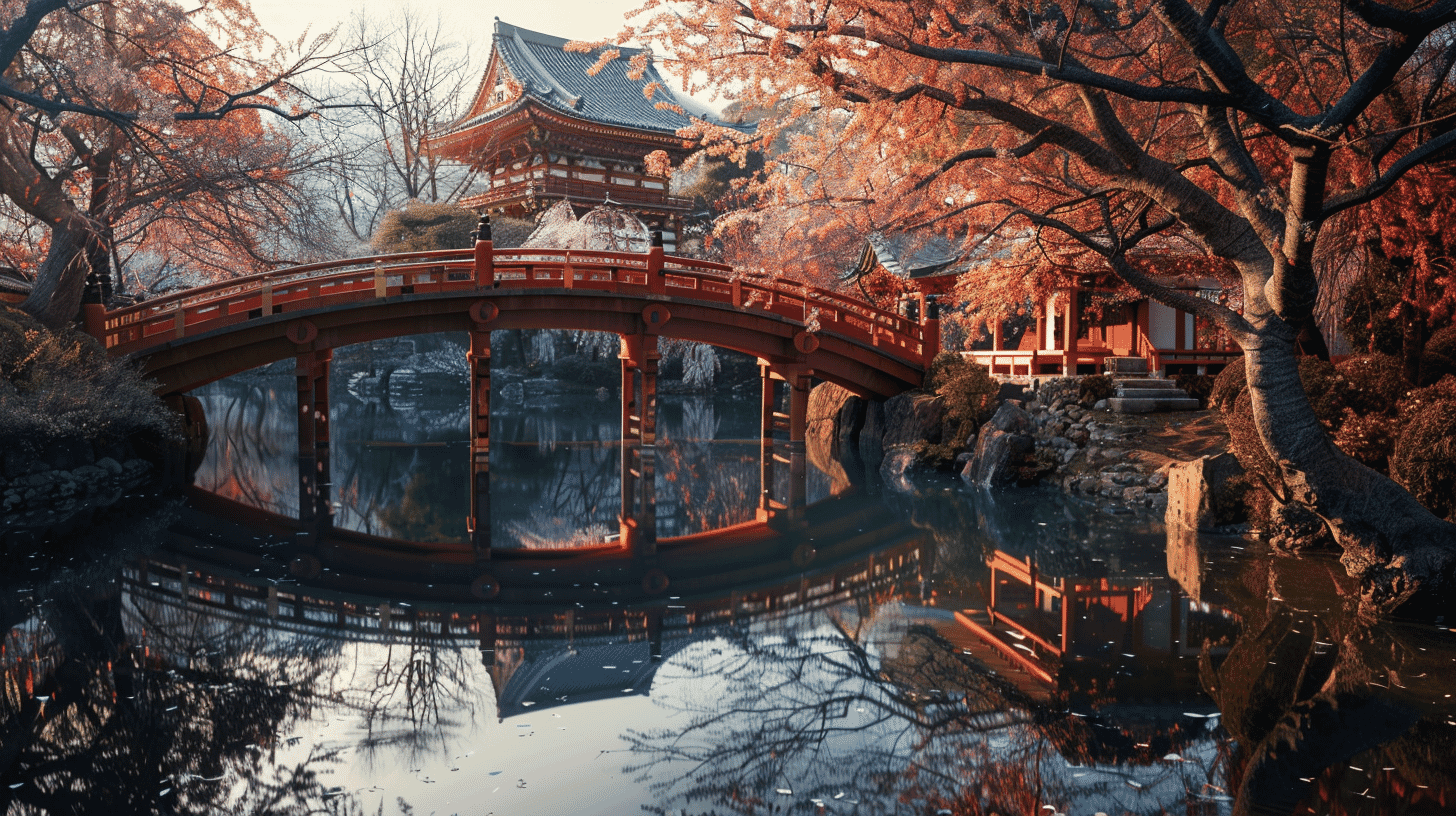
Dazaifu temples, Munakata shrines, and castle towns lead Fukuoka's story. Map cultural properties with airport-easy access.
National Treasures
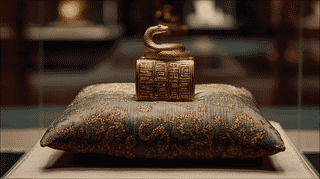
A solid gold seal of the Yayoi period at the Fukuoka City Museum, found on Shikanoshima in 1784. Its...
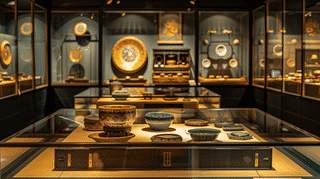
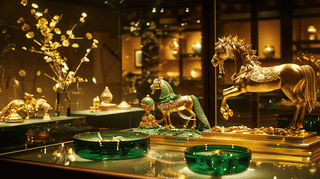
Objects said to come from the Okitsumiya ritual site on Okinoshima. The word attributed marks unconf...
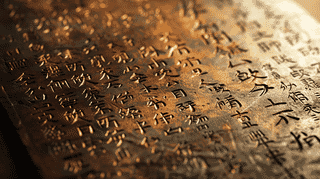
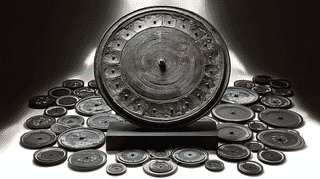
Heian copper plates found on Mount Kubote in Fukuoka, now at the Kyushu National Museum. Made in 114...
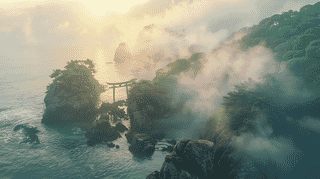
Finds from the Okitsumiya ritual site on Okinoshima in Fukuoka, spanning the Kofun to Heian periods....
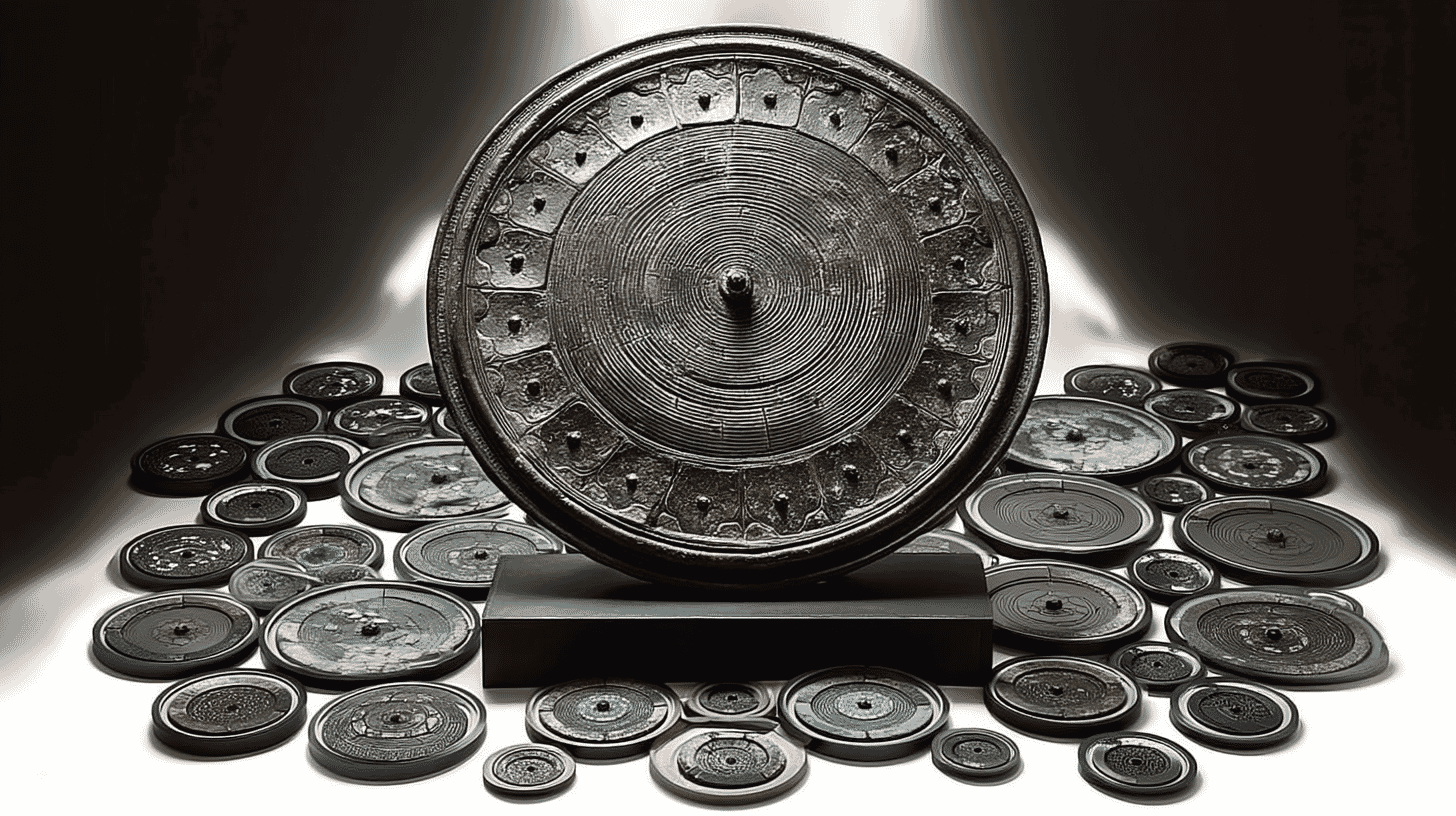
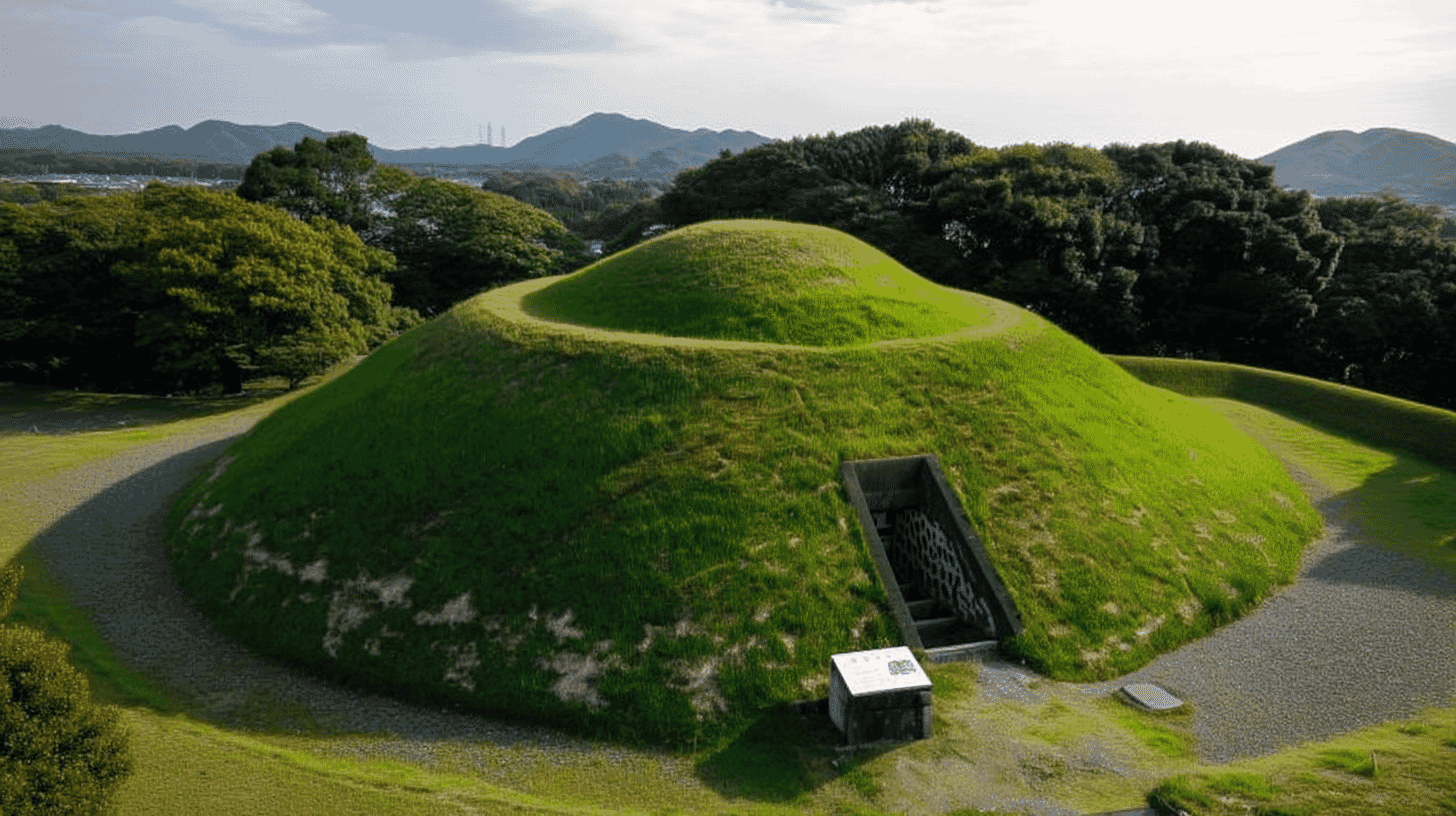
Grave goods from an early seventh-century mound in the precinct of Miyajidake Shrine in Fukuoka, inc...
Yayoi-period finds in Fukuoka Prefecture, listed as a single lot. What came from the central burial ...
Important Cultural Properties
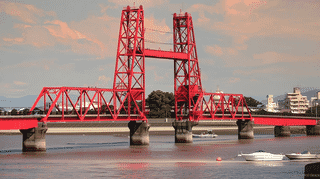
A Showa-period lift bridge between Fukuoka and Saga Prefectures. It was registered first there and i...
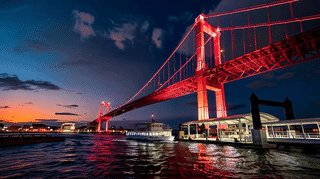
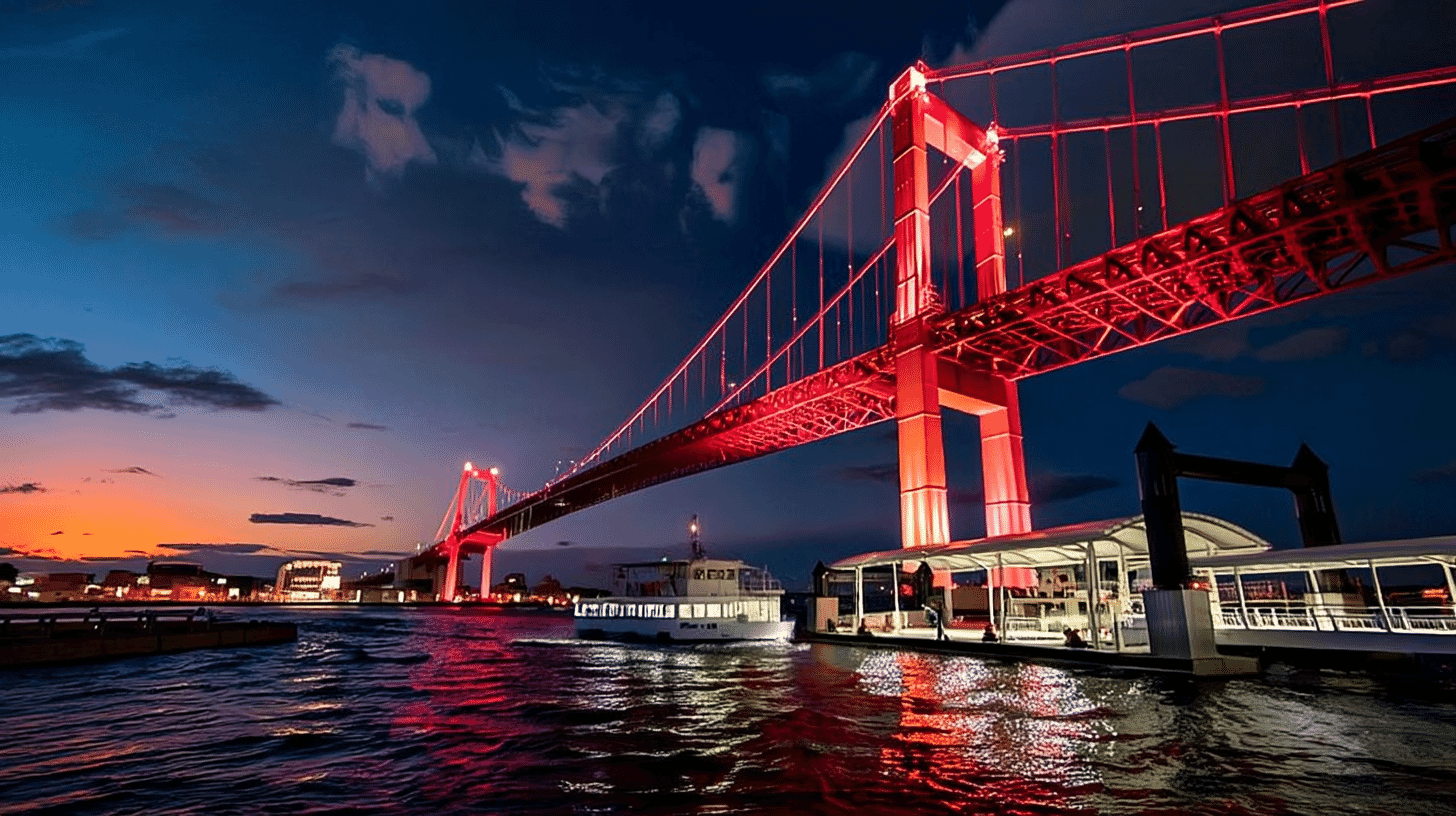
A Showa-period steel suspension bridge in Kitakyushu, Fukuoka Prefecture. Reading glosses sit right ...

Discover the Arima Family Mausoleum at Bairinji Temple in Kurume, Fukuoka—five mausoleum buildings d...
Located in eastern Fukuoka City, the Main Hall of Kashii-gu is a nationally designated Important Cul...
Sakurai Shrine in Itoshima keeps its 1632 main hall, worship hall, and gate before a sacred cave fro...
A 3.35-meter granite pagoda on a Dazaifu hill, raised in the 13th century on the site of the lost Ha...
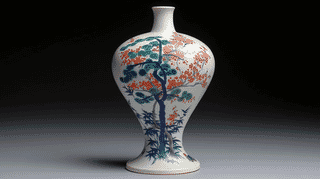
An Edo-period porcelain sake bottle held at Dazaifu in Fukuoka Prefecture, Japan. Its own matching f...
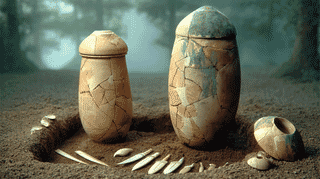
Yayoi-period archaeological finds from Chikushino, Fukuoka Prefecture, Japan. One single excavation ...
A 31-cm Nabeshima porcelain dish at Kyushu National Museum. Red and white peonies rise from a Taihu ...
Held at the Kyushu National Museum, this Important Cultural Property is a Yuan-dynasty Chinese tea b...
A Heian Eleven-Headed Kannon at Hase-dera in Kurate, Fukuoka. Carved from one camphor block, about 1...
Discover the Gojō Family Documents, an Important Cultural Property in Yame, Fukuoka. This collection...
Other Heritage
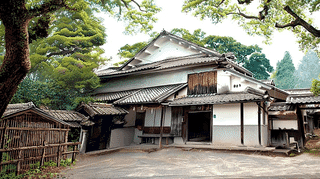
Discover Kusumori Kawakita Residence, a Nationally Registered Tangible Cultural Property in Ukiha, F...
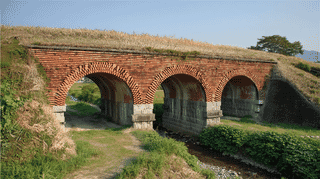
Explore the Uchida Triple Bridge (Uchida Sanren Kyōryō), a beautifully preserved 1895 brick arch rai...
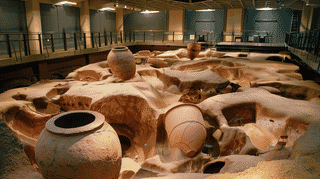
Explore the Kanekuma Archaeological Site in Fukuoka, a nationally designated historic site featuring...
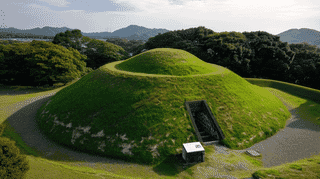
Explore the Yame Kofun Group in Fukuoka, Japan - home to 300 ancient burial mounds including the tom...
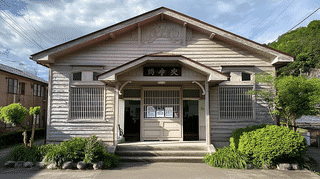
Discover Kyu-Daigaku-yu, a 1932 bathhouse-turned-cultural hub in Fukuoka's Hakozaki district. Explor...
Maedaen Honten Store in Nogata, Fukuoka, is a tea merchant's shop of about 1927, black-plastered and...
About Fukuoka
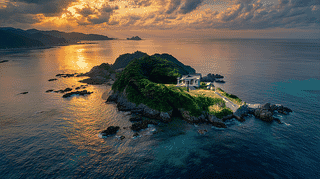
"Sacred Island of Okinoshima and Associated Sites in the Munakata Region" (registered 2017) represents World Cultural Heritage narrating faith history from ancient to modern times. Okinoshima, called "Shosoin of the Sea," represents sacred island where national rituals occurred from late 4th through late 9th centuries, with approximately 80,000 votive offerings discovered. Strict prohibitions against women and general public entry continue today, with entire island considered sacred object.
Dazaifu Tenmangu, head shrine enshrining learning deity Sugawara no Michizane, represents Kyushu's premier tourist destination welcoming approximately 10 million annual worshippers. Exam seasons attract numerous students nationwide for success prayers. Precincts house about 6,000 plum trees, famous for "flying plum" legend allegedly following Michizane from Kyoto. Omotesando approach features traditional shopping streets offering specialty umegae-mochi.
Hakata Gion Yamakasa, representative Hakata summer festival with over 700 years history, gained UNESCO Intangible Cultural Heritage status. Held annually July 1-15, spectacular "oiyama" features men carrying kakiyama floats through Hakata streets with "oissa, oissa" chants. Elaborate kazariyamakasa displays throughout city create gorgeous summer traditions.
Fukuoka Castle, construction begun by Kuroda Nagamasa in 1601, is currently maintained as Maizuru Park. Spring attracts visitors as cherry blossom spot with approximately 1,000 trees, with beautiful night illuminations. Keep foundation ruins offer spectacular views overlooking Fukuoka cityscape and Hakata Bay.
Yanagawa City, known as water town, features popular canal boat rides as tourist attractions. Approximately 930 kilometers of waterways spread net-like through Yanagawa, which flourished as castle town during Edo period. Donko boat rides offer different seasonal atmospheres year-round. Also famous as poet Hakushu Kitahara's birthplace, with memorial museum introducing his life and works.
Hakata ramen represents Fukuoka's signature gourmet, featuring pork bone soup with thin noodles enjoying nationwide popularity. Hakata ramen characteristics include pork bones simmered until soup turns milky white and selectable noodle firmness. Choosing preferred hardness from "barikata," "kata," "normal," or "yawa," with kaedama (extra noodles) represents Hakata-style enjoyment.
Mentaiko represents Fukuoka's signature specialty, particularly spicy mentaiko featuring pollock roe marinated in chili peppers and salt. Used widely as rice accompaniment and cooking ingredient. Hakata Station and Fukuoka Airport offer numerous manufacturer products as standard Fukuoka souvenirs.
Motsu-nabe, Fukuoka-origin cuisine, spread nationwide. Hot pot featuring beef or pork offal simmered with vegetables in soy sauce or miso-based broth, popular among women as collagen-rich beauty and health cuisine.
Browse by Type
Designation categories represented in the prefecture, with counts.
Ashiya's Hassaku Festival · Kasuga's Groom · Sensational Pleasure
Ainoshima Stone Tomb Group · Ae Government Office Ruins · Asakura Sue Ware Kiln Site, Oguma Kiln Site, Yamakuma Kiln
Akizuki, Asakura City · Ukiha City Chikugo Yoshii · Ukiha City Shinkawa Tago
Kubodai Rural Landscape
Kasuga's Groom · Sensational Pleasure · Kowakamai
Ohori Park · Hirata Family Garden
Tanie Coin Materials · Tani Family Nohgaku Materials
Art Space Tanio (former Juushichi Bank Nogata Branch) · Isa Family Main House · Isa Family Storehouse
Fishing Equipment and Shipwright's Tools from the Genkai Sea
Fukuoka in Periods
Periods represented by designated properties in the prefecture.