
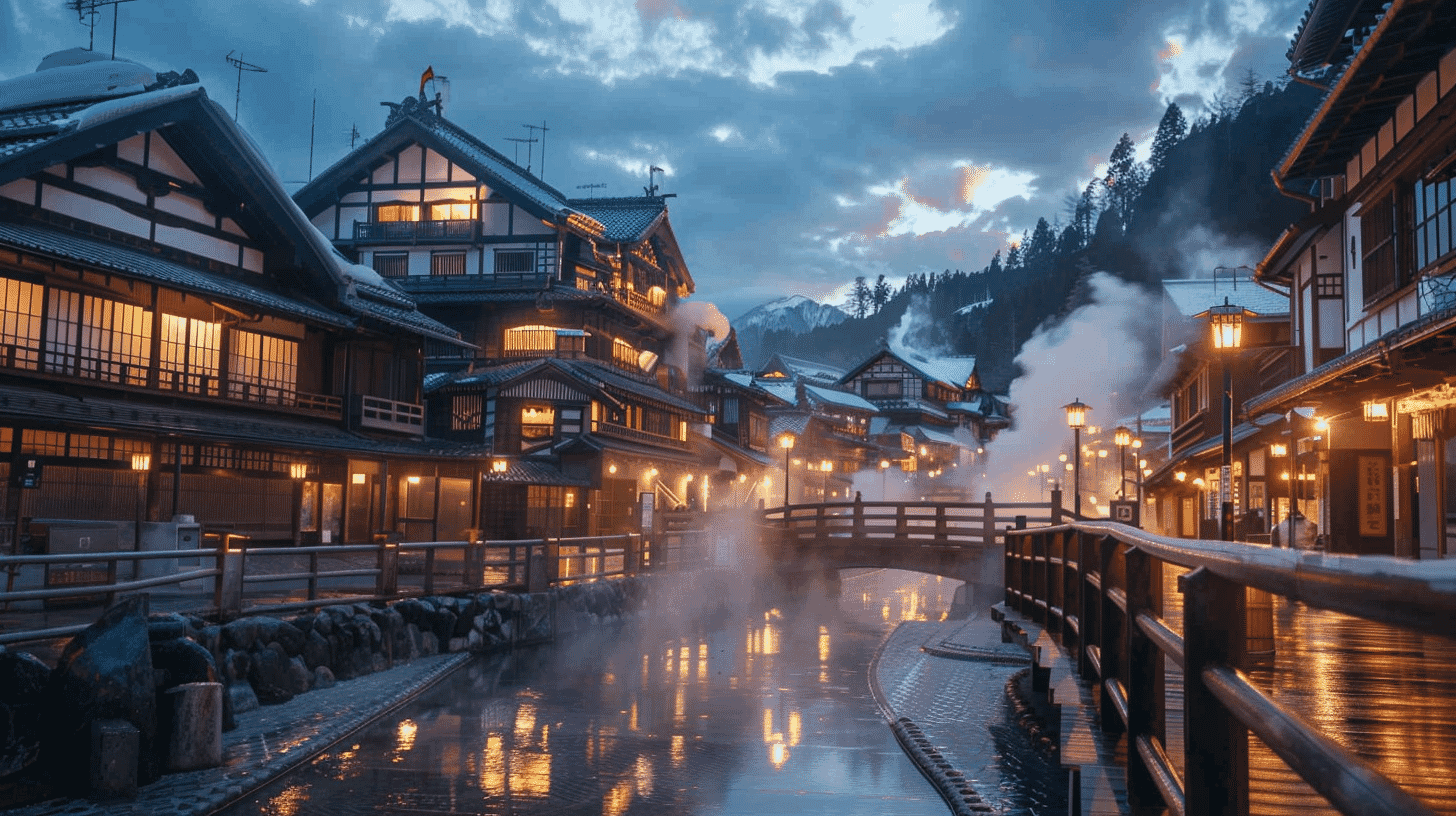
From the Tomioka Silk Mill to mountain shrines and hot-spring towns, Gunma connects industry and faith. See key properties with travel notes.
National Treasures
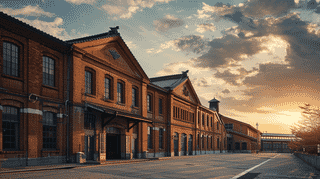
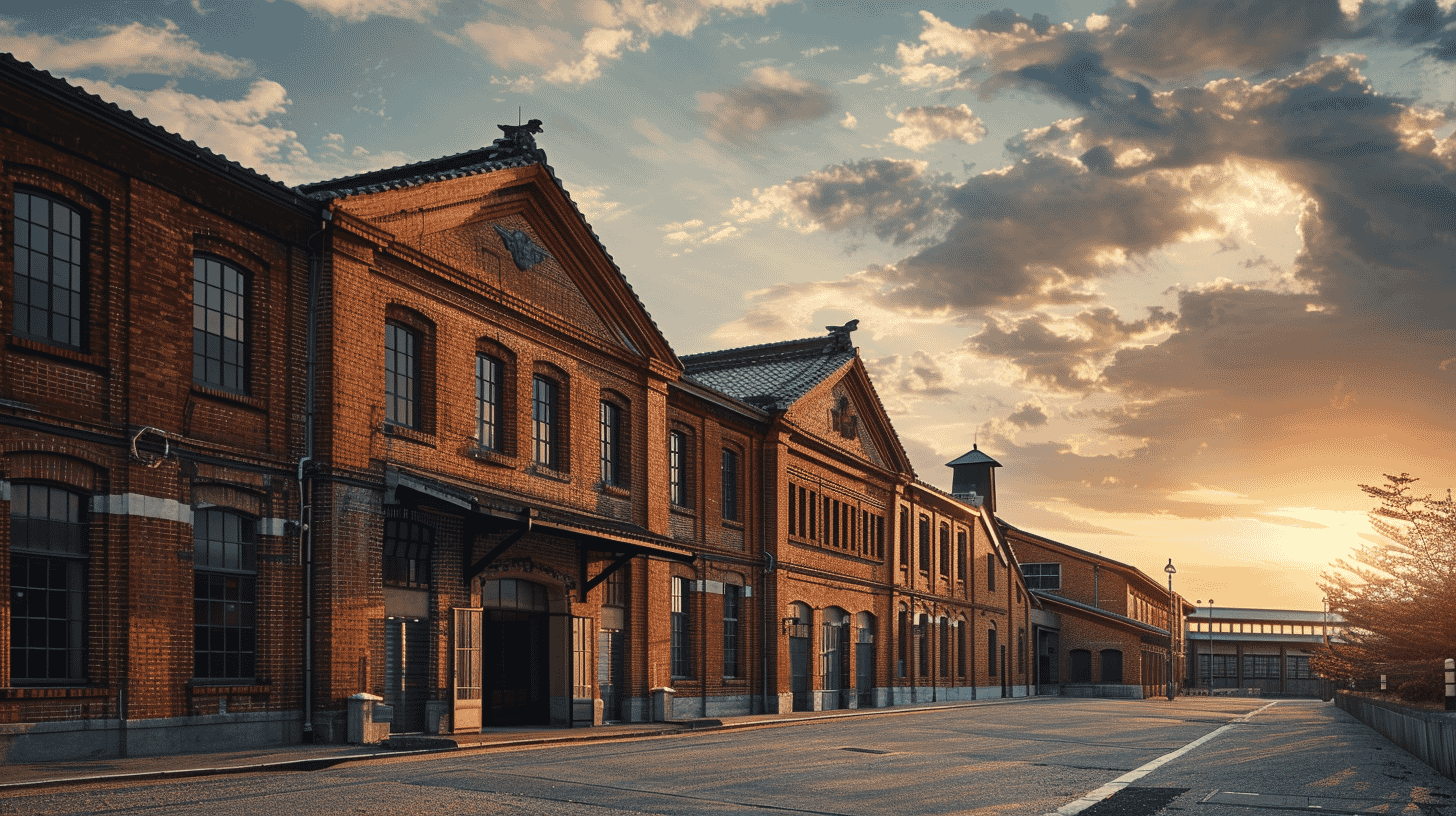
The Former Tomioka Silk Mill in Gunma opened in 1872 as a state reeling mill. Its 140-metre reeling ...

At the Watanuki Kannonyama Tumulus in Takasaki, Gunma, an unlooted 6th-century chamber held grave go...
A Southern Song celadon vase of shimokabura form, a Japanese National Treasure with a smooth, crackl...
World Heritage Sites
Important Cultural Properties
The Kasa Sotōba in Ishihara, Shibukawa City, Gunma Prefecture, is a stone memorial tower erected in ...
Discover the Chorakuji Hoto, a rare Kamakura-period stone pagoda inscribed with the year 1276, stand...
A 1.85-meter andesite pagoda in Kiryu, Gunma, carved with the date 801 and 45 characters offering me...
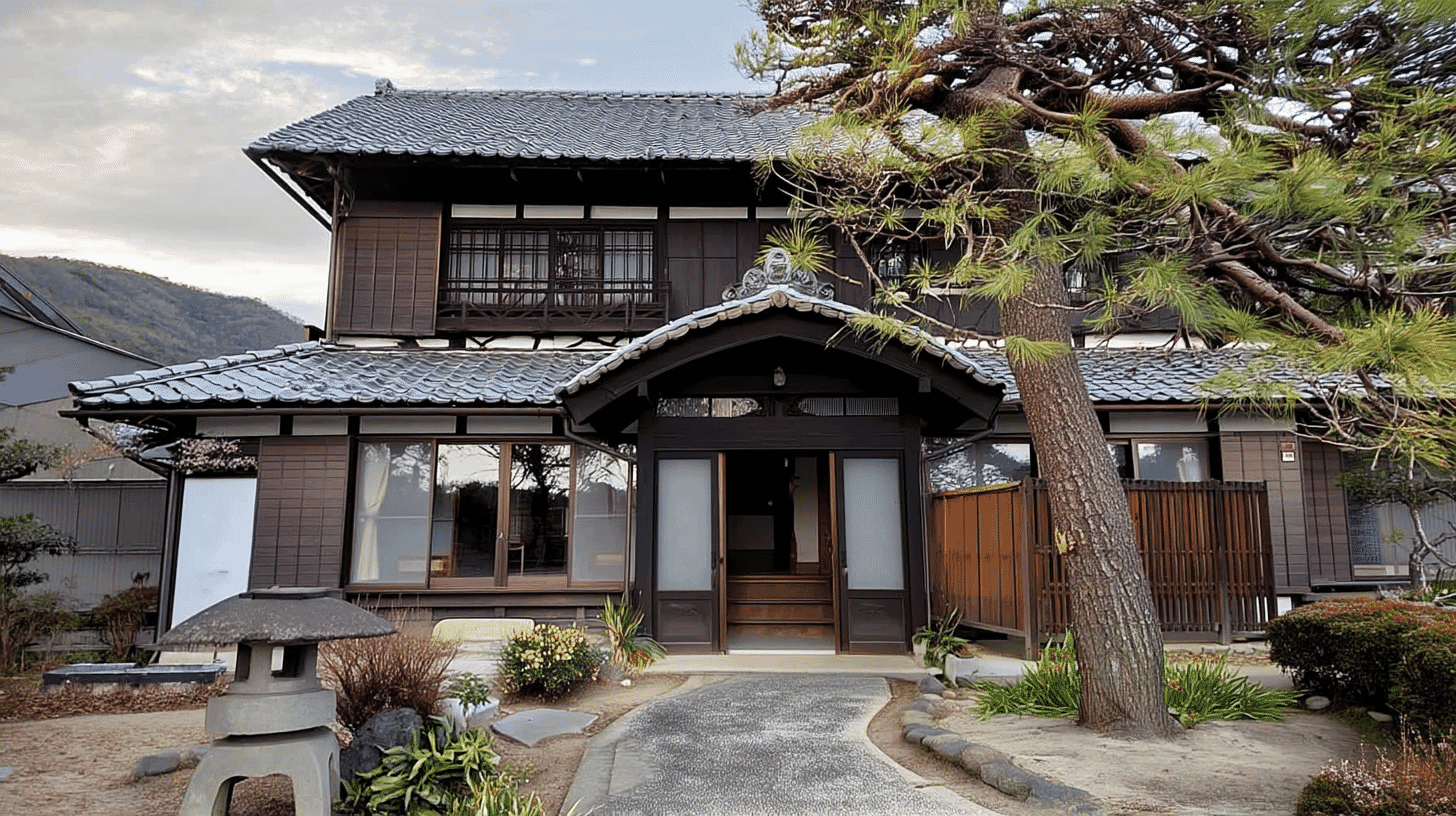
Discover the Tomizawa Family Residence, an Important Cultural Property in Nakanojo, Gunma. Built aro...
The Hachimangu-Inari Shrine Hall, a subordinate shrine within the precincts of Raiden Shrine in Itak...
Designated a National Important Cultural Property, this collection from the late fifth-century Butai...
Preserved at Fudō-ji Temple in Gunma Prefecture, this stone standing statue of Fudō Myōō bears the i...
Other Heritage
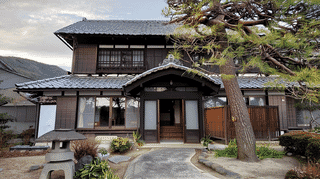
Discover Shigeta House in Tamamura, Gunma - a 300-year-old physician's estate with 7 nationally regi...
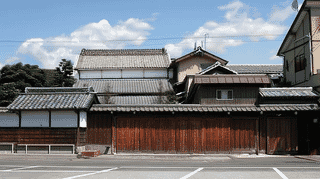
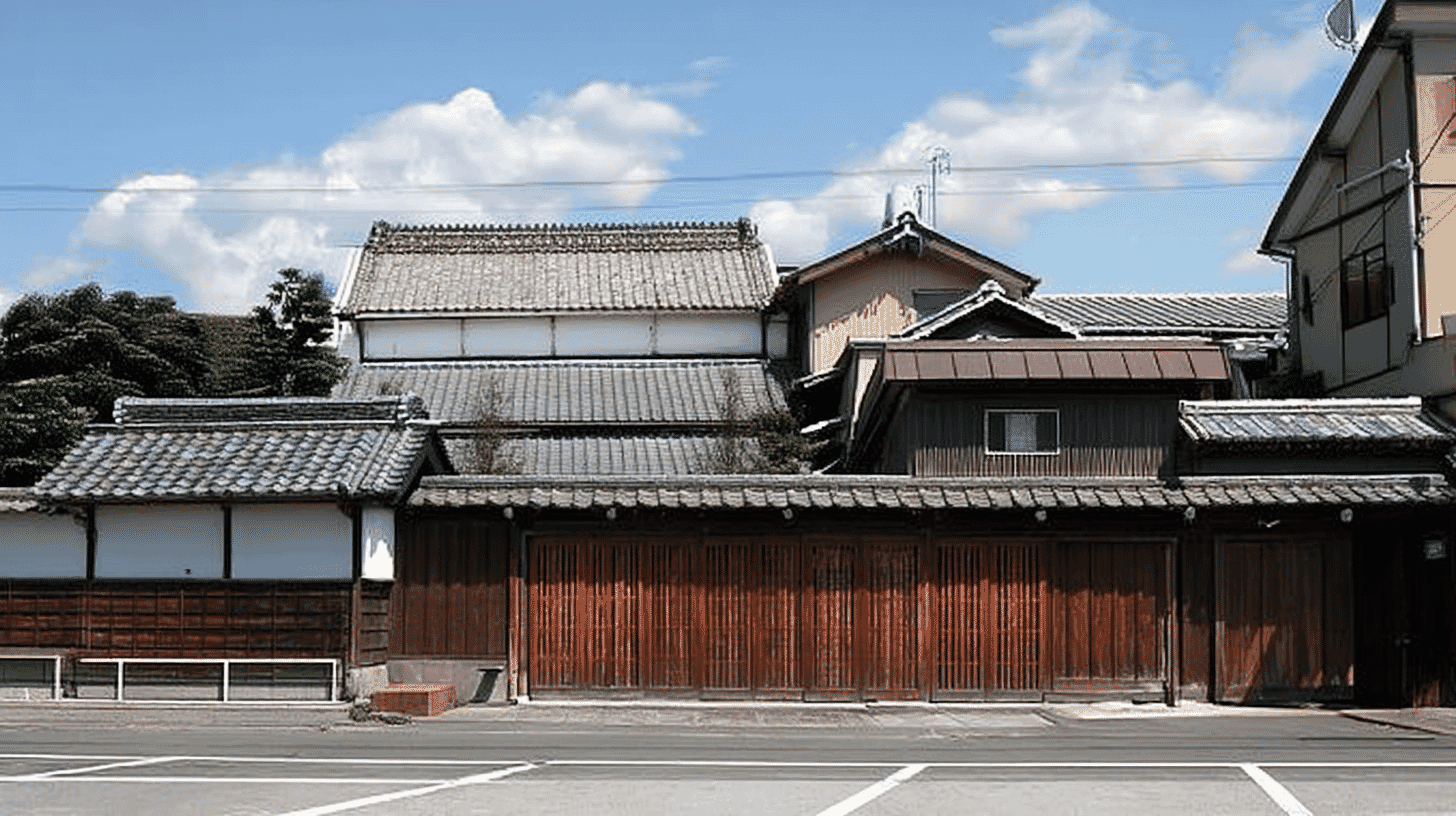
Discover the Ogiwara Family Residence, a nationally registered cultural property in Kiryu City, Gunm...
Completed in 1955 above Haruna Shrine in Takasaki, this 69-metre erosion-control dam is faced in dia...
Discover the Karasugawa Upstream Sabo Dam in Takasaki, Gunma — a 1951 gravity concrete dam registere...
This late Edo gatehouse of the Shinden honjin at Nakayama-juku in Takayama, Gunma, served as the loc...
At Ōana Onsen in Minakami, Gunma, this bath sits deep in a tunnel hewn into the bedrock, where Moral...
About Gunma
"Tomioka Silk Mill and Related Sites" (registered 2014) symbolizes the government-promoted industrial development policy. Tomioka Silk Mill, established in 1872 as a government model silk mill, introduced French technology and marked the starting point for Japanese silk industry modernization. Wood-framed brick building groups remain nearly perfectly preserved, extremely valuable as Meiji period industrial architecture.
Tajima Yahei Sericulture Farm represents sericulture farmhouse architecture masterpiece, serving as residence and silkworm room for Tajima Yahei, who developed innovative "seiryo-iku" sericulture techniques. The architectural style called "Tajima Yahei type," featuring turrets above general roofing, spread nationwide as modern sericulture farmhouse architecture prototype. Takayama-sha site originated sericulture education institutions, contributing to sericulture technique dissemination with disciples nationwide.
Kusatsu Onsen, one of Japan's three great hot springs, boasts abundant 32,300 liters per minute discharge. Strongly acidic sulfur springs reach source temperatures of approximately 50-90 degrees. Yubatake (hot water field), Kusatsu's symbol, represents the center where 4,000 liters per minute springs forth, positioned centrally in the hot spring town. Yumomi, Kusatsu Onsen's unique bathing method, traditionally adjusts high-temperature water to suitable temperatures by stirring with wooden boards.
Ikaho Onsen, ancient hot springs mentioned in Manyoshu, is famous for stone step streets. 365 stone steps lined with inns and souvenir shops create hot spring atmosphere. Two sources - golden water and silver water - allegedly offer different benefits.
Oze, highland marsh spanning Gunma, Fukushima, Tochigi, and Niigata prefectures, is designated a Special Natural Monument. Ozegahara, positioned at 1,400 meters elevation, is called "Asia's largest highland marsh" and treasures alpine plants including skunk cabbage and Nikko day lily. Late May to early June skunk cabbage season attracts many hikers.
Mount Akagi, Gunma's symbolic presence, features caldera lakes Onuma and Konuma. Spring brings beautiful akayashio azaleas and rhododendrons, autumn brings foliage, attracting climbers and tourists year-round. Mount Haruna similarly offers beauty with Lake Haruna as popular tourist destinations.
Gunma's food culture centers on konjac, comprising about 90% of national production. Shimonita konjac is particularly renowned for quality, featuring elasticity and flavor absorption. Yaki-manju, Gunma regional confection, involves grilling steamed buns coated with sweet miso sauce.
Shimonita leeks, thick leeks specialty of Shimonita town, increase sweetness when heated. Known nationwide as essential sukiyaki ingredients. Daruma dolls, famous as Takasaki City good luck charms, comprise about 80% of national daruma production.
Tsumagoi village, famous for highland cabbage production, produces high-quality cabbage utilizing cool summer climate. Additionally considered onsen manju (hot spring buns) birthplace, they remain beloved at many hot spring locations.
Browse by Type
Designation categories represented in the prefecture, with counts.
Azuma Tea Ceremony Customs · The Fireflies of Ohinata · Father's Hina Doll Rice Porridge
Agatsuma Gorge · Mt. Asama Lava Tree Mold · Arafune Higashidani Wind Cave Silkworm Seed Storage Site
Kiryu-Shinmachi, Kiryu City · Nakanojo Town Rokugo Akaiwa
Waterscape of the Tone River and Watarase River Confluence
Lantern Dolls of Annaka-Juku · Katashina Monkey Chase Festival · Joshu Shirakubo Tea Ceremony
Ikaho Tourist Hotel · Ishizaka Family Main House · Ishizaka Family Storehouse
Minamimaki Village Mountain Village Production Tools · Maebashi Sericulture and Silk Reeling Equipment and Related
Gunma in Periods
Periods represented by designated properties in the prefecture.