
Kōchi Castle, Buddhist halls, and river-sea folklore color Kōchi. Explore cultural properties with market-day detours.
National Treasures
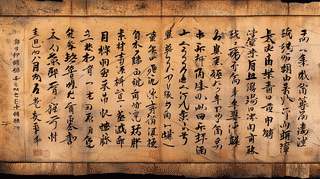
A late Heian-period scroll kept in Kochi Prefecture, handed down under one single name but held to b...
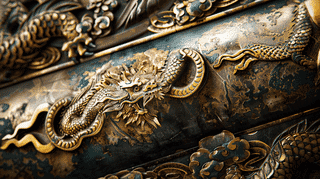
A Kofun-period sword owned by Omura Shrine in Kochi Prefecture. Its own commentary carries two slips...
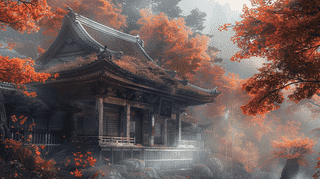
Experience Japan's authentic Buddhist heritage at Burakuji Yakushido, Shikoku's oldest building and ...
Important Cultural Properties
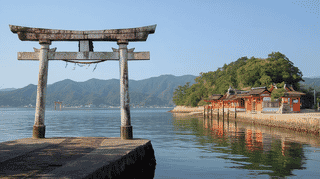
Two Edo-period shrine structures in Kochi Prefecture. Their own value here rests on how very few oth...

Discover the Main Hall of Asakura Shrine in Kochi, a nationally designated Important Cultural Proper...
Kochi is the only Japanese castle where the whole honmaru survives and the original keep and lord's ...
Discover the Kondo (Golden Hall) of Tosa Kokubunji in Nankoku, Kochi. Rebuilt in 1558 by the Chosoka...
Discover Kinrinji Yakushido, an Important Cultural Property nestled in the mountains of Umaji Villag...
Built around 1797 in Otoyo Town, Kochi, this thatched shoin was the last lodging inside Tosa on the ...
Other Heritage
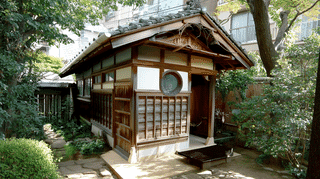
Discover the Tanitoyoke Residence Toilet, a nationally registered tangible cultural property in Tano...
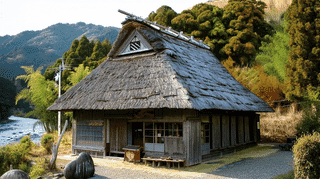
Discover the Former Kadowaki Family Residence, a nationally registered cultural property in Shimanto...
An 18-metre reinforced concrete garden wall of the early Showa era, pierced with curved diamonds and...
A 39-square-metre Taisho storehouse in Kochi answering typhoon country with drip tiles, a ventilated...
Built in 1890 and relocated around 1917, this 201-square-metre Kochi house wears a hipped tile roof ...
Discover the Former Taisho Forest Road Sagawa Bridge (Megane Bridge) in Shimanto Town, Kochi. This 1...
About Kochi
Kochi Castle, built by Yamauchi Kazutoyo after Battle of Sekigahara, represents Japan's only castle where both keep and honmaru palace survive. Designated as important cultural property as one of 12 existing keeps, it survived repeated disasters including Nankai earthquakes over 400+ years history. Keep offers spectacular views of Kochi cityscape and Pacific Ocean.
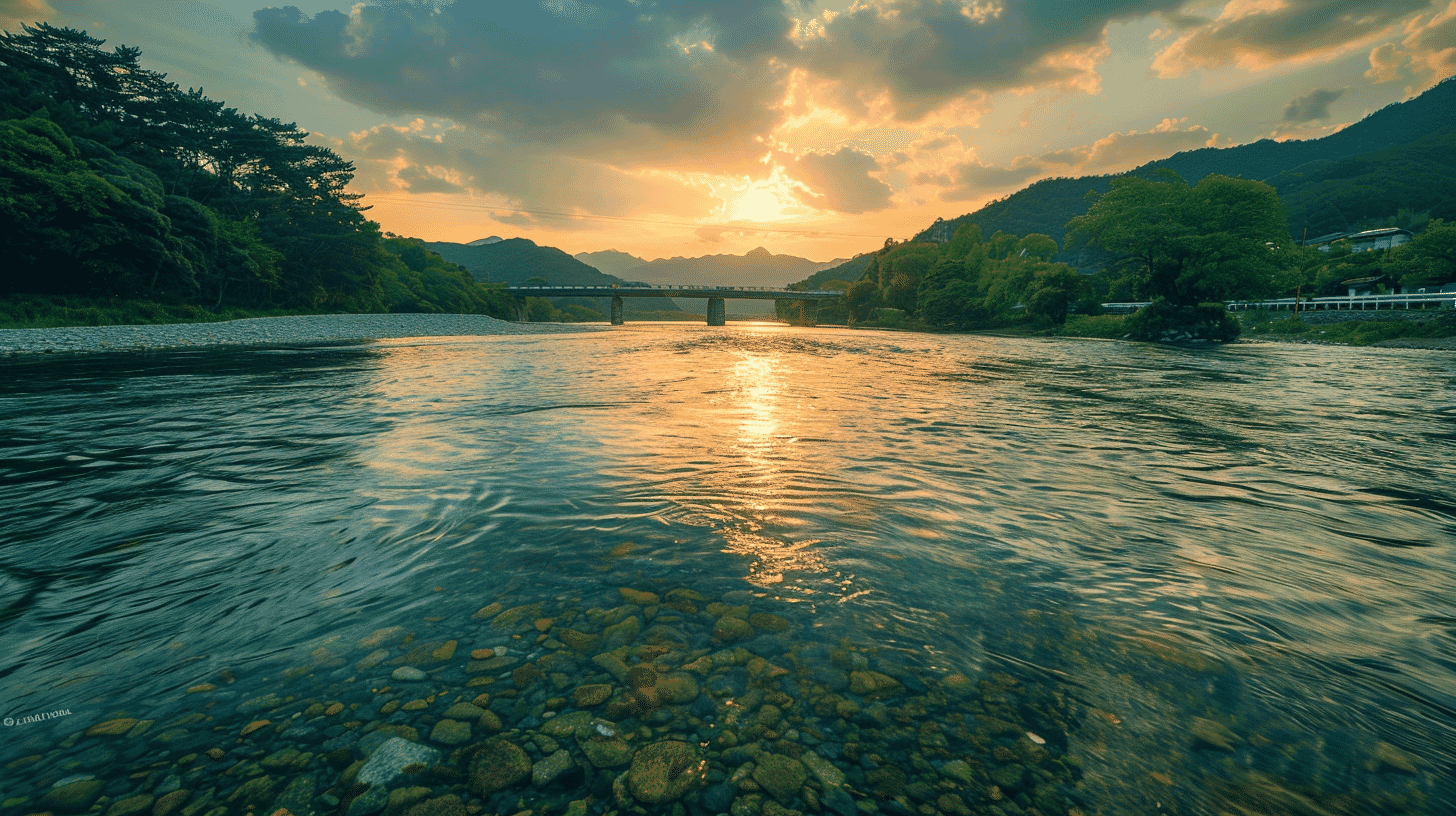
Shimanto River, Shikoku's longest 196-kilometer river flowing through western Kochi Prefecture, is beloved as "Japan's last clear stream." Maintaining natural state without main river dams, it houses numerous freshwater fish including sweetfish, eels, and prawns. Submersible bridges represent signature Shimanto scenery, designed to submerge during floods.
Burakuji Yakushi-do in Otoyo town represents national treasure building, built in 1151 as Shikoku's oldest surviving structure. Yakushi hall built based on Yakushi Nyorai worship, well-preserving late Heian period Japanese-style architectural characteristics.
Bonito pole-and-line fishing represents Kochi Prefecture's signature fishery, with prefecture energizing during first bonito and returning bonito seasons. Straw-grilled bonito tataki represents Kochi's specialty cuisine, searing surface over strong fire while keeping interior raw, typically eaten with condiments including garlic and ginger.
Yosakoi Festival, held annually August 9-12 as Kochi City's largest event, features approximately 200 teams and 20,000 dancers in large-scale festival. Characterized by naruko (wooden clappers) dancing, now inspiring yosakoi-style festivals nationwide.
Tosa-buntan represents Kochi Prefecture's signature citrus featuring elegant sweetness and refreshing aroma. Winter fruit enjoyable December through April, particularly suisho-buntan with high sugar content popular as gifts.
Hirome Market, stall village-style market in Kochi City, represents tourist spot enjoying fresh seafood and Tosa local cuisine. Casual enjoyment of specialty dishes including bonito tataki, Tosa-maki, and countryside sushi with local sake.
Sara-hachi cuisine represents Tosa banquet cuisine featuring large plates with boldly arranged sashimi, sushi, and simmered dishes. Central to "okyaku" banquet culture, expressing Tosa "igosso" (stubborn) temperament.
Active sake brewing features famous brands including Tosa-tsuru, Shibotan, and Suigei. Kochi Prefecture leads Japan in sake consumption, with preference for dry sake earning nickname "Tosa sake is man's sake."
Browse by Type
Designation categories represented in the prefecture, with counts.
Akihabara Festival Entertainment · Ikegawa Kagura · Izanagi Style Prayer
Fern Colony in Iokido · Irino Pine Grove · Otani's Kus
Doi-Kukurunaka, Aki City · Kiragawacho, Muroto City
View of Kure Port and Fishing Town · Cultural Landscape of the Shimanto River Basin Livelihoods, · Cultural Landscape of the Shimanto River Basin Mountain
Kira River Rice Festival · Tosa Kagura
Tosa-Bushi Manufacturing Techniques
Ashizuri Submarine Museum · Arisawa Family Residence · Main Building of Arisawa Family Residence
Kochi in Periods
Periods represented by designated properties in the prefecture.