Kamakura's Great Buddha, samurai shrines, and coastal temples define Kanagawa. Explore cultural properties with day-trip ideas from Tokyo.
National Treasures
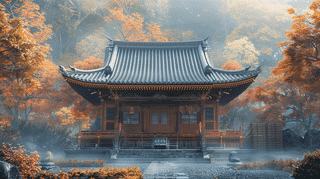
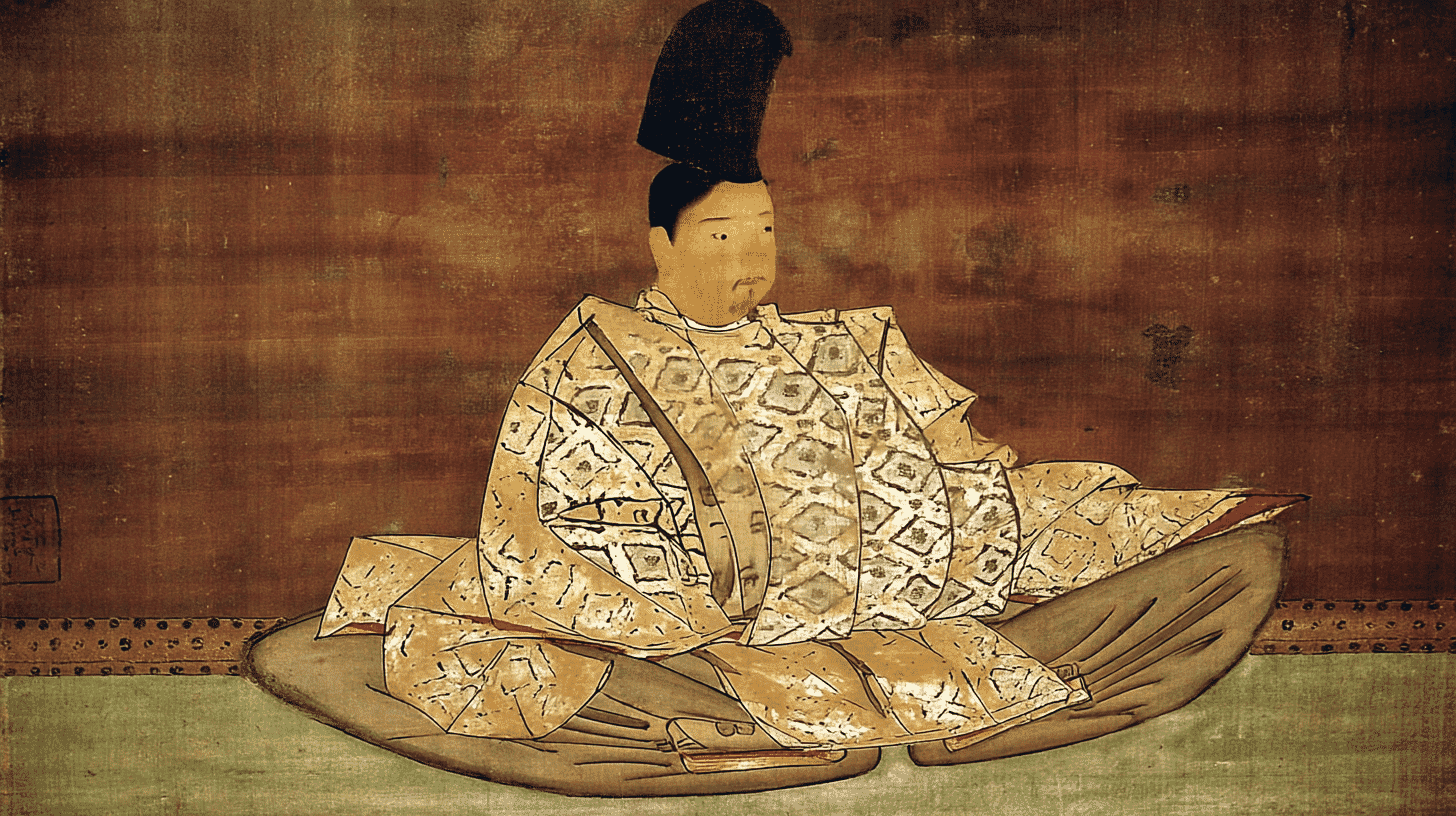
A mid-Muromachi hall at Shozokuin within Engakuji in Kamakura, held the oldest and purest Zen-style ...
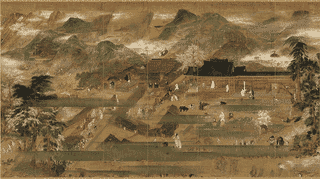
A Kamakura-period handscroll set at Shojokoji in Kanagawa. Its seventh scroll alone is held in Tokyo...
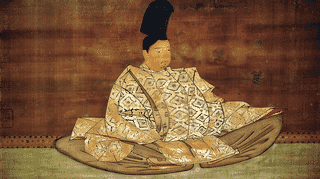
A Kamakura-period portrait at Shomyoji in Yokohama, showing the fourth and last of the four generati...
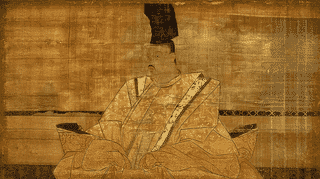
A Kamakura-period portrait at Shomyoji in Yokohama, one of the four scrolls that together span four ...
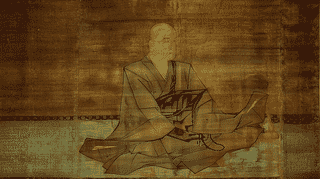
A Kamakura-period portrait at Shomyoji in Yokohama, one of the four scrolls that together span four ...
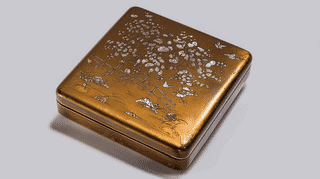
A Kamakura-period inkstone box at Tsurugaoka Hachimangu in Kanagawa. Its own design reaches even a f...
Important Cultural Properties

Carved in 1308, the Anyo-in Hokyoin-to is Kamakura's oldest dated stone pagoda, an Important Cultura...
Built around 1646 in Kyoto by Ichijo Ekan, a son of Emperor Go-Yozei, this thatched imperial tea vil...
The Former Ito Family House, a headman's farmhouse of around 1700 floored in split bamboo, stands in...
Discover the Main Hall of Egara Tenjin Shrine in Kamakura, an Important Cultural Property dating bac...
The Kaisantō (Founder's Pagoda) stands in the inner graveyard of Kakuonji Temple in Nikaidō, Kamakur...
The Daito-to at Kakuonji Temple in Kamakura is a stone hōkyōintō (jewel-casket pagoda) erected in 13...
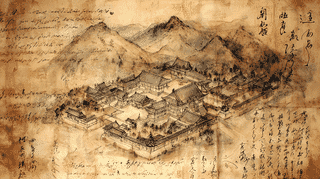
Discover the Jōkōmyō-ji Temple Site Map (浄光明寺敷地絵図), a designated Important Cultural Property and the...
Issued in January 1294 by Hōjō Sadatoki, ninth regent of the Kamakura shogunate, this ink-on-paper e...
Discover the Bokuzeisho Volume 23 Fragment, an Important Cultural Property held by Shomyo-ji Temple ...
Discover the Important Cultural Property bokuseki by Sekishitsu Zenkyū—a Zen incense-offering verse ...
An Important Cultural Property film recording Onoe Matsunosuke—Japan's first movie star—performing t...
Filmed in November 1899 behind Tokyo's Kabuki-za theatre, Momijigari is the oldest surviving film ma...
Other Heritage
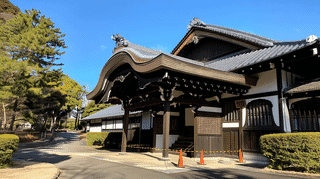
Discover Sojiji Temple in Yokohama, home to 18 magnificent Registered Tangible Cultural Properties f...
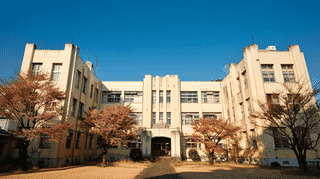
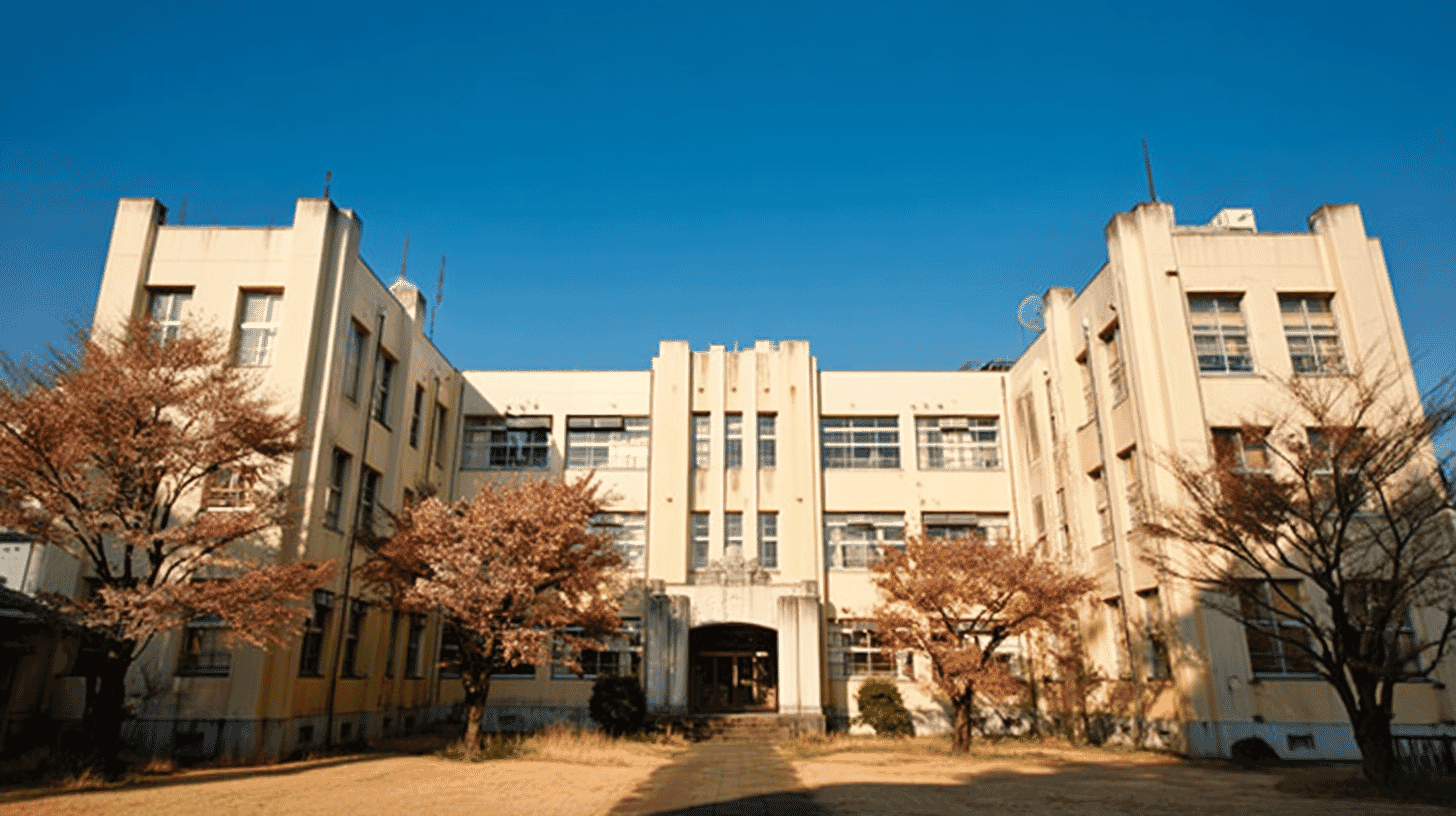
Discover the Former Yokohama Technical College Main Building, a Registered Tangible Cultural Propert...
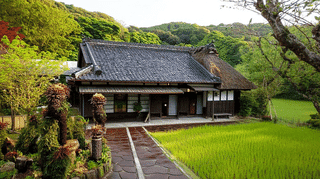
Explore the Hara Family Residence, a National Registered Tangible Cultural Property in Hiratsuka Cit...
This 1952 single-storey entrance building holds the ticket window and museum shop, its wide south wi...
The Main Hall of Oyamadera, perched on the slopes of Mount Oyama in Isehara, Kanagawa, is a majestic...
Called the gambler's tree for its peeling bark, this rare evergreen has grown for 350 years on a cli...
About Kanagawa
Kamakura Great Buddha (bronze seated Amida Buddha statue) at Kotoku-in Temple, approximately 13.35 meters tall weighing about 121 tons, was created around 1252. Originally housed within Great Buddha Hall, the building was lost to Muromachi period tsunamis, leaving the statue in open-air state. Its serene expression and magnificent form inspire many people, beloved as Kamakura's symbol.
Kencho-ji Temple Shariden (relic hall), built around 1285, represents a Zen architectural masterpiece designated as national treasure. Originally Minamoto Sanetomo's personal Buddha hall later relocated, it preserves precious pure Kamakura period Zen-style architecture.
Kamakura, where Minamoto Yoritomo established Kamakura Shogunate in 1185 as Japan's first warrior government capital, served as Japan's political center for approximately 150 years. Many temples and shrines including Tsurugaoka Hachimangu, Kencho-ji, Engaku-ji, and Hase-dera remain, with "Ancient Kamakura" attracting numerous tourists. Particularly beautiful during June hydrangea season at Meigetsu-in and Hase-dera.
Enoshima, tied island floating in Sagami Bay, features tourist spots including Enoshima Shrine, Enoshima Sea Candle observation lighthouse, and Iwaya caves. Summer brings beach-goers, while winter offers fantastical illuminated worlds through "Enoshima Illuminations." Enoshima Electric Railway (Enoden), streetcar connecting Kamakura and Enoshima, remains popular among tourists.
Hakone, designated as Fuji-Hakone-Izu National Park, represents international tourist destination known for Lake Ashi, hot springs, and museums. "Hakone Golden Course" connecting mountain railway, cable car, ropeway, and cruise boats is beloved by many tourists. Gora Park, Hakone Glass Forest Museum, and Hakone Open-Air Museum also remain popular tourist spots.
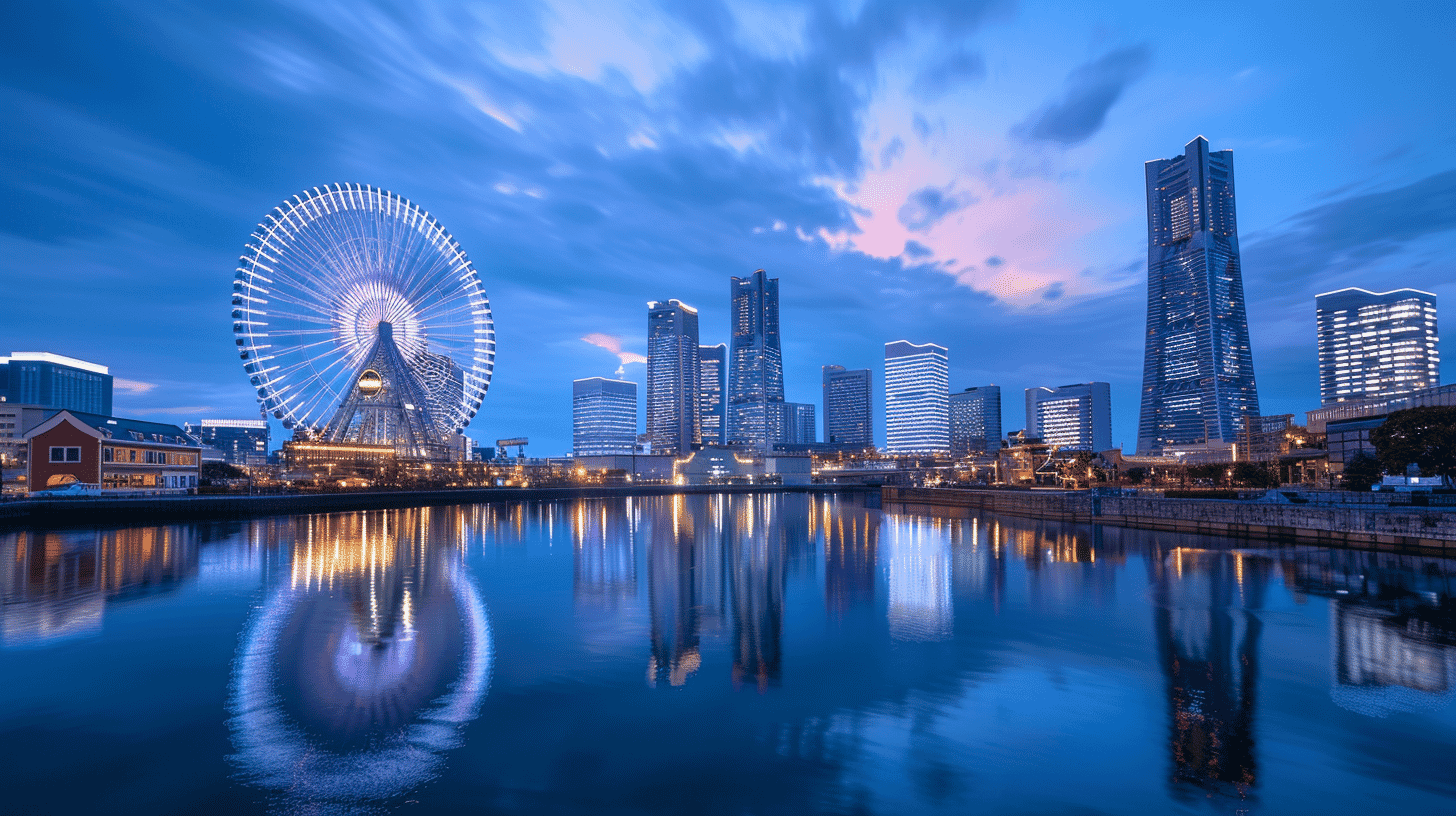
Yokohama, developing as international city supporting Japan's modernization since 1859 port opening, creates beautiful port town scenery harmonizing modern high-rise buildings with historic red brick warehouses in Minato Mirai 21 district. Yokohama Chinatown, Japan's largest Chinatown, offers authentic Chinese cuisine.
Kanagawa's food culture prominently features siumai as Yokohama specialty. Kiyoken siumai, beginning as railway bento, now represents standard Yokohama souvenirs. Iekei ramen also originated in Kanagawa, featuring rich pork bone soy sauce-based soup.
Shonan region, warm Sagami Bay coastal area, is known for shirasu rice bowls. Fresh raw shirasu from spring through autumn and year-round boiled shirasu offer fresh seafood flavors. Additionally, Kanagawa Prefecture actively produces sake, with breweries like Izumibashi Shuzo and Kubota Shuzo manufacturing high-quality local sake.
Browse by Type
Designation categories represented in the prefecture, with counts.
Ashigara Sasara Dance · Tanabata Festival in Oiso · Oyama Spinning Top Manufacturing Techniques
Akasaka Ruins · Akihayama Burial Mounds · Asahina Pass
Sagicho of Oiso · Kifune Shrine Boat Festival · Sagami Puppet Theater
Onshi Hakone Park · Gora Park · Lake Shinsei
Aiko Shokai Yoshihama Dormitory · Anazawa Family Residence Zashiki-Gura · Arita Family Residence Main Building
Hakone Craftsmanship Tools and Products
Kanagawa in Periods
Periods represented by designated properties in the prefecture.