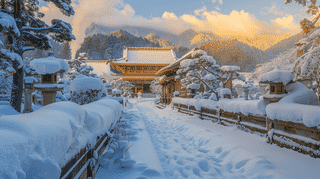
Home to Chūson-ji's Golden Hall and sacred Hiraizumi, Iwate is rich in Buddhist art and warrior history. See National Treasures on a map with stories & travel tips.
National Treasures
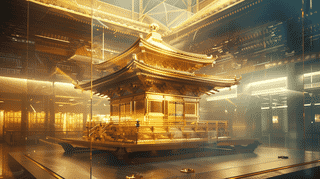
The Golden Hall of Chusonji in Iwate, built in 1124, is lacquered and gilded inside and out, with fo...
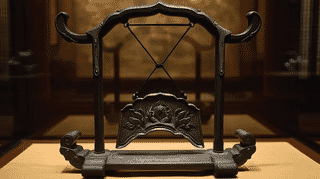
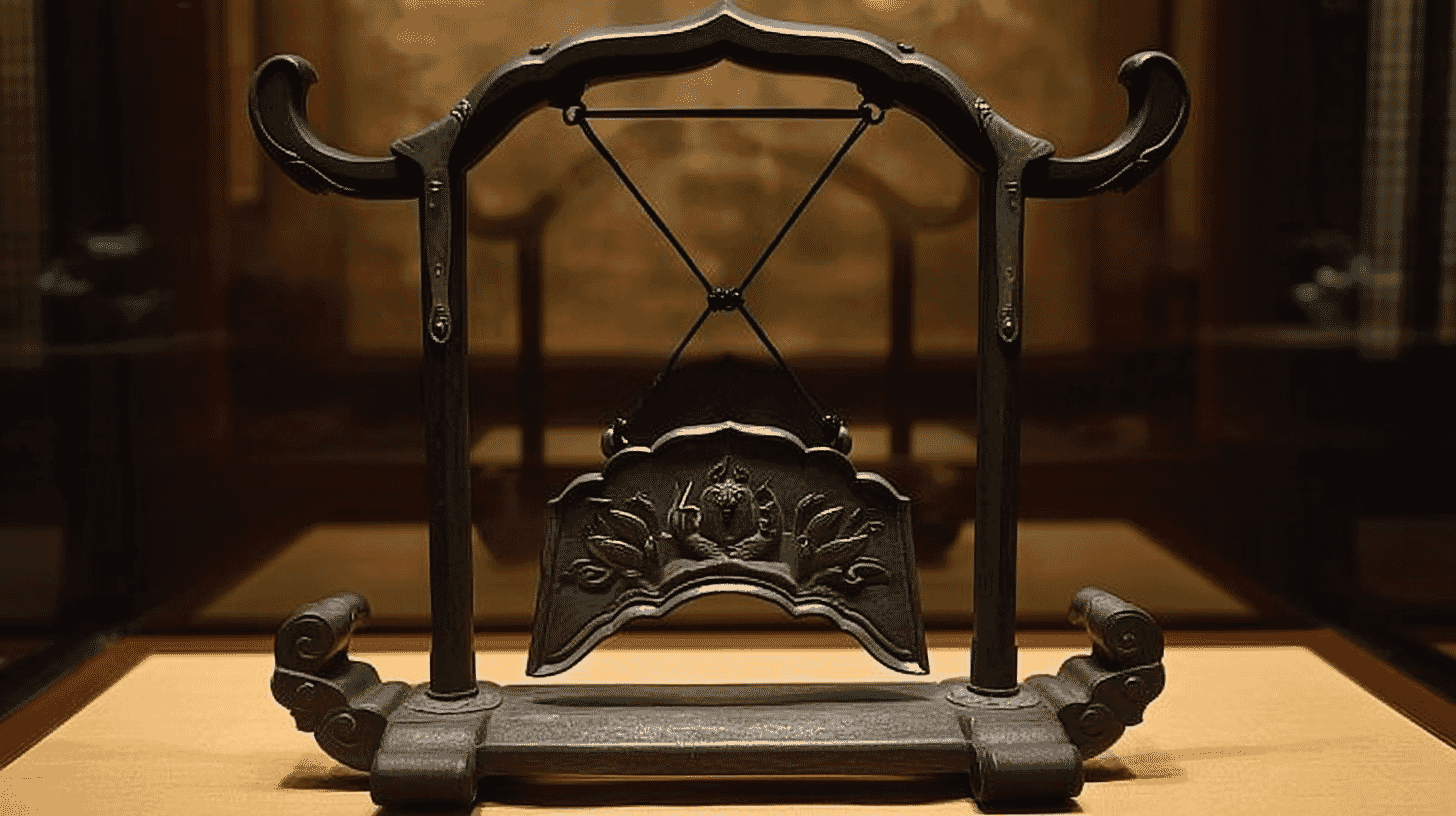
A Kamakura gong at Chusonji in Hiraizumi, Iwate. Its inscription records a gift to Motsuji in 1250, ...
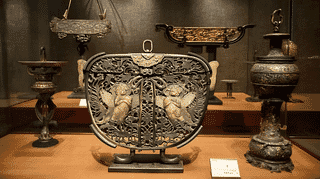
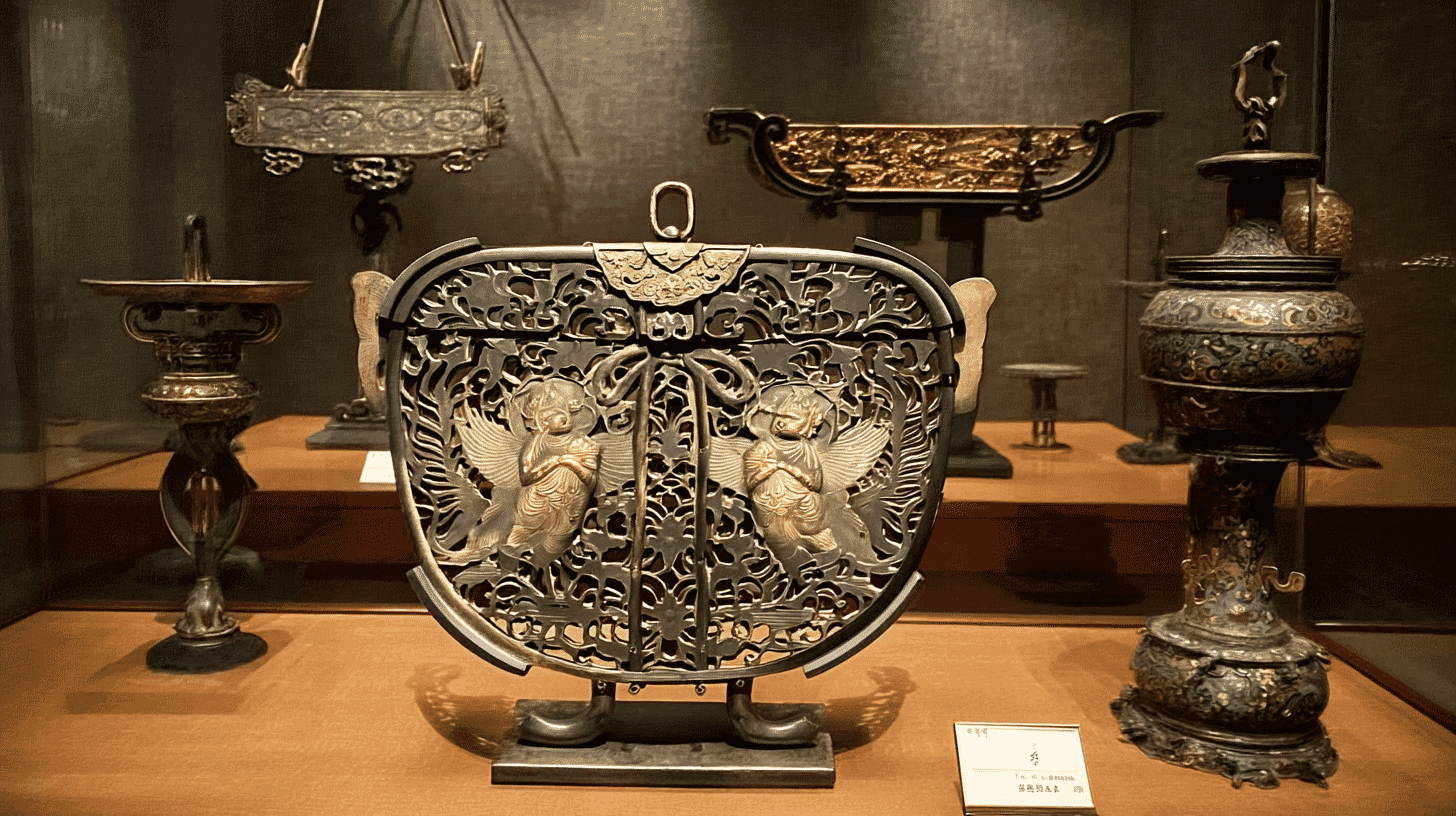
Four Kamakura ritual objects from the sutra repository at Chusonji in Iwate. The gong stand has lost...
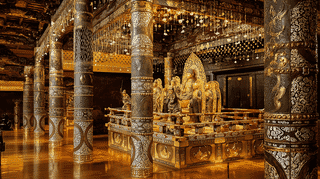
Heian ritual objects in the Golden Hall of Chusonji, Iwate, listed as fourteen items. What is design...

Discover the National Treasure statues and canopies inside Chūson-ji's Golden Hall in Hiraizumi, Iwa...
The Konshi Kinji Issaikyō at Chūsonji Temple in Hiraizumi, Iwate Prefecture, is a National Treasure ...
Important Cultural Properties
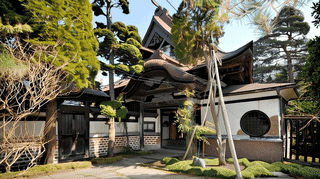
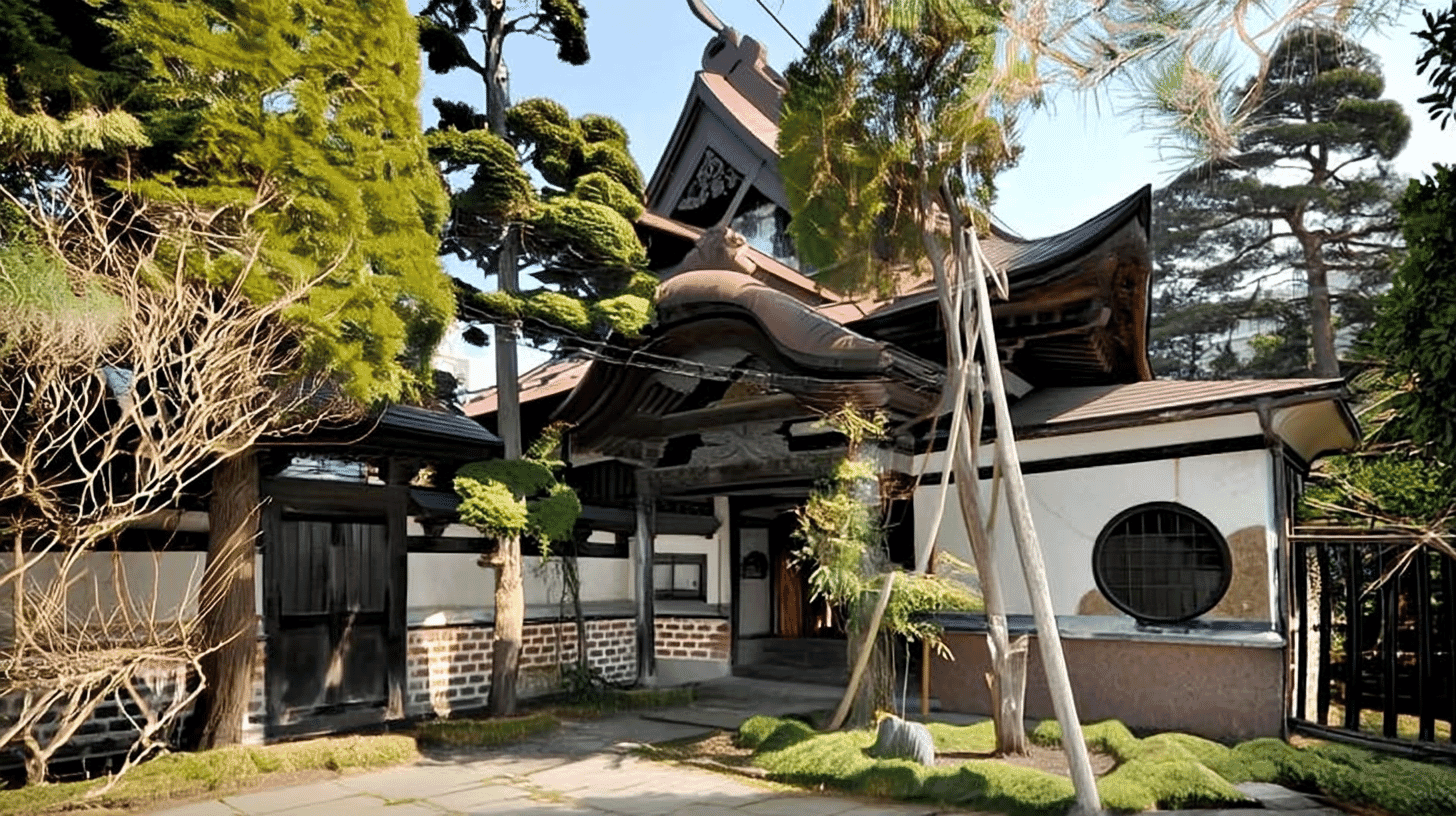
A residence in the former castle town of Mizusawa, Iwate, seven buildings in all. The main house of ...
The Iwate Bank (Former Morioka Bank) Old Head Office Main Building is a magnificent Meiji-era bankin...
Tucked beside the Mine no Yakushidō at Chūsonji Temple in Hiraizumi, the Ganjōjuin Hōtō is a delicat...
Standing in the heart of Morioka City, Iwate Prefecture, the Former Ninetieth Bank Head Office Main ...
Twenty-one farm buildings at the foot of Mount Iwate, designated an Important Cultural Property in 2...
The Old Protective Hall of Konjikidō (Konjikidō Ōidō) at Chūson-ji Temple in Hiraizumi, Iwate Prefec...
At Tendai-ji in northern Iwate, this Heian-period Important Cultural Property — about 170 cm tall an...
Enshrined in Senju-do at Kannon-in, a sub-temple of Chuson-ji in Hiraizumi, Iwate Prefecture, this 1...
The Wooden Standing Statue of Tobatsu Bishamonten at Asai-Chifuku Atago Shrine (Fujisato Bishamondo)...
Housed at Kokuseki-ji Temple in Oshu City, Iwate, this seated statue of Yakushi Nyorai bears an ink ...
Held by Chusonji Temple in Hiraizumi, Iwate, these four Important Cultural Property masks include th...
Other Heritage
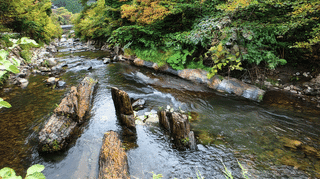
Petrified wood exposed in the beds of the Mabechi and its tributaries in Ichinohe, Iwate. Its specie...
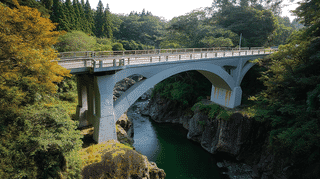
A bridge of 1939 over the Iwai River in Ichinoseki, Iwate, 61 metres long. The Agency records it as ...
An Important Intangible Folk Cultural Property of coastal Iwate: a kagura troupe carries sacred lion...
Built around 1941 on the Takano grounds in Mizusawa, this guest wing is prized for delicate kumiko g...
A plank-walled storehouse of about 1929 in Kanegasaki, Iwate, its boards dropped into grooved posts ...
Named for the pen name of scholar Takano Choei, this tiny 1932 earthen-walled library in Mizusawa ha...
About Iwate
"Hiraizumi – Temples, Gardens and Archaeological Sites Representing the Buddhist Pure Land" (registered 2011) represents cultural heritage based on Buddhist Pure Land philosophy built by the Northern Fujiwara clan during late Heian period. Chusonji Konjikido, an Amida hall built by Fujiwara Kiyohira in 1124, features beautiful architecture with gold leaf inside and out. The hall houses the remains of three generations - Kiyohira, Motohira, and Hidehira - with decorations showcasing period craftsmanship pinnacle.
Motsuji Temple, founded in 850 by Jigaku Daishi Ennin of Tendai Buddhism, once surpassed Chusonji in scale and magnificence during the Heian period. Currently preserving a Pure Land garden centered on Oizumi Pond, it represents extremely valuable Heian period garden remains. Muryokoin site, modeled after Uji's Byodo-in Phoenix Hall, embodies Fujiwara clan ideals for Pure Land philosophy realization.
"Jomon Prehistoric Sites in Northern Japan" (registered 2021) includes Goshono site. This large Jomon middle period settlement from 5,000 years ago reveals stone circles and dwelling remains.
"Sites of Japan's Meiji Industrial Revolution" (registered 2015) partially includes Hashino Iron Mining and Smelting Site. Built by Nambu Domain in 1858, these Japan's oldest Western-style blast furnaces hold important significance as Japanese modern iron industry birthplace.
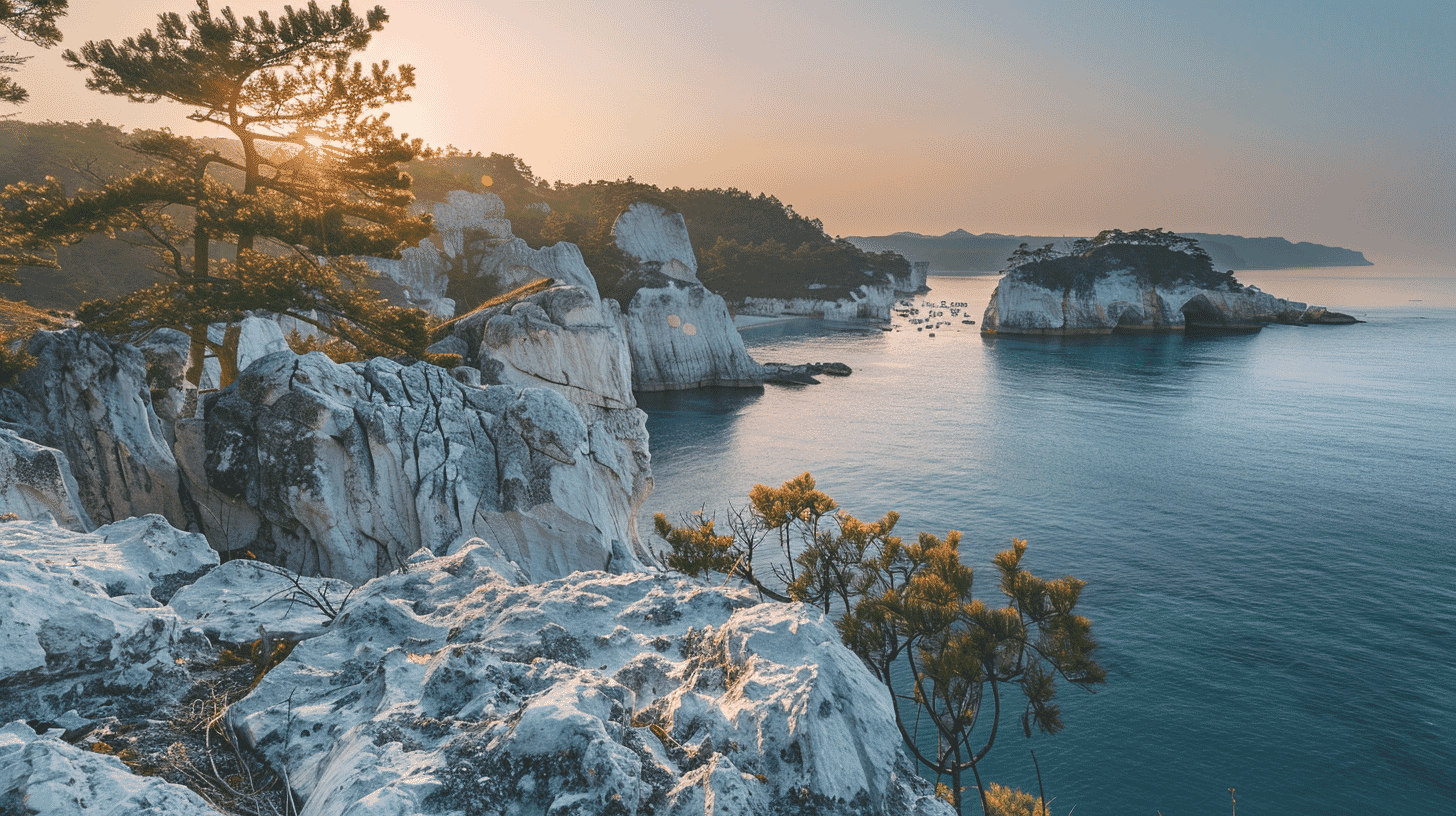
Iwate's diverse nature offers Rikuchu Kaigan National Park's (now Sanriku Reconstruction National Park) rias coastline beauty, Hachimantai highland scenery, and valley beauty continuing to Oirase Gorge. Geibi Gorge, formed by Satetsu River eroding limestone, offers boat rides experiencing cliff beauty up close. Genbikei, along Iwaigawa River, showcases magnificent scenery combining emerald water with unique rocks.
Iwate's most famous food culture centers on wanko soba - a unique eating style of consuming countless bite-sized soba portions. Morioka reimen, cold noodles from Korean Peninsula origin, features chewy noodles in acidic soup. Maezawa beef, Iwate's premium brand beef, is renowned for beautiful marbling and tender texture.
Nambu ironware, traditional crafts with over 400 years history, is manufactured in Morioka City and Oshu City Mizusawa Ward. Famous items include iron kettles, tea kettles, and wind chimes, with their substantial beauty highly valued domestically and internationally. Nambu senbei, a type of rice cracker featuring sesame seeds or peanuts, offers rustic flavor characteristics.
Browse by Type
Designation categories represented in the prefecture, with counts.
Green Bamboo Lion Dance · Ishihatooka Kagura and Tsuchizawa Kagura · Iwate's Somin Festival
Anga-Dong · Petrified Wood Area of Anetai, Kozuya and Nezori · Ayaori Shinden Ruins
Suwa Alley in the Castle Grounds of Kanegasaki Town
Rural Landscape of Ichinoseki Honji Temple · Tono (Arakawa Highlands Ranch/Tsuchibuchi Yamaguchi Village)
Cormorant Kagura · Demon Sword Dance · Kuromori Kagura
Former Nanbu Family Villa Garden · Nanshoso Garden · Moriai Garden
Atago Shrine Main Hall (formerly Atagoyama Daigongen Hall) · Allen Memorial · Iwate Prefectural Public Hall
Fishing Equipment from Rikuzentakata
Iwate in Periods
Periods represented by designated properties in the prefecture.