
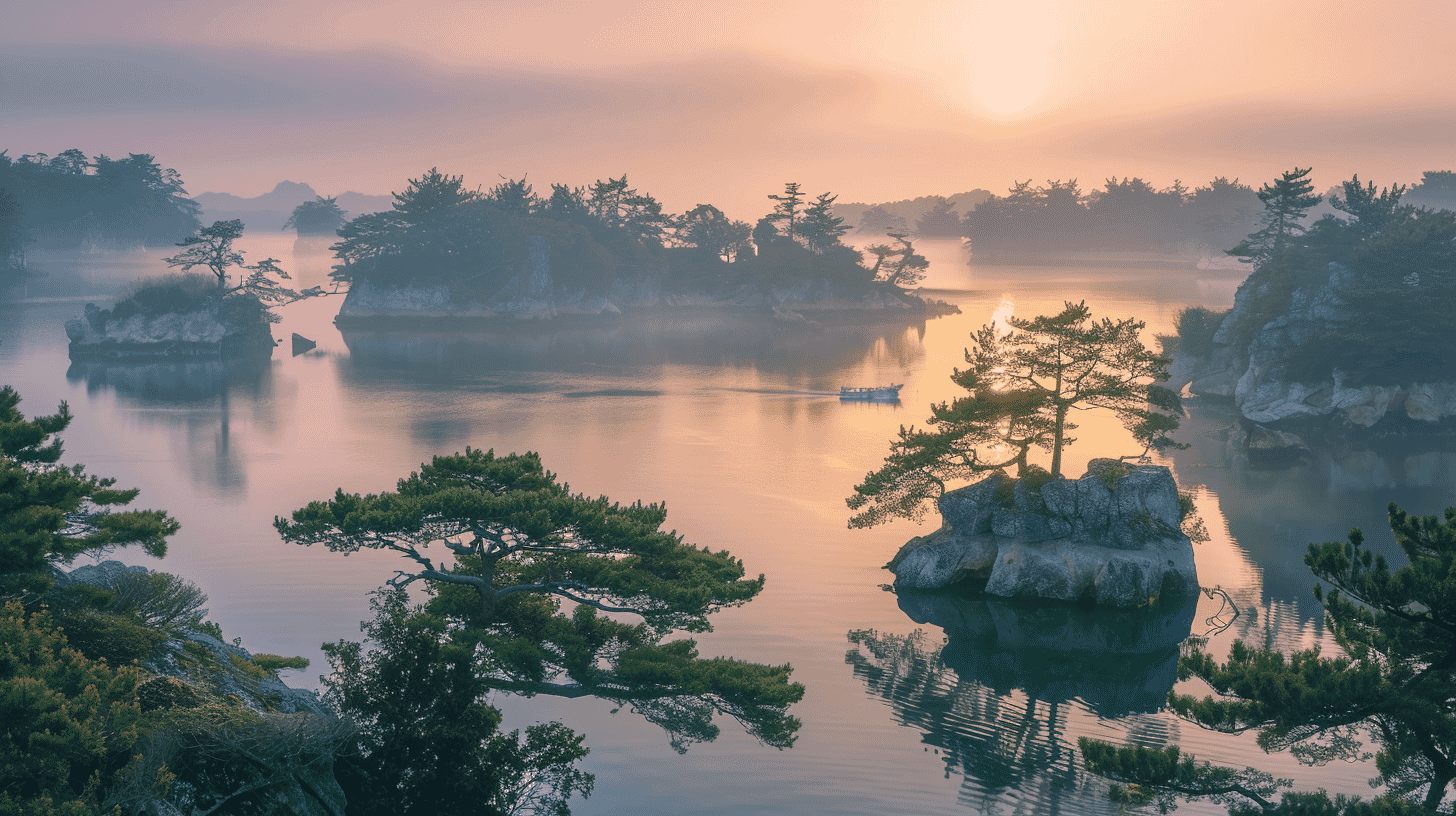
From Matsushima's temple scenery to Sendai's castle legacy, Miyagi offers classic Tōhoku heritage. Browse key cultural properties with visiting advice.
National Treasures
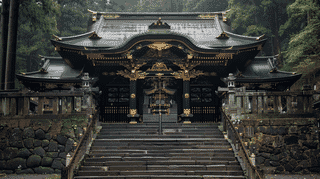
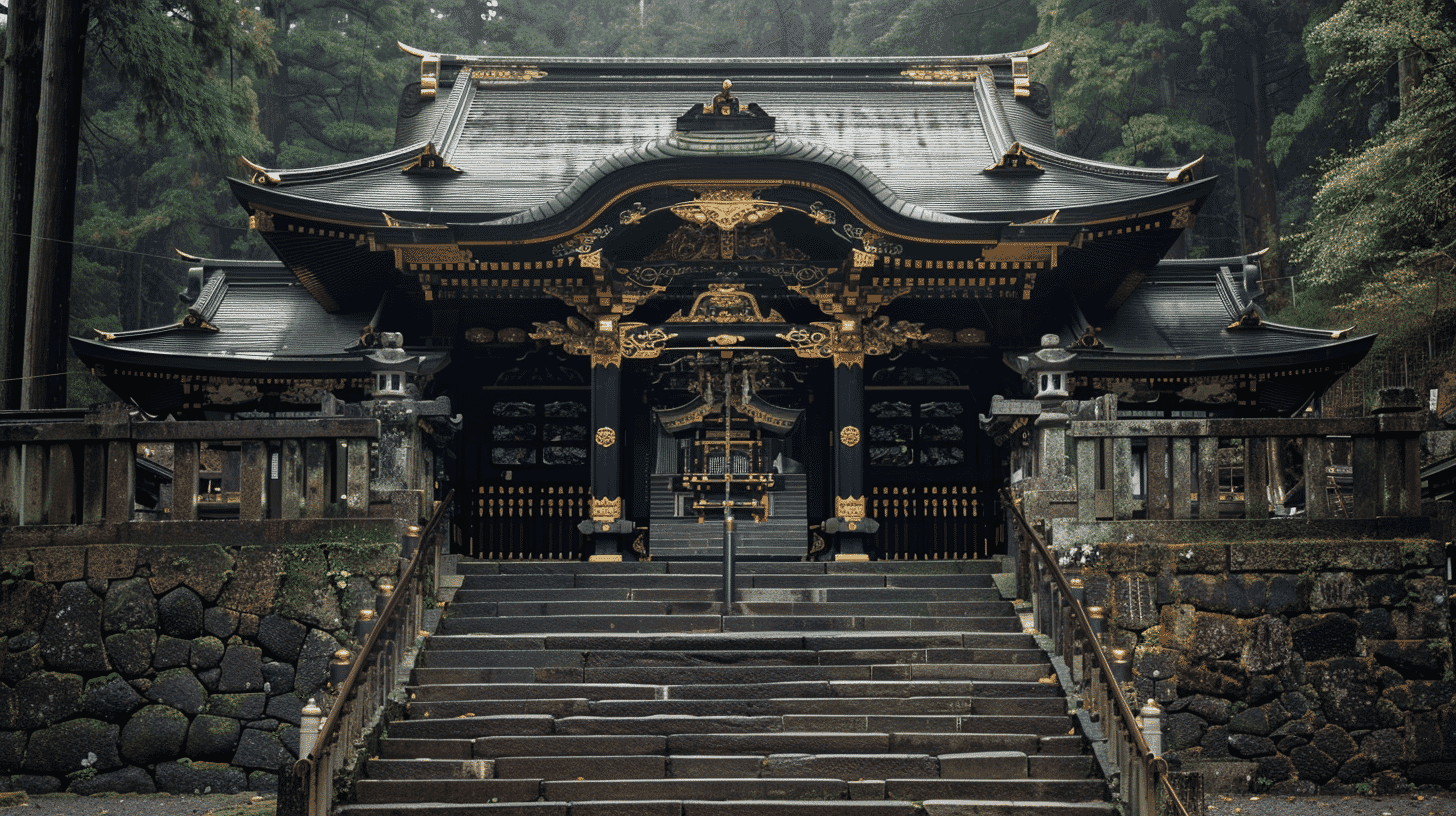
Osaki Hachiman Shrine in Sendai was founded by Date Masamune in 1607. Sanctuary and hall are joined ...
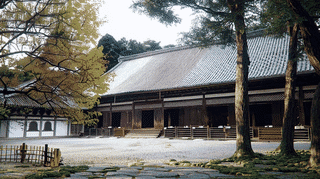
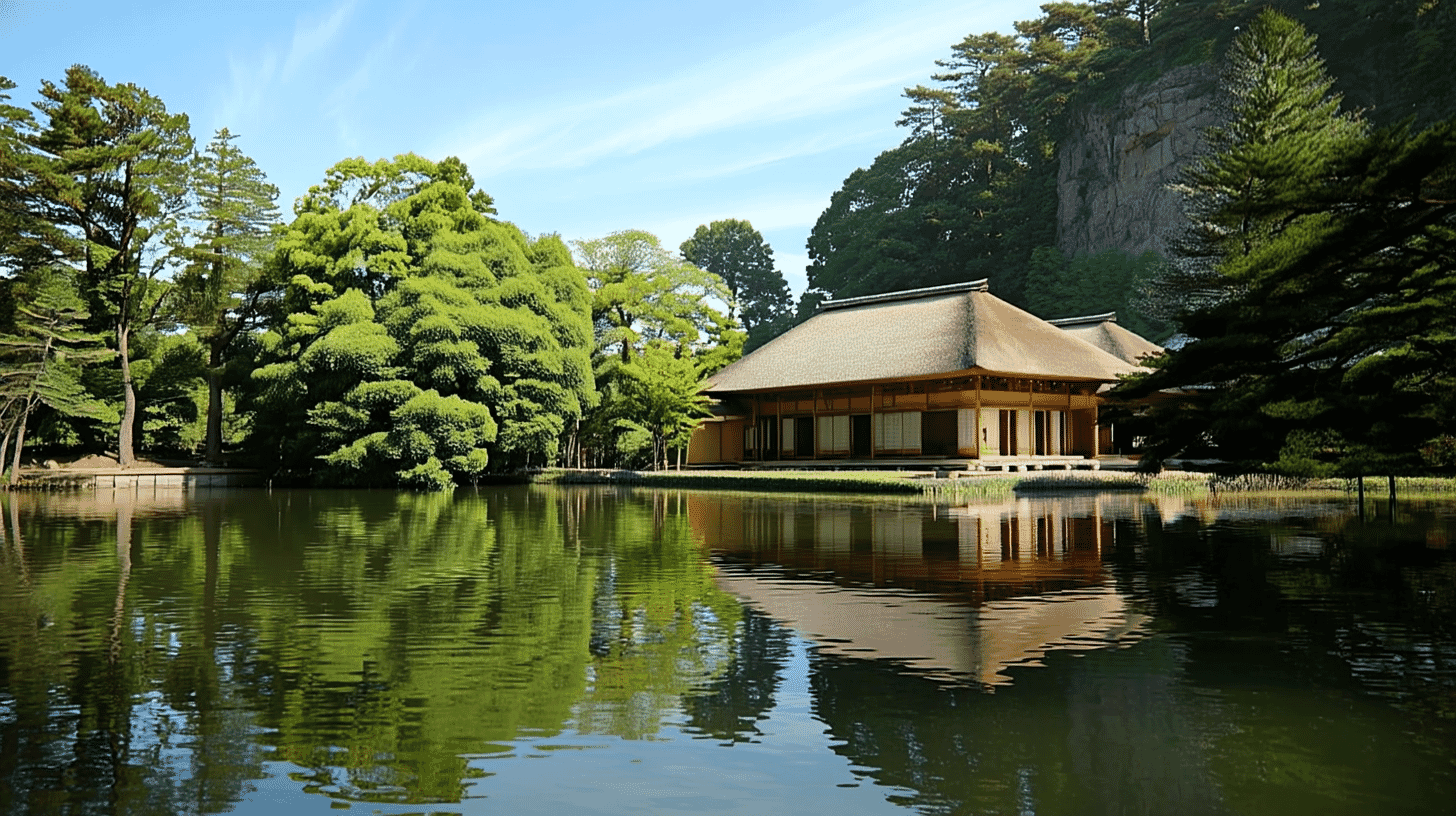
An abbot's chamber of 1609 at Zuiganji in Matsushima, Miyagi, thirteen bays long. Its ten rooms take...
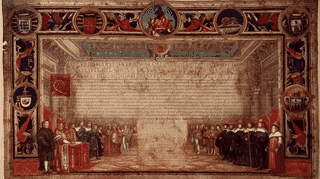
Forty-seven items at the Sendai City Museum, brought back from Europe by Hasekura Tsunenaga, envoy o...
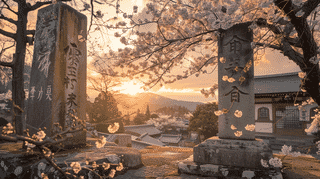
Discover the Tagajo Monument, one of Japan's three oldest stone inscriptions and newest National Tre...

Discover the Kuri (kitchen) and corridor of Zuigan-ji Temple in Matsushima, one of only two temple k...
Transcribed in 1073 CE by the Heian-period court scholar Ōe no Iekuni, Volume 10 of the Shiji (Recor...
Important Cultural Properties
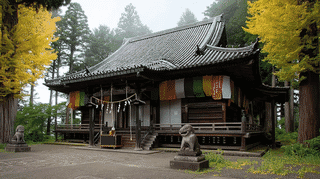
A Buddhist hall of 1607 in Wakabayashi Ward, Sendai, five bays square. Bare timber at the gable ends...
Discover Kōzōji Amida Hall in Kakuda, Miyagi Prefecture — an Important Cultural Property built in 11...
Discover the Former Sato Family Residence in Kakuda, Miyagi Prefecture — a nationally designated Imp...
Perched on Ichimoriyama overlooking Matsushima Bay in Miyagi Prefecture, Shiogama Shrine has been re...
Built around 1887 for missionaries and designated an Important Cultural Property in 2016, this colon...
Completed in 1888 to a design by Yamazoe Kisaburo, this wooden schoolhouse in Tome City became an Im...
Cast in 1326 for Enpuku-ji Temple in Matsushima, the Unpan at Zuiganji is a rare Kamakura-period bro...
Standing at the southern tip of Oshima Island in Matsushima, Miyagi Prefecture, the Oshu Mishima Rai...
A complete polished jadeite axe from the Kamegaoka Site in Aomori, now housed at Miyagi's Tōhoku His...
Originally preserved as a sacred treasure in an Ainu household in Hidaka, Hokkaido, this silver-moun...
Other Heritage
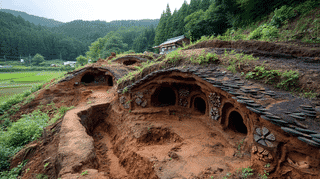
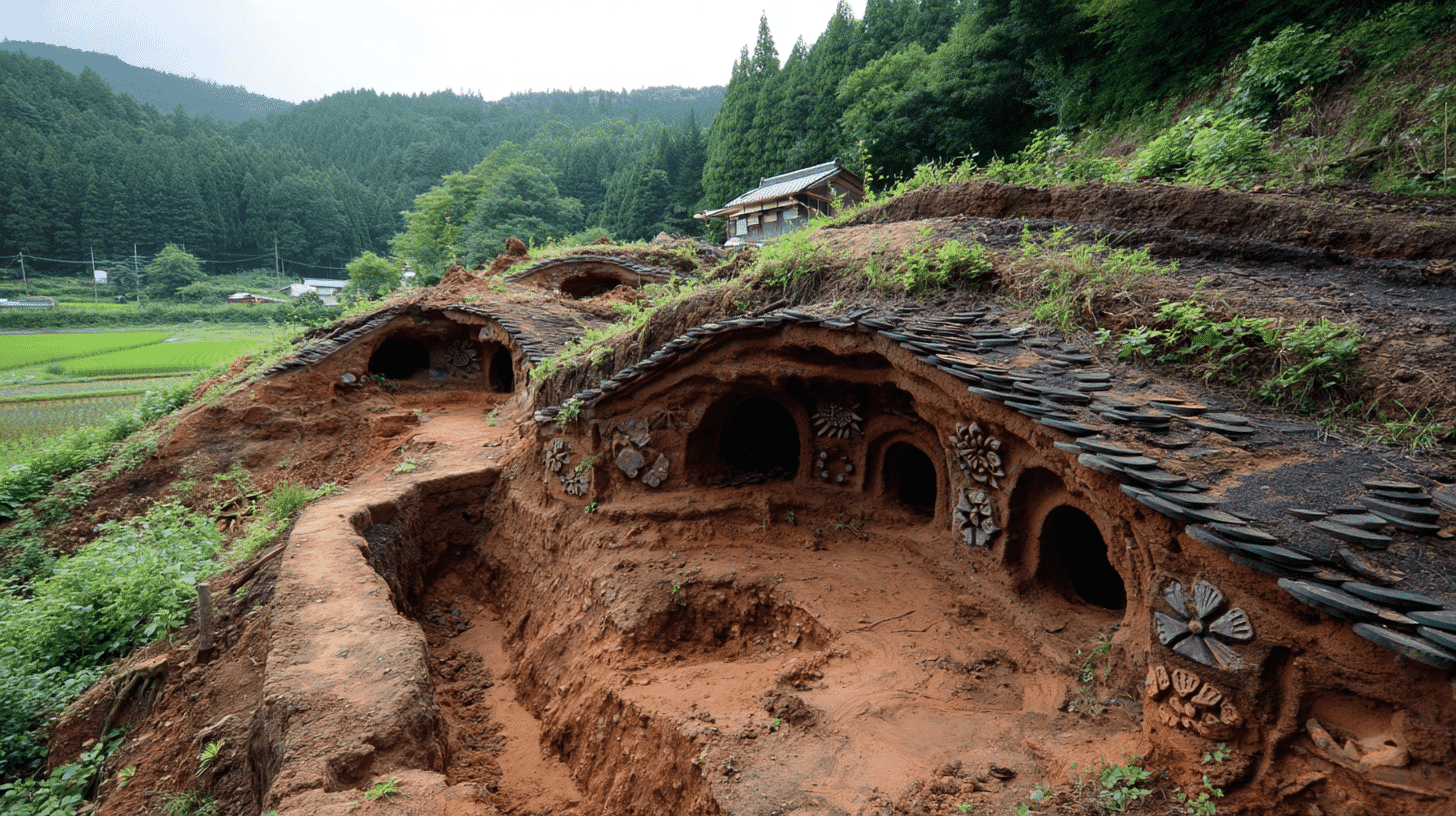
A Nara-period tile kiln site in Osaki, Miyagi, which supplied the first Taga Castle. Excavation from...
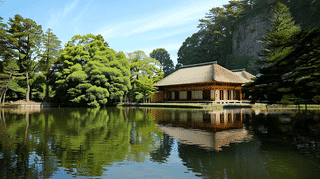
An Edo-period school and its garden at Iwadeyama in Osaki, Miyagi. The Agency for Cultural Affairs c...
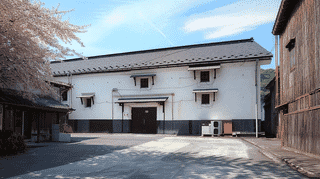
A large Taisho-period storehouse in Tome, Miyagi, fifteen bays long. Its roof frame imitates a Weste...
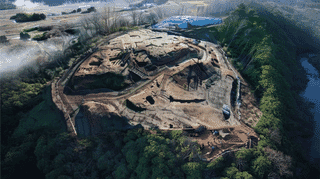
A large defended settlement of the later 4th century in Kurihara, Miyagi. Mirrors and ironwork came ...
A two-story stone storehouse on the Matsuya property in Furukawa, Ōsaki. Late Meiji, its coursed san...
Completed in 1941 on Tohoku University's Katahira campus, this concrete hall honours Kotaro Honda, w...
About Miyagi
Osaki Hachimangu Shrine buildings, a Momoyama architecture masterpiece built by Date Masamune in 1607, are designated national treasures. Featuring gorgeous decoration with black lacquer and brilliant colored carvings, they represent gongen-zukuri style examples. Famous for Donto Festival's naked worship, thousands of worshippers in white robes visit annually on January 14th.
Zuiganji Temple, known as the Date family temple of Rinzai Buddhism, has its main hall, priests' quarters, and corridors designated as national treasures. Founded by Jigaku Daishi in 828, Date Masamune constructed current buildings in 1609. Interior sliding door paintings and sculptures represent Momoyama art pinnacle.
Matsushima, one of Japan's three scenic views, is renowned for spectacular scenery created by over 260 small islands floating in Matsushima Bay. Celebrated as utamakura (poetic subjects) since Heian period, Matsuo Basho recorded being moved by Matsushima's beauty in "Oku no Hosomichi." Island cruises are popular, offering seasonal beauty throughout the year.
Sendai Castle ruins (Aoba Castle ruins), built by Date Masamune, are now maintained as Aoba-yama Park. The castle site overlooks Sendai city, with Date Masamune's equestrian statue as a famous photo spot. Though buildings were lost in 1945 air raids, stone walls and partial moats retain historical atmosphere.
Zao Mountain Range, spanning Miyagi-Yamagata prefectural borders, is famous for juhyo (ice monsters/snow monsters). Winter brings ski resort activity, while spring through autumn offers alpine plants and autumn colors. Zao Echo Line provides vehicle access near peaks, with Okama (Five-Color Lake)'s mystical coloring as highlights.
Miyagi's food culture benefits from sea and mountain bounty. Beef tongue, famous as Sendai specialty nationwide, features thick-cut beef tongue grilled over charcoal. First served at Tasuke in 1948, it has become Sendai's representative gourmet. Sasa-kamaboko, Miyagi's representative marine processed product, shapes fresh white fish paste into bamboo leaf forms.
Zunda mochi, featuring crushed edamame paste (zunda/jindan) coating rice cakes, represents Sendai as regional cuisine and representative sweets. Known as a rice-producing region, Miyagi produces quality varieties like Hitomebore and Sasanishiki.
Sendai Tanabata Festival, held annually August 6-8 as one of Tohoku's three great festivals, decorates shopping streets with colorful Tanabata ornaments. This traditional event continuing from early Edo period attracts approximately 2 million tourists during the period.
Browse by Type
Designation categories represented in the prefecture, with counts.
Akiu Rice Planting Dance · Noh Kagura at Osaki Hachiman Shrine · Oshika Hoin Kagura
Mount Aoba · Akai Government Office Ruins / Akai Government Office Ruins · Akiu Otaki Falls
Murata Town Murata
Akiu Rice Planting Dance · Ogatsu Hoin Kagura · Kosako's Longevity
Modern Architectural Drawings by the Public Higher Education · Architectural Education/research Materials (formerly Owned · Aoshita Tunnel Entrance
Miyagi in Periods
Periods represented by designated properties in the prefecture.