
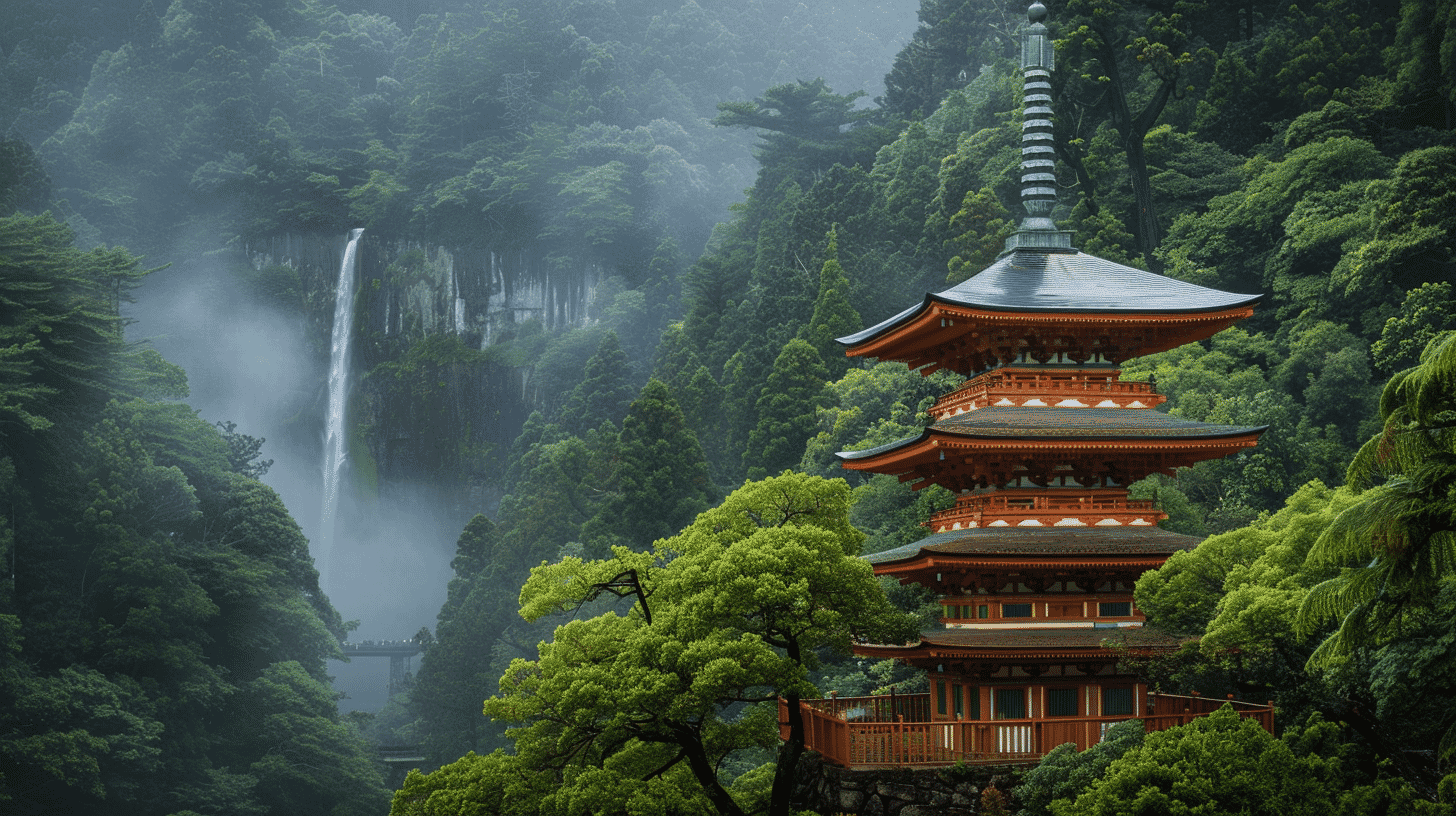
Kumano shrines, pilgrimage trails, and Nachi's pagoda-waterfall vista define Wakayama. Browse sacred properties with access notes.
National Treasures
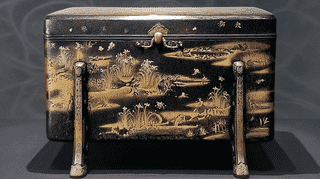
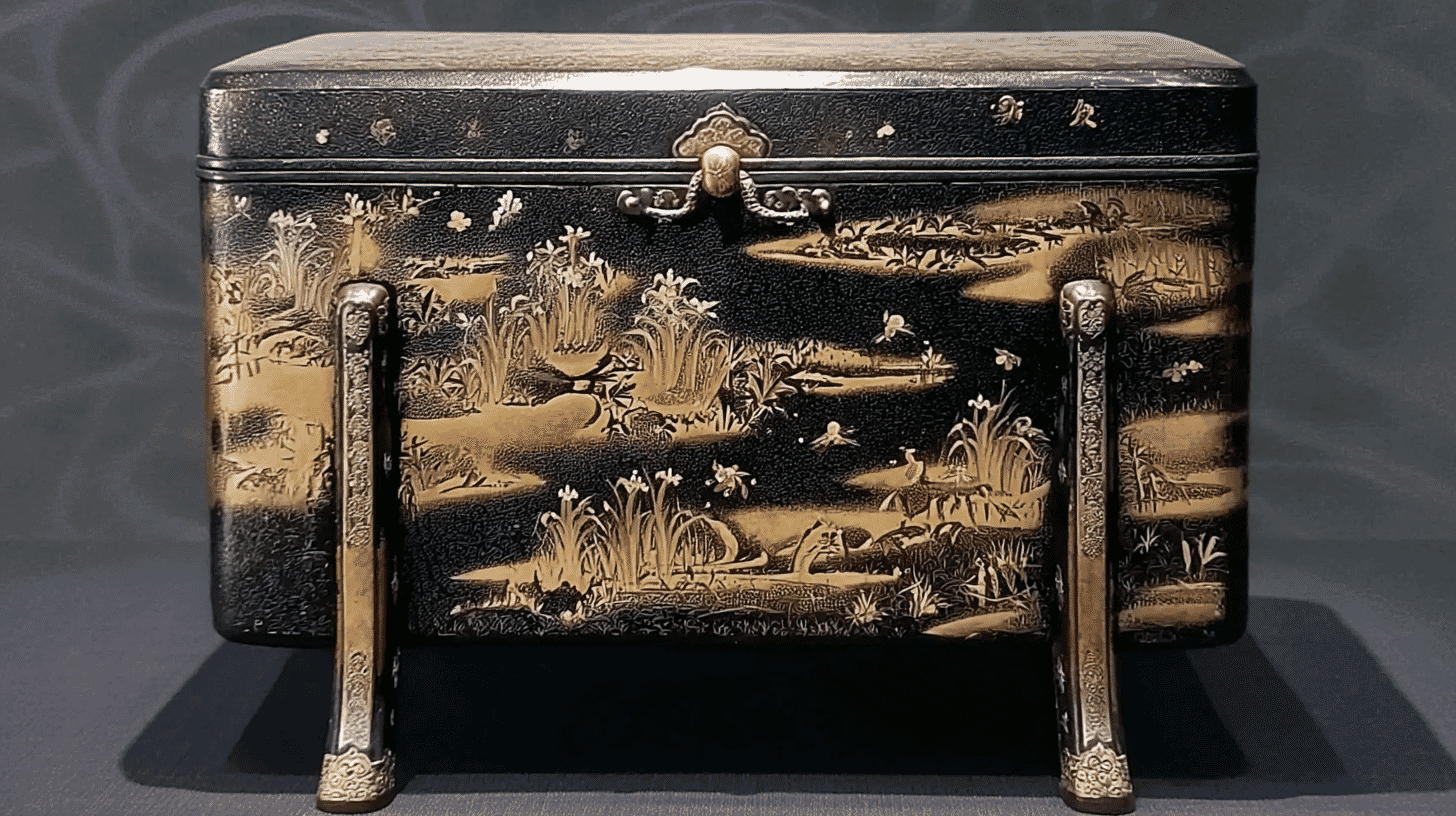
A Heian-period chest owned by Kongobuji in Wakayama Prefecture. Marsh and plovers on the outside, an...
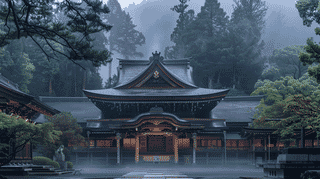
A late Kamakura-period hall in Wakayama Prefecture, moved over to its present site there during a di...

Explore the Gindo Hirumaki Tachi, a rare 12th-century National Treasure featuring unique spiral meta...

Discover the National Treasure Amida Triad on Silk at Renge Sanmai-in, Mount Kōya, Wakayama. This Ka...
A sandalwood shrine only 23 cm tall, carved in Tang China with twenty-five tiny deities and tied by ...
A mid-8th-century copy of the ten-scroll Sutra of Golden Light packed into two scrolls in tiny chara...
Important Cultural Properties
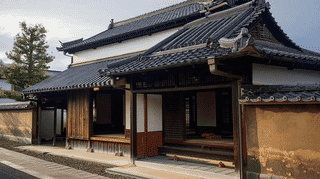
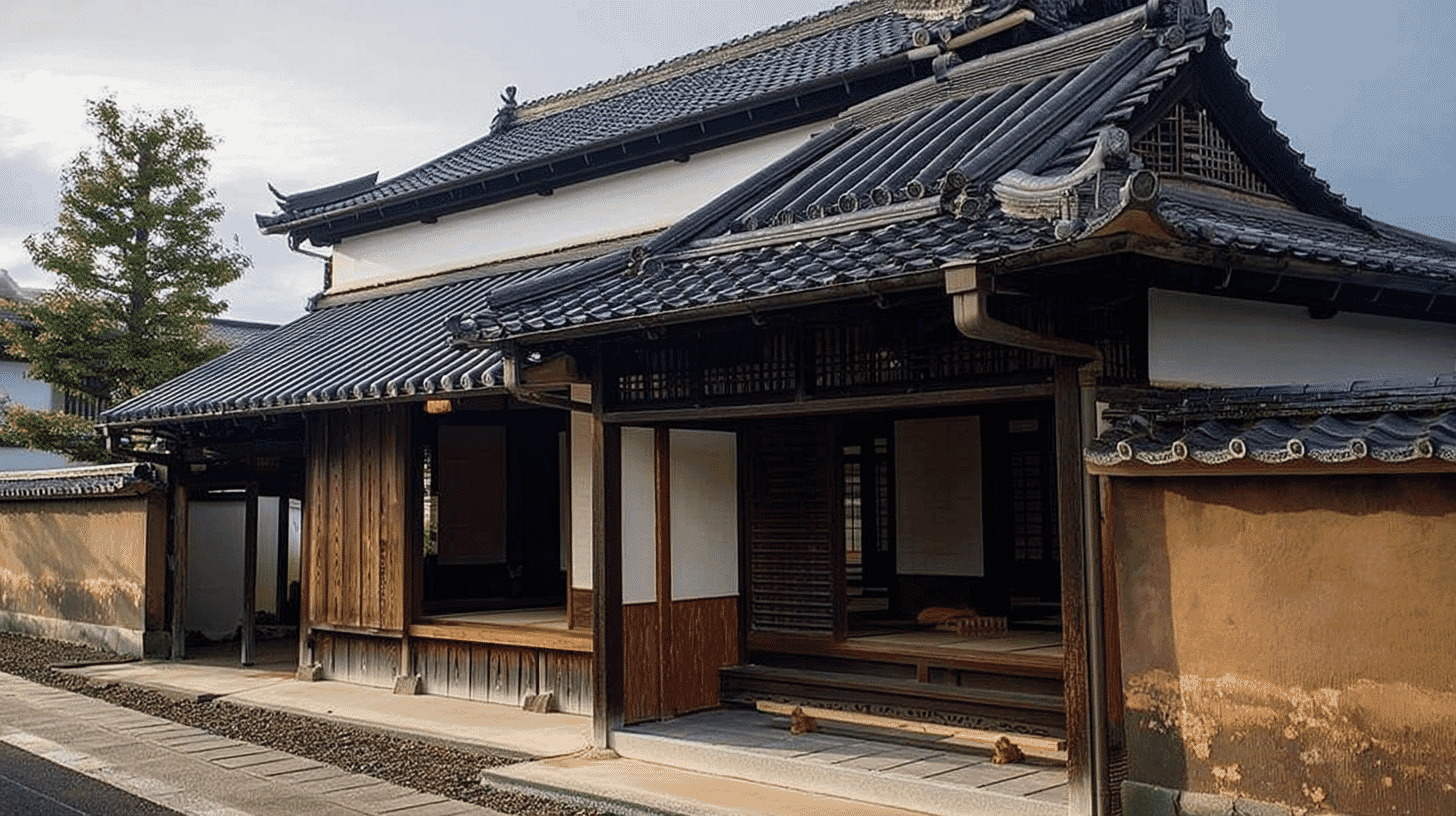
Discover the Kyu Nate Honjin Imose Family Residence in Wakayama, a designated Important Cultural Pro...
Built in 1596, Kada Kasuga Shrine's main hall in Wakayama is an Important Cultural Property whose ca...
A thatched three-bay hall of 1427 in upland Wakayama, dated by its ridge tablets, housing a 1494 shr...
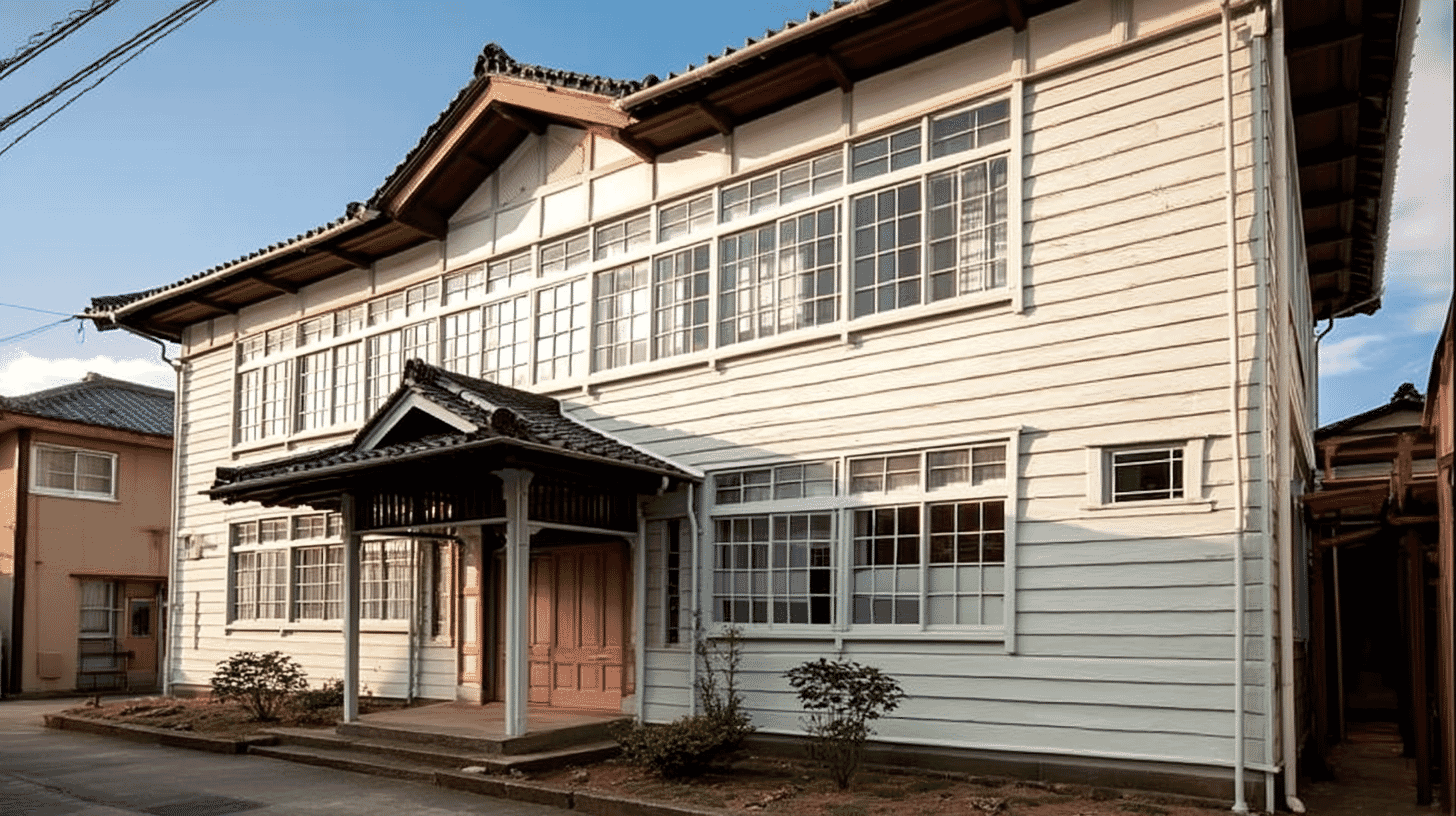
A 1937 timber schoolhouse in Hashimoto, Wakayama, designated an Important Cultural Property in 2014 ...
The Main House of the Former Yanagawa Residence, an 1807 townhouse built by a Kishu lacquer wholesal...
Discover the Gokoku-in Bell Tower (Shōrō), an Important Cultural Property built in 1588 at Kimiidera...
Held by Horaisan Shrine in Katsuragi, Wakayama, this Kamakura-period map of Kaseda Estate records th...
A Kamakura landscape screen at Kongōbuji on Mt. Kōya, showing sacred Shingon sites linked to Kūkai. ...
A Kamakura Important Cultural Property at Hōjuin on Mt. Kōya. This mandala maps the realm of the Uṣṇ...
An Important Cultural Property at Sainanin on Mt. Kōya, showing the guardian deity Daigensui Myōō. T...
A Kamakura ICP at Seijōshin-in on Mt. Kōya. It depicts the origin legend of the Taima Mandala, woven...
An Important Cultural Property at Seikeiin on Mount Koya, painted by the young Hasegawa Tohaku. Long...
Other Heritage
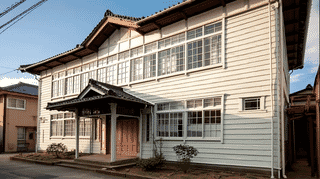
Discover the Former Hane Gakuen Kumano Higher Commercial School Building, a newly registered tangibl...
The temple gate of Jōgan-ji in Kinokawa, Wakayama. A late-Edo yakuimon with carved beams and bracket...
The kuri of Jōgan-ji, west of the main hall in Kinokawa, Wakayama. A late-Edo priest's residence wit...
Built in 1933 for Koyasan's eleven hundredth Kobo Daishi memorial, this bead merchant's shop carries...
In Iwade, Wakayama, the Fukuda Residence inner wall is black-plastered on the approach side and whit...
In a mountain hamlet of Susami, Wakayama, the Fukuda Residence is fronted by a castle-like stone wal...
About Wakayama
"Sacred Sites and Pilgrimage Routes in the Kii Mountain Range" (registered 2004) includes Kumano Sanzan (Kumano Hongu Taisha, Kumano Hayatama Taisha, Kumano Nachi Taisha), Mount Koya Kongobuji Temple, and connecting Kumano Kodo as registered World Cultural Heritage. Pilgrimage route World Heritage registration represents world's second achievement alongside Spain's "Camino de Santiago".
Mount Koya, Shingon Buddhism head temple founded by Kukai (Kobo Daishi) in 816, represents religious city with 117 temples in approximately 800-meter-elevation mountain basin. Garan centered on Kongobuji Temple and Okunoin housing Kukai's mausoleum serve as major sacred sites. Okunoin approach features approximately 200,000 gravestones and memorial towers lining paths, creating sacred atmosphere as Japan's largest cemetery.
Kumano Sanzan, worshipped since ancient times as "rebirth sacred land," attracted numerous pilgrims called "ant Kumano pilgrimage" from Heian through Edo periods. Kumano Hongu Taisha, head shrine of approximately 3,000 nationwide Kumano shrines, enshrines Ketsumiko no Okami as main deity. Kumano Nachi Taisha represents natural worship sacred site integrated with Nachi Falls, with falls themselves serving as sacred objects.
Nachi Falls, Japan's largest straight waterfall with 133-meter drop, is worshipped as sacred object of Hiryū Shrine (Kumano Nachi Taisha's auxiliary shrine). Fall water is beloved as longevity water, with numerous worshippers descending near basin for worship. Surrounding Nachi primeval forest maintains valuable natural environments as evergreen broadleaf forest.
Kumano Kodo represents collective pilgrimage routes to Kumano Sanzan, featuring five routes: Nakahechi, Ohechi, Kohechi, Iseji, and Omine Okugake-michi. Particularly, Nakahechi served as main route utilized by most pilgrims, with well-preserved historic sites including stone pavements and oji shrines (rest stops cum shrines during pilgrimage). Currently popular as hiking courses, attracting numerous pilgrims and tourists worldwide.
Wakayama Castle, residence castle of Kishu Tokugawa family (one of Tokugawa three branch families), represents hirayama (hill-plain) castle built on Mount Torafushi. Current keep was reconstructed postwar, but historical structures including Ohashi Corridor and Okaguchi Gate remain. Also beloved as cherry blossom spot with approximately 600 trees blooming in spring.
Wakayama Prefecture's food culture prominently features nationally famous pickled plums, comprising about 60% national production. Particularly, Nanko plums feature large size, thick flesh, thin skin, and small pits, known nationwide as premium pickled plums. Minabe-Tanabe region plum production gained 2006 Globally Important Agricultural Heritage Systems recognition.
Also known as soy sauce birthplace, Yuasa town conducted soy sauce brewing for approximately 750 years. Yuasa soy sauce, known for rich flavor and distinctive taste, continues traditional production methods today.
Kumano beef, brand beef raised in southern Wakayama Prefecture, represents quality wagyu grown in rich natural environments. Additionally, abundant seafood including hairtail and tuna offers fresh marine delicacies.
Browse by Type
Designation categories represented in the prefecture, with counts.
Ose Taiko Dance · Gourd Dance · Koza's Boat Festival
Ataka Clan Castle Ruins · Isoma Iwakage Ruins · Inazumi Island Warm Climate Plant Community
Yuasa Town, Yuasa
Ranshima and the Rural Landscapes of Mita and Shimizu
Awa Omoko and Dojo Ceremony · Kawachi Festival Boat Ceremony · Hayatama Festival and Oto Festival in Shingu
Kodai-in Shoin Garden · Kodai-in Temple Garden · Saizen-in Temple Garden
Ase Family Main House · Ase Family Rice Storehouse · Ase Family Household Tool Storehouse
A Small Wooden Stupa Dedicated to Mount Koya and Related
Wakayama in Periods
Periods represented by designated properties in the prefecture.