
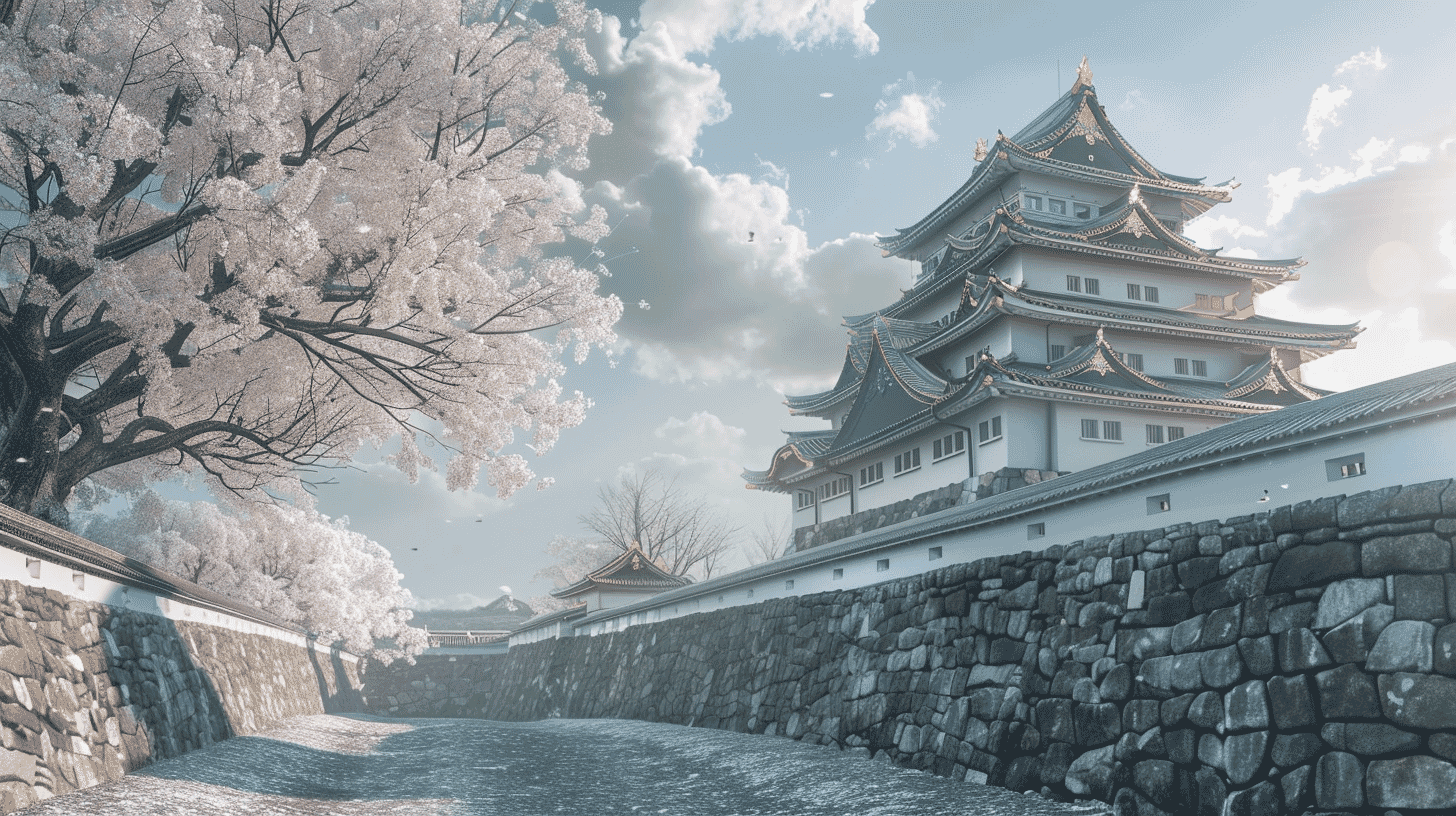
Atsuta Shrine, Inuyama Castle, and town crafts showcase Aichi's samurai heartland. Explore cultural properties with Nagoya base tips.
National Treasures
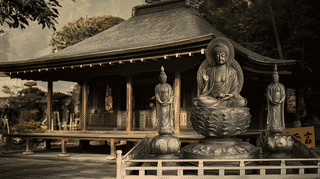
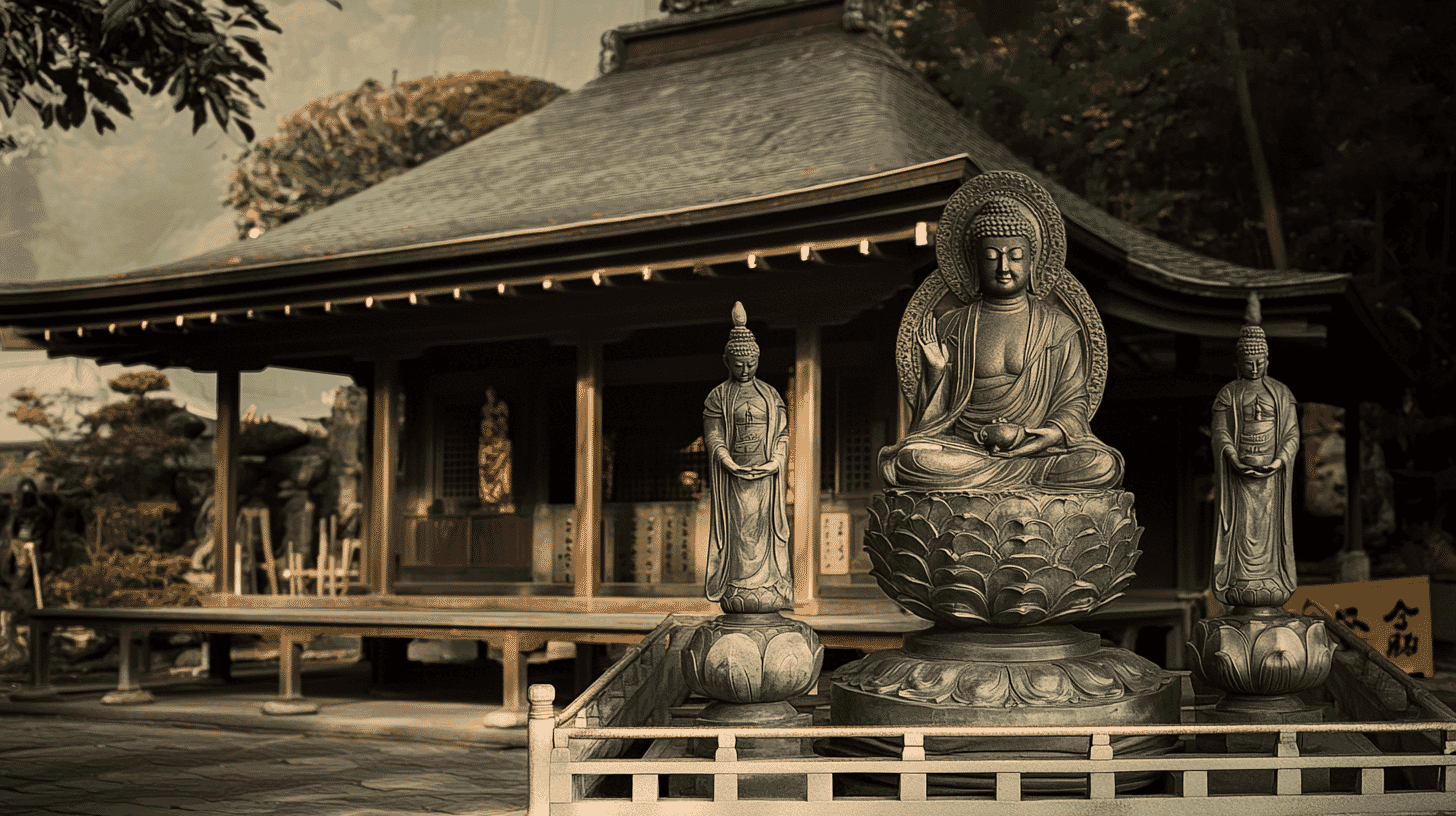
A Kamakura Amida hall in Nishio, Aichi, carrying techniques shared with Heian aristocratic houses. I...

A Kamakura-period tanto at the Tokugawa Art Museum in Aichi. The two records give its length differe...

Discover Inuyama Castle, one of only five National Treasure castle keeps in Japan. Built in 1537, th...
Discover Jo-an, one of only three National Treasure teahouses in Japan. Built in 1618 by tea master ...
The National Treasure Hanshu Shihuo Zhi Volume 4, held by Ōsu Kannon temple in Nagoya, is one of the...
Discover the Kanrin Gakushi Shishū, a National Treasure manuscript of Tang dynasty Chinese poetry pr...
Important Cultural Properties
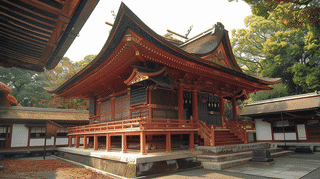
A Momoyama shrine hall in Tsushima, Aichi, three bays wide in the nagare form. The Agency dates it t...
Discover the Aichi Prefectural Government Building, an Important Cultural Property blending Western ...
Discover the Main Hall of Asuke Hachimangu Shrine in Toyota City, Aichi — a nationally designated Im...
Founded by the Matsudaira ancestors of the Tokugawa, Iga Hachimangu in Okazaki keeps a polychrome ea...
Discover the Former Uchida Family Residence, a designated Important Cultural Property in Minamichita...
Explore the Saimon-den (Ritual Gate Hall) and East-West Corridors of Ōagata Shrine in Inuyama, Aichi...

A haori held at the Tokugawa Art Museum in Nagoya. Its own period field says Momoyama, while its own...
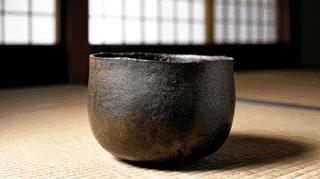
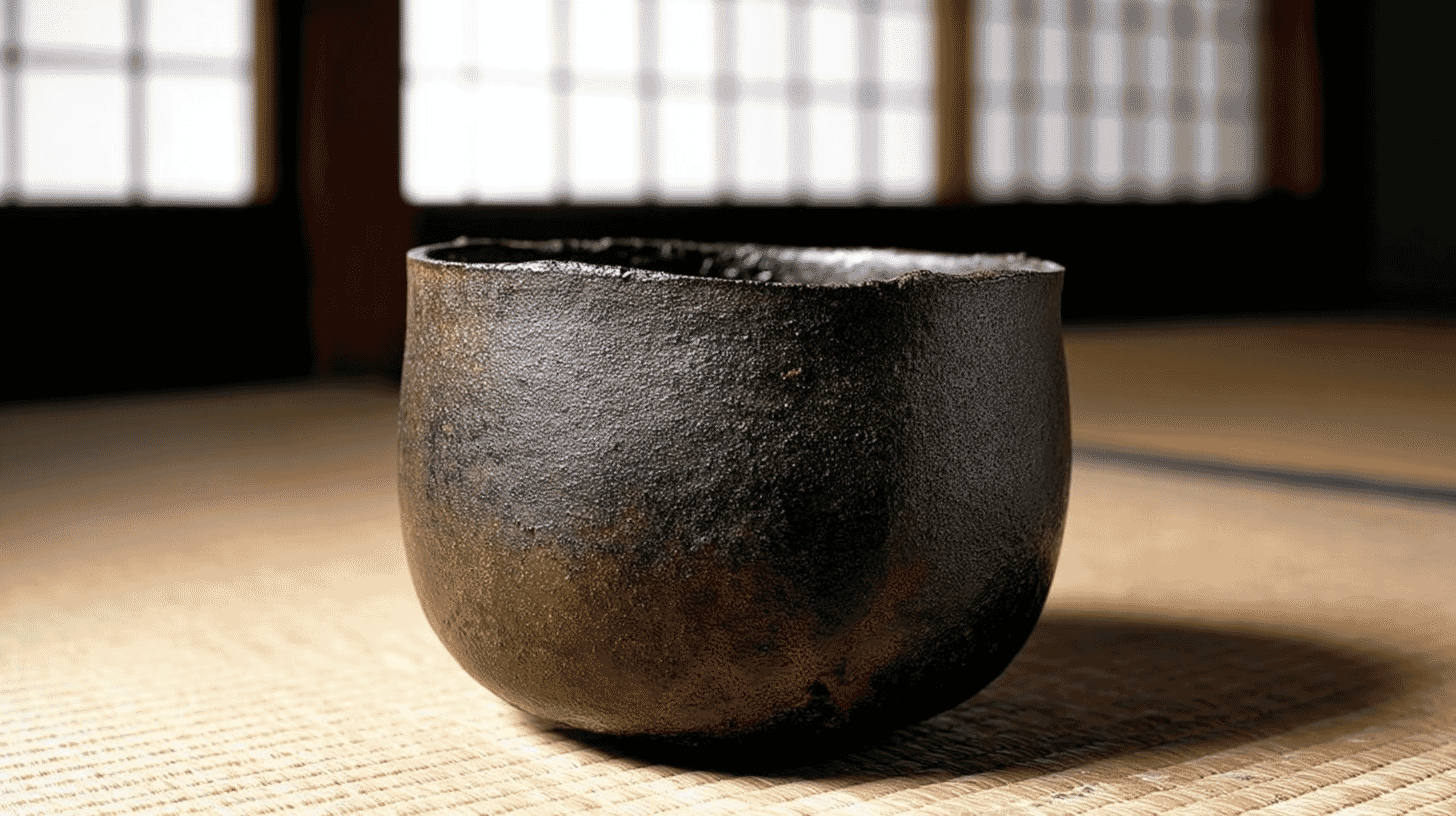
An Edo-period tea bowl by Hon'ami Koetsu in Nagoya, Aichi. Black glaze covers it but thins in places...
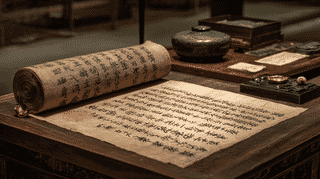
Forty volumes of the Shoku Nihongi at the Hosa Library in Nagoya. Volumes 11 to 40 are the oldest su...
Discover the Important Cultural Property 'Poetry Paper by Fujiwara no Kintsune' at the Tokugawa Art ...
A late-Heian tale of the Fujiwara regents and Michinaga's glory. The six-volume Tosho-bon in Aichi i...
A Momoyama-period Oribe ware square bowl held privately in Aichi Prefecture, designated an Important...
Other Heritage
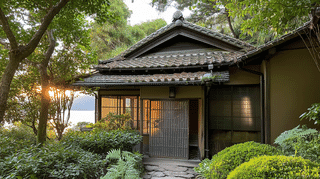
A single-storey timber tea house on a hill in Gamagori, Aichi, with a small tea room and an eight-ma...
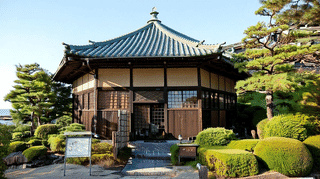
A single-storey timber building of 1936 in Gamagori, Aichi. Hexagonal, roofed in glazed blue tiles u...
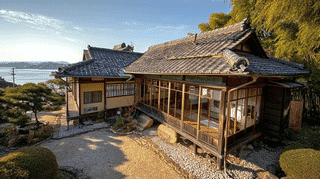
A detached building of 1916 on a hill in Gamagori, Aichi. A room stepping out to the southeast carri...
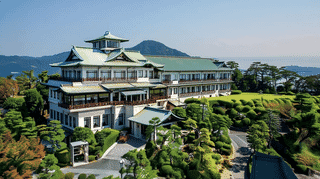
A 1934 building on a hill above Mikawa Bay in Gamagori, Aichi. A hip-and-gable copper roof sits on a...
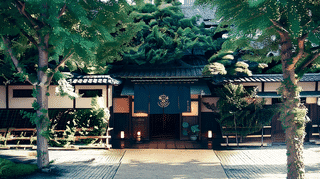
A two-storey timber building of 1950 in Nagoya, Aichi. Its rooms are set apart by corridors and narr...
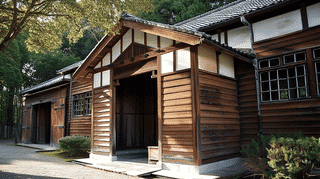
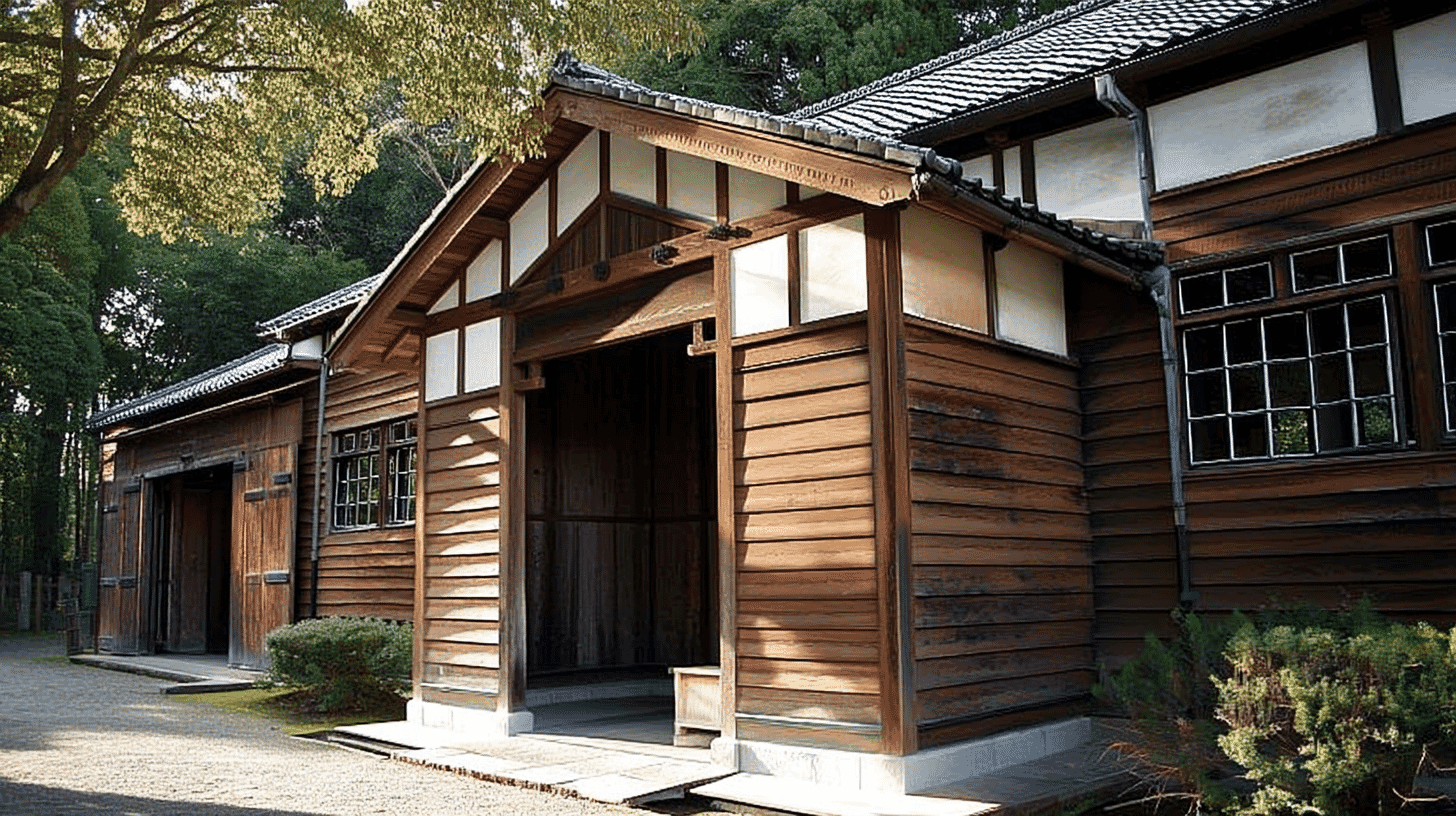
A martial arts hall of 1917 at Meiji Mura in Inuyama, Aichi, moved there from Kanazawa in 1970. A We...
About Aichi
Nagoya Castle, built in 1612 as residence castle for Owari Tokugawa family, head of Tokugawa three branch families, represents flatland castle. Large and small keeps plus Honmaru Palace reconstruction continue current maintenance. Particularly, rooftop golden shachi serve as beloved Nagoya Castle symbols, also called "Kinshachi Castle." Honmaru Palace, reconstruction completed in 2018, features gorgeous Kano school barrier paintings as highlights.
Atsuta Shrine, enshrining Kusanagi sword (one of three imperial regalia), has gathered court and warrior worship since ancient times. As one of Japan's premier shrines with approximately 7 million annual worshippers, New Year shrine visits rank nationally high. Precincts feature camphor trees over 1,000 years old, creating sacred atmospheres.
Inuyama Castle, one of 12 existing keeps, represents beautiful castle built on hills along Kiso River. The keep built in 1537 during Muromachi period is designated national treasure, with top floors overlooking Kiso River flows and Nobi Plain. Also beloved by alternate name "Hakutei Castle," particularly crowded during spring cherry blossom season.
Toyota Commemorative Museum of Industry and Technology, corporate museum established in Nagoya City as Toyota Group birthplace, teaches Toyota's technological development history from textile machinery to automobile manufacturing. Facilities featuring actual machine dynamic displays and automobile manufacturing process tours enable experiencing technological progress.
Nagoya food culture is distinctive, with miso-nikomi udon as representative local cuisine. Rich soup using red miso with strong, chewy udon noodles, served simmered in earthenware pots. Hitsumabushi, another Nagoya specialty featuring finely chopped eel over rice, is typically enjoyed through four eating methods.
Miso katsu, pork cutlet with sweet-salty red miso sauce, is beloved as representative Nagoya B-grade gourmet. Chicken wing karaage also allegedly originated in Nagoya, with sweet-salty sauce, sesame, and pepper-seasoned wings spreading nationwide.
Ankake spaghetti also represents unique Nagoya cuisine, featuring thick spaghetti with vegetable starch sauce. Born in the 1950s, numerous specialized restaurants continue serving this beloved Nagoya soul food.
Aichi Prefecture, automotive industry center, concentrates numerous automotive-related companies including Toyota Motor. Toyota Kaikan in Toyota City teaches latest automotive technology and environmental initiatives. Additionally, Aichi Expo (2005 Japan International Exposition) venue sites are currently maintained as Ai-Chikyuhaku Memorial Park (Morikoro Park).
Tokoname ware, pottery made in Tokoname City, Aichi Prefecture, counts among Japan's six ancient kilns. Particularly famous for maneki-neko production, Tokoname City features numerous kilns and pottery experience facilities. Additionally, Arimatsu shibori represents traditional tie-dyeing made in Nagoya City Midori Ward Arimatsu district, known for techniques and beautiful patterns.
Browse by Type
Designation categories represented in the prefecture, with counts.
Aichi Omanto · Ayato's Night Prayer and Bon Dance · Towards the Ocean
Aozuka Tomb · Atera Seven Waterfalls · Ano Milestone
Asuke, Toyota City · Arimatsu, Nagoya
Ayato's Night Prayer and Bon Dance · Inuyama Festival Float Event · Owari Tsushima Tenno Festival Carnival
Former Hayashi Family Garden · Tsuruma Park
Aichi Gakuin University Kusumoto Campus Building No. 1 · Aichi Prefectural Asahigaoka High School Main Gate Pillar · Aichi Prefectural Anjo Agricultural and Forestry High School
Oiri Flower Festival Equipment and Related Materials
Aichi in Periods
Periods represented by designated properties in the prefecture.