
From Sumiyoshi's ancient shrine to castle artifacts and merchants' halls, Osaka blends faith and commerce. Map cultural properties for urban walks.
National Treasures

An Asuka-period straight sword owned by Shitennoji in Osaka, the Big Dipper and clouds inlaid in gol...
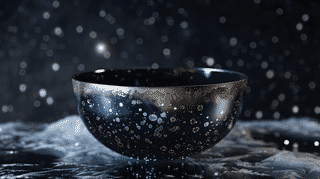
A Southern Song Jian bowl at the Museum of Oriental Ceramics in Osaka, silver spots packed tightly a...

A Southern Song tenmoku bowl at the Fujita Museum in Osaka, its black glaze scattered with haloed sp...
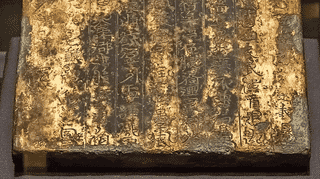
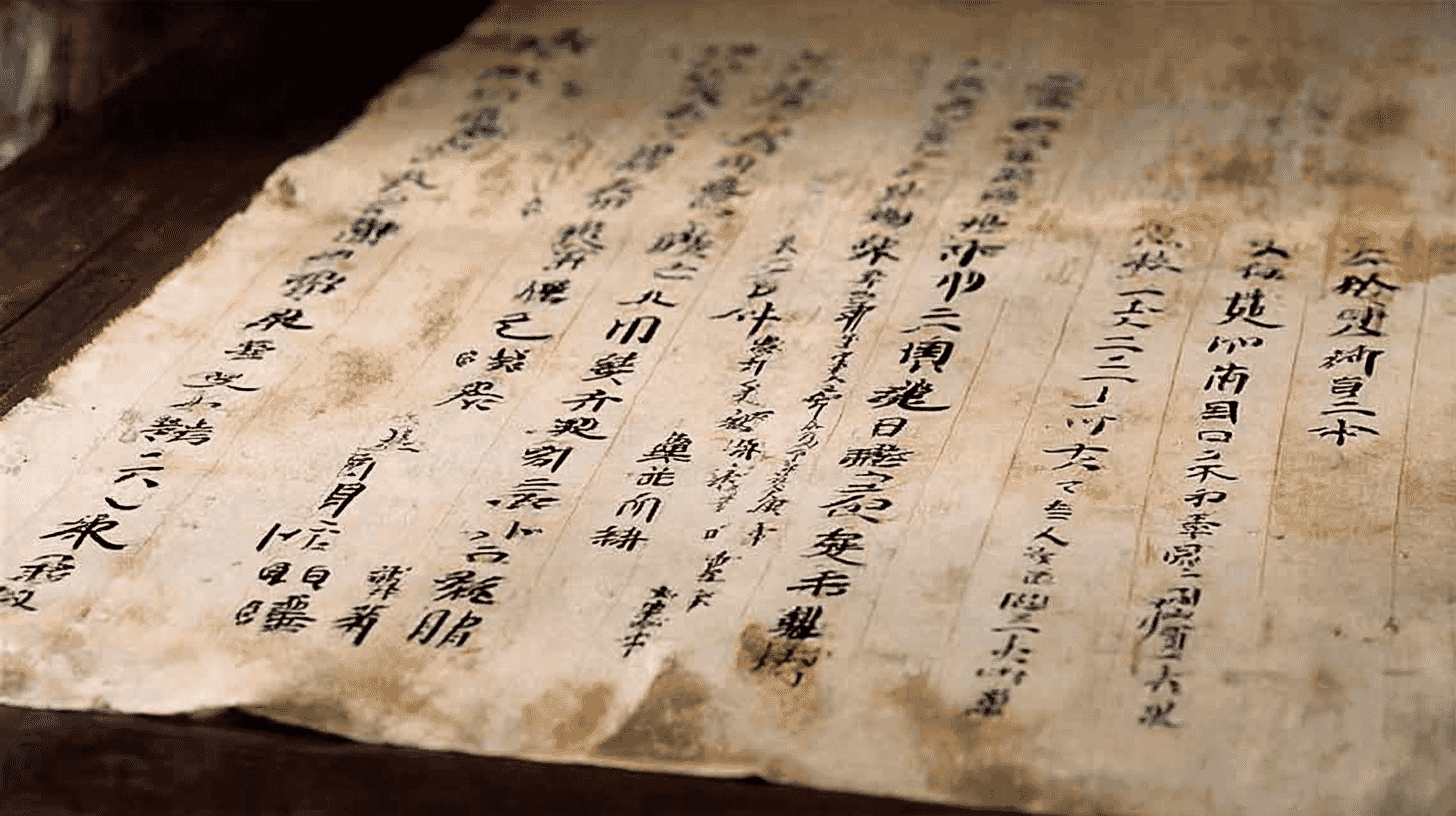
A Nara-period gilt bronze epitaph found at Magami in Takatsuki, Osaka, now at the Osaka Museum of Hi...
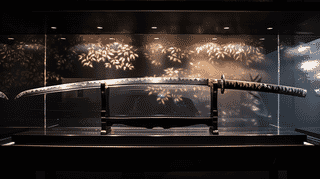
A Kamakura tachi in Osaka Prefecture, 73.3 centimetres long. Its unaltered tang still carries the si...
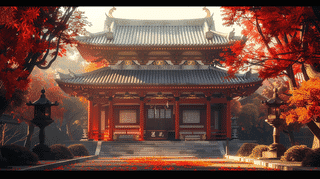
An early Muromachi-period hall in Osaka Prefecture. Its commentary misspells a founder's name there,...
World Heritage Sites
Important Cultural Properties
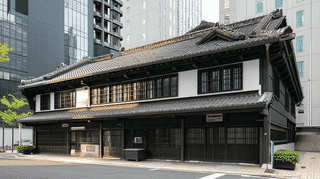
Three Meiji-period townhouse buildings in Osaka Prefecture. Its own name says former while its own r...
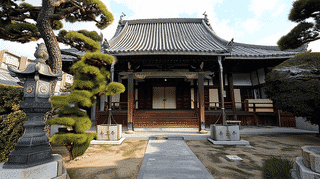
Explore Raigo-ji Temple's 1732 main hall in Matsubara City, Osaka. This hidden gem of the Yuzu Nembu...

Osaka's Former Ogata Kōan Residence, known as Tekijuku, is Japan's only surviving Dutch studies acad...
Built in 1442 beside the Kashii River in Izumisano, Ogami Shrine's main hall is Osaka's oldest kasug...
On the old Kishū highway in Izumisano, the Oku Family Residence preserves a 1727 main house, a long ...
The Main Hall of Katano Shrine in Hirakata, Osaka is an Important Cultural Property rebuilt in 1602 ...
Discover the Important Cultural Property artifacts from Ama-Miyayama Kofun in Takatsuki, Osaka—inclu...
Kanshin-ji preserves a pair of gilt-bronze lotus vases, one inscribed 1330 (Gentoku 2). Late Kamakur...
Discover Locomotive No. 233 in Kyoto: Japan's oldest surviving domestically mass-produced steam loco...
The Two-Poem Kaishi by Fujiwara no Hidetō preserves two summer waka inscribed in 1201 by a young war...
Discover the Important Cultural Property katana by master swordsmith Ono Hankei, dedicated to Sumiyo...
Discover the Shino Tea Bowl, Named "Hirosawa," an Important Cultural Property of Japan housed at the...
Other Heritage
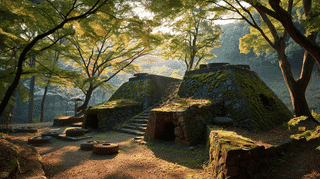
Discover the Kishibe Tile Kiln Site, Japan's only known kiln that supplied tiles for the original He...
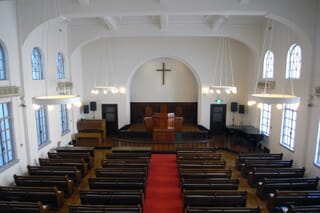
Discover the historic Osaka Nipponbashi Christian Church, a 1925 Gothic Revival masterpiece and Regi...
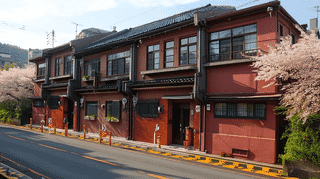
Discover Hazama House, a beautifully preserved 1932 luxury nagaya row house in Osaka's Miyakojima di...
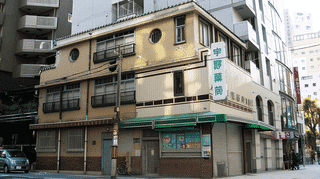
Explore Uno Pharmacy, a nationally registered tangible cultural property in Osaka. This 1933 wooden ...
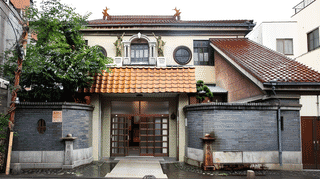
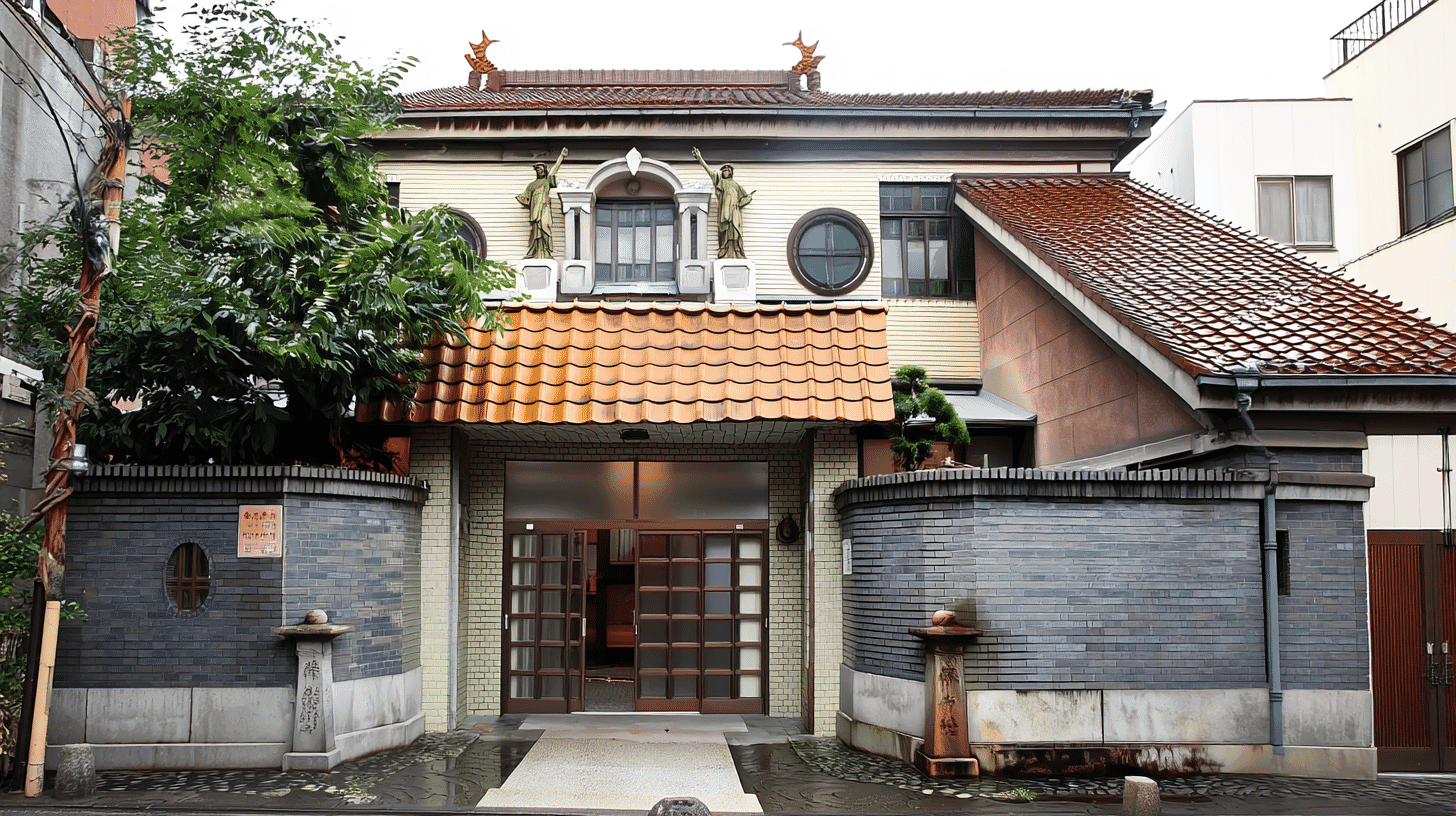
Discover Gengahashi Onsen, a 1937 Showa modernist bathhouse in Osaka featuring an iconic Statue of L...
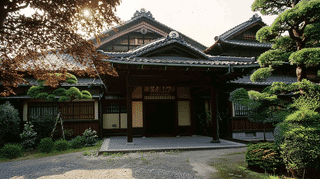
Discover Shotokukan, a registered tangible cultural property in Osaka featuring exquisite Japanese-W...
About Osaka
"Mozu-Furuichi Kofun Groups" (registered 2019) represents kofun groups built from late 4th through late 5th centuries, with 49 kofun including Nintoku Emperor Mausoleum (Daisen Kofun) registered as World Cultural Heritage. Nintoku Emperor Mausoleum, Japan's largest keyhole-shaped tomb mound at approximately 486 meters long, ranks among world's three great tombs alongside Egypt's Khufu Pyramid and China's First Emperor's Mausoleum.
Osaka Castle, castle construction begun by Toyotomi Hideyoshi in 1583, features keep reconstructed in 1931. Built on Ishiyama Honganji Temple ruins, this castle served as Toyotomi family base and Siege of Osaka battlefield. Toyokuni Shrine within castle grounds enshrines Hideyoshi, while Osaka Castle Park is beloved for cherry blossoms.
Sumiyoshi Taisha, head shrine of approximately 2,300 nationwide Sumiyoshi shrines, represents ancient shrine with over 1,800 years history. Four main hall buildings designated as national treasures feature distinctive Sumiyoshi-zukuri architectural style. New Year shrine visit numbers rank highest in Kansai, with approximately 2.3 million annual visitors.
Shitennoji Temple, one of Japan's oldest authentic Buddhist temples built by Prince Shotoku in 593, features Shitennoji-style temple layout with chumon gate, five-story pagoda, golden hall, and lecture hall aligned straight, serving as Japanese temple architecture prototype. Current buildings, reconstructed postwar, faithfully recreate ancient temple layouts.
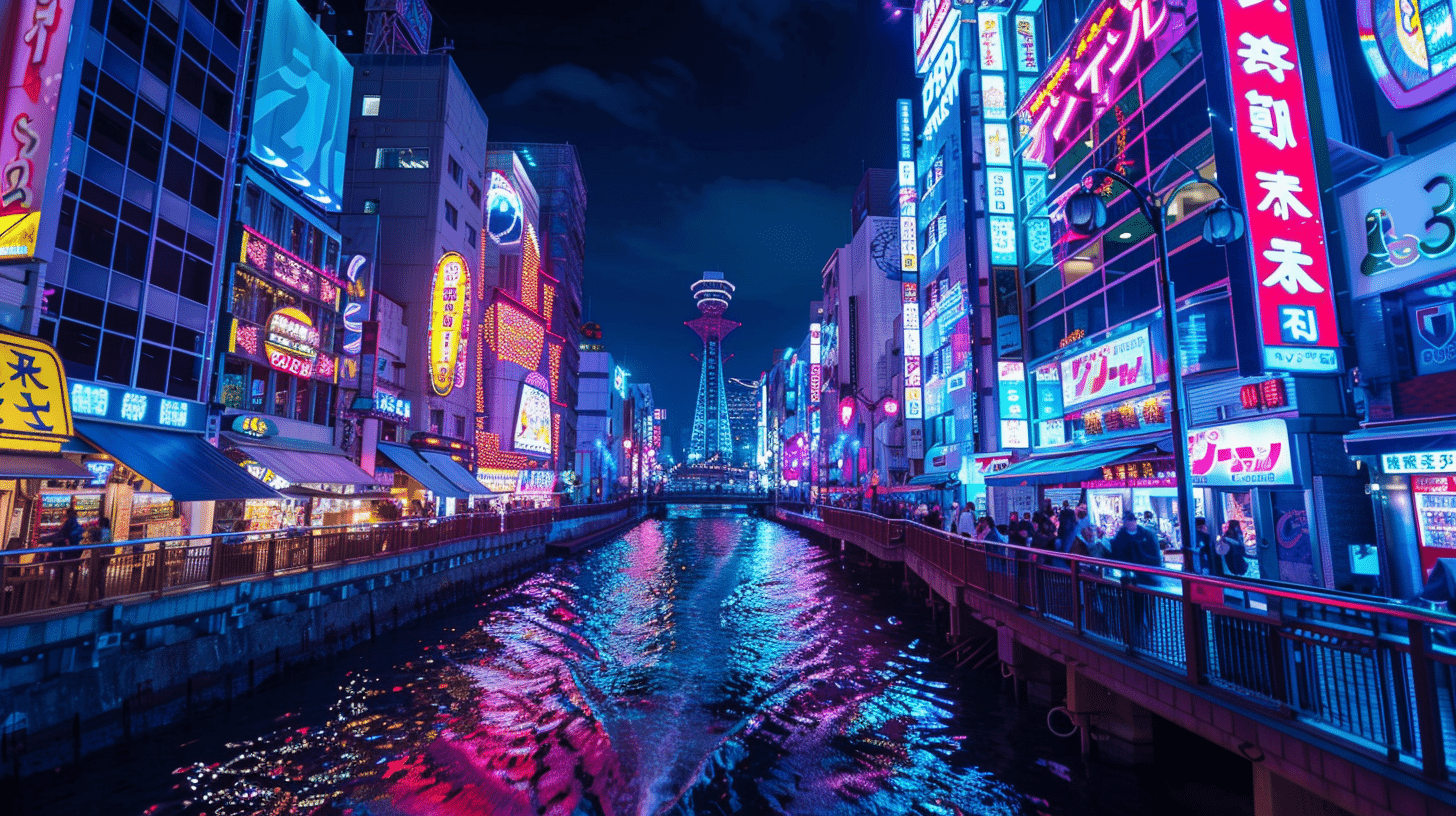
Dotonbori, representative Osaka entertainment district, developed as theater quarter continuing from Edo period. Scenes with flashy signboards including Glico signs and Kani Doraku crab signs represent globally famous Osaka symbols. Also battlegrounds for Osaka gourmet including takoyaki, okonomiyaki, and kushikatsu.
Shinsekai, pleasure quarter developed in 1912, represents downtown atmospheric area symbolized by Tsutenkaku Tower. Original Tsutenkaku built in 1912, current second generation completed in 1956. Surrounding areas feature numerous kushikatsu shops as kushikatsu birthplace.
Osaka food culture features "kona-mon" (flour-based) dishes using wheat flour, with takoyaki, okonomiyaki, and kushikatsu as representatives. Takoyaki, allegedly originating around 1935, now represents globally known Osaka soul food. Okonomiyaki features Kansai-style abundant vegetables seasoned with sauce and mayonnaise.
Hanshin Koshien Stadium, representative Japanese baseball stadium opened in 1924, is beloved as National High School Baseball Championship sacred ground. Koshien soil symbolizes young players' dreams, with summer Koshien representing Japanese summer traditions.
Universal Studios Japan (USJ), theme park opened in 2001, attracts popularity through attractions experiencing Hollywood movie worlds. Recent additions including Nintendo World and Harry Potter areas create major Kansai tourist destinations welcoming approximately 15 million annual visitors.
Browse by Type
Designation categories represented in the prefecture, with counts.
Rice Planting at Kumata Shrine · Bugaku Dance of the Shitennoji Holy Spirit Festival · Performing Arts of the Sumiyoshi Rice Planting Ritual
Akasaka Castle Ruins · Akutagawa Castle Ruins · Abuyama Tomb
Tondabayashi City, Tondabayashi
Rural Landscape of Hinesho Oki
Bugaku Dance of the Holy Spirit Festival · Sumiyoshi Rice Planting
Izumi City Kuboso Memorial Museum of Art Tea House Garden · Former Nakanishi Family Garden · Former Nishio Family Garden
Aoyama Building · Akaishi Family Residence Storehouse · Akaishi Family Residence Main Building
Osaka in Periods
Periods represented by designated properties in the prefecture.