An Older Sister to the National Treasures
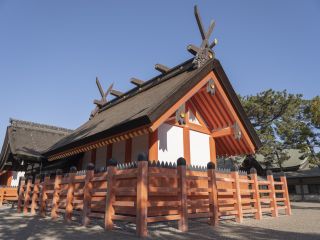
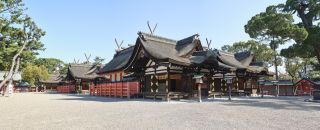
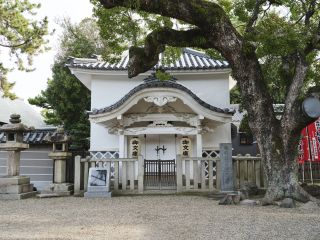
At Sumiyoshi Taisha in southern Osaka, the four main halls that face the sea are National Treasures, rebuilt in 1810. A short walk to the north sits a fifth hall in the same archaic style, and it is older than all of them. This is the main hall of Daikai Shrine, completed in 1708. It is the oldest surviving example of a properly built Sumiyoshi-zukuri sanctuary anywhere, which makes it something of a reference point for understanding the celebrated halls beside it.
Daikai Shrine is an auxiliary shrine (sessha) of Sumiyoshi Taisha, and the most senior of them. Worshippers have long called it the "branch palace" of Sumiyoshi, a sign of how seriously its rites were once taken. The Agency for Cultural Affairs designated the main hall an Important Cultural Property on 26 May 1964.
A Shrine to the Sea God
Daikai Shrine appears by name in the Engishiki, the law code completed in 927, where it is listed in Settsu Province as a registered shrine of two deities. That places its origins well before the building you see today.
The two deities are Toyotamahiko and his daughter Toyotamahime. Both belong to one of the oldest stories in Japanese myth, in which a young hunter named Hoori loses his elder brother's fishhook and descends to the palace of the sea god to recover it. There he meets and marries Toyotamahime, and on his return he is given two jewels that command the rising and falling of the tide. For a shrine standing beside a harbour deity worshipped by sailors for safe passage, a sea-palace family was a fitting choice of guardian.
Through the medieval period, Daikai Shrine was rebuilt on the same roughly twenty-year cycle as the main sanctuary, a rhythm of renewal that Sumiyoshi shared with Ise and a handful of other ancient shrines. The present hall dates from the Hōei era rebuilding, finished in 1708.
Why It Was Designated
The reason the main hall carries such weight is a matter of dates. Sumiyoshi Taisha's four National Treasure halls were last rebuilt in 1810. Daikai Shrine's hall went up in 1708, a full century earlier, yet follows the identical Sumiyoshi-zukuri form. It therefore preserves the style as it stood a generation or two before the National Treasures were renewed, and scholars treat it as the senior surviving model of the type.
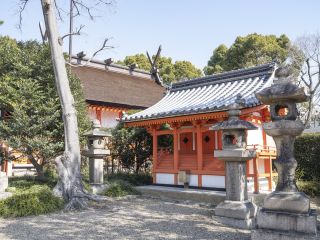
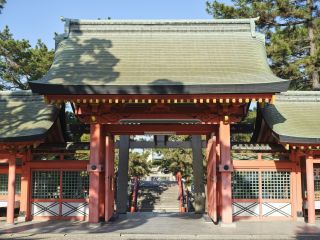
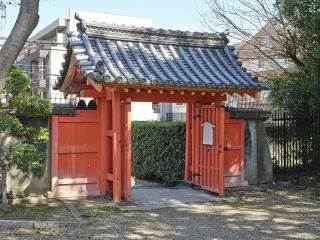
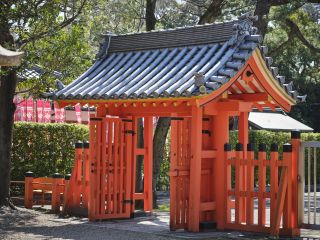
The shrine's other structures share in the recognition. The offering hall, the connecting passage, and the west gate are all listed as Important Cultural Properties in their own right, the west gate being older still and dating to the Momoyama or very early Edo period. Together they record how Sumiyoshi's precinct took shape across several centuries.
What to Look For
Sumiyoshi-zukuri is among the oldest forms of Japanese shrine architecture, predating the arrival of continental building methods. Once you know its features, the hall reads clearly even from outside the fence.
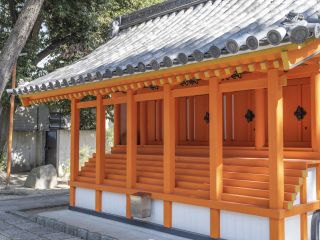
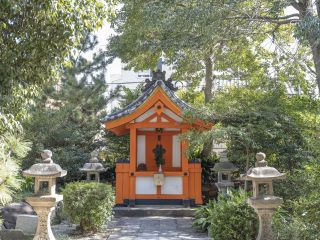
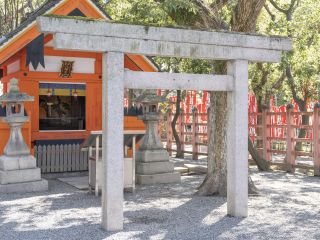
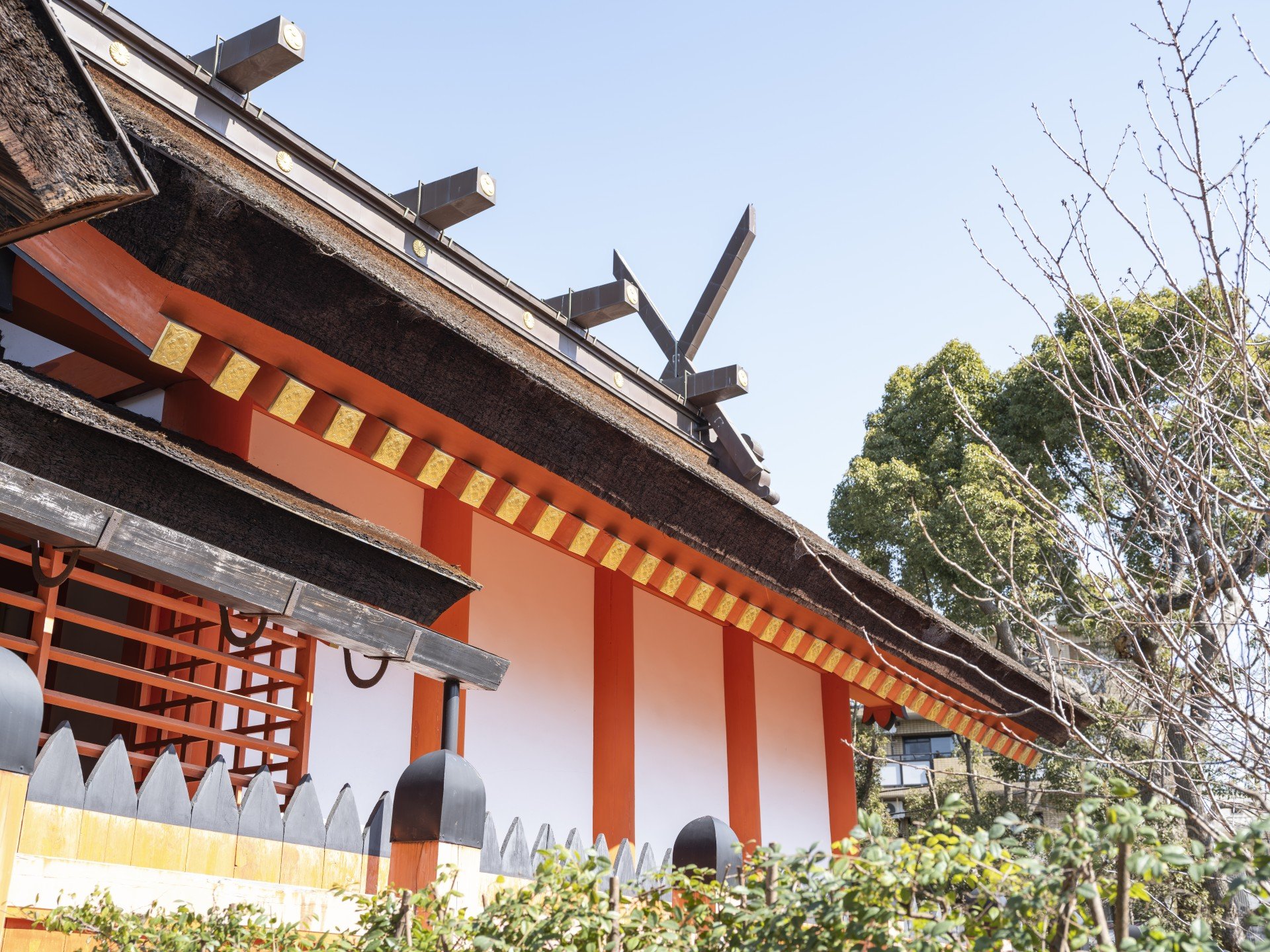
The roof is a straight gable laid with thick cypress bark, with none of the upward sweep that later shrines borrowed from temple design. You enter from the gabled end rather than the long side, an arrangement called tsumairi. Inside, the single room is divided into an outer chamber and an inner chamber set one step higher, though the public sees neither. What carries across the open ground is the colour: pillars and rafters in vermillion, the plank walls finished in a chalky white pigment ground from seashells. Like the main halls, it faces west, toward the water.
In front of the hall sits a stone-rimmed well called Tama-no-i, the "well of the jewel." Local tradition holds that this is where Hoori sank the tide-controlling jewel given to him by the sea god. The grove around the shrine, known since ancient times as the Iwate Forest, was once celebrated for its bush clover and wisteria.
Planning a Visit
Daikai Shrine stands in the northern part of the Sumiyoshi Taisha precinct, a few minutes on foot from the four main halls. Entry to the grounds is free. The precinct opens at 6:00 from April through September and at 6:30 from October through March, closing at 17:00, and it stays open every day of the year.
As with shrine main halls generally, the interior is not open to visitors; the building is appreciated from the surrounding fence, which still gives a clear view of its proportions and colour. Early morning, before the day's crowds reach the main halls, is the quietest time to find this corner of the precinct.
Around the Precinct
The obvious companions to Daikai Shrine are the four main halls themselves, lined up so that three run front to back and the fourth sits alongside, a formation often likened to a fleet of ships at sea. Near the main entrance is the steep vermillion drum bridge, the Sori-hashi, one of the most photographed structures in Osaka. Sumiyoshi is also tied to the folk tale of Issun-bōshi, the one-inch boy, who is said to have set out on his adventures from here.
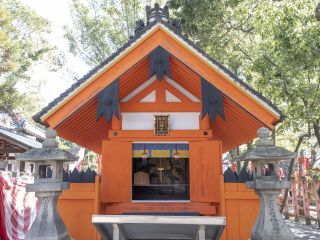
The wider precinct holds more than two dozen auxiliary and subordinate shrines, several with their own followings, so a visit easily fills a morning before you move on to explore the old shopping streets of the surrounding district.
Q&A
- How is Daikai Shrine's main hall different from the famous main halls?
- It is built in the same Sumiyoshi-zukuri style, but it is older. The four National Treasure halls were rebuilt in 1810, while the Daikai hall dates from 1708, making it the oldest surviving sanctuary of the type.
- Can I go inside the hall?
- No. Like other shrine main halls, the interior is closed to the public. You view the building from outside the fence, which is enough to take in its roof, colour, and form.
- What is Sumiyoshi-zukuri?
- It is one of the oldest Japanese shrine building styles, marked by a straight gabled roof of cypress bark, an entrance at the gable end, vermillion pillars, and white shell-pigment walls. It shows little of the curving influence that later entered shrine design.
- Which deities are enshrined here?
- Toyotamahiko and his daughter Toyotamahime, figures from the myth of the sea god's palace. The connection suits a shrine bound up with safe passage at sea.
- How do I reach it?
- Take the Hankai tram to Sumiyoshi-toriimae, right by the entrance, or the Nankai Main Line to Sumiyoshitaisha Station, about three minutes on foot. Daikai Shrine is a short walk north within the precinct.
Basic Information
| Name | Main Hall of Daikai Shrine, an auxiliary shrine of Sumiyoshi Taisha |
|---|---|
| Location | 2-chōme, Sumiyoshi, Sumiyoshi Ward, Osaka City, Osaka Prefecture |
| Designation | Important Cultural Property (designated 26 May 1964) |
| Built | 1708 (Hōei 5), Edo period |
| Structure | Sumiyoshi-zukuri, cypress-bark roof; one building |
| Owner | Sumiyoshi Taisha |
| Access | Adjacent to Sumiyoshi-toriimae Station (Hankai tram); about 3 min on foot from Sumiyoshitaisha Station (Nankai Main Line) |
| Hours | Grounds open daily; 6:00–17:00 (Apr–Sep), 6:30–17:00 (Oct–Mar) |
References
- Cultural Heritage Online (Agency for Cultural Affairs): Main Hall of Daikai Shrine
- https://bunka.nii.ac.jp/heritages/detail/175332
- Sumiyoshi Taisha official site: Auxiliary shrines
- https://www.sumiyoshitaisha.net/grounds/sessya.html
- Sumiyoshi Taisha official site: Architectural style
- https://www.sumiyoshitaisha.net/about/architect.html
- Osaka City: Precinct of Sumiyoshi Taisha
- https://www.city.osaka.lg.jp/kyoiku/page/0000008875.html
Last verified: 2026.06.04