
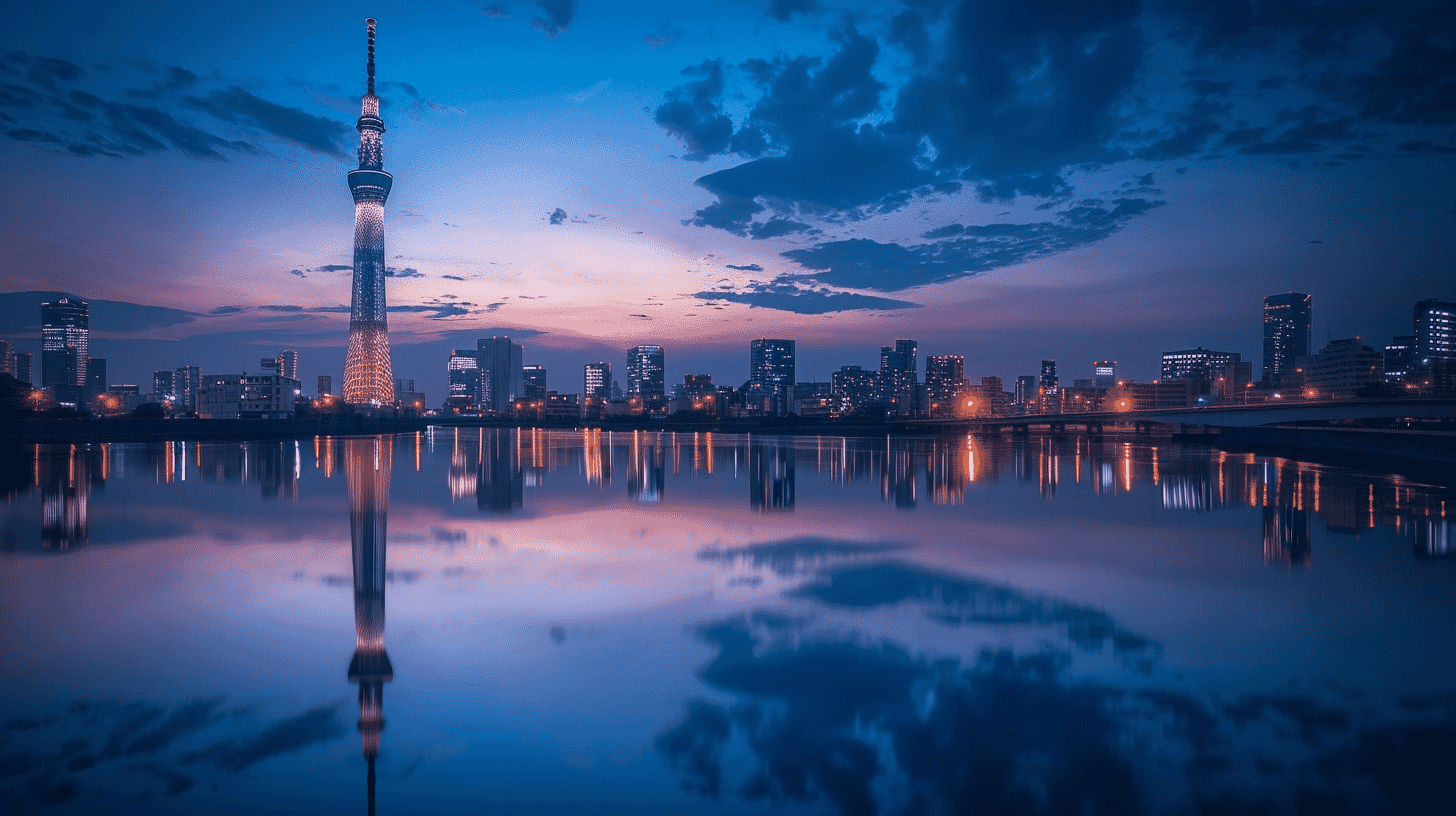
From Sensō-ji and Meiji Shrine to museums holding masterworks, Tokyo mixes tradition and modernity. Map National Treasures and plan effortless city visits.
National Treasures
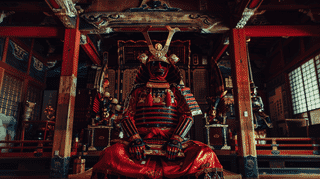
A Heian-period great armour at Musashi Mitake Shrine in Tokyo. The Agency calls it the finest work i...
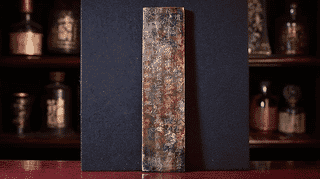
A copper epitaph found at Matsuokayama in Kashiwara, Osaka, now at the Mitsui Memorial Museum. Its i...
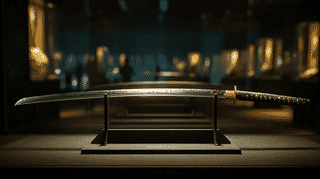
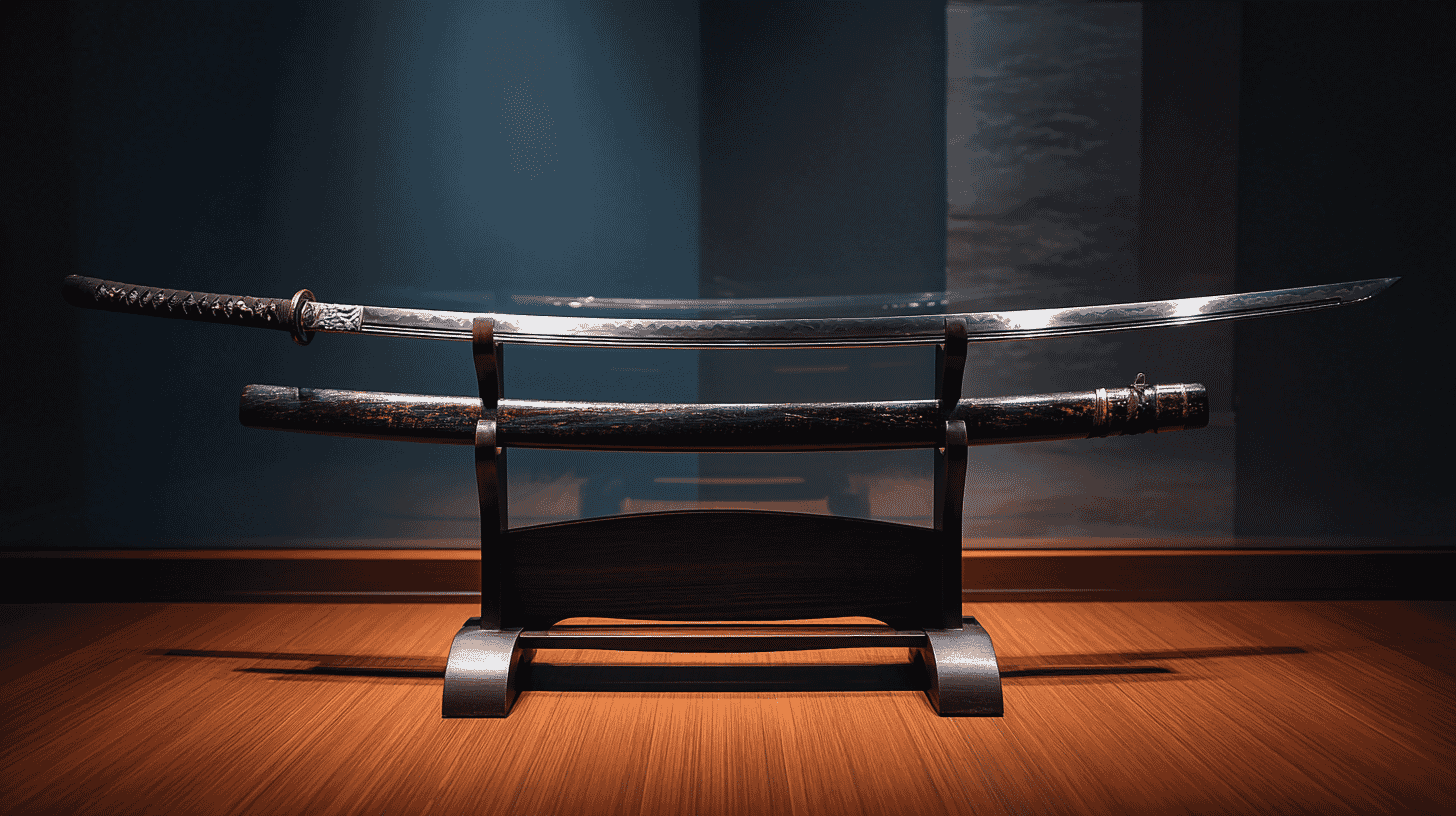
A Kamakura-period katana at the Tokyo National Museum in Tokyo. Its tang was cut right back, so the ...
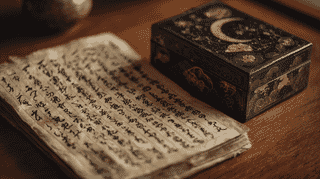
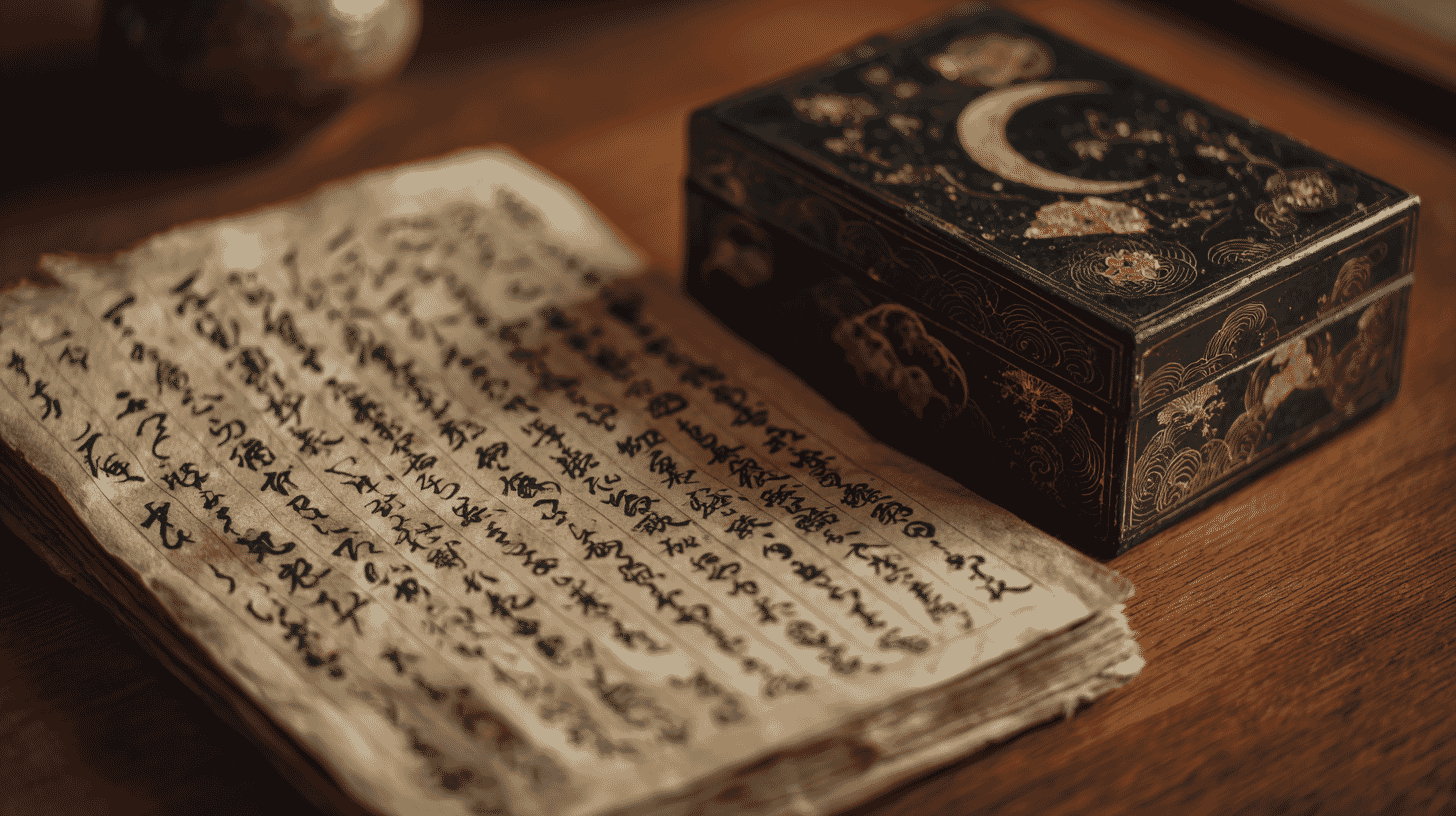
A manuscript in Teika's own hand kept in Tokyo. The same disordered leaves running through all the l...
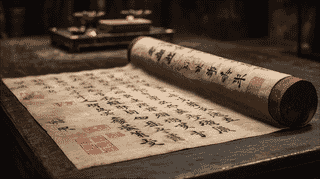
A Tang-dynasty copy of a letter by Wang Xizhi, kept in Tokyo. Nothing at all in his own hand survive...
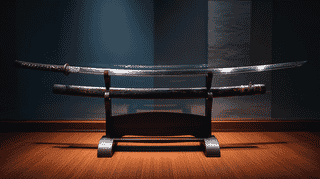
A Kamakura-period tachi held at the Tokyo National Museum in Tokyo. Its tang was never once cut back...
Important Cultural Properties

Discover the Former Asakura House (Kyu Asakura House), an Important Cultural Property in Daikanyama,...
Eitai Bridge, spanning the Sumida River between Chuo and Koto cities in Tokyo, is a historic bridge ...
Completed in 1933 at Shirokanedai, Tokyo, the Former Residence of Prince Asaka was designated an Imp...
Completed in 1924 where the Arakawa splits from the Sumida, this concrete sluice by Aoyama Akira bec...
Soto-Sakuradamon holds the largest masugata court left at Edo Castle and the ground where Ii Naosuke...
Tayasumon in Kitanomaru Park is the oldest surviving building at Edo Castle, dated to 1636 by an ins...
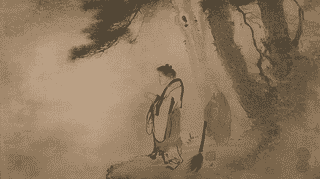
An ink painting on deposit at the Tokyo National Museum, owned by a foundation. Its title names Shid...
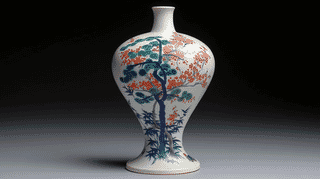
An Edo-period porcelain sake bottle held at Dazaifu in Fukuoka Prefecture, Japan. Its own matching f...

A haori held at the Tokugawa Art Museum in Nagoya. Its own period field says Momoyama, while its own...
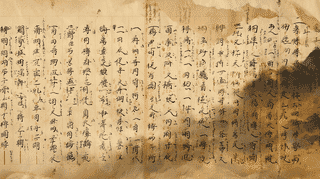
A manuscript owned by the Tokugawa Museum in Mito, Ibaraki Prefecture, which comes down to us here i...
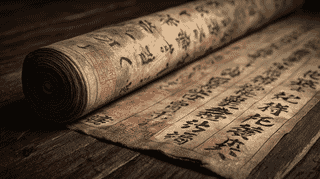
A document at the National Museum of Japanese History in Chiba, owned by an inter-university researc...
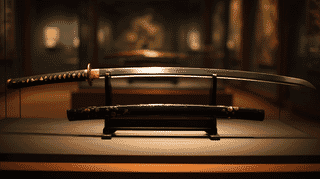
A Kamakura-period blade held at the Tokyo National Museum in Ueno. Its own reading field there repro...
Other Heritage
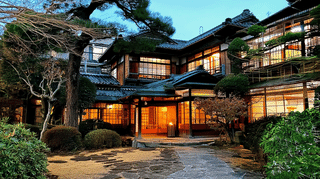
Discover Mitsubishi Electric Takanawa-so, a Registered Tangible Cultural Property in Tokyo's prestig...
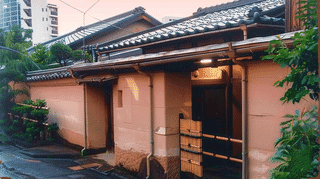
Discover Ohashi Saryo, a registered cultural property in Tokyo featuring five exquisite tea houses i...
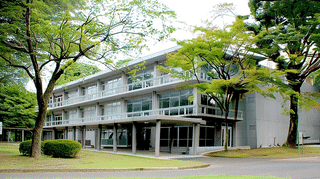
Discover ICU's Diffendorfer Memorial Hall, a registered tangible cultural property designed by Vorie...
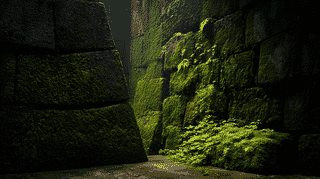
Discover the mysterious Luminous Moss at Edo Castle ruins in Tokyo—a National Natural Monument glowi...
Discover Namiki House in Tokyo's Zoshigaya neighborhood — a 1953 wooden apartment registered as a Na...
A timber gate of around 1934 in Ome, western Tokyo, its posts and roof frame built from polished ced...
About Tokyo
"Ogasawara Islands" (registered 2011), Pacific islands approximately 1,000 kilometers south of Tokyo, possess ecosystems achieving unique evolution as oceanic islands never connected to continents. Many endemic species including Bonin flying foxes, red-headed wood pigeons, and Ogasawara cicadas inhabit these islands, also called "Galapagos of the Orient".
As component asset of "Architectural Work of Le Corbusier, Outstanding Contribution to Modern Movement" (registered 2016), National Museum of Western Art main building in Ueno is included. Completed in 1959, this represents Japan's only work designed by Le Corbusier, master who revolutionized 20th-century architecture.
Tokyo's national treasures center on artworks and crafts, housed in various museums. Tokyo National Museum houses extremely important Japanese art historical works including "Tale of Genji Picture Scrolls," "Shigisan-engi Picture Scrolls," and "Wuzhun Shifan Calligraphy." Shofukuji Jizodo Hall represents Tokyo's only national treasure building, a 1407 Zen-style architectural masterpiece.
Tokyo Skytree, 634-meter broadcast tower opened in 2012, offers Kanto Plain panoramic views from observation decks. Sensoji Temple, Tokyo's oldest temple founded in 645, attracts approximately 30 million annual visitors along the approach from Kaminarimon Gate through Nakamise-dori.
Meiji Shrine, enshrining Emperor Meiji and Empress Shoken, boasts Japan's top New Year shrine visit numbers with about 3 million people. The approximately 700,000-square-meter sacred forest adjacent to Yoyogi Park represents precious artificially created urban forest.
Imperial Palace, built on Edo Castle ruins as emperor's residence, opens East Gardens to public. Edo Castle keep foundation ruins, Ninomaru Garden, and Museum of Imperial Collections teach Edo period history and culture.
Ueno Park, one of Japan's first parks opened in 1873, represents cultural facility concentration called "museum and art gallery Ginza." Featuring Tokyo National Museum, National Science Museum, Tokyo Metropolitan Art Museum, Ueno Forest Art Museum, it's also famous for Ueno Zoo's giant pandas.
Tokyo's food culture, rooted in Edo-mae tradition, prominently features sushi, soba, tempura, and eel. Tsukiji Outer Market and Toyosu Market gather fresh seafood, while monjayaki remains beloved as downtown common cuisine. Wagashi including ningyoyaki, kaminari-okoshi, and dorayaki color Tokyo's food culture.
Contemporary Tokyo, with entertainment districts including Shibuya, Shinjuku, Harajuku, Ginza, and Roppongi, transmits diverse cultures, developing as international city offering cutting-edge fashion, music, art, and gourmet experiences.
Browse by Type
Designation categories represented in the prefecture, with counts.
Binzasara at Asakusa Shrine · Playing in the Rice Fields in Itabashi · Edo-Era String Puppets
Tomb of Aoki Konyo · Tomb of Asano Naganori and the Ako Gishi · Tomb of Ino Tadataka
Katsushika Shibamata Cultural Landscape
Playing in the Rice Fields in Itabashi · Edo Village Kagura · Ogouchi's Kashima Dance
Kikuchi Family Tea House (■ (stone Radical with Room)) · National Museum of Western Art Garden
Fragment of the Fourth Volume of the Manyoshu, Written in · The Wind Is Cold and the Water Is Cold · Fragment from the First Volume of the Gosen Wakashu
Formerly Owned by the Aida Family Residence · Aoyagi Family Residence Main Building · Aoyama Gakuin Berry Hall
Tokyo in Periods
Periods represented by designated properties in the prefecture.
![Kabukiza Theater Food Route Guide: 90-Minute Dining Adventure from Actor-Favorite Restaurants to ¥500 Sandwiches [2025 Update]](https://prefjimage.sirv.com/heritage/posts/kabukiza-theater-food-route-ginza-2025/main.png?w=320&format=webp)