
Kamakura
Tokyo · 鎌倉Browse Tokyo’s cultural heritage from the Kamakura period (1185 – 1333). Filter by type and keyword, with concise stories, maps, and travel tips.
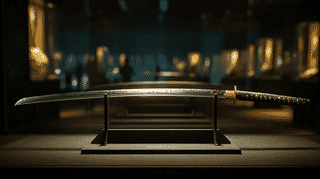
A Kamakura-period katana at the Tokyo National Museum in Tokyo. Its tang was cut right back, so the name of the maker had to be inlaid in gold later on.
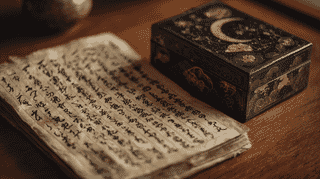
A manuscript in Teika's own hand kept in Tokyo. The same disordered leaves running through all the later copies proved this one to be the ancestor.
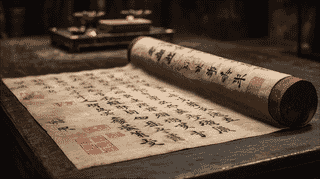
A Tang-dynasty copy of a letter by Wang Xizhi, kept in Tokyo. Nothing at all in his own hand survives, and so the copy itself is now the treasure here.
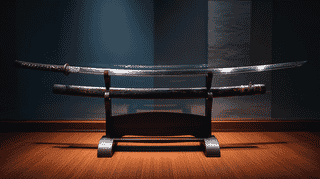
A Kamakura-period tachi held at the Tokyo National Museum in Tokyo. Its tang was never once cut back at all, and so the smith's own signature survives.
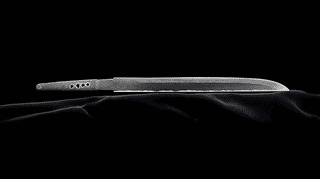
A Kamakura-period tanto at the Tokugawa Art Museum in Aichi. The two records give its length differently here, by a tenth of a centimetre in each case.
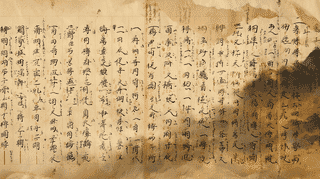
A manuscript owned by the Tokugawa Museum in Mito, Ibaraki Prefecture, which comes down to us here in its own two volumes, the upper and the lower one.
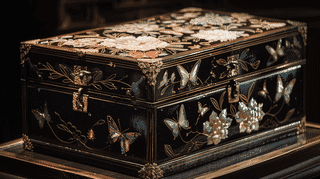
A Kamakura-period hand box kept in Tokyo. Three techniques answer to three colours in it: the gold of lacquer, the white of shell, the silver of inlay.
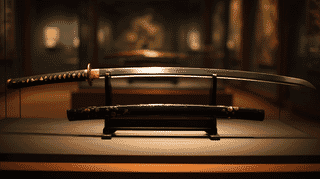
A Kamakura-period blade held at the Tokyo National Museum in Ueno. Its own reading field there reproduces all of the punctuation of the name even now.
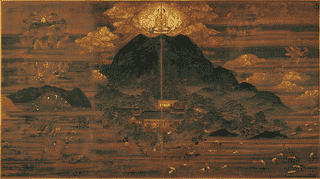
A Kamakura-period mandala on one scroll at the Nezu Museum in Tokyo. Two separate records describe it, one giving the background and one the picture itself.

A Southern Song tea bowl in Tokyo, known as the Inaba Tenmoku. Another bowl of the very same name here was listed on exactly the same day as this one.
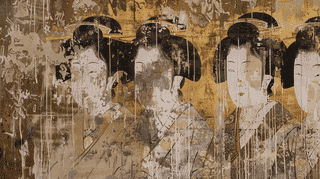
A Kamakura-period sutra scroll kept in Tokyo, written upon the underdrawings for a picture scroll that a death had left unfinished halfway through it.
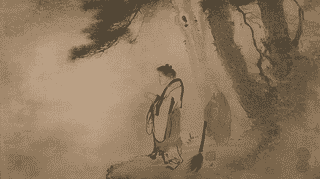
An ink painting on deposit at the Tokyo National Museum, owned by a foundation. Its title names Shide alone, and not the usual pair of the two figures.

This rare 27-centimetre ken, straight and double-edged, is signed by Mitsutada, the Kamakura-era founder of Bizen's Osafune school, a smith famed for curved tachi.
A Kamakura silk painting of Aizen Myōō, the red king of passion, an Important Cultural Property of 1953. His iconography and where to see kindred scrolls in Tokyo.
A large Kamakura-period painting of the Buddha Amida descending on clouds with Kannon and Seishi to welcome a dying soul. Held at the Tokyo National Museum.
Held in a private Tokyo collection, this Important Cultural Property is a Kamakura-period silk painting tied to the 1299 National Treasure Ippen Hijiri-e. The single hanging scroll depicts a scene at the sacred island of Enoshima and was designated an Important Cultural Property in 1959.
A Southern Song-period silk painting of a quail bearing the "Zakkashitsu-in" connoisseurship seal of Shogun Ashikaga Yoshinori, this Important Cultural Property descends from the celebrated Higashiyama lineage of Chinese paintings cherished by the Ashikaga shogunal house, and is privately preserved in Tokyo as a quiet witness to Japan's medieval engagement with classical Chinese art.
A hanging scroll in ink and color on silk, named an Important Cultural Property in 1959. Lan Ying, who painted it, was a leading landscape master of the late Ming.
A Kamakura silk painting of Ganjin, the Chinese monk blinded crossing to Japan in 753. An Important Cultural Property in Tokyo, echoing his Toshodai-ji statue.
A Kamakura silk scroll once called a nobleman's residence, now read as the Tales of Ise scene of Narihira crossing snow to visit Prince Koretaka at Ono.