
Yamagata's temple-mountains—Dewa Sanzan and Yamadera—anchor a deep pilgrimage culture. Explore treasures, legends, and clear travel guidance.
National Treasures
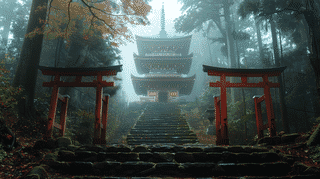
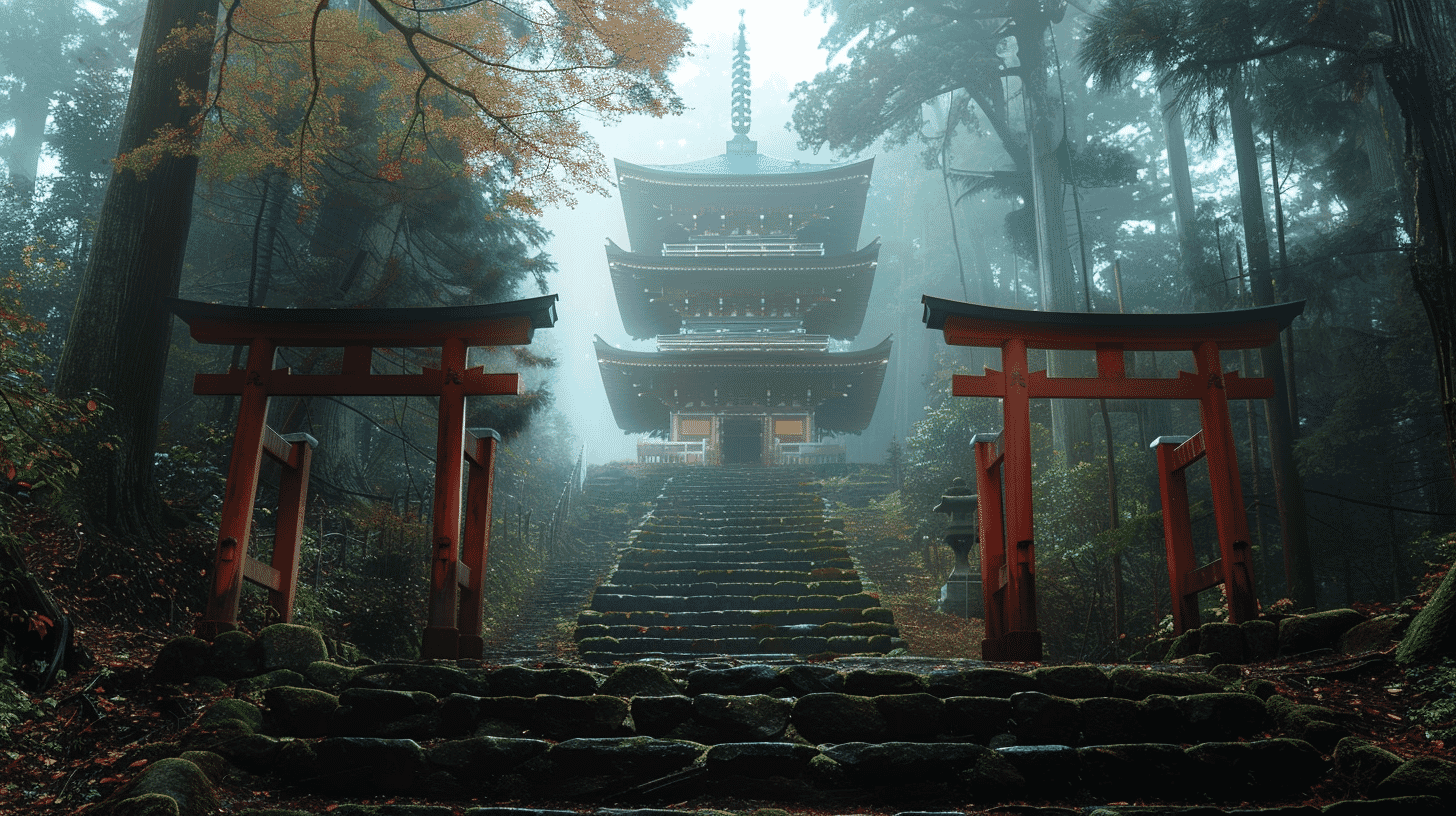
An early Muromachi pagoda on the approach to Hagurosan in Yamagata, over 29 metres in plain timber u...

The Uesugi Family Documents, 2,018 papers from the lords of Yonezawa, survive in their original fold...
A Kamakura-period National Treasure sword signed Sanemitsu, given by Oda Nobunaga to the Tokugawa ge...
A curved blade signed "Nobufusa," among Japan's oldest signed swords. Forged in Heian-period Bizen, ...
Discover the Jōmon Goddess, a 4,500-year-old clay figurine and Japan's largest dogū, designated as a...
A National Treasure by Kano Eitoku, these gold-ground screens crowd old Kyoto with about 2,485 figur...
Important Cultural Properties
Discover Kannonji Kannon-do in Shirataka, Yamagata — an Important Cultural Property and the oldest w...
Discover the Former Yamagata Normal School Main Building, an Important Cultural Property in Yamagata...
Discover the Former Yonezawa Higher Technical School Main Building, an Important Cultural Property i...
Discover the Main Hall of Kinbo Shrine, an Important Cultural Property perched atop Mt. Kinbo in Tsu...
Discover the Tsuruoka Catholic Church in Yamagata Prefecture, an Important Cultural Property built i...
Discover the Former Tsuruoka Police Station, a striking blue giyofu-style building from 1884, now pr...
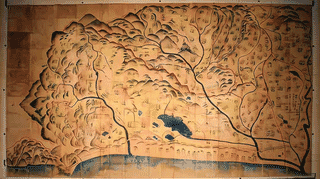
An Azuchi-Momoyama-period pictorial map held in Yamagata Prefecture. Its own commentary field there ...
At Uesugi Shrine in Yonezawa, this Momoyama robe pairs imported Italian or Spanish damask with Japan...
An Important Cultural Property in Sakata: the shortest surviving Tales of Ise, with 115 episodes on ...
At the Chido Museum in Tsuruoka, this Muromachi domaru is said to have been worn by Tokugawa retaine...
This Muromachi haramaki at Uesugi Shrine in Yonezawa fastens at the back and bears an Izuna Gongen h...
A rare colored map of Senami District in northern Echigo, drawn by 1597 from the Uesugi land surveys...
Other Heritage
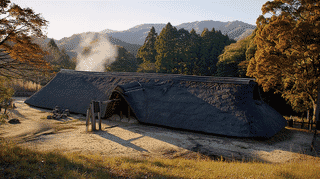
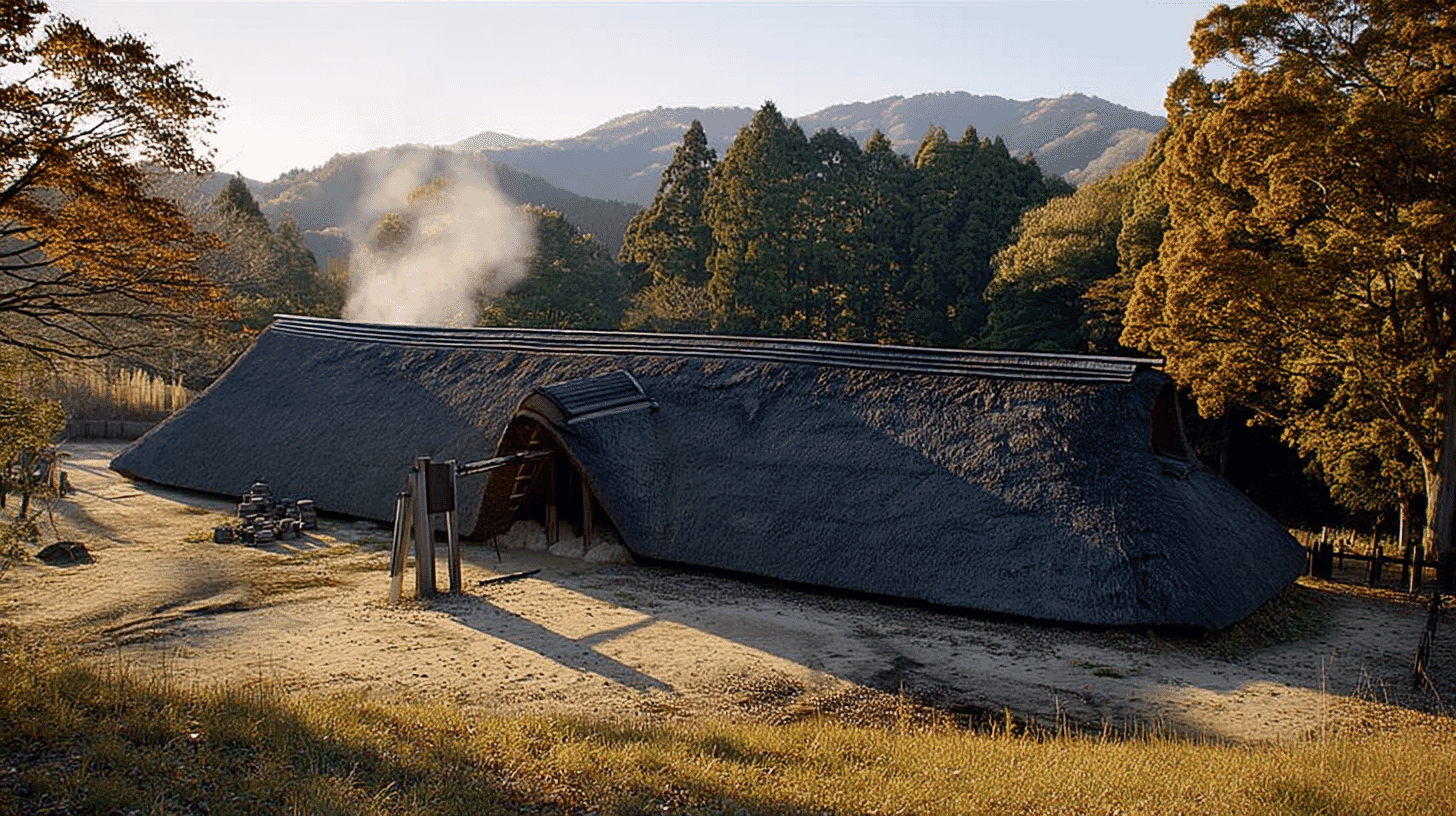
Discover the Ichinosaka Site in Yonezawa, Yamagata Prefecture—home to Japan's longest prehistoric lo...
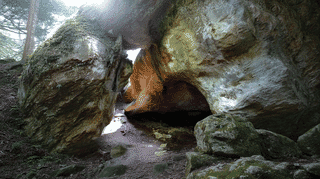
Discover Hibakoiwa Caves, a nationally designated historic site in Takahata, Yamagata Prefecture. Th...
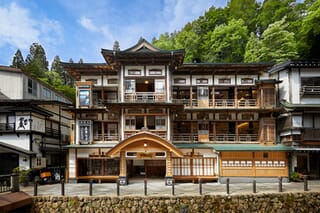
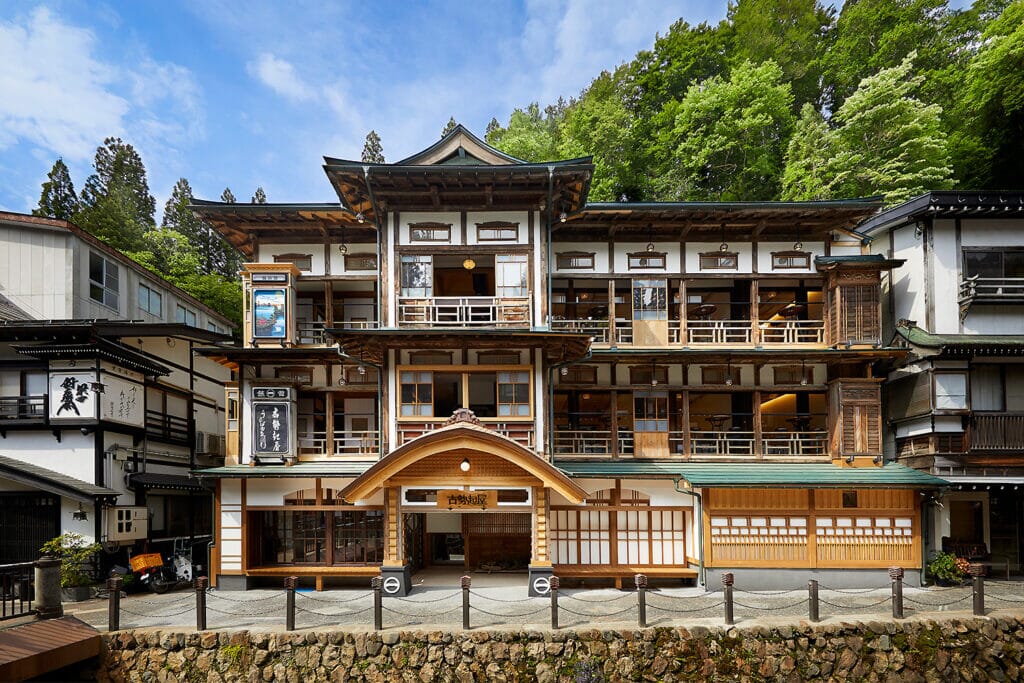
Discover Honkan Kosekikan, a registered tangible cultural property in Ginzan Onsen. Experience authe...
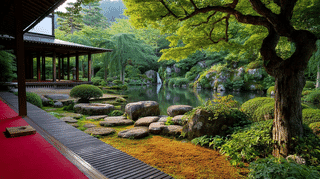
Discover Gyokusenji Temple Garden, a nationally designated Place of Scenic Beauty in Tsuruoka City, ...
After the 1913 flood, this 3.0-metre stone check dam on the Shobojigawa is one of the dams held to a...
After the 1913 flood, this 3.0-metre stone check dam on the Shobojigawa is the dam that opened the s...
About Yamagata
The "Uesugi Rakuchu Rakugai Folding Screen" at Yonezawa City Uesugi Museum is a national treasure depicting Muromachi period Kyoto, attributed to Kano Eitoku. Detailed depictions of contemporary Kyoto townscapes and common people's lives make this an extremely valuable historical document.
Yamadera (Risshaku-ji Temple), founded by Jigaku Daishi Ennin in Jogan 2 (860) as a Tendai Buddhism temple, is a famous spiritual site from Matsuo Basho's "Oku no Hosomichi." Known for the haiku "Shizukasa ya iwa ni shimiiru semi no koe" (such stillness - the cries of cicadas sink into the rocks), visitors can climb 1,015 stone steps to reach the mountaintop Okunoinn. The entire mountain serves as training grounds, with buildings on sheer cliffs creating spectacular scenery.
Dewa Sanzan (Gassan, Hagurosan, Yudonosan) have been revered as mountain worship sacred sites since ancient times. Hagurosan Five-story Pagoda, from Heian period architecture, is designated a national treasure as Tohoku region's oldest five-story pagoda. Its mystical beauty standing among cedar groves is captivating. Gassan, a 1,984-meter active volcano, features beautiful mountain forms retaining snow even in summer.
Zao Mountain Range, spanning Yamagata-Miyagi prefectural borders, is world-famous for winter juhyo (snow monsters). Zao Onsen, with 1,900 years of hot spring history, features strongly acidic sulfur springs. Spring through autumn offers alpine plants and autumn colors, with Zao Echo Line providing vehicle access to Okama (Five-Color Lake).
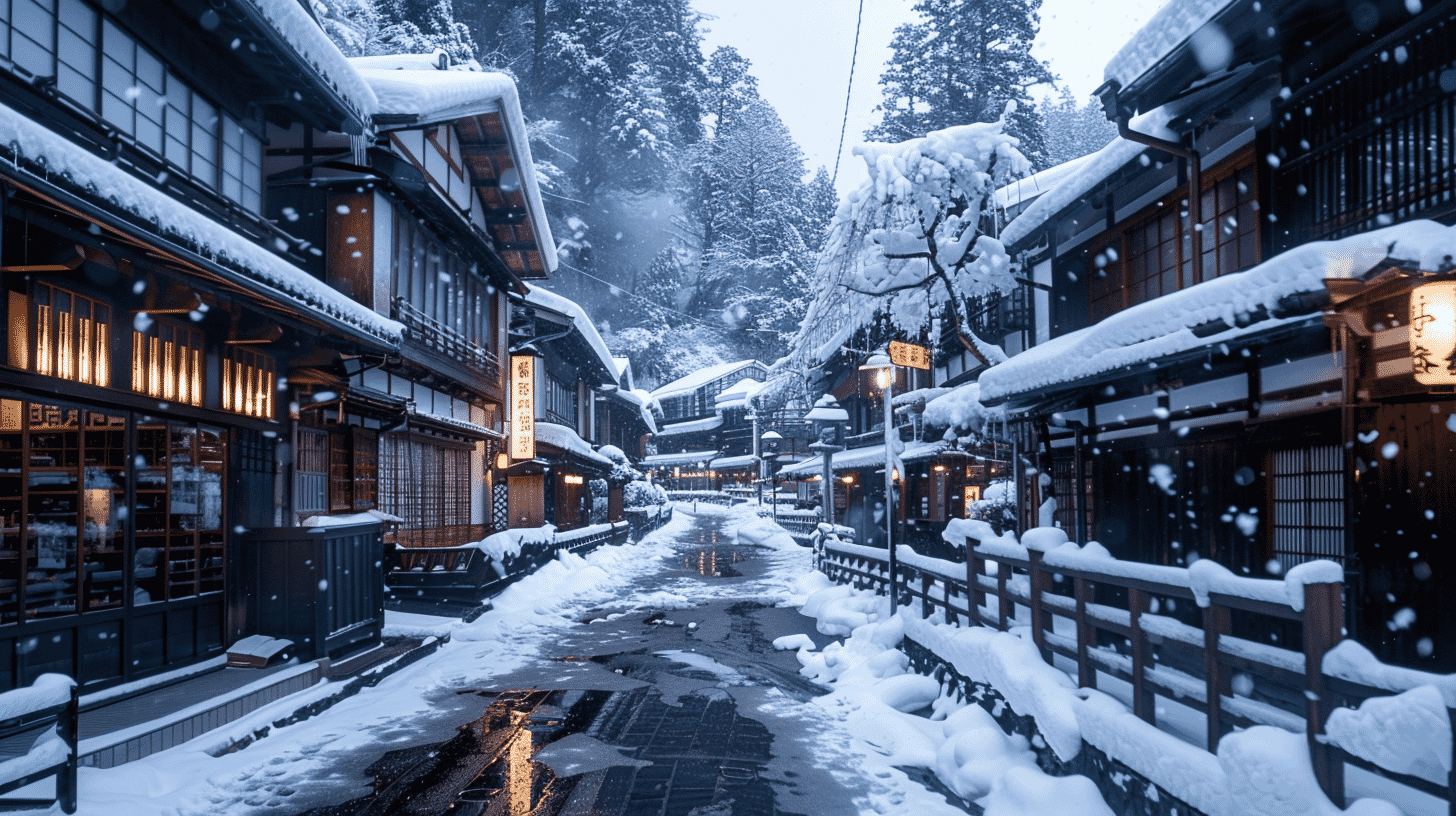
Ginzan Onsen, a hot spring town preserving Taisho period architecture, creates Taisho romanticism with gas lamp-lit evening streets. Famous as the setting for NHK serial drama "Oshin," it has become popular with international tourists.
Mogami River, a first-class river flowing through Yamagata Prefecture, is the famous river Matsuo Basho praised: "Samidare wo atsumete hayashi Mogamigawa" (gathering May rains, swift Mogami River). Mogami River boat rides offer valley beauty while listening to boatmen's songs. Autumn foliage season provides spectacular scenery.
Yamagata's food culture centers on cherries, famous nationwide, comprising about 70% of national production. Producing premium varieties like Sato Nishiki and Beni Shuho, it's known as "Cherry Kingdom Yamagata." Yonezawa beef, one of Japan's three great wagyu, has been raised since Uesugi Yozan's era. Imoni, autumn tradition, is regional cuisine simmering taro, beef, and leeks in soy sauce-based broth.
Hanagasa Festival, held in Yamagata City in August, features group dancing to "Hanagasa Ondo" music. The graceful, beautiful sight of dancing while holding safflower-decorated hats represents Yamagata's summer tradition.
Browse by Type
Designation categories represented in the prefecture, with counts.
Ennen Akutsu · Hagino and Nitayama Deer Dance · Kurokawa Noh
Aterazawa Tateyama Castle Ruins · Kubozakura in Isazawa · Ichinosaka Ruins
Townscape of Nagai in the Upper Reaches of the Mogami River · The Scenery of the Mogami River and the Town of Aterazawa
Kurokawa Noh · Large Torch Ceremony at the Matsuri Festival · Shinjo Festival Float Event
Shonai Bamboo Roll Manufacturing Techniques
Aramachi Community Center (formerly Oyama Branch of Tsuruoka · Ishinasaka Family Residence Storehouse · Main Building of the Ishinazaka Family Residence
Yamagata in Periods
Periods represented by designated properties in the prefecture.