

Matsumoto Castle, Zenko-ji, and mountain shrines reveal Nagano's depth. Map National Treasures and plan nature-rich itineraries.


National Treasures
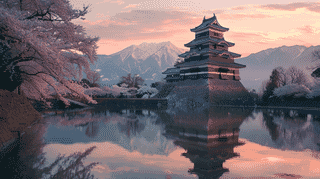
The keep of Matsumoto Castle in Nagano, built between 1594 and 1599, rises five tiers on gently slop...

Rebuilt in 1707 and made a National Treasure in 1953, Zenkoji Hondo runs fourteen bays deep against ...
The Daihoji Temple Three-Storey Pagoda in Aoki, Nagano, of 1333 and a National Treasure since 1953, ...
Nishina Shinmei Shrine in Omachi, Nagano, has a main hall and gate, a National Treasure since 1953, ...
Found nearly whole in 1986, this mica-flecked Jomon figure was Japan's first prehistoric National Tr...
A large Late Jomon clay figure from the Nakappara site in Chino, Nagano, named for its inverted-tria...
Important Cultural Properties
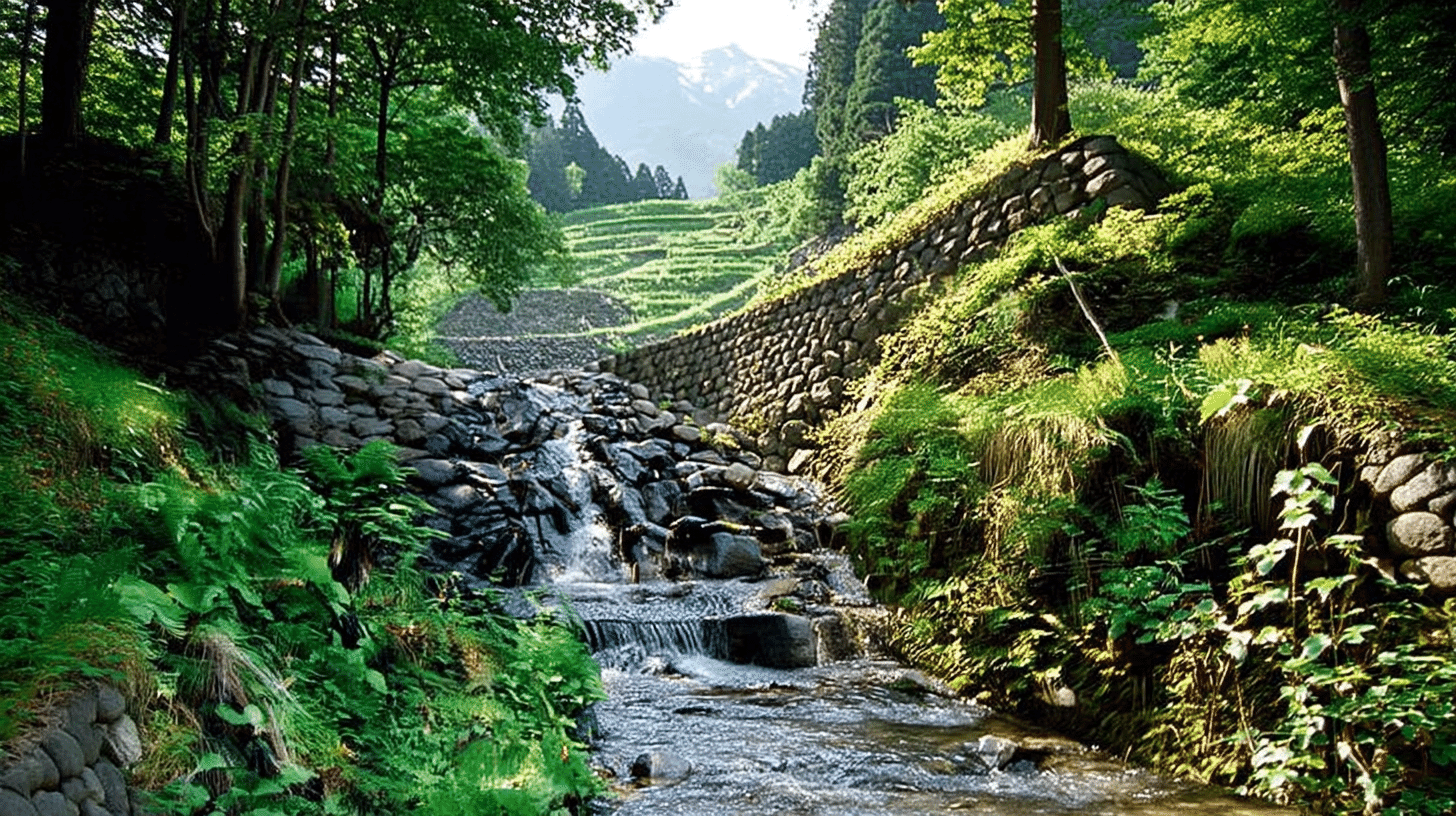
The stepped channel of the Ushibuse River in Matsumoto, Nagano, built in 1917 after Alpine torrent w...
Antonin Raymond built this 1933 Karuizawa villa with log framing and a butterfly roof. An Important ...
The Bentendo of Kozenji in Komagane, Nagano, a plain one-bay hall of 1576 in a scenic Tendai precinc...
The three-storey pagoda of Shinano Kokubunji in Ueda, Nagano, a mid-Muromachi tower mainly in the Ja...
The inner hall of Kosuge Shrine in Iiyama, Nagano, a Muromachi building on posts against a rock 840 ...
The Komatsu Family Residence in Kataoka, Shiojiri, Nagano, a thatched farmhouse of the early 18th ce...
Held privately in Nagano, this unsigned 70-centimeter katana is attributed to the Nanbokucho Hasebe ...
Held by the Sunritz Hattori Museum of Arts in Suwa City, Nagano Prefecture, this Important Cultural ...
Other Heritage
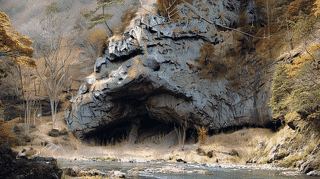
A cave site at Ueda, Nagano Prefecture, Japan. In the Kofun period its floor was paved with river st...
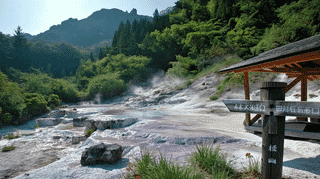
Silica deposits at a hot spring in Nagano Prefecture, Japan. Sinter is called not rare; the pale pur...
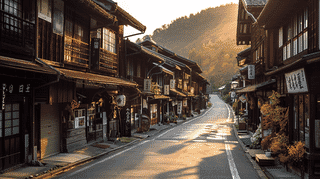
A lacquerware town in Shiojiri, Nagano Prefecture, Japan. One street sells and a parallel one makes,...
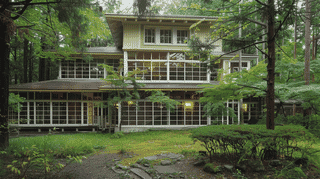
A Showa-period summer villa at Karuizawa, Nagano Prefecture, Japan. Its west face is glazed on both ...
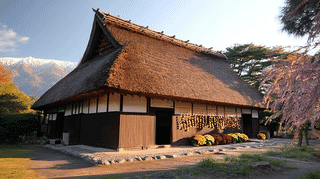
An Edo-period thatched main house in Azumino, Nagano Prefecture, Japan. Its own date over there is g...
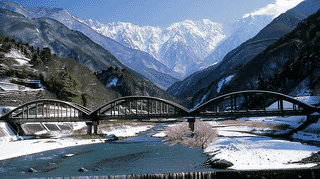
A Showa-period road bridge at Oshika, Nagano Prefecture, Japan. Its road runs beneath three concrete...
About Nagano
Matsumoto Castle, one of 12 existing castle keeps, has beautiful five-story, six-floor keep designated as national treasure. The keep built 1593-1594 represents late Sengoku period castle construction pinnacle, called "Crow Castle" for black lacquered wooden siding. Particularly beautiful against Northern Alps backdrop, it attracts numerous photography enthusiasts.
Zenkoji Temple, non-sectarian temple in Nagano City, has gathered nationwide faith through "Zenkoji pilgrimage" since ancient times. Founded in early 7th century, main hall is designated national treasure. Seven-year gokaicho ceremonies reveal maedachi honzon (standing Buddha) considered copy of hidden Zenkoji Nyorai, attracting numerous pilgrims nationwide.
Karuizawa, international resort developed as summer retreat, has been beloved by foreign missionaries and cultural figures since Meiji period. Old Karuizawa Ginza-dori features stylish cafes and boutiques, with numerous villas and retreats continuing today. Karuizawa Prince Shopping Plaza, popular large outlet mall, combines shopping with nature enjoyment.
Parts of Japan Alps (Northern, Central, Southern Alps) within Nagano Prefecture are beloved as mountaineering and skiing mecca. Kamikochi, representative Central Japan Alpine National Park scenic spot, offers clear Azusa River flows and spectacular Hotaka mountain range views. Views from Kappa Bridge are particularly famous, serving as starting points for numerous tourists and climbers.
Shiga Kogen, Hakuba, Nozawa Onsen, and Sugadaira Kogen represent world-famous ski resorts, also used as 1998 Nagano Winter Olympics venues. Particularly Hakuba developed as international ski resort, attracting numerous foreign tourists.
Shinshu soba represents Nagano Prefecture's signature food culture, with cool climate and pure water producing quality buckwheat. Famous production areas including Togakushi soba and Sarashina soba each possess distinctive flavors. Additionally, oyaki, local cuisine wrapping vegetables in wheat flour skin and grilling, varies in ingredients and cooking methods by region.
Apple production ranks second nationally after Aomori Prefecture, particularly known for Shinshu apple quality. Many varieties including Fuji, Tsugaru, Shinano Sweet, and Shinano Gold are cultivated, with sweetness and texture highly valued nationwide.
Shinshu miso represents Nagano Prefecture's signature specialty, comprising about 40% national miso production. Characterized by high koji ratios and long aging periods, it offers deep richness and umami. Shinshu's cold climate suits miso aging, with many traditional miso breweries maintaining conventional methods.
Browse by Type
Designation categories represented in the prefecture, with counts.
Azumidaira Boat Festival · Atobe's Dancing Prayer · Performing Arts of the Amemiya Ritual
Aku Ruins · Mt. Azumaya's Target Rock · Iida Kofun Group
Kiso Hirasawa, Shiojiri City · Narai, Shiojiri City · Mount Inari, Chikuma City
Obasute Rice Terraces · Cultural Landscape of Kosuge Village and Mt. Kosuge
Atobe's Dancing Prayer · Amemiya's Shinto Rituals · Oshika Kabuki
Imai Family Garden · Oki Family Garden · Former Yamadera Tsuneyama Family Garden
Aizawa Shoten Store · Akazawa Family Residence Front Gate · Akiyama Family Residence Main Building
Fishing Equipment and Boatbuilding Tools for Lake Suwa · Suwa Geta Skate Collection
Nagano in Periods
Periods represented by designated properties in the prefecture.