
Important cultural property
重 要 文 化 財 一 覧Explore Japan’s Important Cultural Properties in one searchable list. Filter by prefecture, period, and category, read concise stories, and plan visits with maps and travel tips.
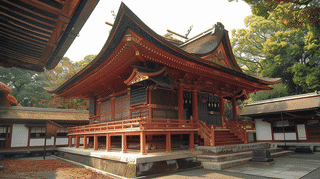
Discover Tsushima Shrine's Important Cultural Properties - the 1605 Main Hall donated by Tokugawa family and the 1591 Tower Gate gifted by Toyotomi Hideyoshi. Experience authentic Japanese architecture and the spectacular Tenno Festival.
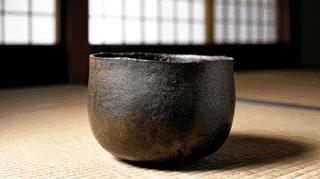
Discover the Important Cultural Property "Shigure" (Passing Autumn Rain), a black raku tea bowl handcrafted by legendary artist Hon'ami Koetsu in the 17th century. Learn about its unique glazing technique, poetic origins, and rich provenance from the Mitsui family collection.
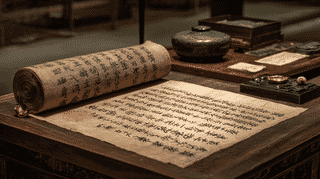
Discover the Shoku Nihongi Kanazawa Bunko manuscript, Japan's oldest surviving copy of the imperial chronicle. This Important Cultural Property offers a window into Nara period history at Housa Bunko in Nagoya.
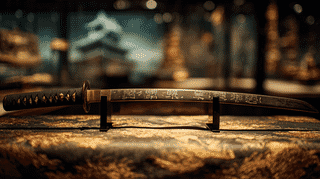
Discover the Important Cultural Property "Tantō mei Kunihiro saku" – a 14th-century short sword crafted by master swordsmith Kunihiro of the Sa Monji school, dedicated by the Matsudaira lords and preserved at Shinonome Shrine in Matsuyama, Ehime Prefecture.
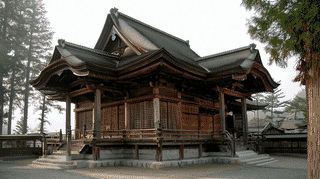
Explore the magnificent Soja Honden, Japan's only Important Cultural Property among soja shrines. This Momoyama-period masterpiece in Tsuyama features the rare Nakayama-zukuri architectural style and exquisite carvings. Discover the shrine enshrining 912 deities from ancient Mimasaka Province.
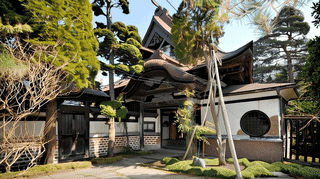
Explore the Former Takahashi Family Residence in Oshu, Iwate—a nationally designated Important Cultural Property showcasing exquisite Meiji-era architecture. Discover the opulent Dragon Room, Chinese-inspired interiors, and 7 historic buildings that reveal the lifestyle of Japan's elite during the modernization era.
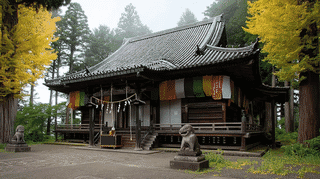
Discover Mutsu Kokubunji Yakushido, a nationally designated Important Cultural Property in Sendai. Built by Date Masamune in 1607, this Momoyama-era temple blends austere exteriors with dazzling interiors. Walk in the footsteps of Matsuo Basho on the Narrow Road to the Deep North.
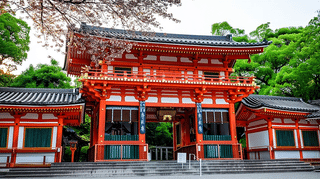
Discover Yasaka Shrine in Kyoto, home to a National Treasure main hall and 29 Important Cultural Properties. Explore the unique Gion-zukuri architecture, sacred dragon legend, and the birthplace of Japan's iconic Gion Festival.
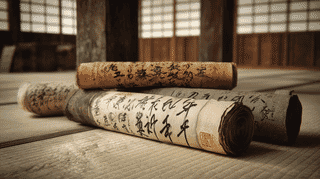
Discover Sanmyakuin-ki, a newly designated Important Cultural Property preserving the handwritten diary of Konoe Nobutada, one of the "Three Great Brushes of the Kan'ei Era." Explore this rare glimpse into Momoyama-Edo court life at Yomei Bunko in Kyoto.
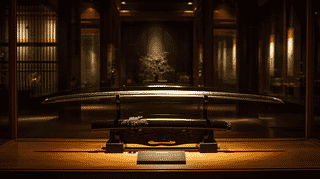
Discover the Important Cultural Property tachi sword crafted by Moromitsu in 1402, one of the "Three Masters" of Oei Bizen. Explore the history, artistry, and cultural significance of this exceptional blade housed at Kyoto's Kitano Tenmangu Shrine.
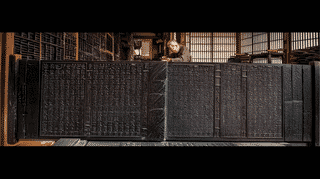
Discover the Tetsugen-ban Issaikyo Hangi, 60,000 woodblocks that gave birth to Japan's Mincho typeface and manuscript paper format. A hidden cultural treasure in Uji, Kyoto where 340-year-old blocks still print Buddhist scriptures today.

Discover the Yasaka Shrine Documents, a collection of 2,205 Important Cultural Property manuscripts spanning the Heian to Edo periods. These ancient scrolls preserve the history of the Gion Festival, medieval Kyoto commerce, and over 900 years of shrine tradition.
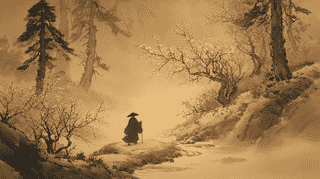
Discover the Illustrated Biography of Poet-Monk Saigyo (Shihon Chakushoku Saigyo Hoshi Gyojo Ekotoba), a designated Important Cultural Property painted by Rinpa master Tawaraya Sotatsu in 1630. Learn about this exquisite emakimono depicting the wandering poet's legendary journey through Japan.
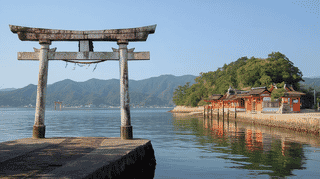
Discover Narunashi Shrine (Otonashi Jinja) in Susaki, Kochi Prefecture – a stunning Important Cultural Property known as the "Miyajima of Tosa." With its torii gate facing the sea, Edo-period architecture, and matchmaking blessings, this hidden gem offers a unique spiritual experience on Shikoku Island.
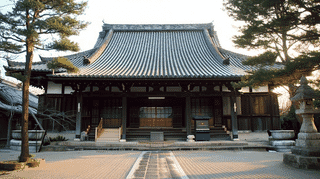
Discover Raikoji Temple's magnificent Main Hall in Matsusaka, Mie Prefecture—a nationally designated Important Cultural Property showcasing exceptional Edo-period Buddhist architecture funded by the legendary Mitsui merchant family.
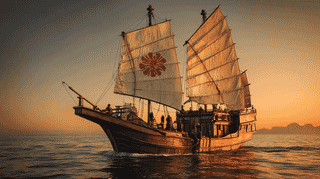
Discover the Kadoya Family Trade-Related Documents, Important Cultural Properties of Japan preserved at Jingu Chokokan Museum in Ise. This remarkable collection of 11 artifacts—including a rare parchment navigation chart, vermilion seal flags, and historic documents—reveals the fascinating story of Japanese maritime merchants who sailed to Vietnam in the early 17th century. Learn about Kadoya Shichirōbei, who chose exile over abandoning his Vietnamese family during Japan's sakoku isolation.
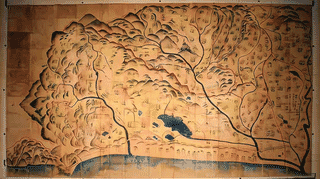
Discover the Echigo Kubiki District Map (1597), a rare Important Cultural Property at Yonezawa's Uesugi Museum. This stunning hand-painted cartographic treasure from the Uesugi clan reveals Japan's Sengoku era landscape.
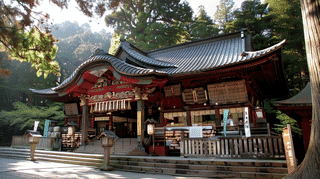
Discover Kitaguchi Hongu Fuji Sengen Shrine, a 1,900-year-old UNESCO World Heritage site at the foot of Mount Fuji. Explore 11 Important Cultural Properties including the stunning worship hall, sacred cedar trees over 1,000 years old, and experience the Yoshida Fire Festival—one of Japan's Three Great Unique Festivals.
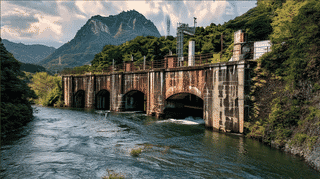
Discover Yatsuzawa Power Plant Facilities in Yamanashi Prefecture - Japan's largest Important Cultural Property spanning 14km. Explore Meiji-era hydroelectric engineering marvels including aqueducts, tunnels, and reservoirs still operating after 110+ years.
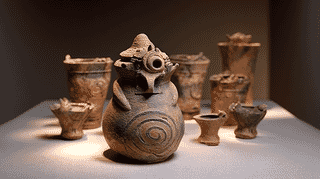
Discover the National Important Cultural Property artifacts from Yamanashi's Imojiya Site, including the iconic "Goddess of Fertility LAVIE" dogu and dancing figurine pottery that have toured world-famous museums from London to Rome. Free admission at Furusato Bunka Denshokan Museum.