
Important cultural property
重 要 文 化 財 一 覧Explore Japan’s Important Cultural Properties in one searchable list. Filter by prefecture, period, and category, read concise stories, and plan visits with maps and travel tips.
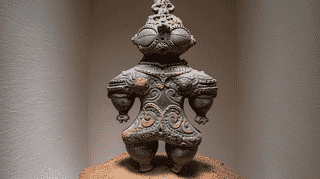
Explore the mystical Shakōki-dogū (goggle-eyed clay figurine) from Miyagi's Ebisuda Site—an Important Cultural Property at Tokyo National Museum showcasing Jomon artistry and spiritual beliefs from 3,000 years ago.
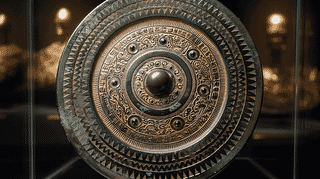
Discover the Ryukin Jutaikyo, an Important Cultural Property of Japan. This gilt bronze mirror featuring the Four Divine Beasts was excavated from a Kofun period tomb and is now preserved at Tokyo's Gotoh Museum.
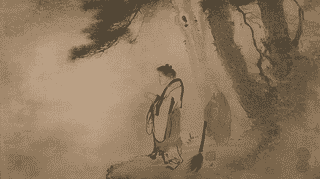
Discover the enigmatic Ink Painting of Hanshan and Shide attributed to Kaō, a 14th-century masterwork representing the dawn of Japanese ink painting. Learn about the legendary Zen eccentrics, their spiritual symbolism, and how to experience this registered art treasure at Tokyo National Museum.
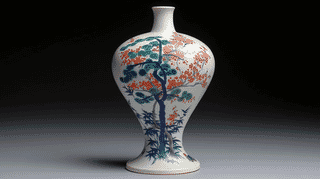
Discover the extraordinary Iro-Nabeshima Pine, Bamboo and Plum Design Sake Bottles (色鍋島松竹梅文瓶子), an Important Cultural Property at Kyushu National Museum. Only two of these ceremonial sake vessels exist worldwide, representing the pinnacle of Nabeshima porcelain craftsmanship from the Edo period. Learn about their history, artistic significance, and how to visit.
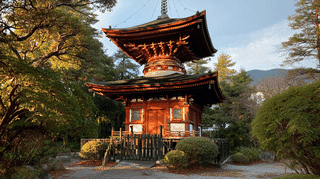
Discover Kumedera Tahoto, an Important Cultural Property relocated from Kyoto's Ninnaji Temple. This elegant Edo-period two-story pagoda near Kashihara Jingu showcases exquisite Zen-style architecture and legendary connections to the flying hermit Kume Sennin.
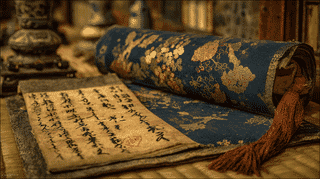
Explore Gekimōshō, a 14th-century Important Cultural Property manuscript on Japanese linked-verse poetry (renga), housed at Tenri Central Library in Nara. Learn about its historical significance, the master poet Nijō Yoshimoto, and how to visit this treasure of Japanese literary heritage.
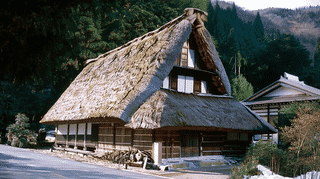
Explore Hamba Family Residence, an Important Cultural Property preserving the earliest form of gasshō-zukuri architecture near the UNESCO World Heritage Gokayama region. Discover its 300+ year history, unique architectural features, and authentic rural Japan experience.
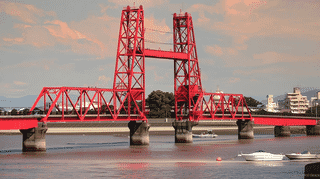
Discover the Chikugo River Lift Bridge in Kyushu—Japan's oldest vertical lift bridge. Designated as an Important Cultural Property, this 1935 engineering masterpiece spans Fukuoka and Saga prefectures and offers stunning sunset views.
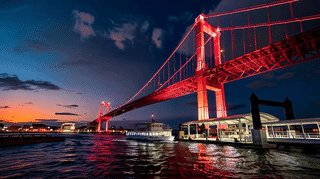
Discover Wakato Bridge, a National Important Cultural Property in Kitakyushu, Fukuoka. Once Asia's longest suspension bridge, this stunning crimson landmark offers breathtaking illuminated night views, retro waterfront districts, and unforgettable industrial night cruises.
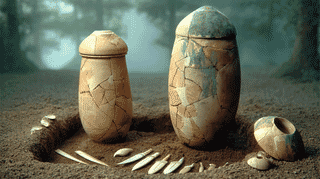
Explore the nationally designated Important Cultural Properties from the Kuma-Nishioda archaeological site in Chikushino, Fukuoka. Discover rare bronze halberds, Han Dynasty mirrors, and shell bracelets that reveal ancient Japan's connections to continental Asia over 2,000 years ago.
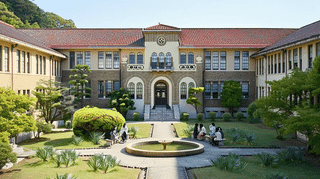
Discover Kobe College's stunning Okadayama Campus, featuring 12 Spanish Mission-style buildings designed by William Merrell Vories in 1933. This rare architectural masterpiece—the only complete Vories campus designated as Japan's Important Cultural Property—survived WWII and the Great Hanshin Earthquake. Learn about visiting opportunities, architectural highlights, and nearby attractions.
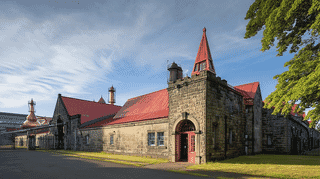
Explore the historic Nikka Whisky Yoichi Distillery, featuring 10 Important Cultural Properties from the 1930s. Discover traditional coal-fired distillation, Scottish-style architecture, and the legacy of Masataka Taketsuru, the father of Japanese whisky.
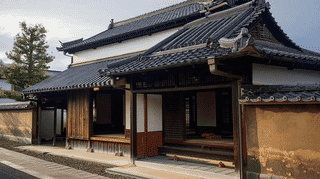
Discover the Kyu Nate Honjin Imose Family Residence in Wakayama, a designated Important Cultural Property that served as a feudal lord's rest stop and was the birthplace of the wife of pioneering surgeon Hanaoka Seishu.

A late-Heian tale of the Fujiwara regents and Michinaga's glory. The six-volume Tosho-bon in Aichi is an early copy, an Important Cultural Property since 1953.
Preserved in Aichi Prefecture and designated an Important Cultural Property in 1957, this unsigned katana is attributed to the Yoshioka Ichimonji school of Bizen Province, active from the mid to late Kamakura period. Although shortened (o-suriage), the blade retains a vivid midare-utsuri and a richly varied hamon of choji clove-blossoms mixed with gunome and tobiyaki—hallmarks of this celebrated school. With its excellent workmanship and remarkably healthy condition, it offers a rare window into the Bizen tradition, the apex of Japan's five great sword-making schools (Gokaden).
A grandly proportioned katana attributed to the Kamakura-to-Nanbokucho master Sadamune, this Important Cultural Property descended through the Owari Tokugawa family and is now displayed at the Nagoya Sword Museum (Touken World) in Aichi.
Shortened long ago and unsigned, this Kamakura blade in Nagoya is attributed to the Kyoto smith Kunitoshi by its temper and point, and is unusually well preserved.
An unsigned Kamakura katana attributed to Moritoshi of Bitchu's Old Aoe school, an Important Cultural Property since 1950, and where to see Aoe blades in Nagoya.
Discover the Sword (Unsigned, Rai Kunimitsu), an Important Cultural Property held privately in Aichi and once part of the Tokugawa shogunal collection. Forged in late Kamakura-period Kyoto by the master Rai Kunimitsu, this 69.6 cm blade exemplifies the refined Yamashiro tradition. Explore its history, artistry, 1960 designation, and where to see Kunimitsu's other works in Nagoya.
Discover the Three-Eared Jar with Chrysanthemum Design (Tamba ware), an Important Cultural Property of Japan housed at the Aichi Prefectural Ceramic Museum. Crafted in the early 13th century at one of Japan's Six Ancient Kilns, this exquisite jar features bold chrysanthemum incisions and a pristine form. Learn about its history, artistic significance, and visitor information.