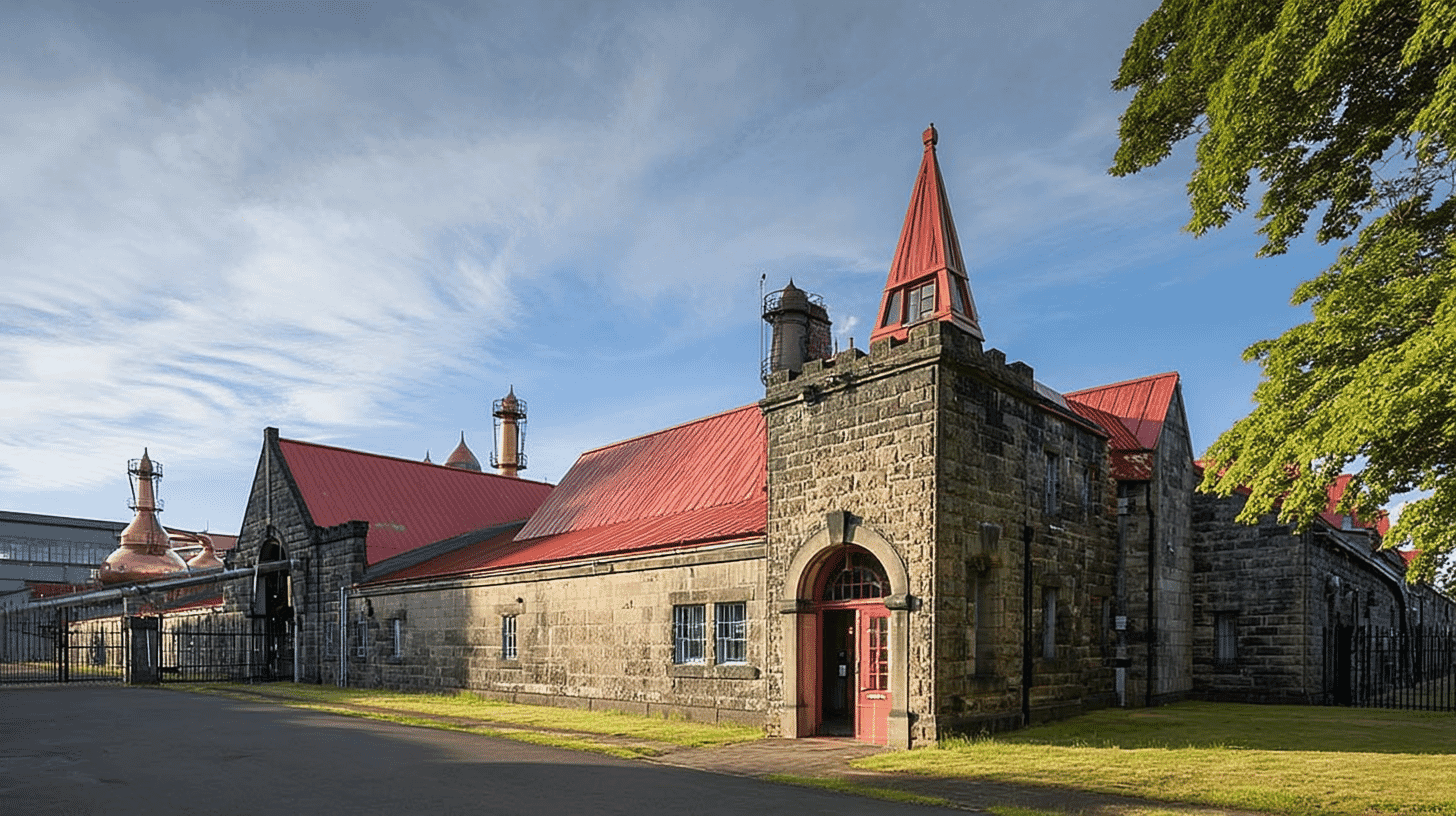
Nikka Whisky Yoichi Distillery Facilities: A Living Testament to Japan's Whisky Heritage
Nestled in the coastal town of Yoichi in Hokkaido, the Nikka Whisky Yoichi Distillery stands as a remarkable monument to Japan's whisky-making heritage. Designated as Important Cultural Properties in 2022, the ten historic buildings from the 1930s represent not just architectural significance, but the realization of one man's dream to create authentic whisky in Japan. This is where Masataka Taketsuru, known as the father of Japanese whisky, brought Scottish distilling traditions to Japanese soil and created a legacy that continues to this day.
The Story Behind the Distillery: A Dream Born in Scotland
In 1918, Masataka Taketsuru traveled to Scotland to study whisky-making techniques firsthand. Born into a sake-brewing family in Hiroshima Prefecture, his passion for whisky drove him across the world to master the craft. During his years in Scotland, he not only learned the art of distillation but also met and married Rita Cowan, who would become his lifelong partner in both life and business.
After working at Japan's first whisky distillery near Kyoto for over a decade, Taketsuru set out to establish his own distillery in 1934. He chose Yoichi for its remarkable similarity to Scotland: cold, humid climate perfect for whisky maturation, pure water from nearby mountains, abundant peat for smoking malt, and clean air. The location proved ideal, and Nikka Whisky was born.
From the very beginning, Taketsuru designed the distillery to reflect both functionality and aesthetic harmony. The buildings were constructed with Hokkaido's distinctive soft stone, topped with red pointed roofs reminiscent of Scottish kilns. The complex was conceived as a unified architectural ensemble, with each building playing its role in the whisky-making process while contributing to the overall medieval European castle aesthetic that defines the site today.
Why Ten Buildings Became Important Cultural Properties
In 2022, ten buildings at the Yoichi Distillery received designation as Important Cultural Properties, recognizing their exceptional value to Japan's industrial and cultural heritage. This designation followed their earlier registration as Registered Tangible Cultural Properties in 2005 and as part of Hokkaido Heritage in 2004.
The cultural significance lies in multiple dimensions. First, these structures represent Japan's earliest complete whisky production facility, with buildings dating from the 1930s that preserve the entire manufacturing process from raw material processing to aging. The complex demonstrates how Western industrial techniques were adapted to Japanese conditions while maintaining authentic Scottish methods.
Architecturally, the buildings showcase a unique fusion of European industrial design with Japanese construction materials and techniques. The use of Hokkaido's soft volcanic stone, the distinctive red conical roofs of the drying towers, and the medieval-inspired gate entrance create an aesthetically cohesive ensemble rarely seen in industrial heritage sites.
Most importantly, the distillery continues to operate using traditional methods, particularly the coal-fired direct heating system for distillation, making it a living cultural property where heritage and active production coexist. This continuation of traditional craftsmanship makes the Yoichi Distillery globally unique, as it remains one of the few distilleries worldwide still using coal-fired pot stills.
The Ten Important Cultural Property Buildings
Each of the ten designated buildings tells part of the whisky-making story:
First Drying Tower (Kiln Tower): The most iconic structure with its red pointed roof, this tower was used for drying malted barley using peat smoke, giving Yoichi whisky its characteristic smoky flavor.
Second Drying Tower: Built to expand production capacity, this tower mirrors the architectural style of the first while serving the same crucial malting function.
Distillation Building: Houses the copper pot stills where the magic happens. These pot stills, heated by coal fires, produce the distinctive character of Yoichi single malt through double distillation.
First Warehouse and Second Warehouse: Built with thick stone walls and earthen floors, these warehouses provide ideal conditions for aging whisky, maintaining stable temperature and humidity year-round.
Storage Building: Additional aging facility contributing to the distillery's production capacity.
Office Building: Features a distinctive gate entrance designed to evoke medieval European castles, setting the architectural tone for the entire complex.
Former Office Building: An earlier administrative structure preserving the evolution of the distillery's operations.
Research Laboratory and Residence: Originally built in 1931 as the distillery's first building, it served as both research facility and temporary living quarters, known as Rita House after Taketsuru's wife who worked here on administrative tasks.
Liqueur Factory: Demonstrates the distillery's diversification beyond whisky production, showing the complete range of spirit manufacturing capabilities.
The Art of Coal-Fired Distillation: A Tradition Preserved
What makes the Yoichi Distillery truly exceptional is its continued use of coal-fired direct heating for distillation, a method that has virtually disappeared elsewhere in the world. This traditional technique, which Taketsuru learned in Scotland, involves heating the copper pot stills directly with coal fires rather than using steam.
The coal-fired method creates a more intense heat that causes subtle scorching at the bottom of the still, adding complexity and a distinctive character to the spirit. Skilled craftsmen must constantly monitor and adjust the coal fires to maintain optimal temperatures. This hands-on approach requires expertise passed down through generations of distillery workers.
When you visit the Distillation Building during production times, you might witness workers feeding coal into the furnaces beneath the gleaming copper stills. Each still is decorated with a sacred shimenawa rope, reflecting Japanese spiritual traditions applied to the whisky-making process. The combination of Scotland-inspired equipment, traditional coal-firing techniques, and Japanese cultural elements creates a unique production environment found nowhere else.
The Taketsuru Residence: A Cross-Cultural Love Story
Among the most touching attractions at the distillery is the former Taketsuru residence, a beautiful fusion of Western and Japanese architectural styles. Built in 1935 for Masataka and Rita, the house originally stood in the Yoichi suburbs before being relocated to the distillery grounds in 2002.
The exterior features a distinctive green roof and stone entrance, a Scottish architectural element that Taketsuru added when Rita felt homesick for her homeland. The interior reveals a harmonious blend of cultures: Western-style spaces for entertaining alongside traditional Japanese rooms with tatami and shoji screens. This architectural fusion perfectly symbolizes the marriage that made Japanese whisky possible.
Visitors can explore the entrance hall and gardens, gaining insight into the personal lives of the couple whose partnership transcended cultural boundaries. Rita not only supported her husband's dream but actively participated in the business, handling administrative tasks and serving as a bridge between Scottish tradition and Japanese innovation.
Experiencing the Distillery: What Visitors Can Enjoy
The Yoichi Distillery offers multiple ways to engage with its heritage and continuing production. Free guided tours, conducted in Japanese with English audio guides available, take visitors through the complete whisky-making process. The approximately 50-minute distillery tour explains everything from malting and mashing to fermentation, distillation, and aging.
The tour route winds through the historic buildings, allowing you to see the original equipment still in use. You'll smell the rich aromas of fermenting mash, witness the gleaming copper stills in action, and step into the cool, whisky-scented atmosphere of the aging warehouses where thousands of barrels quietly mature.
The Nikka Museum, located on the grounds, presents a comprehensive history of the company and Taketsuru's life through photographs, documents, and artifacts. Exhibits include household items belonging to Masataka and Rita, personal letters, and the tools of whisky-making through the decades. The museum helps visitors understand not just how whisky is made, but why this particular place became the birthplace of an industry.
Following the tour, visitors age 20 and older can enjoy complimentary tastings of several Nikka whiskies. The tasting room offers two varieties free of charge, with premium options available for purchase. Even non-drinkers and designated drivers can participate in the tour and enjoy soft drinks at the tasting counter. The distillery also features a gift shop offering exclusive Yoichi-only bottlings, whisky chocolates, and other souvenirs.
Beyond Whisky: The Natural and Cultural Landscape of Yoichi
Yoichi's appeal extends far beyond the distillery. This coastal town, blessed with a temperate climate unusual for Hokkaido, has developed as both a fishing port and agricultural center. The same clean water and fertile soil that made it ideal for whisky production also support thriving fruit cultivation, earning Yoichi recognition as a premier fruit-growing region.
Visitors can explore the Yoichi Wine Brewery, where local grapes are transformed into Japanese wines that reflect the terroir of Hokkaido. The winery offers tastings and a restaurant where you can pair local wines with regional cuisine.
For history enthusiasts, the Former Fukuhara Fishery provides fascinating insight into Yoichi's herring fishing heritage. This well-preserved complex of buildings shows how fishing families lived and worked during the peak of the herring industry, which brought prosperity to the region before whisky took center stage.
Nature lovers should not miss the dramatic coastal scenery along Route 229. Rosoku Rock, a 46-meter-high sea stack standing vertically offshore, serves as a natural symbol of Yoichi. During certain times of year, the setting sun aligns perfectly with the rock's peak, creating the illusion of a lit candle. Nearby Ebisu Rock and Daikoku Rock, known as the "married couple rocks," offer another distinctive geological formation.
The Fugoppc Cave, designated as a national historic site, preserves over 200 rock carvings created approximately 1,500 years ago. These mysterious petroglyphs depicting humans, fish, and animals represent one of the few such cave sites in the world, offering a window into prehistoric life in Hokkaido.
Seasonal Charms and the Best Times to Visit
Each season brings its own character to the distillery and surrounding Yoichi area. Spring awakens the landscape with cherry blossoms and the first fruit tree flowers, creating a beautiful contrast with the historic stone buildings. The distillery grounds, with their carefully maintained lawns and gardens, become particularly photogenic during this season.
Summer offers the best weather for exploring the coastal attractions and enjoying Yoichi's famous seafood. The town's fishing heritage continues with fresh catches of sea urchin, considered among Hokkaido's finest. Local restaurants serve exceptional seafood bowls showcasing the day's harvest.
Autumn transforms Yoichi into a fruit lover's paradise as apples, grapes, pears, and other fruits reach peak ripeness. Many orchards offer pick-your-own experiences. This is also when the surrounding mountains display spectacular fall colors, providing a stunning backdrop to the red-roofed distillery buildings.
Winter, while cold, offers its own magic. The distillery buildings dusted with snow evoke their Scottish inspiration even more strongly. The coal fires burning in the distillation building provide welcome warmth, and the whisky seems to taste even better in the crisp winter air.
Practical Visitor Information and Access
The distillery's convenient location makes it easily accessible from major Hokkaido cities. From Sapporo, take the JR Hakodate Line via Otaru to Yoichi Station, a journey of approximately 75 minutes covered by the Japan Rail Pass. The distillery is just a three-minute walk from the station, with clear signage directing visitors.
Alternatively, buses run from Otaru to Yoichi, taking about 60 minutes. For those driving, the Hokkaido Expressway now provides direct access, reducing travel time from Sapporo to about one hour. However, remember that drivers cannot participate in whisky tasting.
The distillery is open year-round except during the New Year holiday period from December 25 to January 7. Free guided tours run from 9:15 AM to 4:15 PM, with the last tour departing at 2:45 PM. While free tours welcome walk-ins, advance reservations through the official website are strongly recommended, especially during peak tourism seasons and weekends.
For serious whisky enthusiasts, premium paid tours offer deeper dives into specific aspects of production. The Key Malt Tasting Seminar provides focused instruction on appreciating Yoichi's characteristics, while the Platinum VIP Tour offers access to areas not included in standard tours.
The Nikka Museum and gift shop are freely accessible without tour participation, making them perfect for quick visits or as a complement to nearby Yoichi attractions. The on-site restaurant serves meals featuring whisky-infused dishes, providing another way to experience the distillery's products.
Q&A
- Can I visit the distillery without advance reservation?
- Yes, the museum, gift shop, and grounds are freely accessible without reservation. However, to participate in the guided distillery tour with free whisky tasting, advance reservation is strongly recommended through the official website, especially during peak seasons. Walk-in tours may be available depending on capacity, but booking ahead ensures your spot.
- Are English-language tours available?
- Guided tours are conducted in Japanese, but English audio guides are available for download to your smartphone or tablet. Information displays throughout the tour route also include English text. The Nikka Museum features bilingual exhibits, making the experience accessible for international visitors.
- What makes Yoichi whisky different from other Japanese whiskies?
- Yoichi's distinctive character comes primarily from coal-fired direct heating distillation, a traditional method rarely used elsewhere. This creates a robust, peaty, and slightly smoky flavor profile. The cold Hokkaido climate, similar to Scotland, also contributes to slower maturation that develops complex flavors. Yoichi single malts are known for their powerful, masculine character compared to lighter, more delicate Japanese whiskies from other regions.
- How much time should I plan for a visit?
- Plan approximately 2-3 hours for a complete experience. The guided tour takes about 50 minutes, followed by 20 minutes of tasting. Allow additional time to explore the Nikka Museum, browse the gift shop, and walk the historic grounds. If you're visiting surrounding Yoichi attractions like wineries or coastal sites, consider allocating a full day to the area.
- Can children and non-drinkers enjoy the distillery?
- Absolutely. Children and non-drinkers can participate in the distillery tour to learn about whisky production and history. At the tasting counter, soft drinks and juices are available for those not consuming alcohol. The museum, historic buildings, and beautiful grounds offer interest beyond just whisky tasting. Families often enjoy combining the distillery visit with other Yoichi attractions like the Space Museum or fruit picking.
Basic Information
| Official Name | Nikka Whisky Hokkaido Factory Yoichi Distillery Facilities |
|---|---|
| Cultural Property Designation | Important Cultural Properties (10 buildings, designated 2022) |
| Founded | 1934 |
| Founder | Masataka Taketsuru (1894-1979) |
| Location | 7-6 Kurokawa-cho, Yoichi-cho, Yoichi-gun, Hokkaido 046-0003 |
| Access | 3-minute walk from JR Yoichi Station; 75 minutes from Sapporo via JR Hakodate Line |
| Operating Hours | 9:15 AM - 4:15 PM (Last tour departure at 2:45 PM) |
| Closed | December 25 - January 7 |
| Admission | Free for standard distillery tour and tasting; Paid premium tours available |
| Tour Duration | Approximately 70 minutes (50 minutes tour + 20 minutes tasting) |
| Parking | Free parking available |
| Phone | 0135-23-3131 |
| Official Website | https://www.nikka.com/eng/distilleries/yoichi/ |
| Other Designations | Hokkaido Heritage (2004), Heritage of Industrial Modernization (2007) |
References
- Cultural Heritage Online - Nikka Whisky Yoichi Distillery Facilities
- https://bunka.nii.ac.jp/heritages/detail/557185
- HOKKAIDO LOVE! - Nikka Whisky Yoichi Distillery
- https://www.visit-hokkaido.jp/spot/detail_10170.html
- Japan Travel - Nikka Whisky Yoichi Distillery
- https://www.japan.travel/en/spot/1928/
- Nikka Whisky Official - Yoichi Distillery
- https://www.nikka.com/eng/distilleries/yoichi/
- Japan Guide - Yoichi Distillery
- https://www.japan-guide.com/e/e6707.html
- Wikipedia - Yoichi Distillery
- https://en.wikipedia.org/wiki/Yoichi_distillery
Nearby heritages
- Former Shimoyoichi Unjoya
- Yoichi Town, Yoichi District
- Former Shimoyoichi Unjoya
- 10 Irifunecho, Yoichi-cho, Yoichi-gun, Hokkaido
- Former Yoichi Fukuhara Fishing Grounds
- Yoichi Town, Yoichi District
- Oyachi Shell Mound
- Yoichi Town, Yoichi District
- Fugoppe Cave
- Yoichi Town, Yoichi District
- Oshoro Stone Circle
- Oshiro 2-chome, Otaru City
- JR Otaru Station Platform
- 2-22-15 Inaho, Otaru City, Hokkaido
- JR Otaru Station Bookstore
- 2-22-15 Inaho, Otaru City, Hokkaido
- Former Nippon Yusen Kaisha Otaru Branch
- 7-8 Ironai 3-chome, Otaru, Hokkaido
- Former Mitsui Bank Otaru Branch
- 1-97 Ironai, Otaru, Hokkaido