
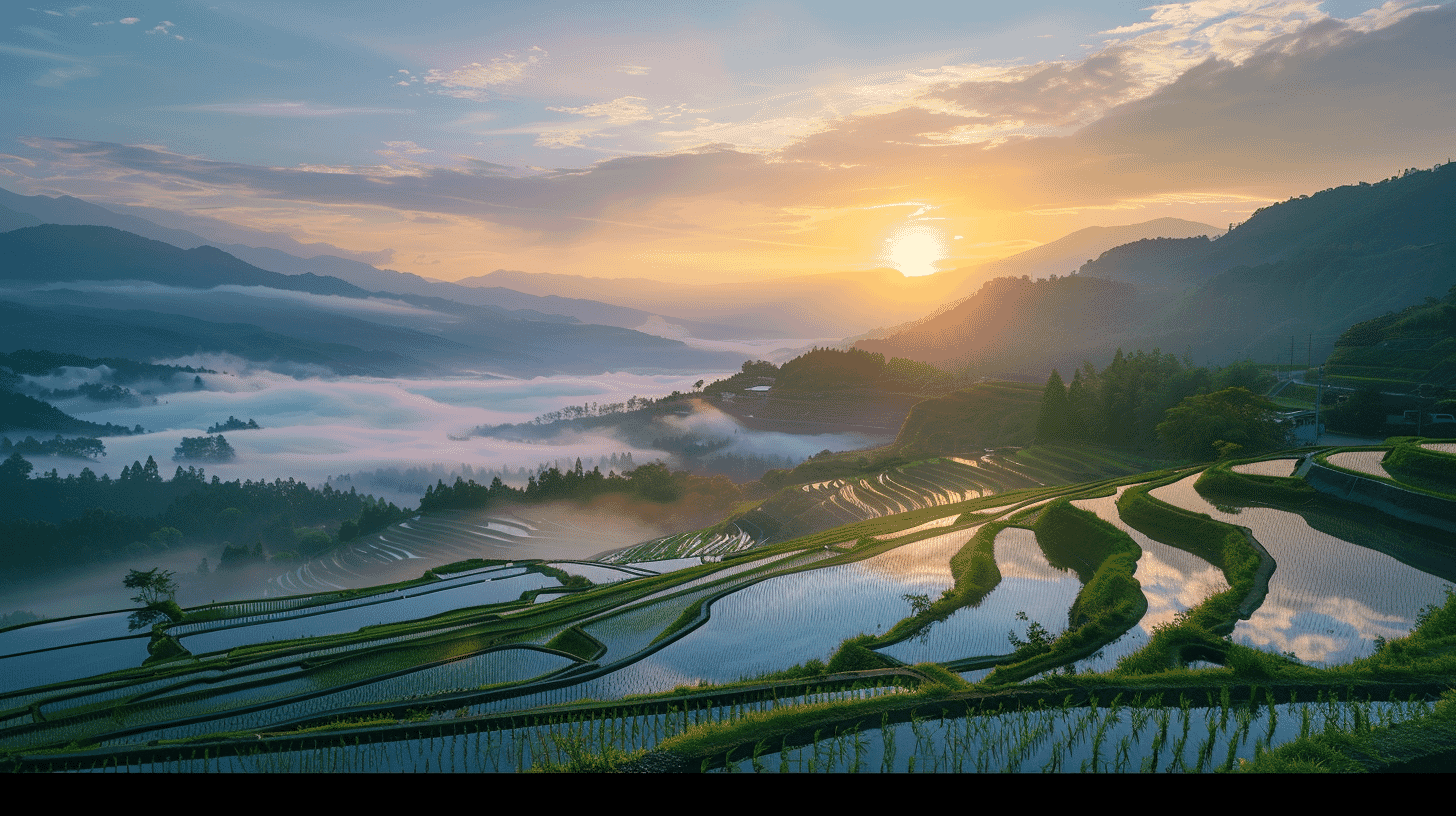
Sado's mining heritage, castle towns, and ornate festivals color Niigata. Browse cultural properties with ferry and rail travel tips.
World Heritage Sites
Important Cultural Properties

The Amida Hall within the precincts of Uonuma Shrine in Ojiya City, Niigata Prefecture, is a nationa...
The Three-story Pagoda of Oppoji Temple in Tainai City, Niigata Prefecture, is a nationally designat...
The Former Hirasawa Residence (Shoraikaku) in Nagaoka, Niigata Prefecture was completed by 1934 by H...
The Kannon Hall of Gotokuji Temple in Aga Town, Niigata Prefecture, is a nationally designated Impor...
The Tohashira Shrine Hall, a nationally designated Important Cultural Property standing within the s...
The Yamaguchi Family Residence, located in the mountainous village of Shimode in Itoigawa City, Niig...
Inside Sado's Edo magistrate's office sat a refinery. Its 928 excavated items—172 lead plates weighi...
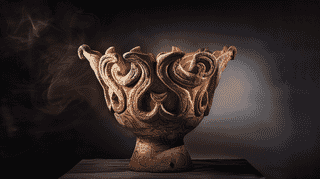
Excavated near Shibata in 1980-81, this Yayoi group centers on a 45.3 cm clay vessel shaped like a h...
At a Nagaoka museum, 1,402 Muroya Cave finds include rare Incipient Jomon pottery and Niigata's olde...
Over a thousand stone spear points and Japan's oldest pottery from a Niigata river terrace: an Incip...
Explore the Important Cultural Property artifacts from the Motoyashiki Site in Murakami City, Niigat...
Three handscroll letters in Nichiren's hand, kept at Myōsenji on Sado. Sent from Minobu after his 12...
Other Heritage
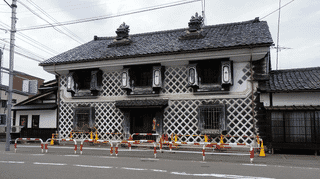
Discover Araso Misegura, a registered tangible cultural property in Tainai City, Niigata. This Meiji...
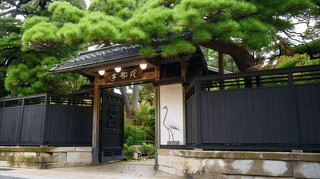
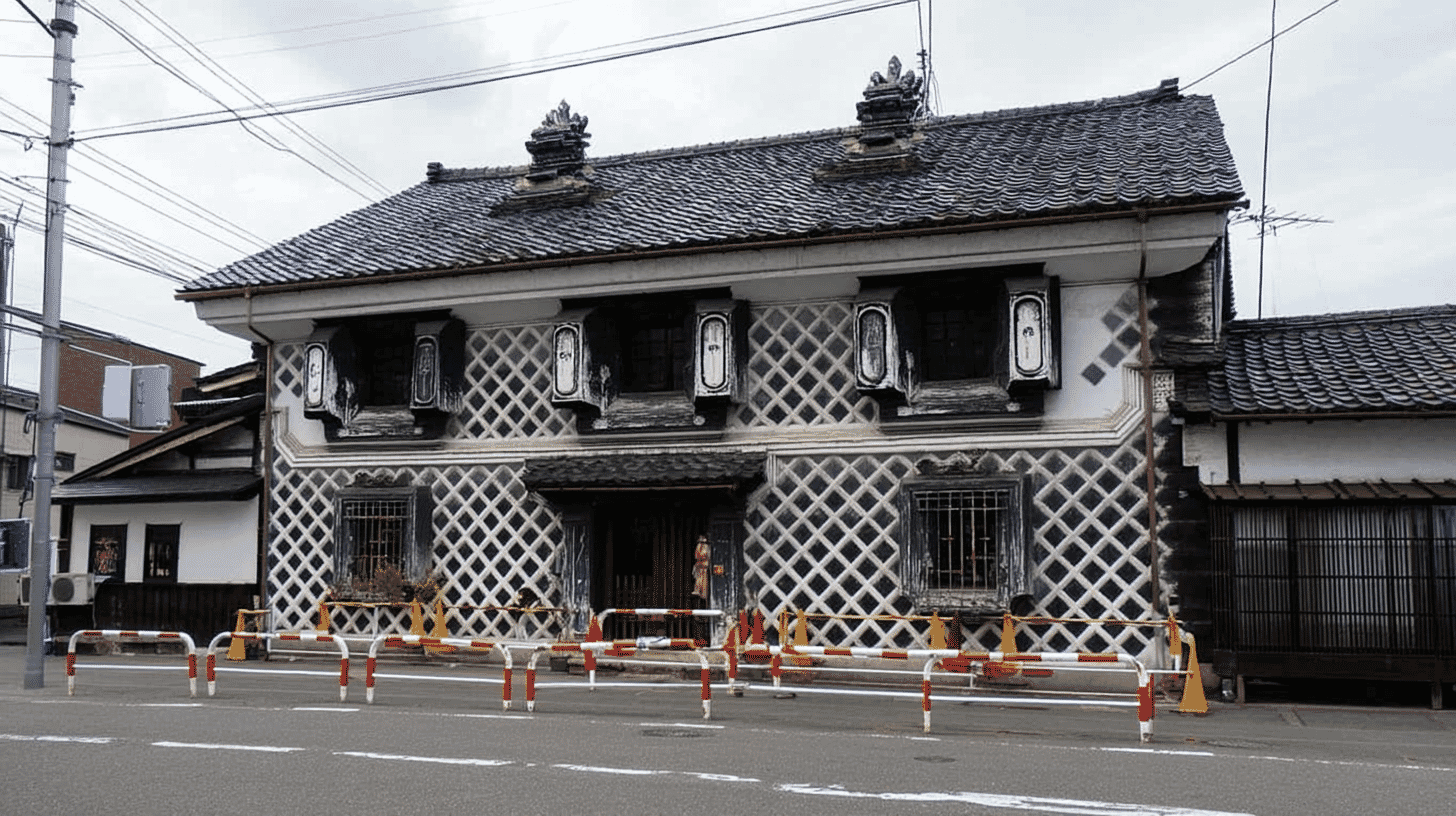
Explore the Ikinariya Storehouse (Dozou), a Registered Tangible Cultural Property of Japan built i...
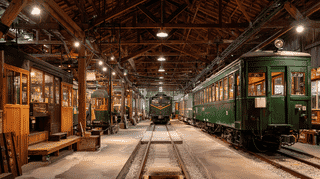
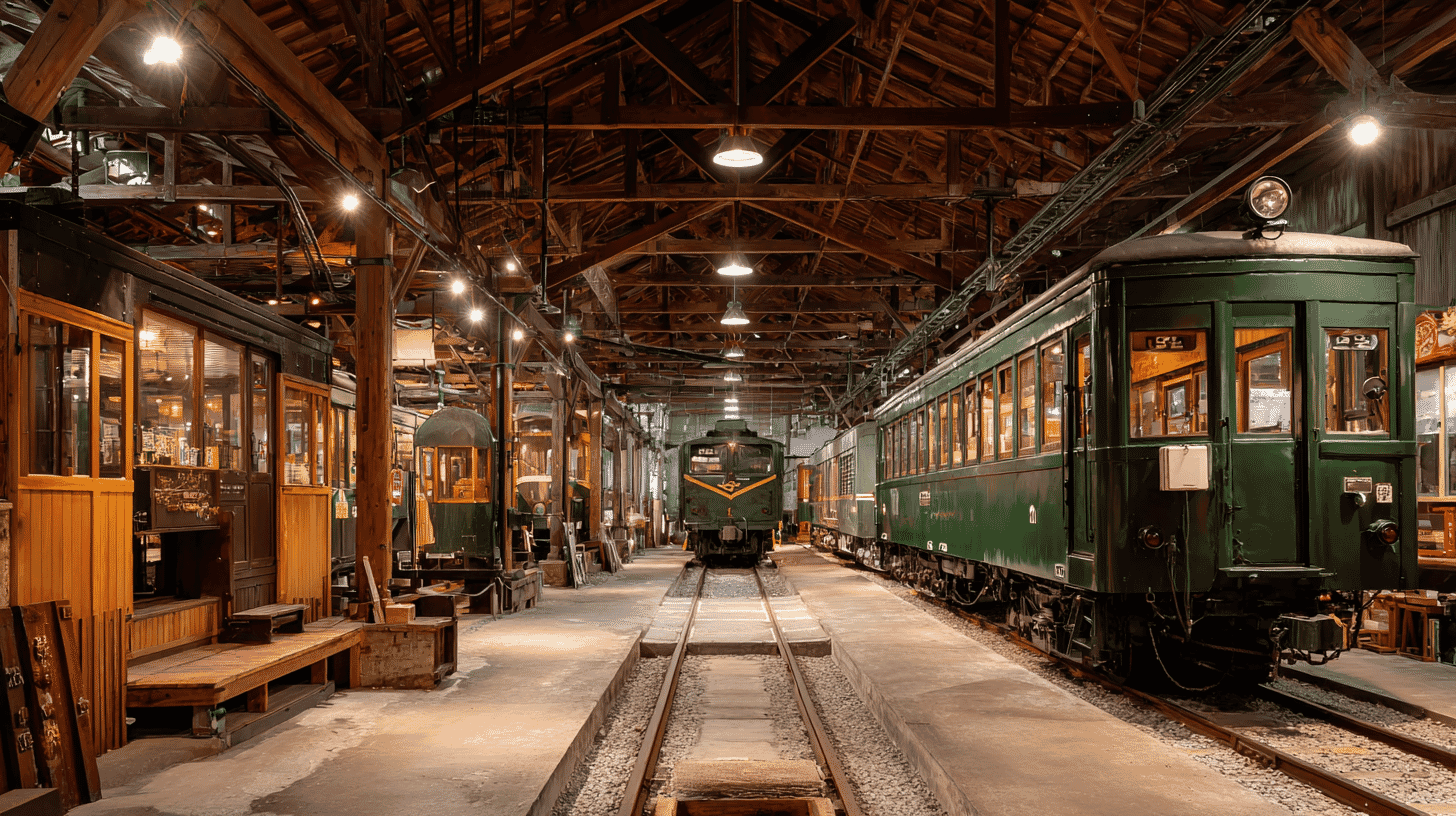
Discover the Former Kubiki Railway Engine House at Kubikino Rail Park in Niigata Prefecture—a nation...
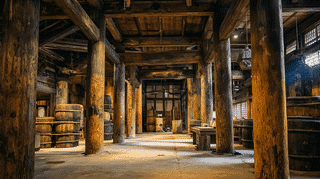
Explore the Yoshikawa Family Residence Storehouse, a Registered Tangible Cultural Property built in ...
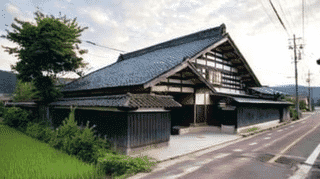
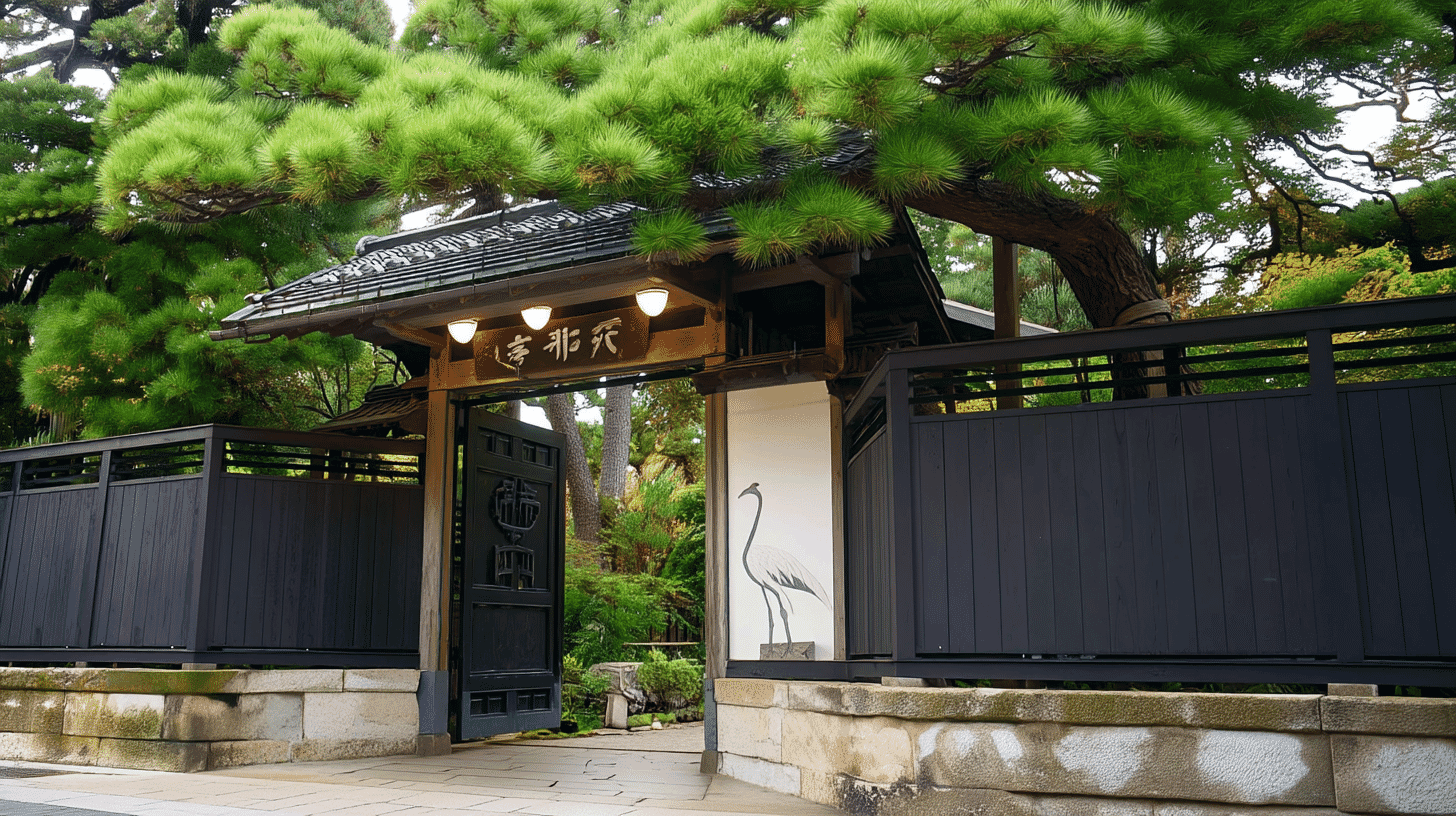
Discover the Yoshida Family Residence Main House in Niigata, a registered cultural property where hi...
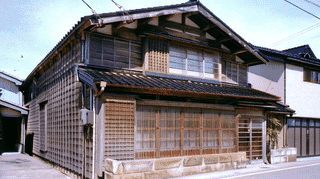
Discover the Yoshida Family Residence in Kashiwazaki, Niigata – a National Registered Tangible Cultu...
About Niigata
"Sado Island Gold Mines" (registered 2024) represents historical mining site remains where gold extraction occurred for approximately 400 years from Edo through Meiji periods. Comprising two mining groups - Aikawa gold and silver mines and Nishimikawa placer gold mines - it's globally valued as precious industrial heritage demonstrating mining technology development processes and mining society formation.
Sado Island, Japan Sea's largest remote island about one hour by high-speed boat from Niigata Port, covers approximately 855 square kilometers with about 50,000 residents in naturally rich surroundings. Known as Japanese crested ibis conservation base, Toki no Mori Park allows ibis ecology observation. Traditional performing arts including Noh theater, Bunraku puppetry, and Sado Okesa folk songs also flourish, enhancing cultural value.
Niigata Prefecture ranks among Japan's premier Koshihikari rice production regions, particularly with Uonuma-produced Koshihikari known nationwide as highest-quality rice. Pure snowmelt water and large diurnal temperature differences create sweet, sticky delicious rice. Niigata's high rice quality extends to sake brewing, producing famous brands like Kubota, Hakkaisan, and Koshinokanbai.
Niigata winters rank among world's heaviest snowfall regions, with mountain areas commonly exceeding 3-meter accumulations. Numerous ski resorts utilize this snow, with Naeba Ski Resort, Myoko Kogen, and Joetsu Kokusai Ski Resort popular among domestic and international skiers. Snow country lifestyle culture is also unique, with gangi-zukuri buildings and snow removal scenes representing distinctly Niigata landscapes.
Echigo-Yuzawa Onsen gained literary fame as setting for Yasunari Kawabata's novel "Snow Country." Joetsu Shinkansen opening improved capital region access, developing as resort destination combining hot springs and skiing.
Niigata food culture features hegi soba as representative local cuisine. Distinctive soba using seaweed (funori) as binding agent, served in wooden vessels called hegi. Characterized by smooth texture and unique mouthfeel, beloved as Niigata specialty. Sasa-dango also represents Niigata's signature wagashi, featuring mugwort mochi wrapped in bamboo leaves with rustic flavors.
Facing the Japan Sea, Niigata Prefecture enjoys fresh seafood including crab, nodoguro (blackthroat seaperch), and sweet shrimp. Particularly, Teradomari Port, famous as "Fish Ameyoko," features numerous fresh fish shops attracting tourists seeking fresh seafood.
Browse by Type
Designation categories represented in the prefecture, with counts.
Amatsu Shrine Bugaku · Ayako Mai · The Custom of Naked Crowding at Urasa Bishamon-Do
Shobudsuka Tomb · Araya Ruins · Awashima Island's Streaked Shearwater and Japanese Cormorant
Shukunegi, Sado City
Cultural Landscape of the Mines and Mining Towns of Aikawa, · The Rural Landscape of Nishimikawa, Sado, Originating from
Ayako Mai · Bugaku from Nou, Itoigawa · The Custom of Bull Horn Butting
Former Ishizaki Family Garden (Sekisenso Garden)
Aoshiba Shrine Worship Hall · Aoshiba Shrine Main Hall · Nagaoka Main Building of the Akiyama Takashi Poster Museum (former Nagaoka Commercial Bank Miyauchi Branch)
Echigo Rental Hoe Tools
Niigata in Periods
Periods represented by designated properties in the prefecture.