
Jōmon
Niigata · 縄文Browse Niigata’s cultural heritage from the Jōmon period (14,000 – 300 BCE). Filter by type and keyword, with concise stories, maps, and travel tips.
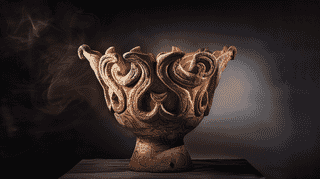
Fifty-seven Middle Jomon vessels from the Sasayama Site, led by flame-style pots, became Japan's first Jomon pottery National Treasure in 1999. Shown in Tokamachi.

In Mitsuke, Niigata, the Mimitori Site holds three Jomon villages layered on one hilltop, including a ring settlement with an 18-meter plaza and rare jade beads.
Spanning the city of Tokamachi and the town of Tsunan in Niigata Prefecture, the Honnoki and Tazawa Site Group is a National Historic Site preserving the dawn of the Jomon period. Composed of the Honnoki, Tazawa, and Jin Sites near the confluence of the Shinano and Kiyotsu Rivers, the group contains stone tools and pottery dating from around 15,000 to 12,500 years ago, offering an unusually clear record of how Ice Age communities transitioned from mobile Paleolithic hunting to riverside Jomon life.
At a Nagaoka museum, 1,402 Muroya Cave finds include rare Incipient Jomon pottery and Niigata's oldest burial, a woman laid to rest with a pot by her head.
Over a thousand stone spear points and Japan's oldest pottery from a Niigata river terrace: an Incipient Jomon find that named a famous debate on the Jomon's start.
The Motoyashiki Ruins finds, 1718 Jomon objects from a Niigata site now under a dam lake, were designated in 2015 and are shown at Jomon no Sato Asahi in Murakami.