
Great Buddha halls, ancient pagodas, and Asuka relics make Nara a cradle of Japanese art. See National Treasures with calm walking routes.
National Treasures
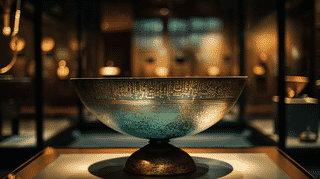
A Nara-period bronze finial inscribed with a date matching 715. Part of a pagoda mast, it survives w...
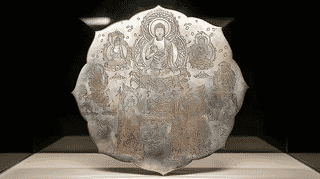
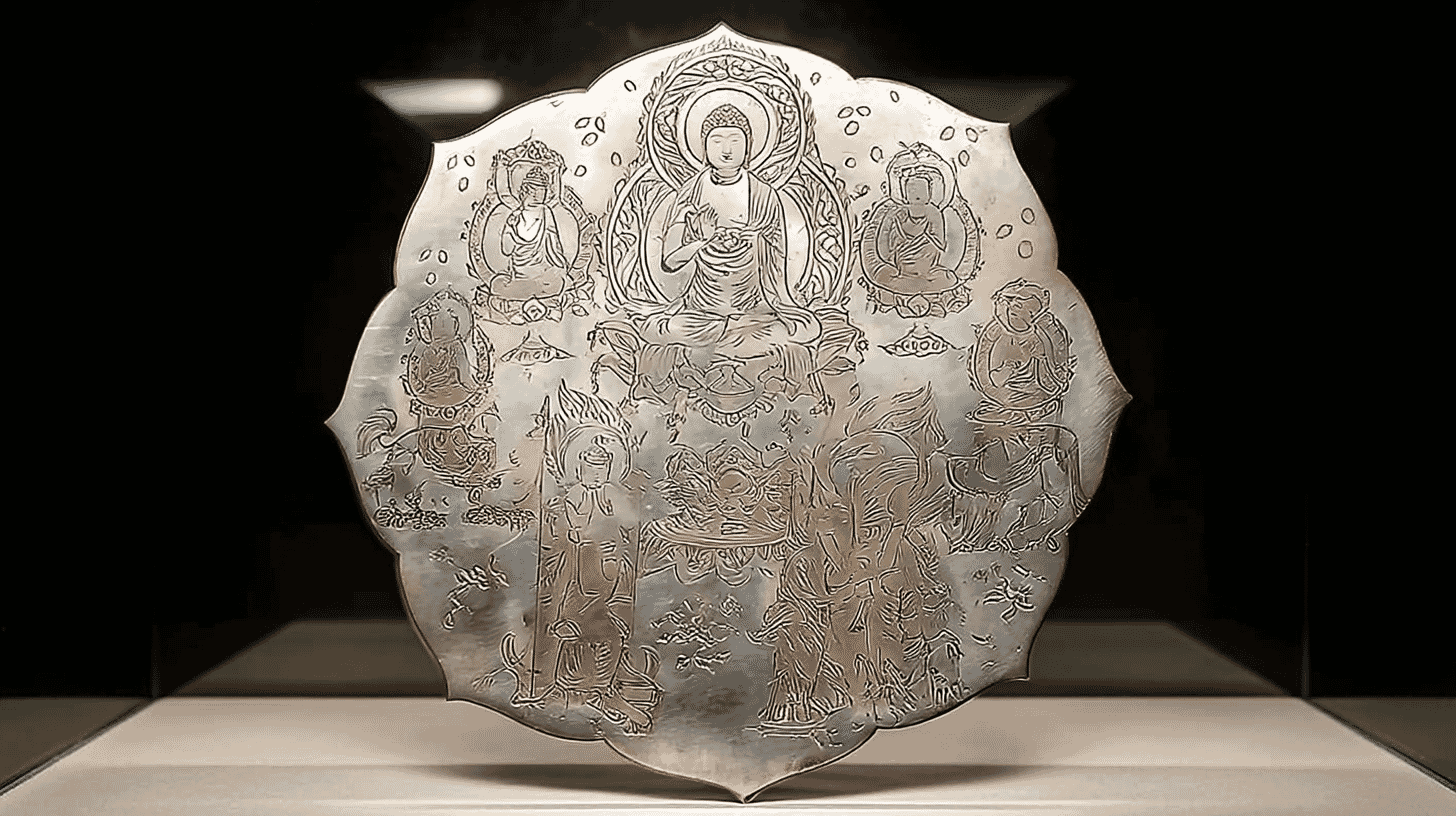
An eight-lobed Heian-period mirror in Nara Prefecture. Nine Buddhist figures stand engraved upon its...
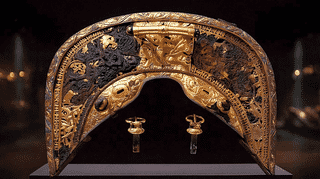
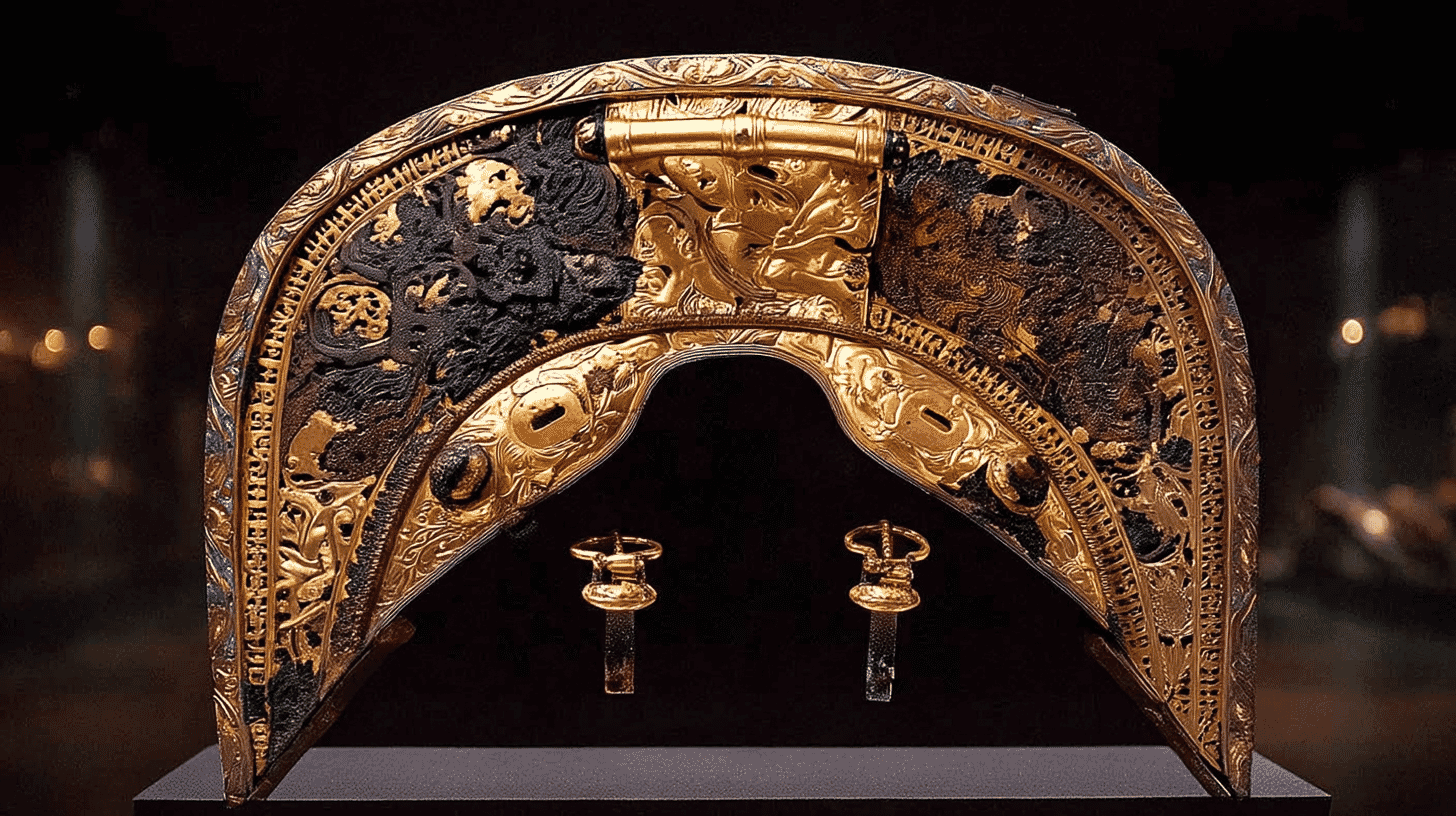
Kofun-period finds in Nara Prefecture, listed as a single lot. The tomb itself is placed about 350 m...
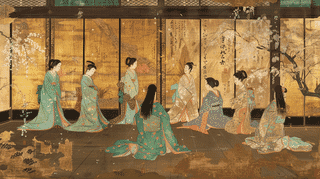
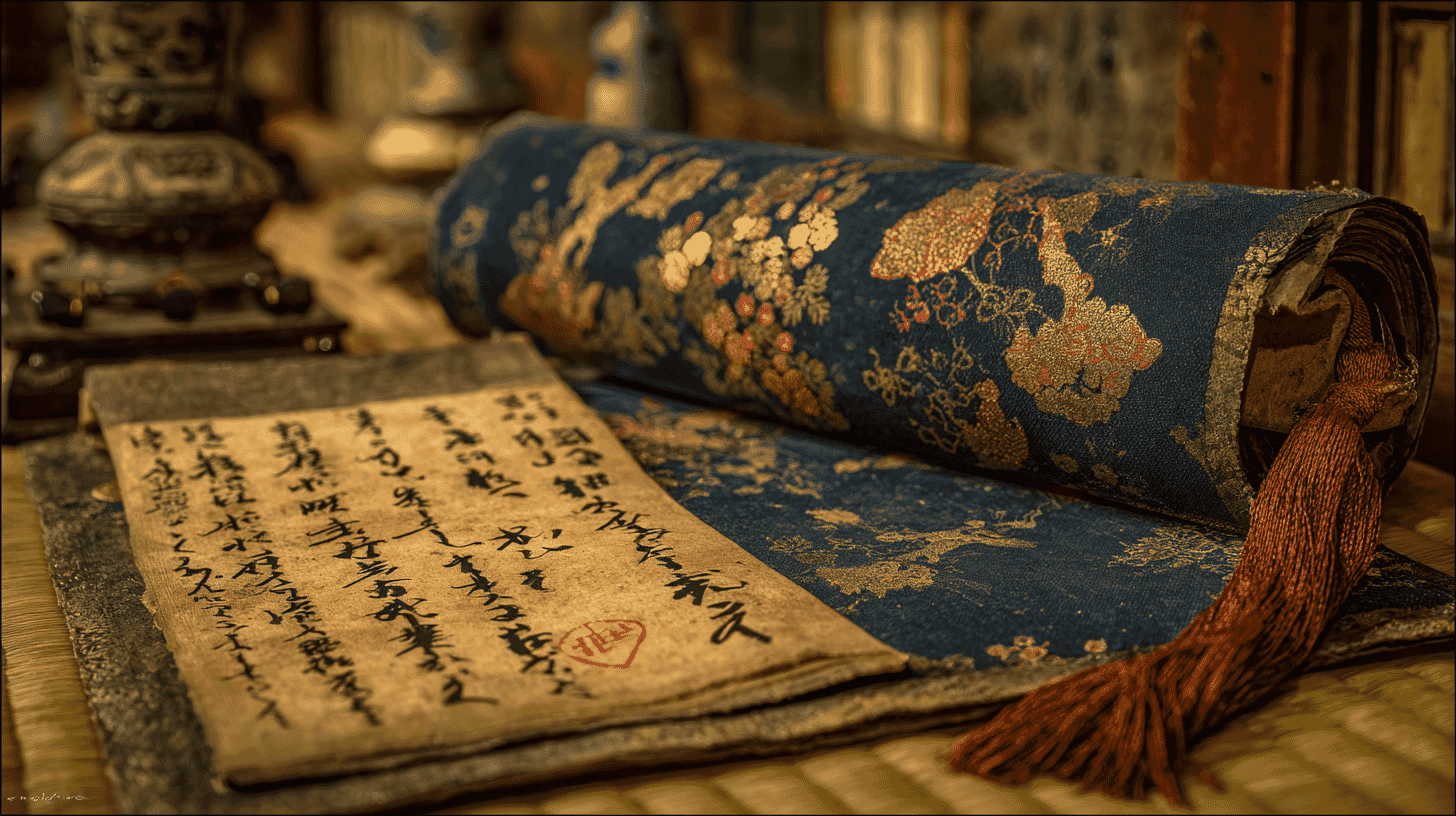
A Heian-period handscroll in Nara owned by a listed company. The company owns the scroll itself whil...

Five Asuka-period murals from the Kitora tomb in Nara, the only set in Japan where all four guardian...
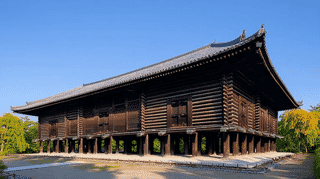
A Nara-period storehouse northwest of the Great Buddha Hall at Todaiji, the only azekura building ke...
World Heritage Sites
Important Cultural Properties
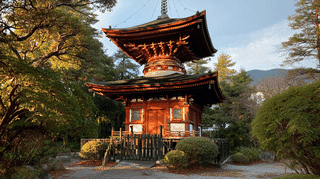
Discover Kumedera Tahoto, an Important Cultural Property relocated from Kyoto's Ninnaji Temple. This...

The Shoin at Okadera Temple in Asuka Village, Nara Prefecture, is a nationally designated Important ...
Discover the Niomon Gate of Oka-dera Temple in Asuka Village, Nara Prefecture—a designated Important...
Kashihara Jingu's Main Hall began as a Kyoto Imperial Palace sanctuary of 1855, moved here in 1890. ...
The Kikuya Family Residence in Tsukigase, Nara, is a small thatched farmhouse built around 1700, pre...
Kikō-ji's main hall in Nara, said to have modeled Tōdai-ji's Great Buddha Hall, is a tiered Muromach...
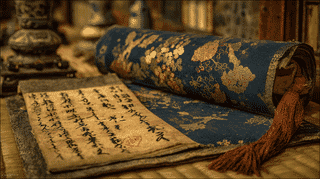
A Nanbokucho-period manuscript held at Tenri in Nara Prefecture. Its own category field there spans ...
Discover the Kumano Junisha Gongen Mishōtai, an Important Cultural Property featuring thirteen Buddh...
An Important Cultural Property preserved at Kōfuku-ji in Nara, this Kamakura-period silk hanging scr...
Held by Hōryū-ji in Nara, the Important Cultural Property Star Mandala on Silk is a rare Heian-perio...
An Important Cultural Property of Japan, this set of five wooden statues — a standing Thousand-Armed...
Preserved at Shōryaku-ji in the wooded hills of Nara, the Ekottarika-āgama Volume 30, known as the Z...
Other Heritage
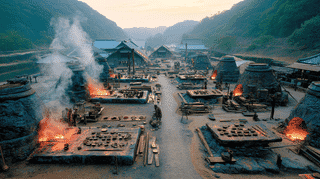
Explore the Asuka-ike Workshop Site in Nara, a 7th-century imperial workshop where Japan's oldest co...
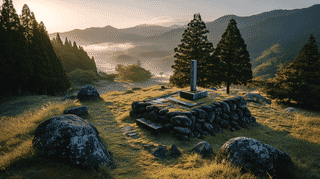
Discover the Tomb of Fumi no Nemaro in Uda City, Nara – a National Historic Site revealing ancient J...
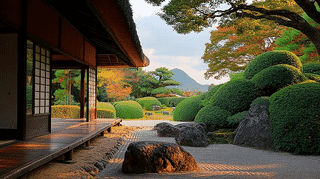
Discover Jikoin Temple Garden, a nationally designated Place of Scenic Beauty in Nara. Created by te...
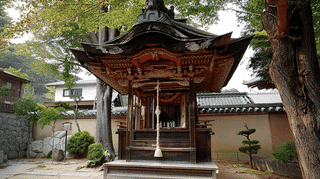
Discover the exquisite Nakanobō Inari Shrine, a Registered Tangible Cultural Property dating from th...
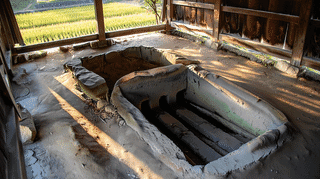
Discover the Nukatabe Kiln Site, a nationally designated historic site in Yamatokoriyama, Nara. Expl...
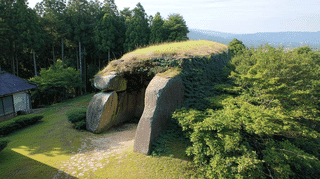
Discover Futatsuzuka Kofun in Katsuragi, Nara - a unique 6th-century keyhole-shaped burial mound fea...
About Nara
"Buddhist Monuments in the Horyu-ji Area" (registered 1993), known as the world's oldest wooden architectural complex, preserves Asuka period culture to the present day. Horyu-ji's five-story pagoda, dating from 607 CE, has over 1,400 years of history as the world's oldest wooden pagoda. Together with the Golden Hall, these structures embody Prince Shotoku's Buddhist ideals with immeasurable value.
"Historic Monuments of Ancient Nara" (registered 1998) includes Todai-ji, Kofuku-ji, Kasuga Taisha, Gango-ji, Yakushi-ji, Toshodai-ji, Heijo Palace ruins, and Kasuga-yama primeval forest. Todai-ji's Great Buddha Hall ranks among the world's largest wooden buildings, housing the approximately 15-meter-tall seated Rushana Buddha statue (Nara's Great Buddha). This Buddha, commissioned by Emperor Shomu, underwent consecration in 752 CE as a national project mobilizing resources throughout Japan.
Kofuku-ji's five-story pagoda, standing 50.1 meters tall, serves as Nara's beloved symbol. Kasuga Taisha, head shrine of approximately 1,000 Kasuga shrines nationwide, features beautiful vermillion buildings and about 3,000 stone and hanging lanterns. Toshodai-ji, established by priest Ganjin, houses the Golden Hall considered Tempyo architecture's masterpiece.
As part of "Sacred Sites and Pilgrimage Routes in the Kii Mountain Range" (registered 2004), Yoshinoyama's cherry blossoms and Kinpusen-ji Temple join the World Heritage list. Yoshinoyama, famous for approximately 30,000 mountain cherry trees, boasts magnificent "thousand trees at a glance" scenery.
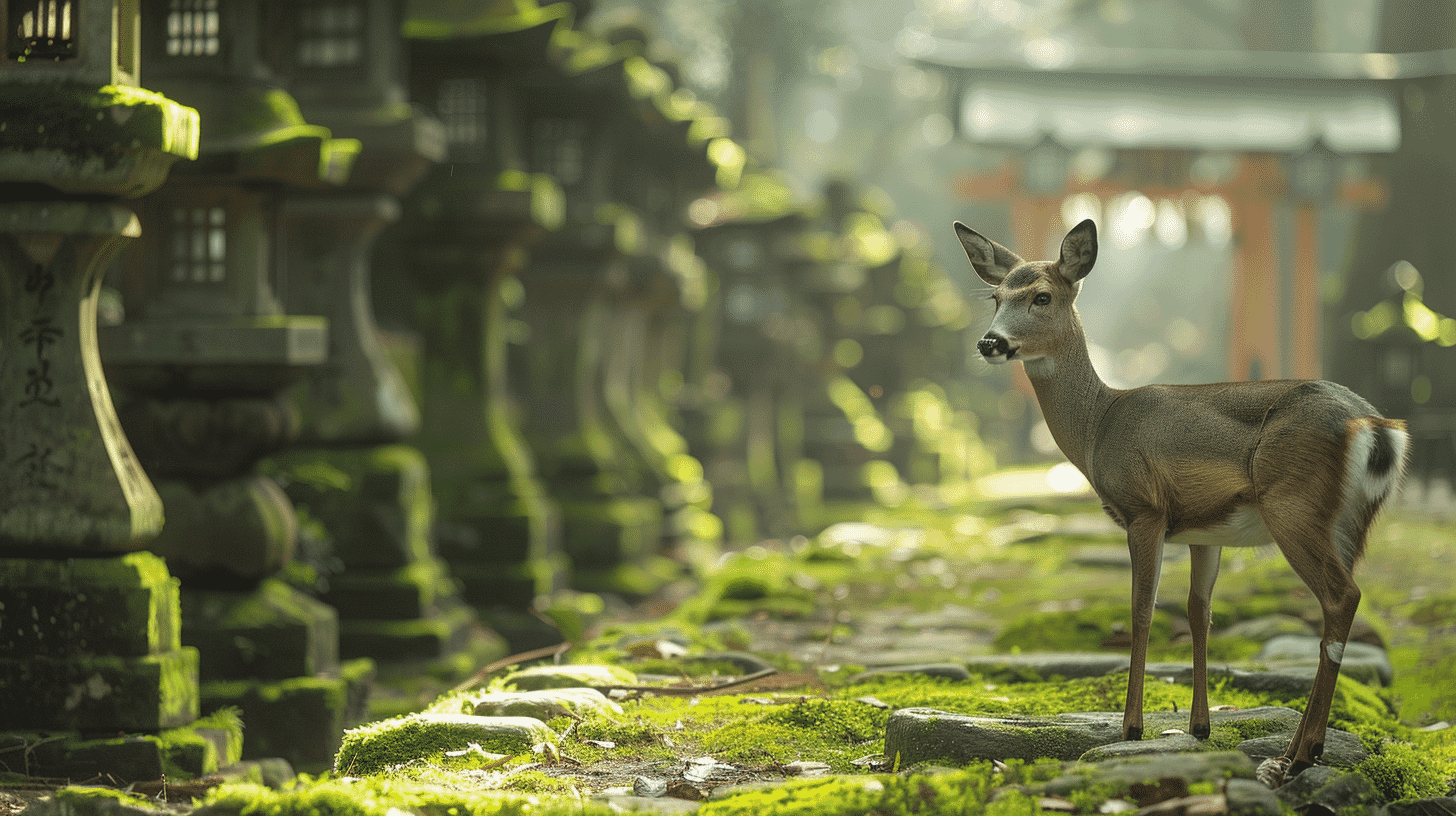
Nara Park houses about 1,200 deer, treasured as divine messengers. Interacting with deer offers uniquely Nara experiences, with tourists feeding deer crackers becoming everyday scenes.
Nara's food culture features persimmon leaf sushi as representative local cuisine. This preserved food utilizes persimmon leaves' antibacterial properties, wrapping mackerel or salmon atop vinegared rice in persimmon leaves. Miwa somen, with 1,300 years of history as Japan's oldest somen, features extremely thin noodles. Nara-zuke, traditional vegetables pickled in sake lees, offers distinctive flavor and texture.
Traditional crafts include Nara brushes, Nara ink sticks, and itto-bori wood carving. Particularly, Nara ink sticks, with 1,400 years of history, represent the pinnacle of calligraphy ink, renowned nationwide for superior quality.
Browse by Type
Designation categories represented in the prefecture, with counts.
Performing Arts of Kasuga Wakamiya Festival · Sakamoto Dance · Shinohara Dance
Akatsuchiyama Tomb · Asukaike Kobo Ruins · Asuka Inabuchi Palace Ruins
Matsuyama, Uda City · Imaicho, Kashihara City · Gojo City Gojo Shinmachi
Oku-Asuka Cultural Landscape
Eba and Onishi's Rope · The Ritual Performances of Kasuga Wakamiya Onmatsuri · Title
Myojinyama (Souenzan)
Akahadayama Moto Kiln Large Kiln · Akahadayamamoto Kiln Medium-Sized Kiln · Akahadayama Motogama Exhibition Room and Former Workshop
Nara in Periods
Periods represented by designated properties in the prefecture.