Eihei-ji Zen temples, coastal sanctuaries, and samurai ruins make Fukui a quiet classic. Browse properties with serene travel ideas.
National Treasures

Rising 22 meters above a forested mountain valley in Obama City, Fukui, the Three-Storied Pagoda of ...
Hidden in a deep mountain valley in Obama City, Fukui Prefecture, the Myotsuji Main Hall is a thirte...
At Eiheiji lies Dōgen's own 1233 manuscript of the Fukan Zazengi, his founding guide to Zen sitting ...
Important Cultural Properties
Nestled deep in the mountains of Eiheiji Town, Fukui Prefecture, Eiheiji is a head temple of Soto Ze...
Open on all four sides and seven bays wide, the worship hall at Ōshio Hachimangū in Echizen is a rar...
Built in 1843, Otaki Shrine's joined main and worship halls carry a cypress-bark roof called Japan's...
A 4.5-meter nine-tier Shakudani-stone pagoda at Ōtaniji in Echizen, dated by inscription to 1323. It...
Rebuilt in 1613 and sheltered since 1754, Kasuga Shrine's Main Hall in Sabae, Fukui, is a vermilion ...
A late-Edo thatched farmhouse in Katsuyama, Fukui, built by Eiheiji carpenters for a headman. Its wi...
A remarkable assemblage of late Paleolithic stone tools discovered in the Naruka Sanka district of E...
The Dai Hannya Kyō at Wakasa-hiko Shrine in Obama City, Fukui Prefecture, is a nationally designated...
Other Heritage
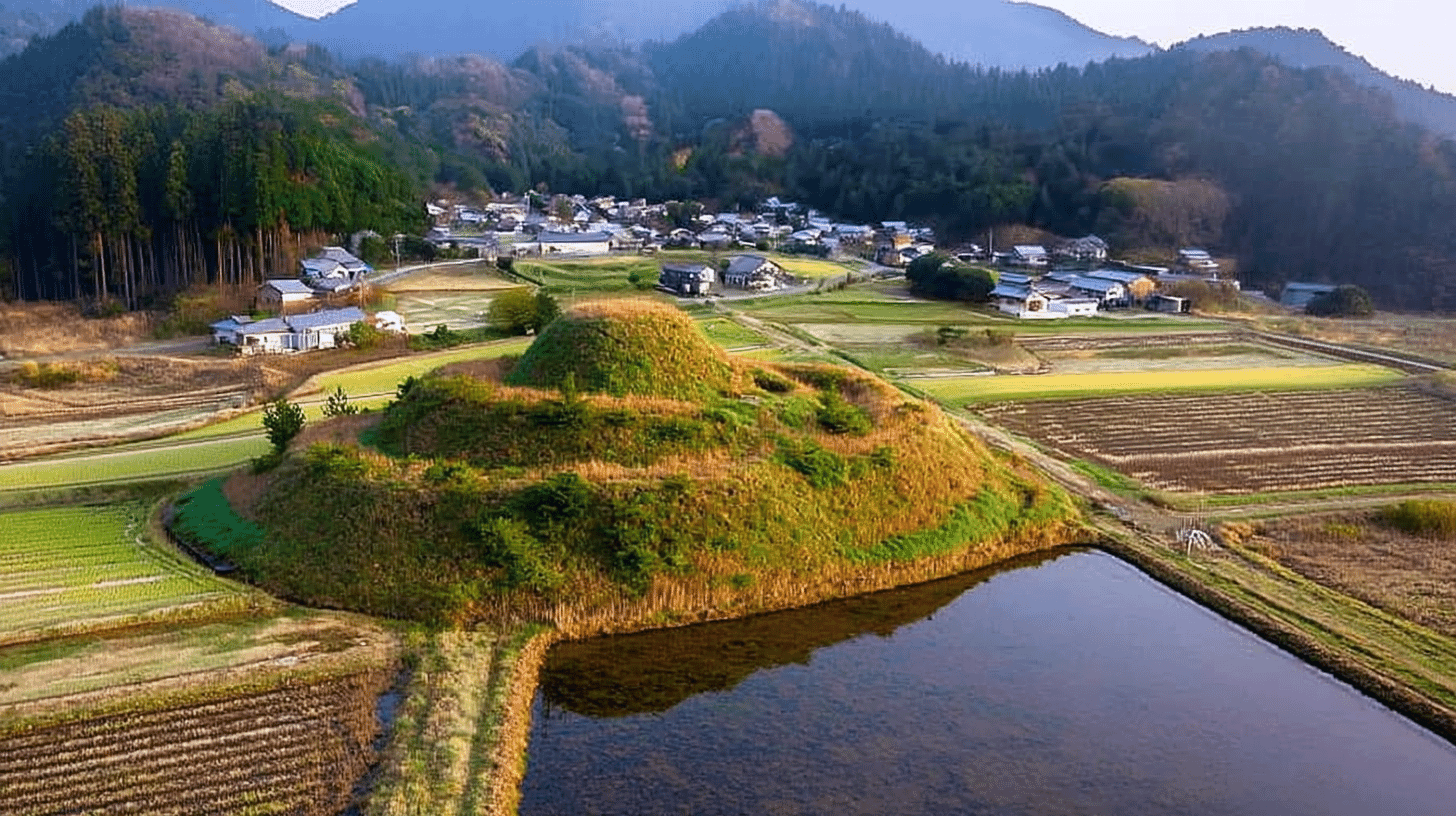
Explore Jōnozuka Kofun, the largest keyhole-shaped burial mound in Wakasa, Fukui Prefecture. This Na...
A Meiji-period earthen-walled sake store in Ono, Fukui, standing south of the shop. The Agency for C...
Built in 1919, this earthen-walled brewing store in Ono, Fukui, shows board siding below and white p...
This 1912 shop in Echizen began as two wooden storeys and gained a third through two rebuilds. Four ...
The smallest of five registered buildings at the Hanagaki brewery in Ono, Fukui. Built in 1889, this...
A Meiji wooden townhouse at a market crossroads in Ono, Fukui, registered in 2001. It keeps its towe...
About Fukui
Myotsuji Temple, ancient Shingon temple in Obama City, has main hall and three-story pagoda designated as national treasures. The main hall, built in 1258, represents Kamakura period esoteric Buddhist architecture, housing Heian period wooden seated Yakushi Nyorai statue with attendant figures. The three-story pagoda, built in 1270, features beautiful balanced proportions beloved as Wakasa region landmark. Both structures preserve precious cultural properties conveying Kamakura period Buddhist architectural essence.
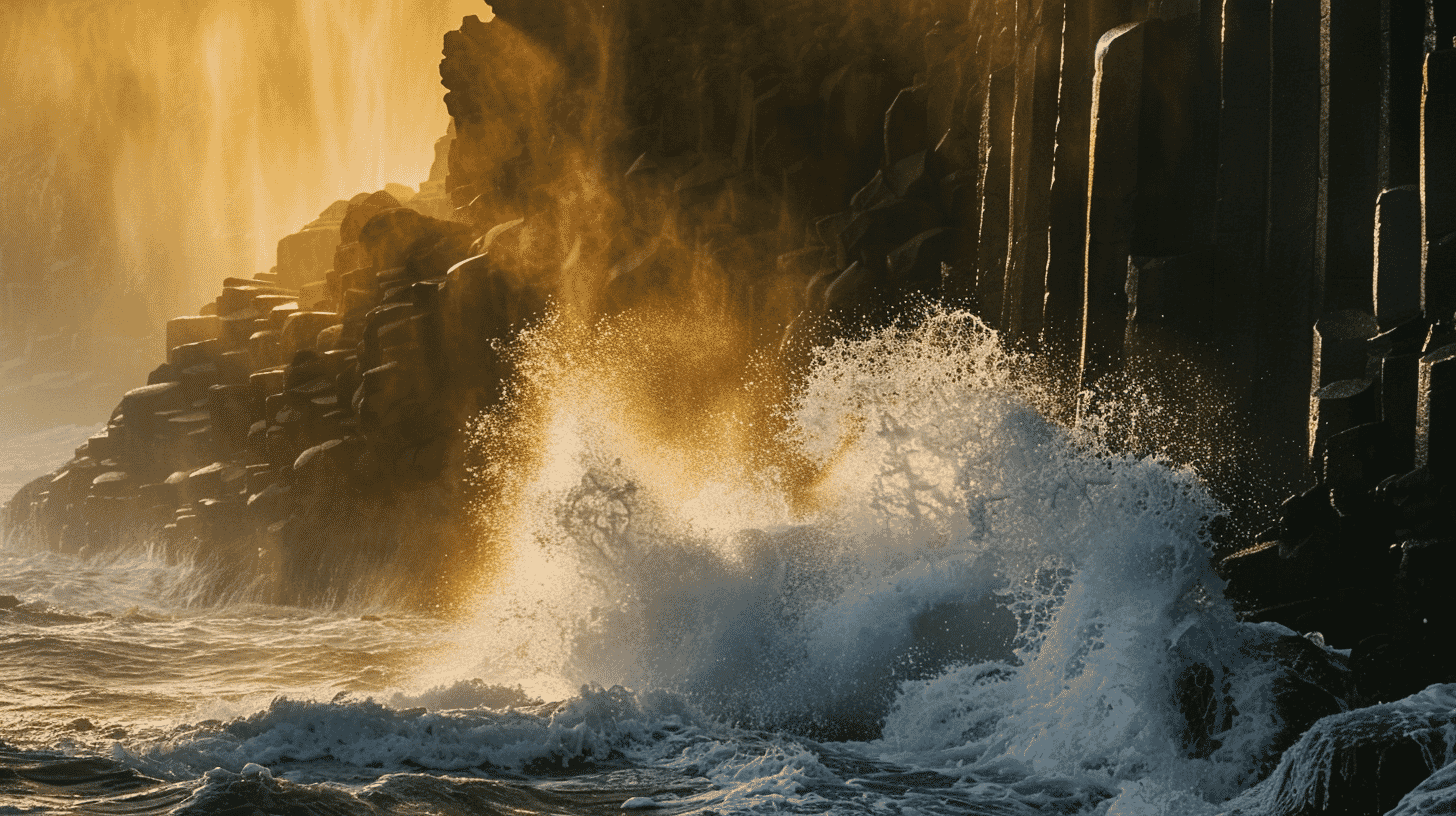
Tojinbo, representative Echizen coast scenic spot, features columnar joint cliffs designated as national natural monument extending approximately 1 kilometer. Spectacular scenery overlooking Japan Sea from approximately 25-meter cliffs is particularly known for beautiful sunsets. Sightseeing boat views allow experiencing sea cliff power up close.
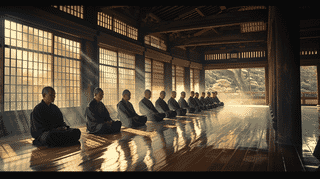
Eiheiji Temple, Soto Zen head temple founded in 1244 by Zen master Dogen, represents Zen sacred ground. Vast precincts house over 70 buildings where approximately 200 unsui (training monks) continue strict practice today. Sanshokaku ceiling featuring 230 seasonal paintings, dharma hall, and Buddha hall's dignified building groups guide visitors into tranquil worlds. Zazen meditation experiences introduce many to Zen spirit.
Fukui Prefectural Dinosaur Museum in Katsuyama City ranks among world's three great dinosaur museums, displaying 44 complete dinosaur skeletons and over 1,000 specimens. Fukui Prefecture represents Japan's first dinosaur fossil discovery region, with numerous dinosaurs named after Fukui including Fukuiraptor and Fukuisaurus. Museum surroundings offer fossil excavation experiences, introducing children through adults to paleontology.
Wakasa Bay, called "Nara with sea" for numerous remaining cultural properties, particularly prospered with Obama City as ancient Kyoto food supply base "miketsukuni." Wakasa lacquered chopsticks comprise about 80% national share as traditional crafts combining beautiful patterns with practicality.
Fukui food culture prominently features Echizen crab nationally. Brands differ by landing port, particularly male snow crabs landed at Echizen Port ranked as premium "Echizen crab." November through March fishing seasons attract numerous tourists seeking crab cuisine.
Sauce katsu-don also enjoys popularity as Fukui's representative B-grade gourmet. Thin pork cutlets with sauce over rice, with numerous sauce katsu-don shops citywide in Fukui. Echizen soba also represents Fukui specialty, with "oroshi soba" featuring grated radish and bonito flakes as representative style.
Heshiko, traditional Fukui preserved food of fermented mackerel in rice bran, offers distinctive flavors through fermentation. Fresh Wakasa Bay mackerel is salt-cured then aged in rice bran beds over one year. Delicious eaten directly or grilled, with excellent sake pairing.
Browse by Type
Designation categories represented in the prefecture, with counts.
Horai Worship in Awatabe · Itosaki Buddhist Dance · Ritual Performing Arts at Unanishi Shrine
Aoshima Warm Climate Plant Community · Araregako Habitat · Ichijodani Asakura Clan Ruins
Obama City Obama Nishigumi · Imashojuku, Minami Echizen Town · Kumagawa-Juku, Wakasa Town
Daffodil Fields on the Echizen Coast, Shimo Misaki Cultural · Daffodil Fields on the Echizen Coast, the Cultural Landscape
Itosaki Buddhist Dance · Long Live Echizen · Tug of War in Tsuruga Nishimachi
Ichikawa Mineral Laboratory Collection · Hanakago Park · Tsubokawa Family Garden
Aizanso Stone Storehouse · Aizanso Ichinokura · Aizanso Kura Zashiki
Wakasa Agate Polishing Tools
Fukui in Periods
Periods represented by designated properties in the prefecture.