Myths of Takachiho, coastal shrines, and cave sanctuaries color Miyazaki. Browse cultural properties with scenic drives.
Important Cultural Properties

Raised in 1919 by a Kushima family enriched by forestry, the Former Yoshimatsu Family Residence keep...
Kurasaki Lighthouse, standing on the southern tip of Oshima Island off Nichinan City, Miyazaki Prefe...
Koda Shrine's main hall in Miyazaki is a rare medieval shrine in southern Kyushu, dated by ridge tag...
Kodama Shrine's inner sanctuary in Miyakonojo is Miyazaki's oldest dated wooden building, a 1399 Bud...
Takachiho Shrine's 1778 main hall in highland Miyazaki is a grand five-bay nagare-zukuri in plain ze...
Shiiba's Nasu Family Residence, an 1823 Important Cultural Property, is 25 meters long yet one room ...
Other Heritage
Furusawa Brewery's small late-Meiji No. 2 Storehouse pairs with the larger No. 1 hall on the north e...
On Hososhima's commercial wharf in Miyazaki, a six-square-metre brick hut built in 1893 by the Imper...
Discover Joshinzuka Kofun in Saito, Miyazaki—one of only four 'Ishibutai-style' square tumuli in Jap...
On the bed of the Shonai River in Miyakonojo, Miyazaki Prefecture, more than a thousand cylindrical ...
Behind the main house sits Furusawa Brewery's early-Shōwa bottling room, the smallest on the site. A...
At the heart of Furusawa Brewery sits the kōji room, its board walls packed with rice husks. Since 1...
About Miyazaki
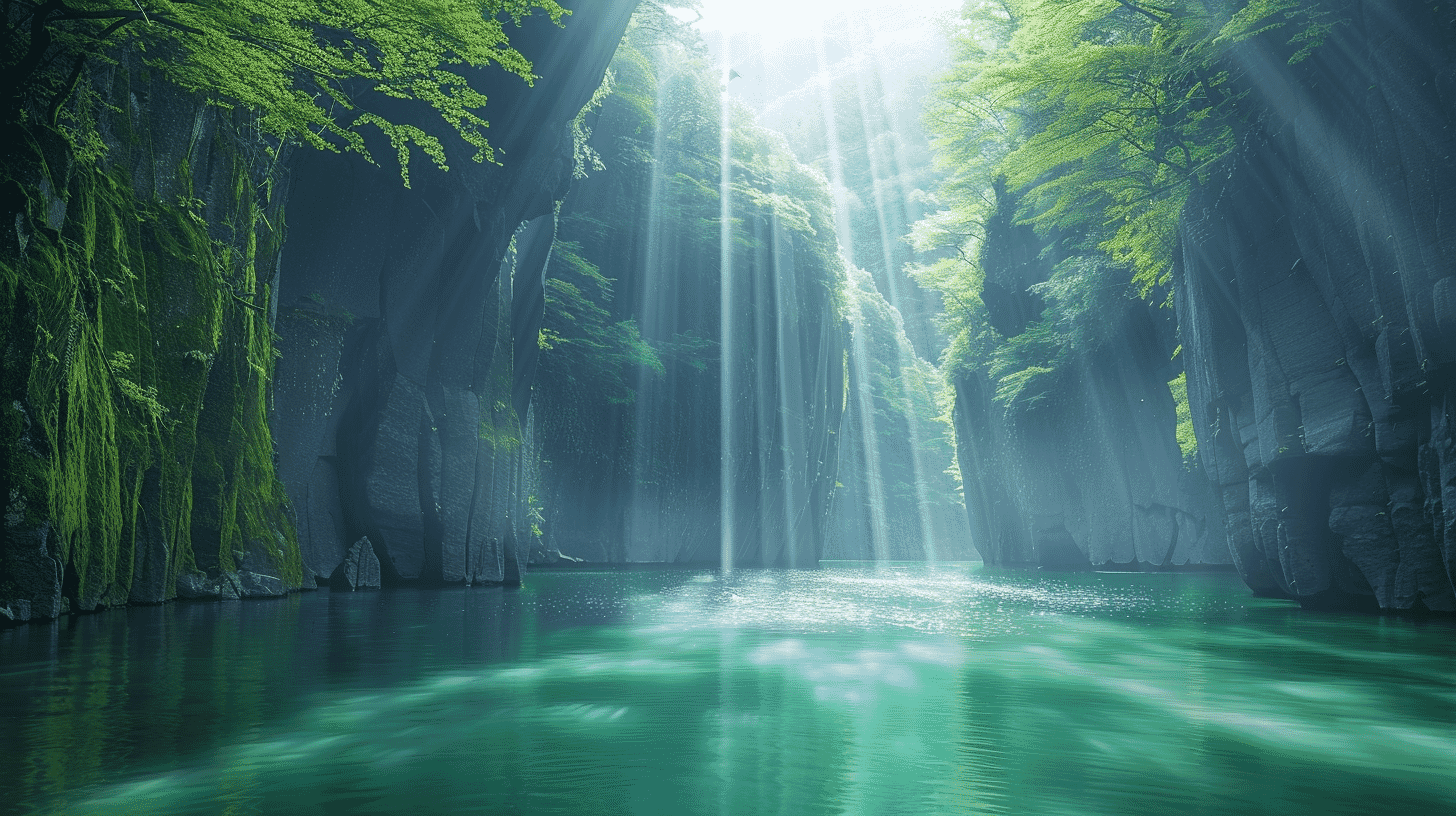
Takachiho Gorge, gorge over Gokase River, represents scenic area where columnar joint cliffs formed by pyroclastic flow from Mount Aso eruption approximately 120,000 years ago continue about 7 kilometers. Particularly, Manai Falls, beautiful 17-meter waterfall, enables close boat viewing. Entire gorge wrapped in mystical atmosphere serves as Japanese mythology stage as Tenson Korin (heavenly grandson descent) location.
Takachiho Shrine, enshrining Ame-no-Uzume-no-Mikoto allegedly dancing kagura during Amaterasu Omikami's cave hiding, offers nightly kagura dedication. Takachiho yokagura, designated as nationally important intangible folk cultural property, represents traditional performing art comprising 33 kagura pieces. Particularly, all-night kagura performed in various settlements from mid-November through early February creates spectacular scenes.
Amano Iwato Shrine, enshrining Amano Iwato cave where Amaterasu Omikami allegedly hid as sacred object, features West and East main shrines. Amano Yasugawara represents cave where yaoyorozu gods allegedly consulted, currently featuring countless stone stacks with wishes creating mystical spaces.
Aoshima, small island with approximately 1.5-kilometer circumference, features entire island as Aoshima Shrine precincts. "Oni-no-sentakuita" (devil's washboard) wave-cut rocks surround island, creating mysterious scenes floating on sea during high tide. Aoshima Shrine, beloved as matchmaking deity, gained national fame as honeymoon destination.
Udo Jingu represents rare shrine built within cliff-face cave facing Hyuga-nada, enshrining Ugayafukiaezu-no-Mikoto (Emperor Jinmu's father). Approach to main hall called "kudari-miya" (descending shrine) features unusual cliff-descending structure. Undama-nage represents wish-making activity throwing unglazed balls into turtle-shaped rock depressions before main hall, challenging numerous worshippers.
Nichinan Coast, beautiful coastline continuing approximately 100 kilometers from Miyazaki City to Kushima City, is designated as Nichinan Kaigan Quasi-National Park. Tourist spots including Phoenix tree-lined roads, Cactus Harbor, and Horikiri Pass offer subtropical atmospheres. Particularly, Sun Messe Nichinan displays seven authentic Moai statues, sole authorized reproductions outside Easter Island.
Miyazaki food culture prominently features chicken nanban as most famous local cuisine. Chicken flour-coated, fried, soaked in sweet vinegar sauce, then topped with tartar sauce, allegedly originating in Nobeoka City. Crispy exterior, juicy interior texture, and exquisite sweet vinegar-tartar sauce combination create popularity secrets.
Local chicken charcoal grilling also represents Miyazaki's signature cuisine, featuring Miyazaki jidori grilled over charcoal and salt-seasoned for simple yet delicious dishes. Jidori represents Miyazaki Prefecture's indigenous local chicken, characterized by chewy texture and strong umami meat quality.
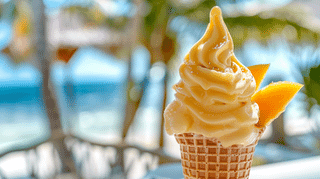
Mango represents Miyazaki Prefecture's signature fruit, particularly "Taiyo no Tamago" (sun egg) brand fully ripened mangoes gaining national fame. Only mangoes clearing strict standards - sugar content over 15 degrees, weight over 350 grams - receive "Taiyo no Tamago" certification, with exquisite sweetness and aroma.
Hiyajiru represents Miyazaki Prefecture's traditional local cuisine featuring cold soup made by grinding grilled miso in mortar, extending with dashi, and adding condiments like cucumber and perilla. Beloved as hot summer day meals, commonly eaten poured over rice.
Hyuganatsu, Miyazaki Prefecture-origin citrus, features refreshing sweetness and elegant aroma. Eating white pith together represents unique hyuganatsu consumption method, with subtle bitterness providing accents.
Browse by Type
Designation categories represented in the prefecture, with counts.
Wild Dance · Farming Customs in the Upper Reaches of the Kitakawa River · Shiiba Kagura
Aoshima Subtropical Plant Community · Elevated Seabed and Deformed Wave Erosion Marks in Aoshima · Ikime Kofun Group
Tonegawa, Shiiba Village · Obi, Nichinan City · Mimitsu, Hyuga City
Sakamoto Rice Terraces and Rural Landscapes in Sakatani
Gokase Wild Dance · Shiiba Kagura · Takachiho Night Kagura
Kakuhika Specimen · Former Ito Denzaemon Garden · Former Hoonji Temple Garden
Ayane Bridge · Aoki Bridge · Aburatsu Red Brick Hall (former Kono Muneyasu Family Warehouse)
Miyazaki in Periods
Periods represented by designated properties in the prefecture.