
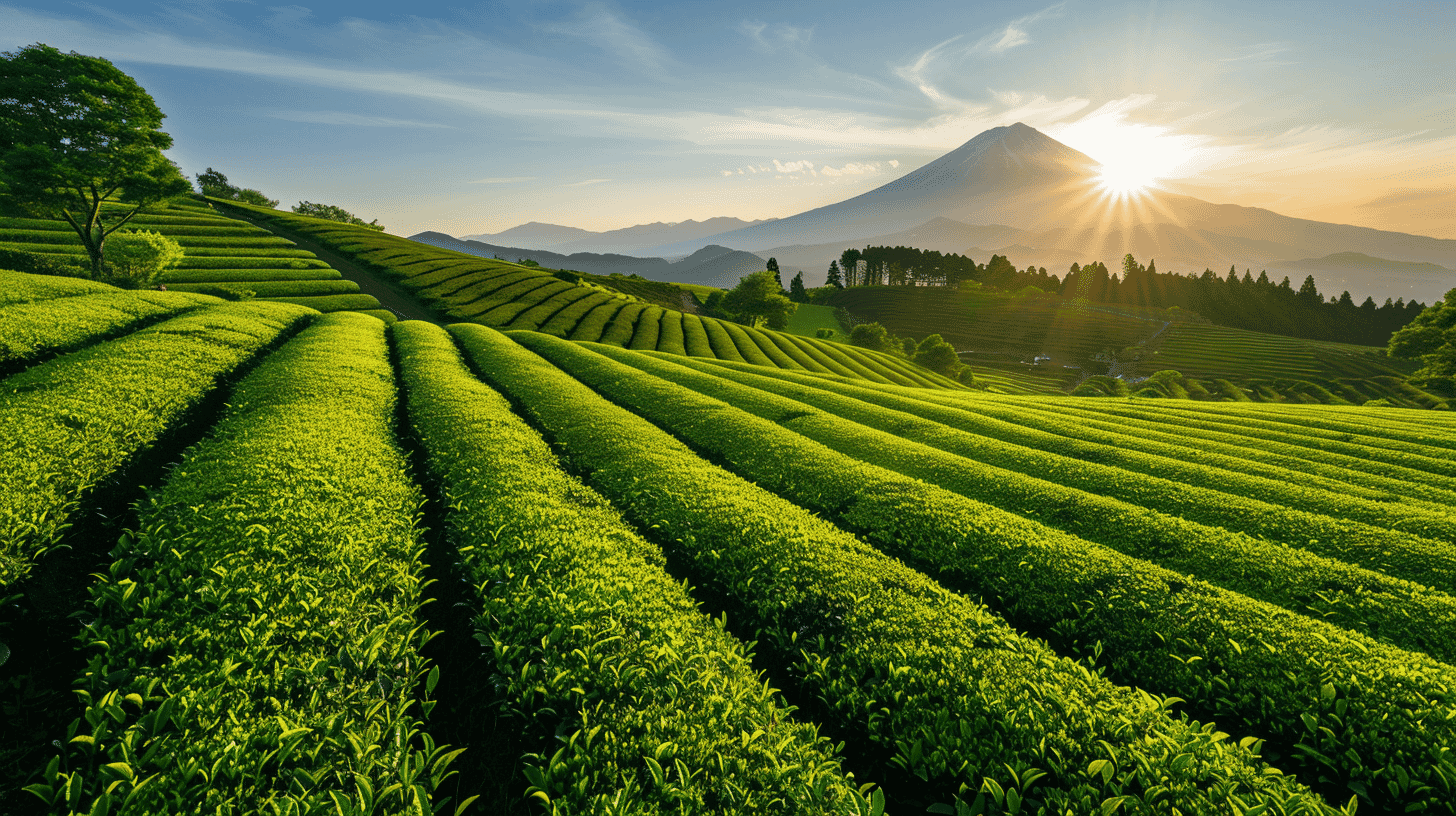
Kunōzan Tōshō-gū, castle ruins, and Fuji pilgrimage routes center Shizuoka's story. Browse treasures with rail/ropeway pointers.
National Treasures
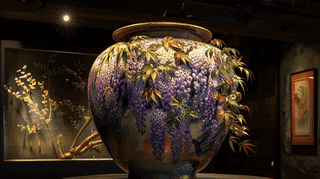
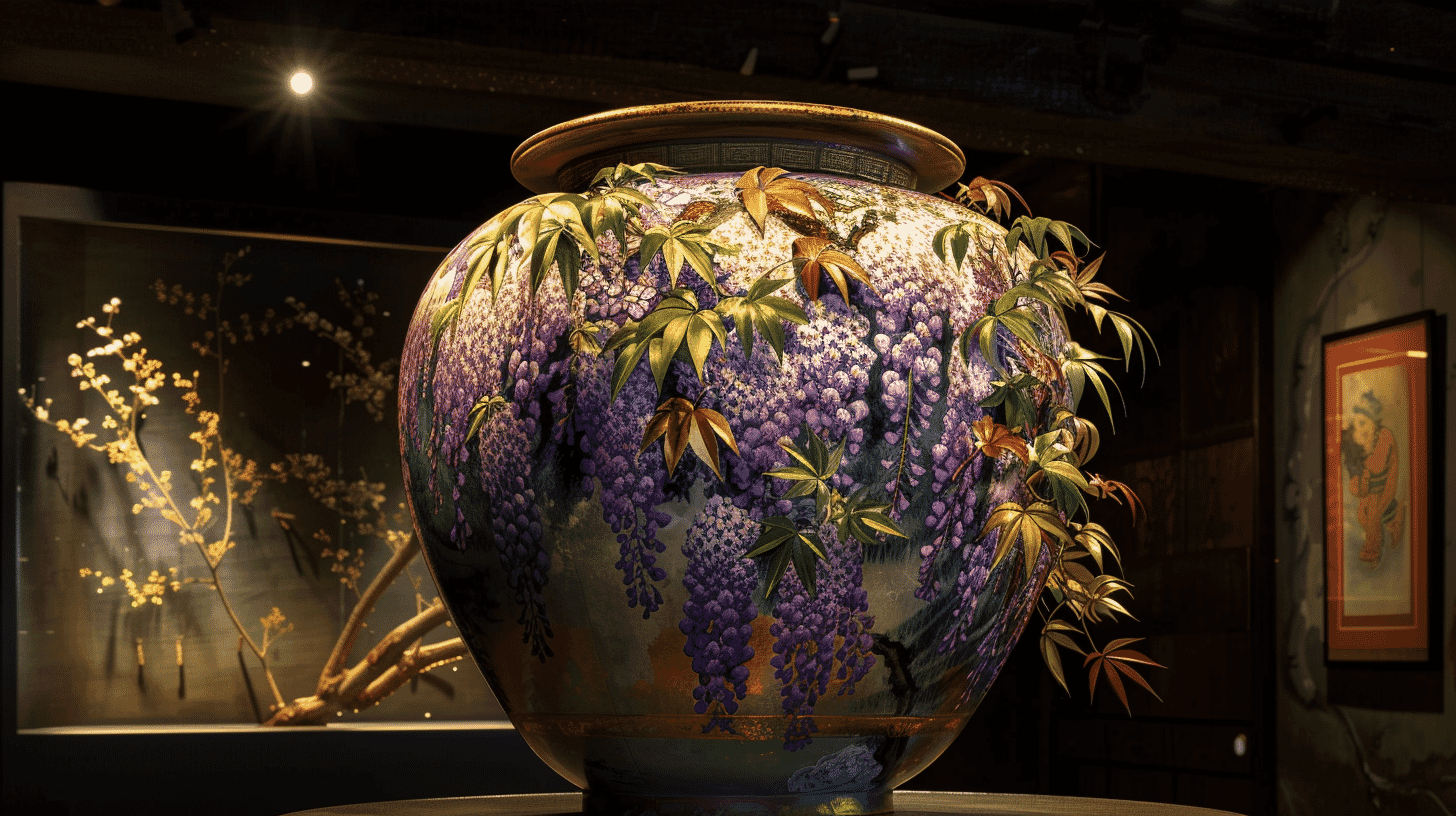
An Edo-period tea jar in Shizuoka Prefecture, its milky glaze painted over with wisteria in five sep...
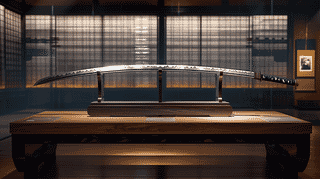
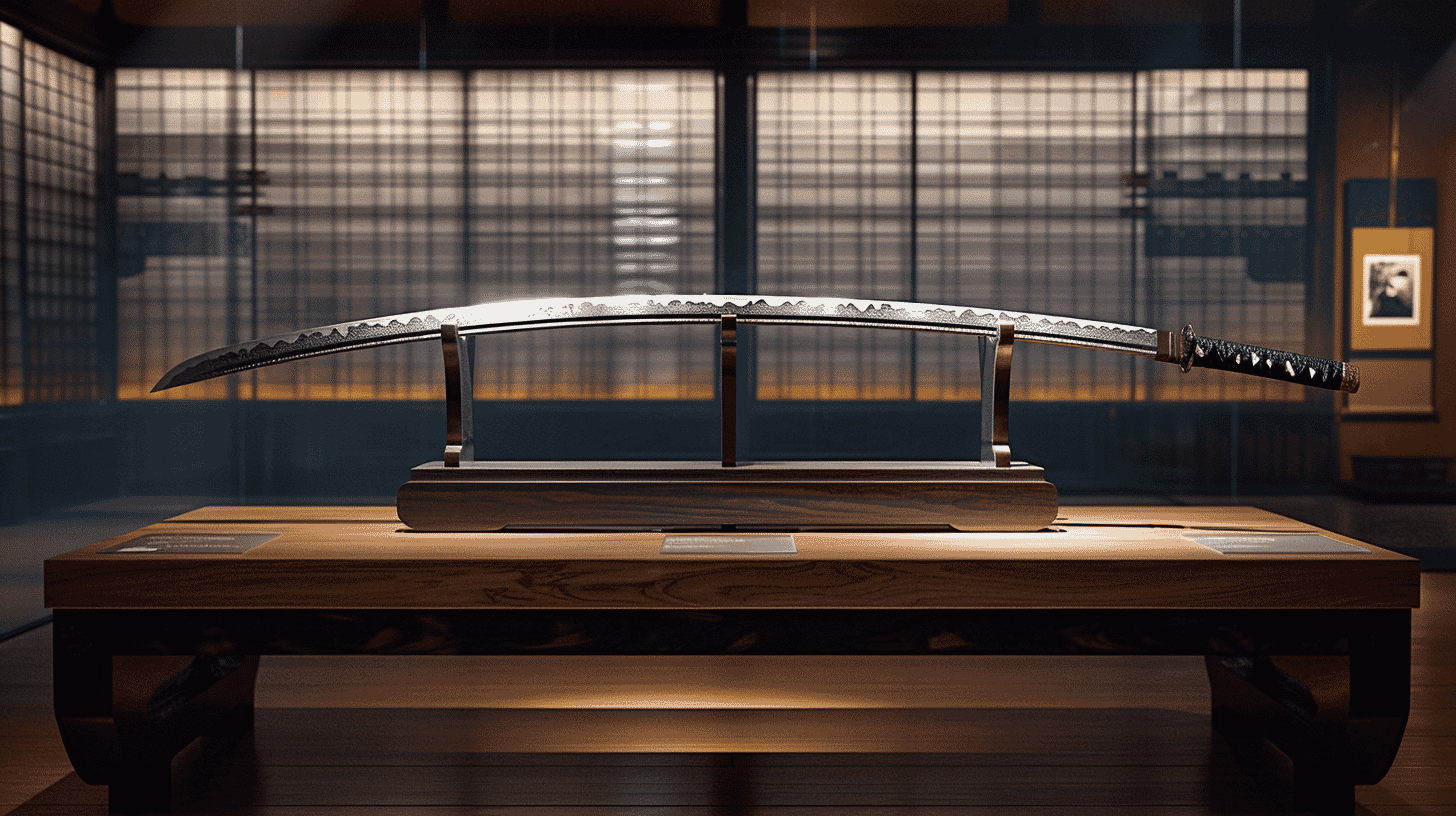
A Kamakura-period naginata in Shizuoka Prefecture. Its tang, hidden away inside the shaft, runs some...

Discover the magnificent Important Cultural Properties of Kunozan Toshogu Shrine in Shizuoka — from ...
A gold lacquer box attributed to Hojo Masako hides a Tang poem in silver and holds Japan's oldest co...
In 749 Emperor Shomu granted silk and rice land to twelve temples. His autograph edict, blanketed in...
A mid-Kamakura Fukuoka Ichimonji masterpiece with a flamboyant clove-pattern hamon, given by Oda Nob...
Important Cultural Properties
Built in 1628 as the main gate of Hodai-in, a Tokugawa mortuary temple in Sunpu, this vermilion gate...
Lit in 1874 on Cape Omaezaki in Shizuoka, this brick tower carried Japan's first rotating first-orde...
Built in 1874 beside the tower at Omaezaki, Shizuoka, this brick house held keepers for 125 years. D...
Kakegawa Castle Goten, rebuilt from 1855 to 1861, is one of just four daimyo palaces left on castle ...
Discover the Former Tōtōmi Province Hōtokusha Public Hall in Kakegawa, Shizuoka — a nationally desig...
Rebuilt in bare zelkova after the 1854 Tokai earthquake and carved by the Izu Ozawa school, the link...
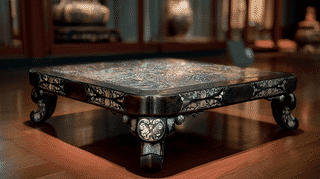
A Kamakura-period dais held at the MOA Museum of Art in Atami, Shizuoka. Its own length and its own ...
Explore the Important Cultural Property clay products excavated from the Akezima Kofun Group in Iwat...
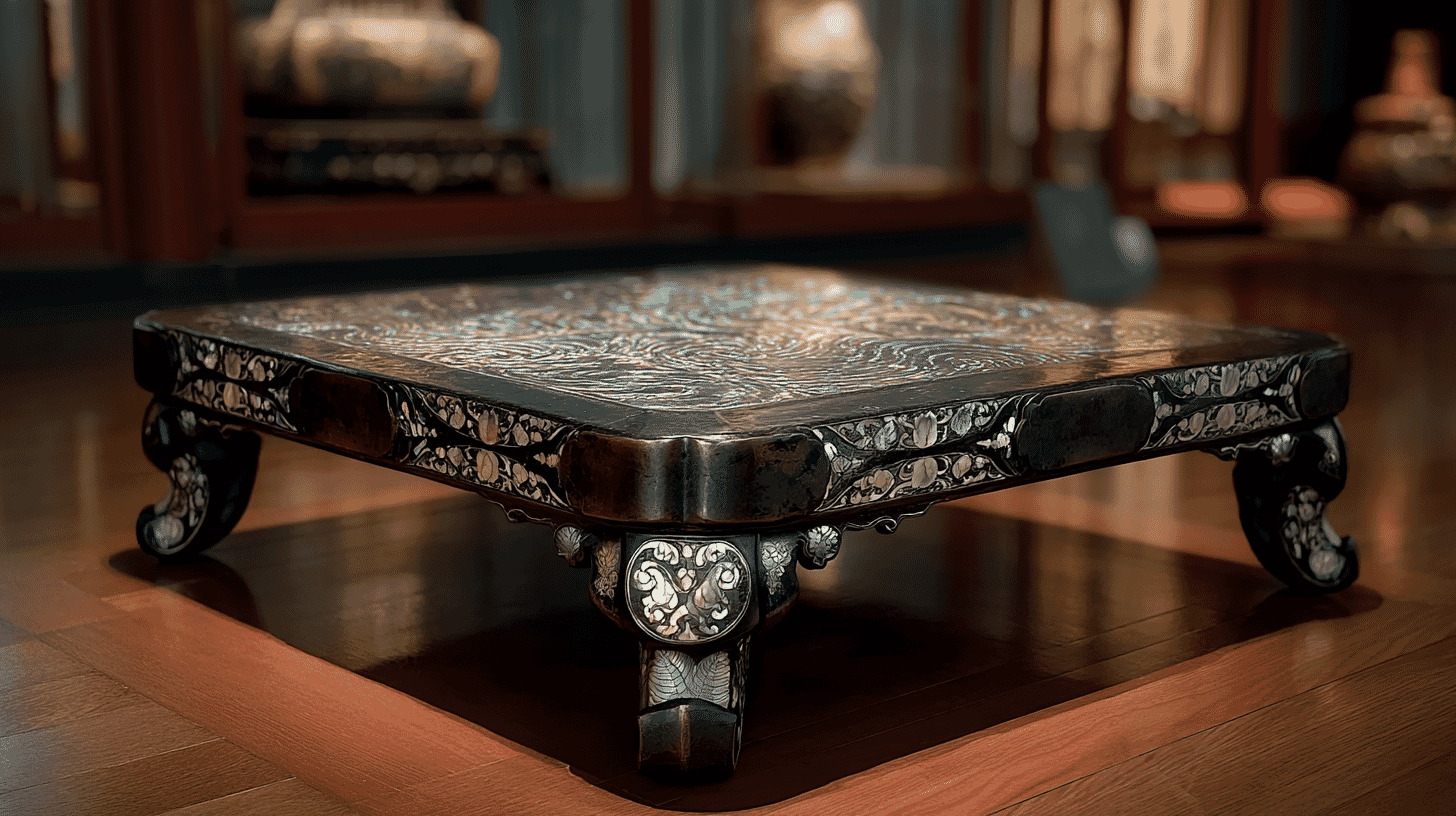
Discover the Cross and Manji Karakusa Mother-of-Pearl Inlay Box, an Important Cultural Property of J...
Held by the Shizuoka Prefectural Museum of Art, this Important Cultural Property is a fragment of an...
Held at Hie Shrine in Numazu, Shizuoka, the Sannō Reigenki is a Kamakura-period illustrated handscro...
Other Heritage
Discover Ryotanji Temple Garden in Hamamatsu, a nationally designated Place of Scenic Beauty attribu...
Built in 1933 for banker Ishii Kengo, the Tozanso Main Building in Atami is a two-story villa with s...
Above Yaizu, thirty-odd households line a valley road at Hanazawa. Stone-terraced plots and farm bui...
At 17 square meters, the Tozanso Storage Shed in Atami is the smallest of the villa's seven register...
Completed in 1915 to enshrine an Amida once owned by Emperor Kokaku, this earthen-walled hall in Shi...
Once the Meiji Emperor’s chamber at the Iida honjin of Arai-juku, this shoin moved to Hōkō-ji in 188...
About Shizuoka
As Mount Fuji component assets, Asama shrine groups including Fujisan Hongū Sengen Taisha, Yamayа Sengen Shrine, Murayama Sengen Shrine, Suyama Sengen Shrine, Fuji Sengen Shrine, and Kawaguchi Sengen Shrine are registered as World Heritage. Particularly, Fujisan Hongū Sengen Taisha serves as head shrine of approximately 1,300 nationwide Sengen shrines, holding important significance as Mount Fuji worship center.
Miho no Matsubara also represents Mount Fuji World Heritage component asset, coastline with approximately 30,000 pines growing across about 7 kilometers. Particularly, Mount Fuji views from Hagoromo no Matsu are known as spectacular scenery, also famous as Noh play "Hagoromo" setting. Mount Fuji views across Suruga Bay represent one of Japan's signature landscapes.
Nirayama Reverberatory Furnaces in Izunokuni City represent late Edo period industrial heritage, registered as World Cultural Heritage "Sites of Japan's Meiji Industrial Revolution" in 2015. This reverberatory furnace completed in 1857 was built for cannon casting, serving as important facility marking Japan's modernization starting point.
Atami Onsen, famous hot springs known since ancient times, has history of visits by Minamoto Yoritomo and Tokugawa Ieyasu for therapeutic bathing. Many hot spring ryokan and hotels continue today, with excellent access about 45 minutes from Tokyo by shinkansen attracting numerous tourists. Atami Plum Garden, famous for Japan's earliest-blooming plums, offers beautiful plum blossoms from January through March.
Izu Peninsula, popular tourist destination for hot springs and natural scenery, features famous hot springs including Shuzenji Onsen, Izu-Nagaoka Onsen, Ito Onsen, and Shimoda Onsen. Additionally, Izu coastlines feature beautiful rias coastlines with scenic spots including Jogasaki Coast, Shirahama Coast, and Yumigahama. Kawazu cherry blossoms, famous for early blooming, host cherry festivals from February through March.
Shizuoka Prefecture leads Japan in tea production, comprising about 40% national share. Particularly, tea-producing regions including Makinohara Plateau, Kawane, and Honzan are known for quality, with deep-steamed tea techniques developed in Shizuoka Prefecture. Beautiful tea plantation landscapes also attract Shizuoka, particularly Shimada City Kanaya district known as "tea character village," where giant "tea" characters drawn in tea fields can be viewed.
Eel cultivation also thrives, with Lake Hamana surroundings ranking among premier national eel production areas. Hamamatsu City eel kabayaki features intermediate cooking methods between Kanto and Kansai styles with distinctive flavors, with numerous eel shops welcoming tourists.
Citrus production also represents important Shizuoka agriculture, particularly Izu Peninsula and Shizuoka City area satsuma mandarins featuring high quality shipped nationwide. Additionally, wasabi production leads Japan, with real wasabi grown in Izu Peninsula clear streams offering exceptional aroma and pungency.
Shizuoka oden represents Shizuoka Prefecture's signature B-grade gourmet, characteristically featuring black broth with green laver topping. Often sold at candy stalls, beloved as prefectural soul food.
Browse by Type
Designation categories represented in the prefecture, with counts.
Twelve-Stage Bugaku Dance at Amamiya Shrine · New Home Eighth Day Event · Water Celebration in Izu and Suruga
The Large Camphor Tree at Azusawake Shrine · Arai Barrier Site · Ikonabi Meijin Shrine's Camphor Tree Habitat
Hanazawa, Yaizu City
Bon Dance of Utogi · Oe Hachiman Shrine's Boat Ceremony · Totomi's Chickbird and Okunai
Tokkoku Pass (Higaneyama) · Obishoen
Abekawa Bridge · Arai Ryokan Ayame Building · Arai Ryokan Kasumi Building
Puppet Show Equipment from Higashikoura
Shizuoka in Periods
Periods represented by designated properties in the prefecture.