
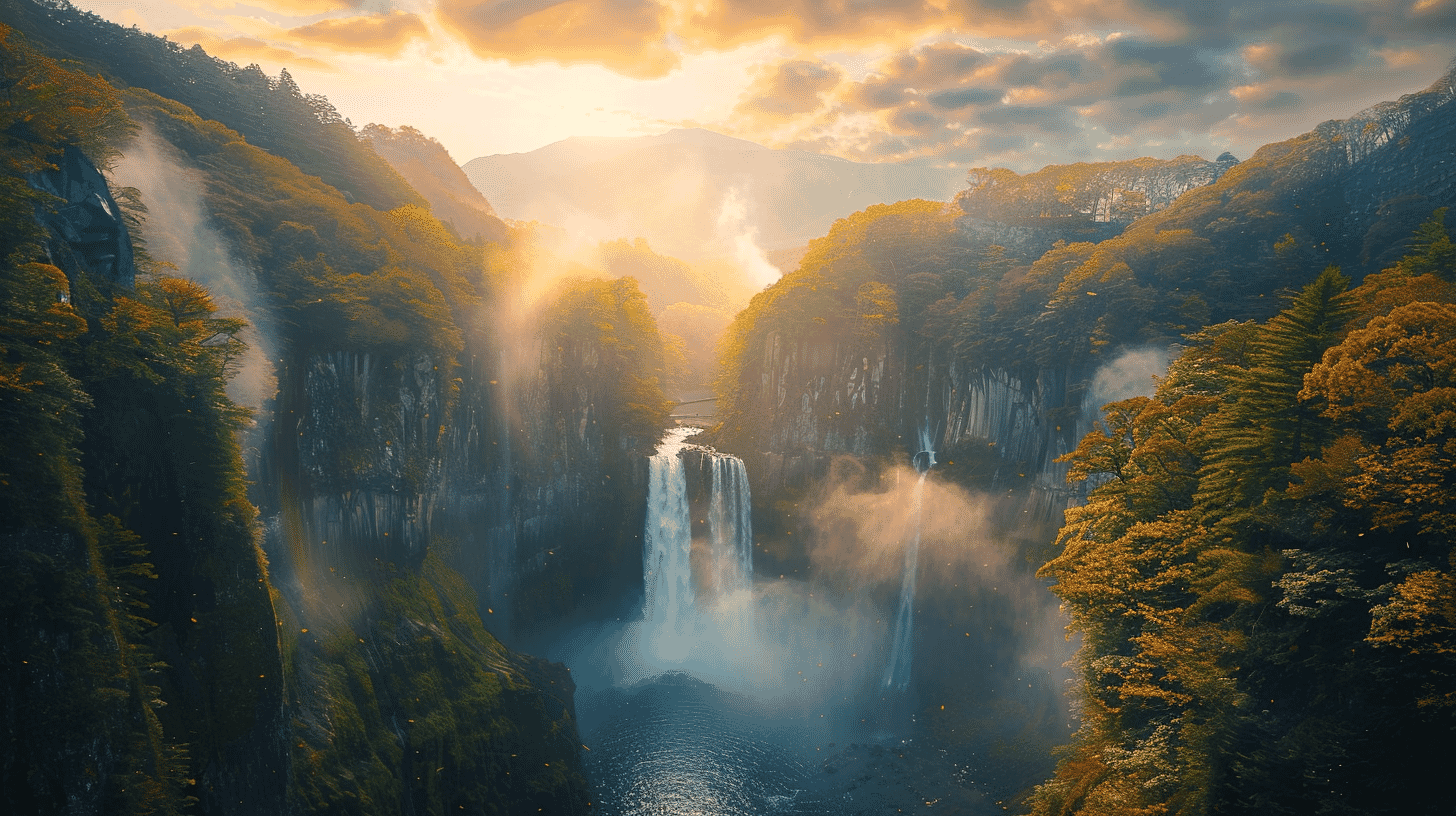
Nikkō's lavish shrines and serene temples headline Tochigi. Explore National Treasures, carvings, and landscape routes for first-time visitors.
National Treasures
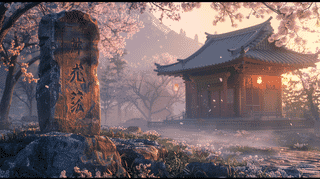
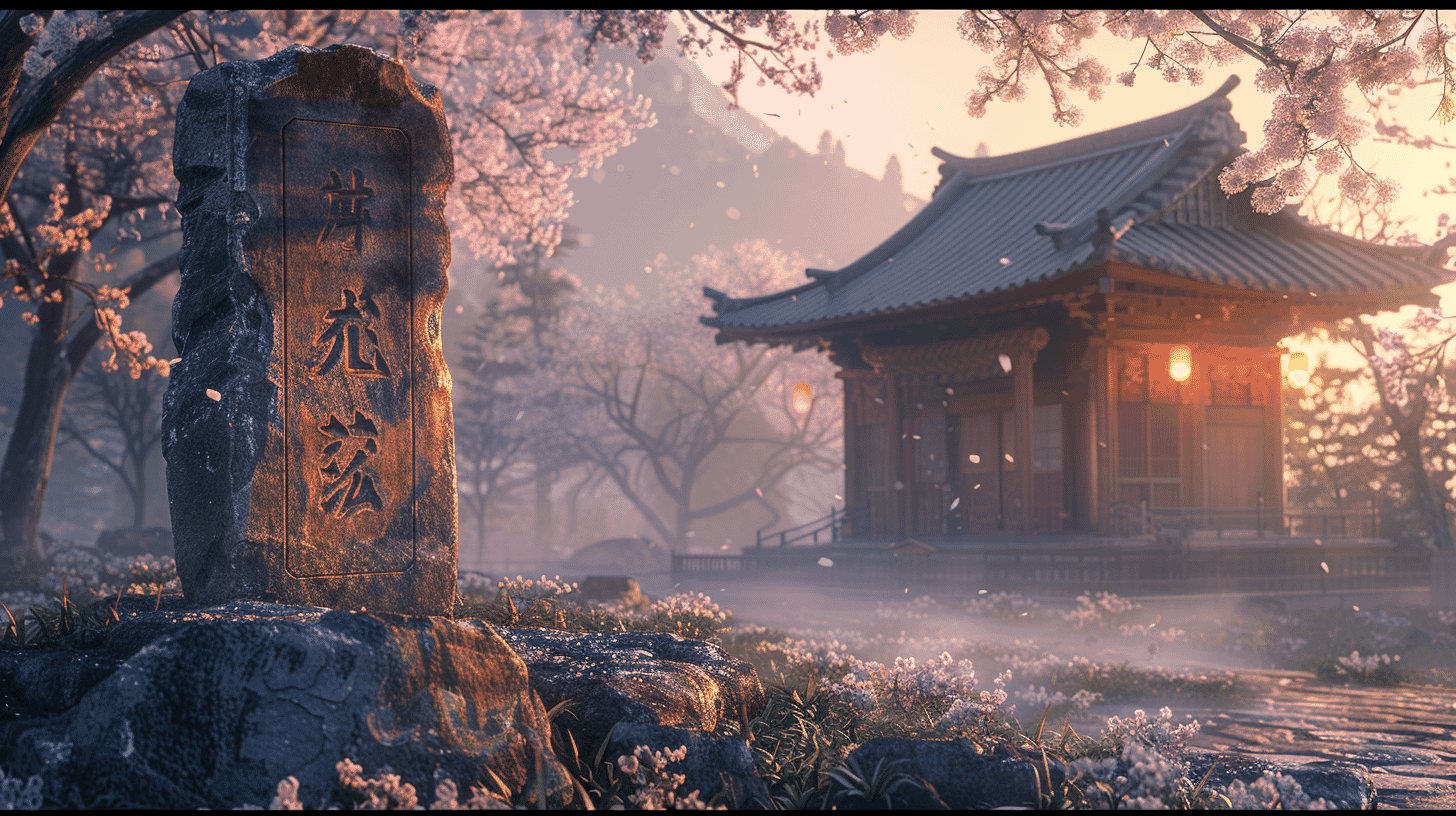
A stele owned by Kasaishi Shrine in Tochigi Prefecture. The era name that its own inscription carrie...

Rebuilt in 1299 after a lightning fire, Bannaji Hondō in Ashikaga keeps an esoteric plan under Zen-s...
The Taiyuin Mausoleum at Rinnoji Temple in Nikko, Tochigi Prefecture, is the final resting place of ...
World Heritage Sites
Important Cultural Properties
The Former Aoki Family Nasu Villa in Nasushiobara, Tochigi Prefecture, is a German-style Western res...
Discover the Important Cultural Property front gate of Entsuji Temple in Mashiko, Tochigi — a bold M...
Ōsaki Shrine in Moka City, Tochigi Prefecture, is a venerable Engishiki-listed shrine with over 1,50...
The Former Nikko Tamozawa Imperial Villa in Nikko, Tochigi, listed in 2003, links ten buildings and ...
Built in 1537 at Mashiko in Tochigi, this pagoda changes style at every storey, Japanese below and C...
Inside the main hall at Mashiko in Tochigi stands a black-lacquered miniature shrine inscribed 1394,...
The three Kondōsō Mikoshi (Gilt Bronze-Decorated Portable Shrines) preserved at the Treasure House o...
Discover the Sankozuka-ken at Nikko Futarasan Shrine, an Important Cultural Property pairing a Heian...
The Wooden Seated Statue of Dainichi Nyorai with Zushi Cabinet at Kōtokuji Temple in Ashikaga, Tochi...
Hidden in a natural stone cavern in Utsunomiya City, Tochigi, the Ōya Magaibutsu is a remarkable gro...
The Awaji no Kuni Ōtabumi is an original land register of Awaji Province created in April 1223, shor...
Other Heritage
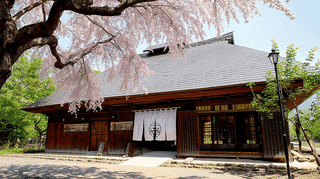
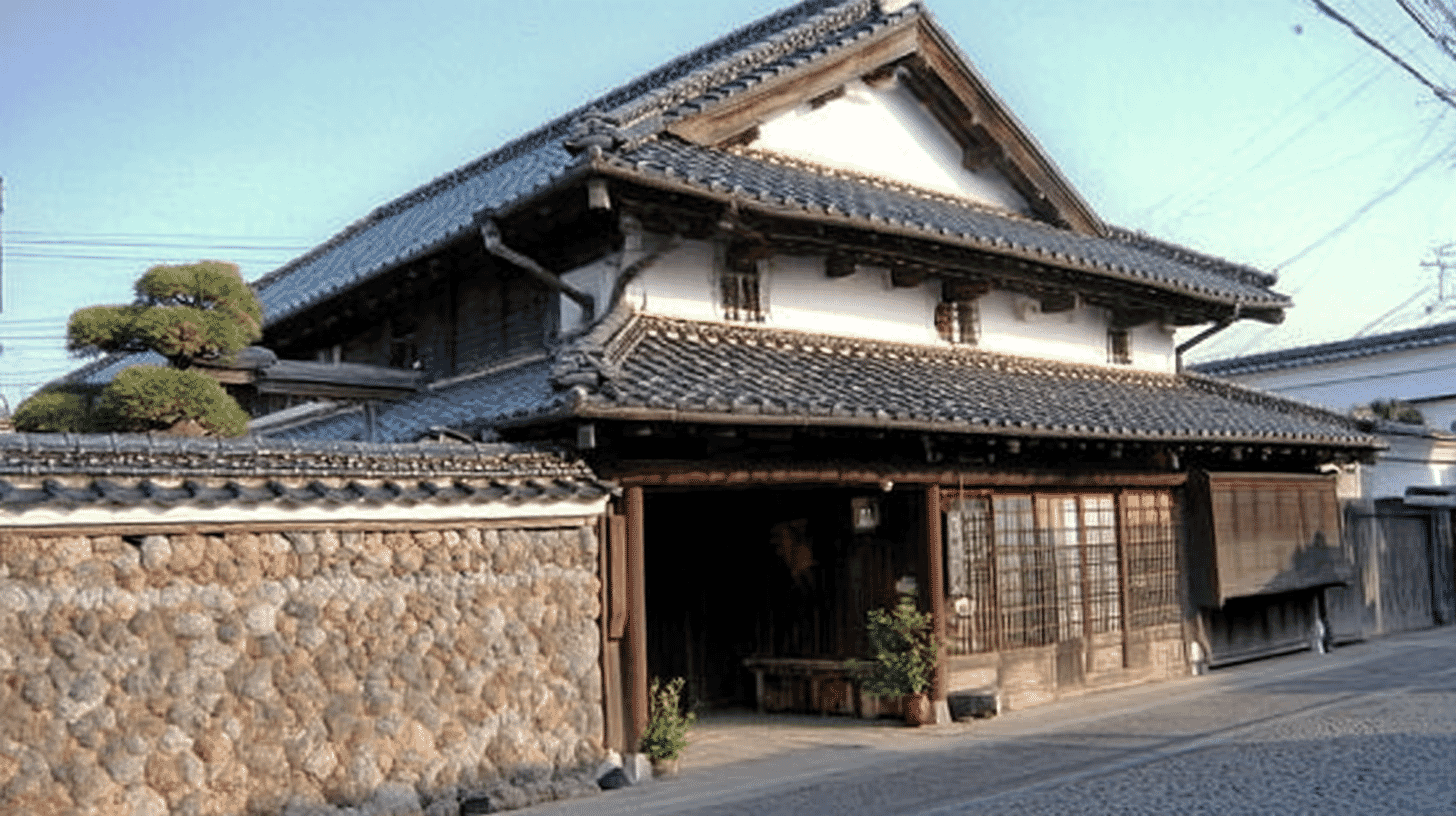
Visit the Former Yamanaka Family Residence (Yoakemae), a Nationally Registered Tangible Cultural Pro...
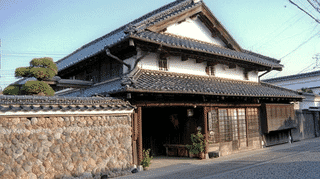
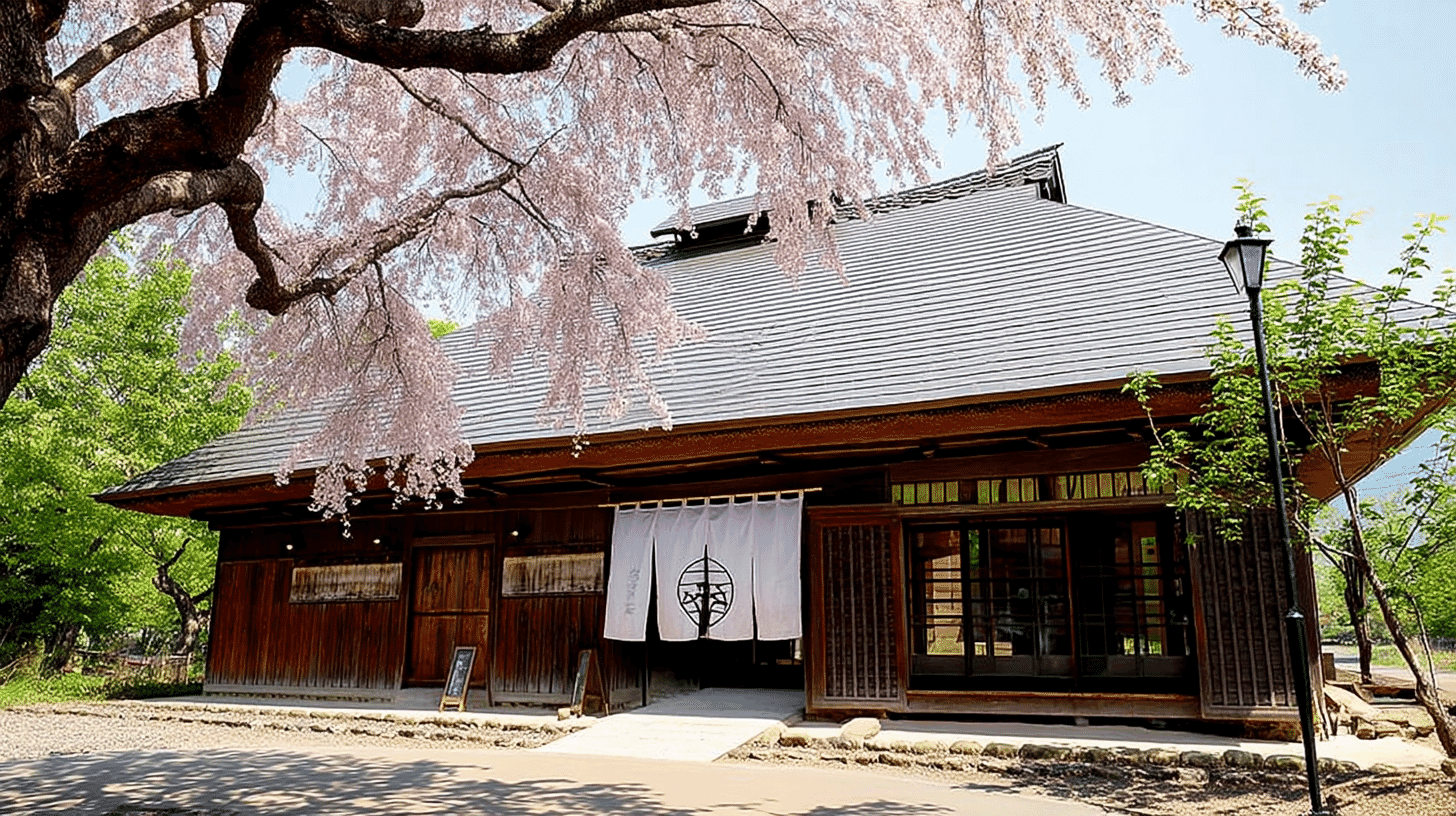
Discover Yuden Miso Higashigura, a registered tangible cultural property in Tochigi City. Experience...
A two-story dozo built in 1908 behind the Iizuka main house, this storehouse was plastered even over...
From the late Edo period, the Iizuka main residence front gate is the compound's oldest structure. T...
The courtyard gate of the Iizuka new residence, built around 1908, links storehouse and main house, ...
Built around 1907, the back gate of the Iizuka new residence is timber with a pantile gabled roof. T...
About Tochigi
"Shrines and Temples of Nikko" (registered 1999) encompasses 103 buildings of Nikko Toshogu Shrine, Nikko Futarasan Shrine, and Nikko Rinnoji Temple as World Cultural Heritage. Particularly important is Nikko Toshogu Shrine, a mausoleum deifying and enshrining Tokugawa Ieyasu.
Nikko Toshogu's Yomeimon Gate, also called "Higurashi Gate," earned this name because its beauty captivates viewers all day without boredom. The gate features 508 carvings, famous for the "see no evil, speak no evil, hear no evil" three monkeys attributed to Hidari Jingoro. The gongen-zukuri architecture integrating main hall, stone chamber, and worship hall represents a masterpiece collecting early Edo period decorative art essence.
Rinnoji Taiyuin, Tokugawa Iemitsu's (Taiyuin-den) mausoleum, features gorgeous decorations rivaling Toshogu. The karamon gate decorated with 315 dragon carvings demonstrates Edo period sculpture technique pinnacles. Main hall, connecting chamber, and worship hall designated as national treasures feature spectacular interior decorations with gold leaf and lacquer.
Kegon Falls, cascading from Lake Chuzenji, boasts magnificent 97-meter height. This representative Oku-Nikko scenic spot attracts many tourists, particularly during autumn foliage season. Elevator access to observation platform provides close-up waterfall power experiences.
Lake Chuzenji, positioned at 1,269 meters elevation, is a dammed lake formed by Mount Nantai eruptions. This beautiful approximately 25-kilometer circumference lake offers popular cruise boat tours. Lakeside Chuzenji Onsen welcomes tourists year-round.
Nasu Kogen, highland resort spreading across Mount Nasu's southern foothills, covers vast areas from 200 to 1,000 meters elevation. Known for Nasu Imperial Villa, it features diverse facilities including ranches, museums, and outlet malls. Theme parks like Nasu Safari Park and Nasu Highland Park are also popular.
Mashiko town, famous for Mashiko pottery, hosts ceramic markets in spring and autumn attracting nationwide visitors. Producing Living National Treasures including Hamada Shoji, it served as mingei (folk art) movement center. Many kilns continue operating, preserving traditional techniques while creating contemporary works.
Tochigi's food culture centers on yuba (tofu skin), most famously known as Nikko specialty. Yuba rich in soybean nutrition developed as important shojin ryori (Buddhist vegetarian cuisine) ingredient, with diverse yuba dishes still enjoyed. Utsunomiya gyoza leads Japan in per-capita consumption, with many specialized gyoza restaurants citywide.
Tochiotome, Tochigi-developed strawberry variety featuring well-balanced sweetness and acidity, enjoys nationwide popularity. Kanpyo production comprises over 95% of national share, representing traditional ingredients of thinly shaved and dried bottle gourd.
Browse by Type
Designation categories represented in the prefecture, with counts.
Crying Sumo at Ikuko Shrine · Waterwheel Customs in Shimotsuke · Tennenbutsu in Tochikubo
Ashio Copper Mine Ruins / Tsudo Pit / Utsuno Gunpowder · Ashikaga School Site (including the Shrine and Ancillary · Former Residence of the Ashikaga Clan (Hannaji Temple)
Kaemoncho, Tochigi City
Kanuma Imamiya Shrine Festival Float Event · Karasuyama Mountain Climbing Event · Kawamata Coming of Age Ceremony
Utsunomiya University Garden · Gankaen · Shindo Family Garden
Ashio Christian Church · Ashio Copper Mine Telephone Museum (former Ashio Copper Mine Telephone Exchange) · Ashikaga Bank Kurobane Branch (formerly Kurobane Bank)
Tochigi in Periods
Periods represented by designated properties in the prefecture.