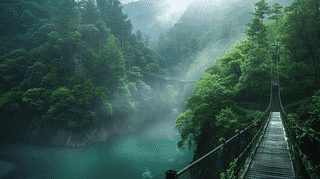
Awa Odori culture, vine-bridge valleys, and mountain temples shape Tokushima. Browse properties with practical access across Shikoku.
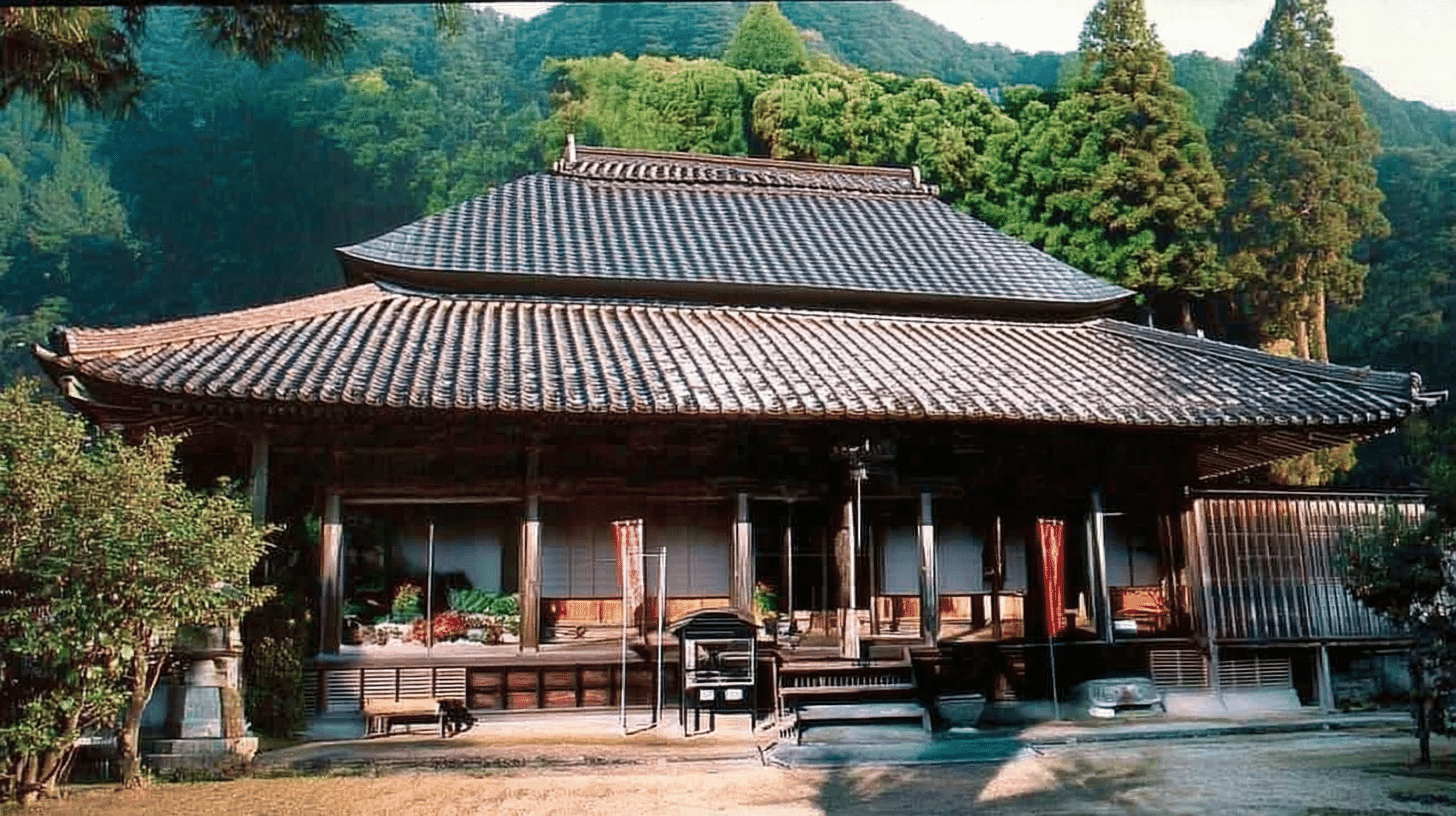
Important Cultural Properties

A 1710 farmhouse above the upper Akui River in Kamiyama Town, dated by its ridgepole tablet and desi...
Built in 1630 opposite the thirteenth Shikoku pilgrimage temple, this three-bay shrine hall layers a...
Discover the Main Hall of Ushihiko Shrine in Naruto, Tokushima — an Important Cultural Property buil...
Standing halfway up Mt. Kirihata in Awa City, Tokushima, the Kirihataji Daitō is a National Importan...
Jōrokuji Kannon-dō is an elegant two-tiered Buddhist hall in Tokushima City, rebuilt in 1648 and des...
Jōroku-ji's two-storied Sanmon, raised in the late Muromachi period, is the oldest surviving buildin...
Discover 922 Important Cultural Properties excavated from the Kannon-ji and Shikiji sites in Tokushi...
Other Heritage
Discover Manpuku-ji Main Hall, a Registered Tangible Cultural Property in Naka Town, Tokushima. This...
A rare purpose-built puppet playhouse on a Tokushima high-school campus, built in 1965 with a two-ti...
Rebuilt in 1833, Tofukuji Main Hall in Tsurugi Town, Tokushima, puts a Shingon worship hall and the ...
The Kakimoto Family Barrack in Naruto City, Tokushima Prefecture, is a National Registered Tangible ...
Tucked into a hillside in Tsurugi-chō, Tokushima Prefecture, Kaize-dō is the 34th station of the Hab...
Completed in 1926, this is the only round building of the Sako plant's three registered structures, ...
About Tokushima
Naruto whirlpools represent world's largest whirlpool phenomena occurring in Naruto Strait, with tidal differences creating giant whirlpools up to 30 meters diameter. Spring tides offer particularly spectacular whirlpool viewing from sightseeing boats or Naruto Bridge walkway "Uzu-no-michi" aerial walks. Spring and autumn represent best viewing seasons.
Awa Odori represents Tokushima Prefecture's signature traditional performing art, with annual August 12-15 Awa Odori Festival in Tokushima City gaining nationwide fame. Known for chant "Dancing fools and watching fools, same fools should dance rather than lose," it features various styles including men's, women's, and children's dancing. This 400-year-old festival attracts approximately 1.3 million annual tourists.
Sudachi represents Tokushima Prefecture's signature specialty comprising approximately 98% national production. Despite small 3-4cm diameter fruits, they feature refreshing acidity and distinctive aroma, widely used as condiments for grilled fish, sashimi, and udon.
Naruto Kintoki represents brand sweet potatoes cultivated in Naruto City, grown in sandy soil containing sea minerals creating exceptionally sweet, elegant flavors. Beautiful red skin and golden flesh with chestnut-like fluffy texture earn nickname "natural sweets".
Takechikuwa represents Tokushima's traditional specialty featuring white fish paste wrapped around bamboo and grilled. Historical legends suggest Minamoto no Yoshitsune requested this during Genpei War, offering unique bamboo-transferred flavors. Proper eating style involves boldly biting while holding bamboo.
Awa Henro-do represents important component of "Shikoku Pilgrimage," with portions designated as national historic sites in 2010. Approximately 16km pilgrimage routes including Kakurinji-michi, Tairyuji-michi, and Iwaya-michi plus seven temple sites continue World Heritage registration efforts.
Wasanbon represents Tokushima's traditional sugar made from sugar cane. Characterized by refined sweetness melting smoothly in mouth, treasured for tea ceremony confections and luxury wagashi ingredients. Osaroku represents Tokushima's signature confection using wasanbon.
Browse by Type
Designation categories represented in the prefecture, with counts.
Awa's Thick Cloth Spinning and Weaving Customs · Customs of Tsujido in Awa · Awa Puppet Theater
Enoki Mushrooms at Akabane Daishi · Awa Kokubunji Garden · Awa Kokubunji Temple Ruins
Wakimachi Minamimachi, Mima City · Ochiai, Higashiiyayama Village, Miyoshi City · Dewajima, Mugi Town
Kashihara Rice Terraces and Rural Landscape
Awa Puppet Theatre · Awa Thick Cloth Manufacturing Techniques · Awa Bancha Manufacturing Techniques
Nankai Earthquake Tokushima Prefecture Earthquake Tsunami · Fujikawa Valley
Aoki Family Residence Main House · Aoki Family Residential Warehouse · Aoki Family Storehouse (1)
Awa Doll Door-to-Door Performance Equipment
Tokushima in Periods
Periods represented by designated properties in the prefecture.