
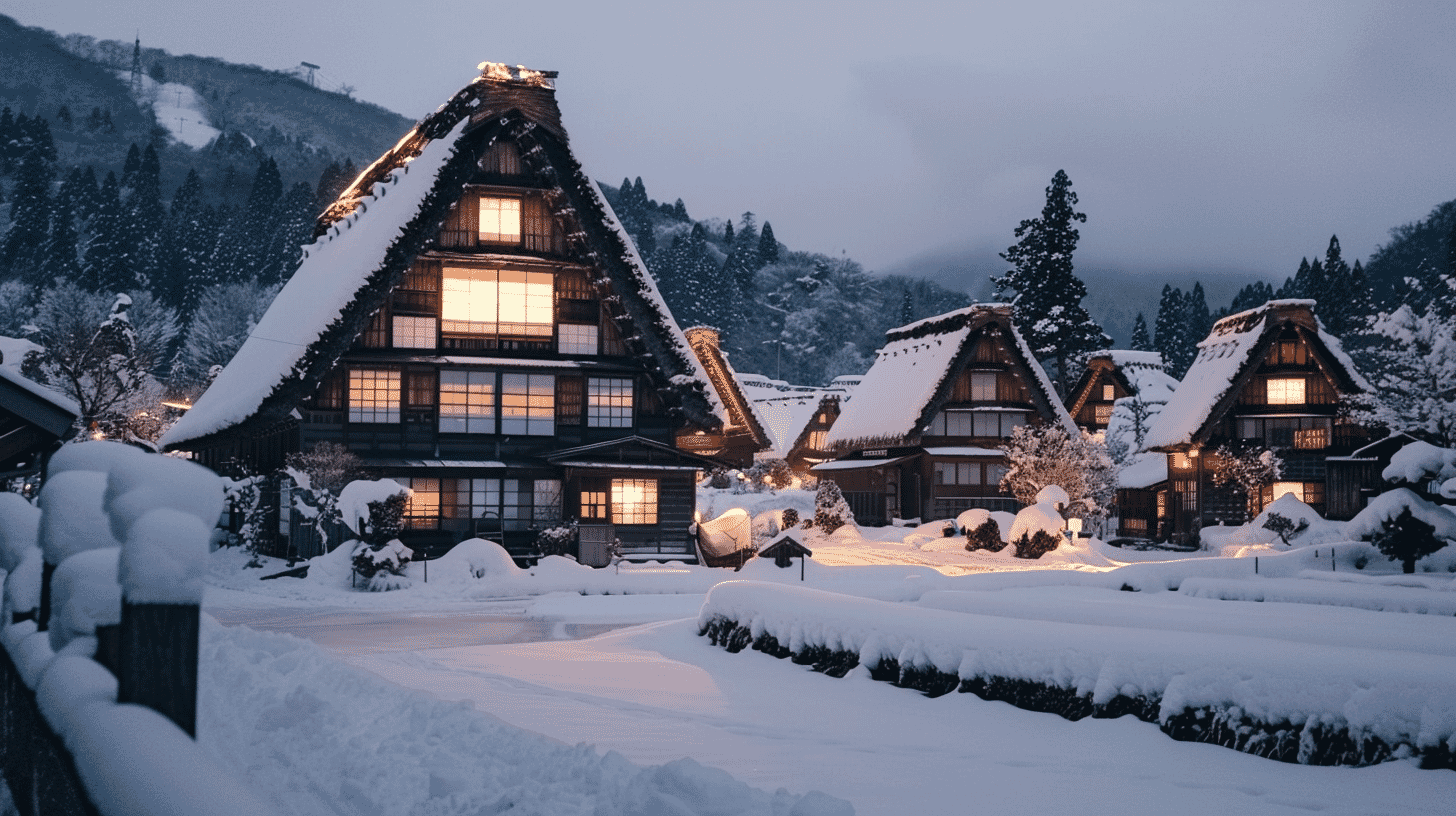
Shirakawa-go's thatched houses and Hida carpentry define Gifu's heritage. Explore cultural properties with tips for alpine access.
National Treasures
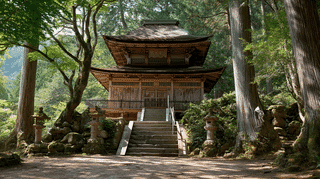
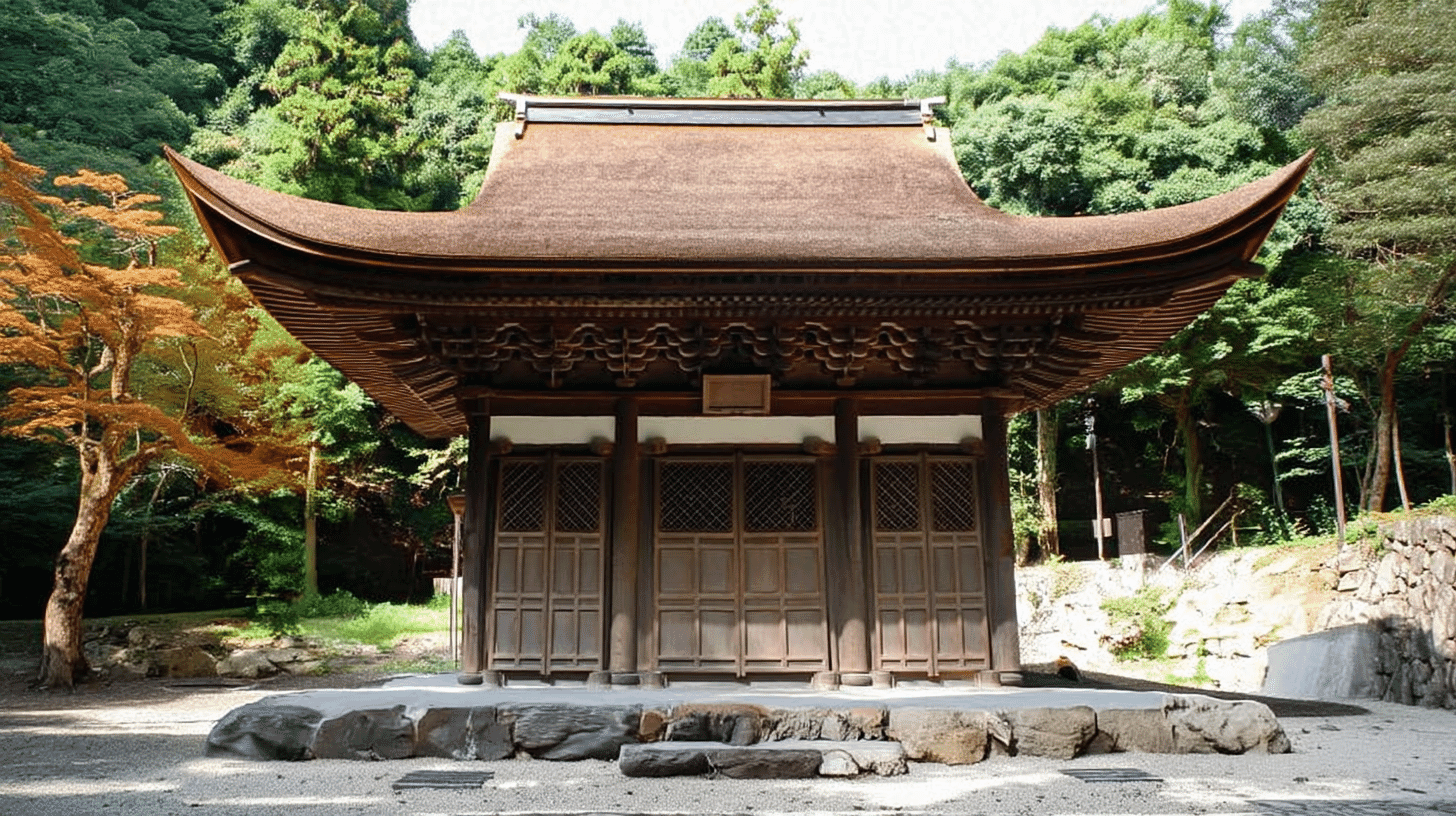
A sutra repository of 1408 at Ankokuji in Takayama, Gifu. Inside it stands an octagonal cabinet for ...
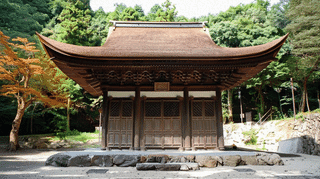
A founder's hall at Eihoji in Tajimi, Gifu, joining an outer and an inner chamber through a linking ...
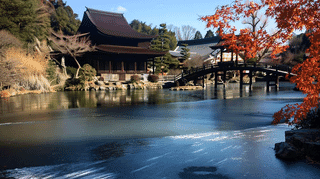
A middle-sized Zen Buddha hall at Eihoji in Tajimi, Gifu, three bays square. It simplifies the Zen m...
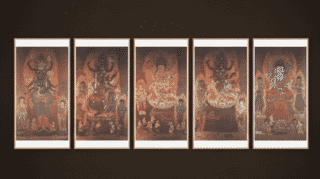
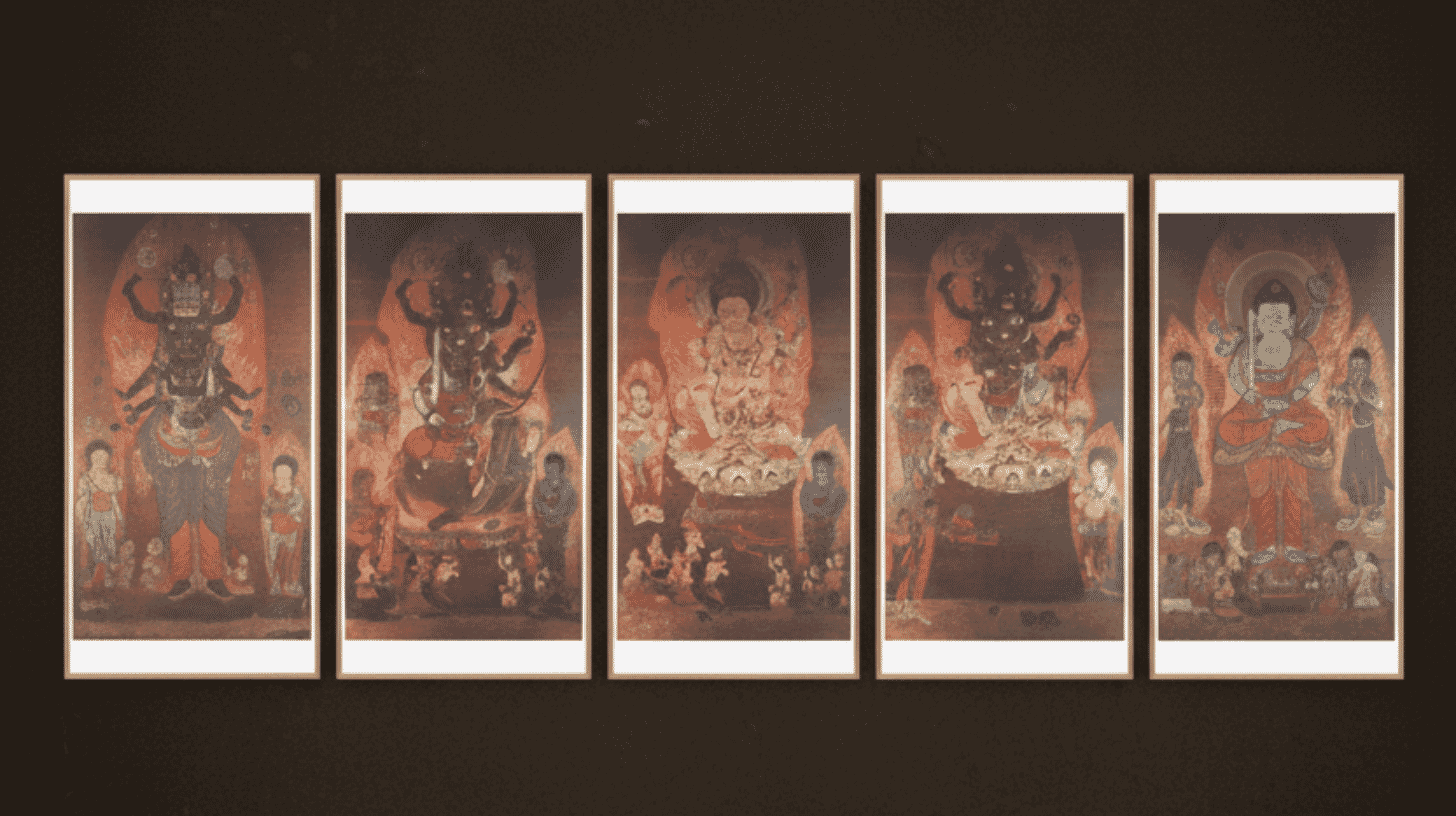
Five Heian scrolls at Kishinji in Ono, Gifu. Only three complete sets survive from before the Kamaku...

Discover the Gilt Bronze Lion and Arabesque Pattern Bowl (Kondō Shishi Karakusa Mon Hachi), a Nara-p...
Discover the National Treasure tachi signed by Yasutsugu, a masterwork of the Ko-Aoe swordsmithing s...
Important Cultural Properties
Designated an Important Cultural Property in 1961, Atayuta Shrine Main Hall in Takayama stands insid...
The storehouse of the Arakawa Family Residence in Takayama was built in 1747, forty-nine years befor...
Araki Shrine Main Hall in Takayama dates to 1390. Its three-bay nagare-zukuri form, cypress shingles...
Completed in 1886, the Former Ibigawa Railway Bridge spans 325.1 metres on five wrought-iron trusses...
Built in 1296, the two-storey gate of Enkyoji in Kitagata is pure wayo carpentry and among the oldes...
Rebuilt in 1581 by the Hida warlord Mitsuki Yoritsuna, this Important Cultural Property in Gero, Gif...
Discovered on the floor of Pit Dwelling No. 1 at the Nukatsuka Site in Katano-machi, Takayama, this ...
Standing in the precincts of Nagataki Hakusan Shrine in Gujō, Gifu Prefecture, this hexagonal stone ...
Discover the Important Cultural Property ceramics excavated from the Motoyashiki kiln site in Toki C...
Preserved at Entoku-ji Temple in Gifu City, the Rakuichi-Rakuza Seisatsu is a set of four original w...
Discover a life-sized early Kamakura-period bronze statue of Akasagarbha Bodhisattva — a nationally ...
A pair of stone komainu at Hiyoshi Shrine in Gōdo, Gifu, designated an Important Cultural Property o...
Other Heritage
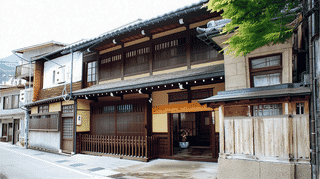
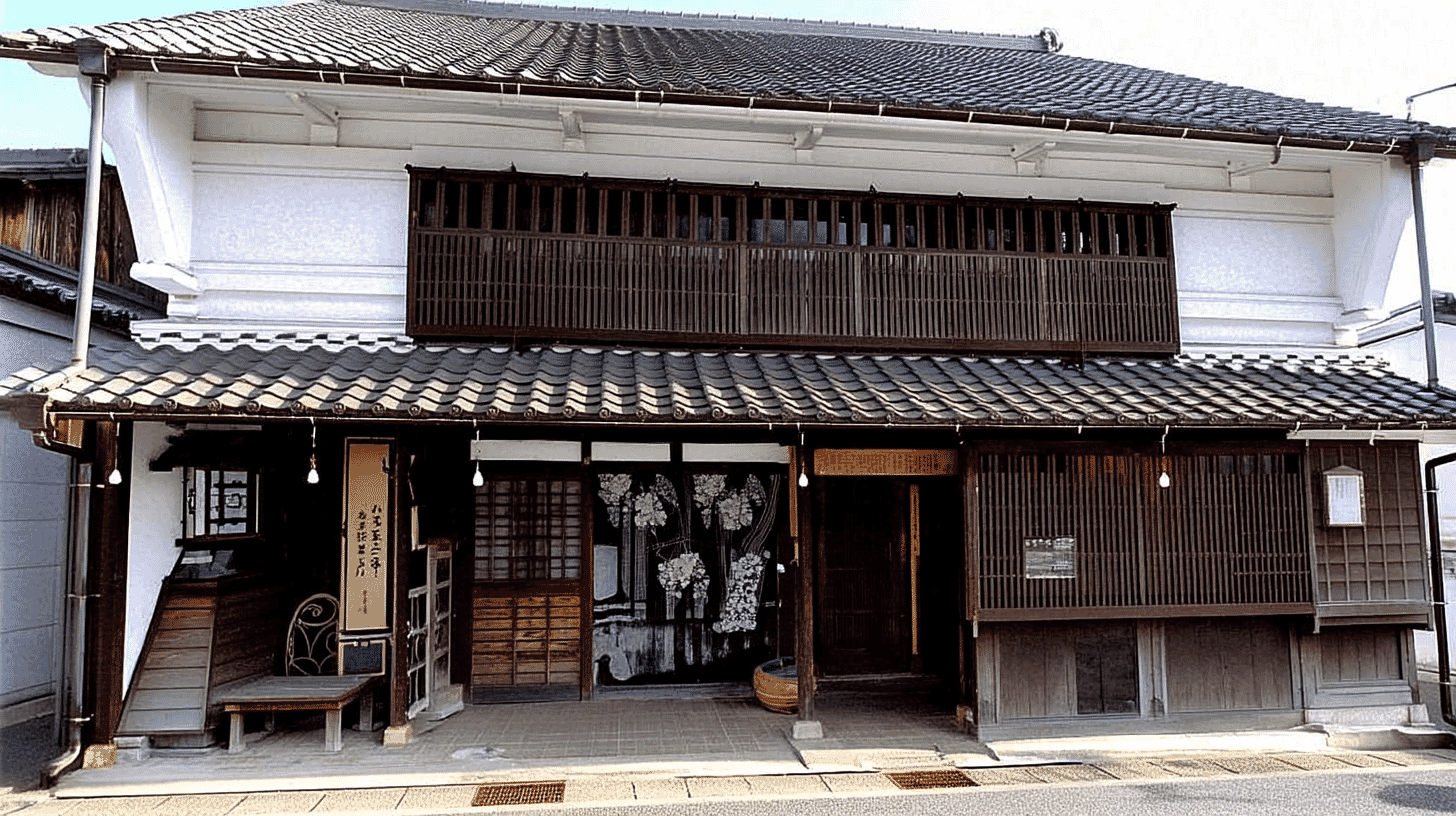
A shop and dwelling in Kamioka, Hida, Gifu, 270 square metres. Its townhouse front carries a Western...
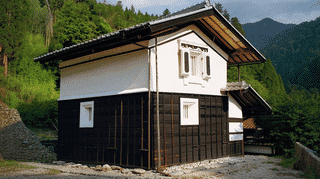
An earth-walled storehouse of 1892 in Gero, Gifu, just 21 square metres. A single line of black plas...
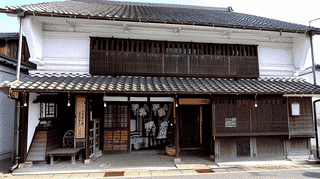
A former lodging house at the Ota post station on the Nakasendo in Minokamo, Gifu. Plastered to the ...
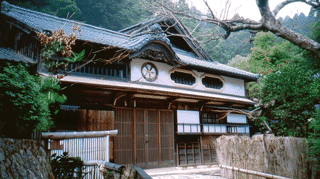
A single-storey timber house at the Okute post station in Mizunami, Gifu. A quatrefoil window sits i...
Performed every September at Kanomizu Hakusan Shrine in the mountains of Gujo City, Gifu, Kanomizu n...
A 1.2-meter Flemish-bond brick fence with five buttresses, raised in 1910 around Japan's first Nagar...
About Gifu
Shirakawa-go within "Historic Villages of Shirakawa-go and Gokayama" (registered 1995) represents the world's largest gassho-zukuri village in Shirakawa Village, Gifu Prefecture. Gassho-zukuri houses with steep thatched roofs crystallize ancestral wisdom adapted to harsh natural environments of heavy snow regions, with approximately 110 structures surviving today. The "gassho" name derives from roof shapes resembling clasped palms.
Wada Family House, Shirakawa-go's largest gassho-zukuri residence built in late Edo period, represents nationally designated important cultural property. Interior tours reveal gassho-zukuri structure and period lifestyles in detail. Traditional mountain village life around irori hearths and attic sericulture can be experienced.
Takayama City, called "Hida's Little Kyoto," represents historical town with well-preserved Edo period townscapes. Old town districts feature townhouses with lattice doors and sake breweries, also famous for morning markets. Takayama Jinya, surviving administrative office from Edo period, reveals contemporary governmental operations.
Hida beef, Gifu Prefecture's pride brand beef, enjoys nationwide popularity for beautiful marbling and tender texture. Hida beef raised under strict quality control is enjoyed through various cooking methods including steaks, sukiyaki, and shabu-shabu. Numerous Takayama City establishments serve Hida beef cuisine.
Gifu Castle, also called Inabayama Castle, represents historical castle where Oda Nobunaga established unification base. Current keep is reconstructed, but Mount Kinka summit views are magnificent, overlooking Nagara River and Gifu cityscape. Gifu Castle accessed by ropeway also remains popular for night views.
Nagara River cormorant fishing, traditional fishing method with over 1,300 years history, is beloved as summer tradition. Fantastical scenes of cormorant boats with bonfire torches descending Nagara River attract numerous tourists on viewing boats. Cormorant masters hold Imperial Household Agency positions, presenting sweetfish to imperial family.
Seki City, famous as blade town, maintains sword-smithing traditions from Kamakura period. Seki blades are known nationwide for sharpness, producing various blades including knives, scissors, and nail clippers. Annual October Seki Festival features events including traditional Japanese sword forging and blade memorial services.
Hoba miso, Hida region local cuisine, involves grilling miso and vegetables on magnolia leaves. Magnolia leaf fragrance transfers to miso, creating distinctive flavors. Mitarashi dango also allegedly originated in Gifu, with soy sauce-based sauce dumplings spreading nationwide.
Browse by Type
Designation categories represented in the prefecture, with counts.
Ibi River Weir Construction Technique · Hinkoko of Oyada · Cold Water Dance
Akahoki Tile Kiln Site · Anenokoji Castle Ruins / Furukawa Castle Ruins / Kojima · Yushima Senbonmatsu Seawall
Main Street, Iwamuracho, Ena City · Gujo City, Gujo Hachiman Kitacho · Ogimachi, Shirakawa Village
Gifu's Cultural Landscape in the Midstream of the Nagara
Enako Bandori Production Techniques · Yama Event of Ogaki Festival · Cold Water Dance
Sone Family Garden (Jisoan Garden)
Flower Garden
Hida Region Archaeological Materials (Ema Osamu Collection) · Asai Gun and Ammunition Store and Main Building · Asai Gun and Ammunition Storehouse
Gifu Lantern Production Tools and Products · Mino Ceramic Production Tools and Products
Gifu in Periods
Periods represented by designated properties in the prefecture.