
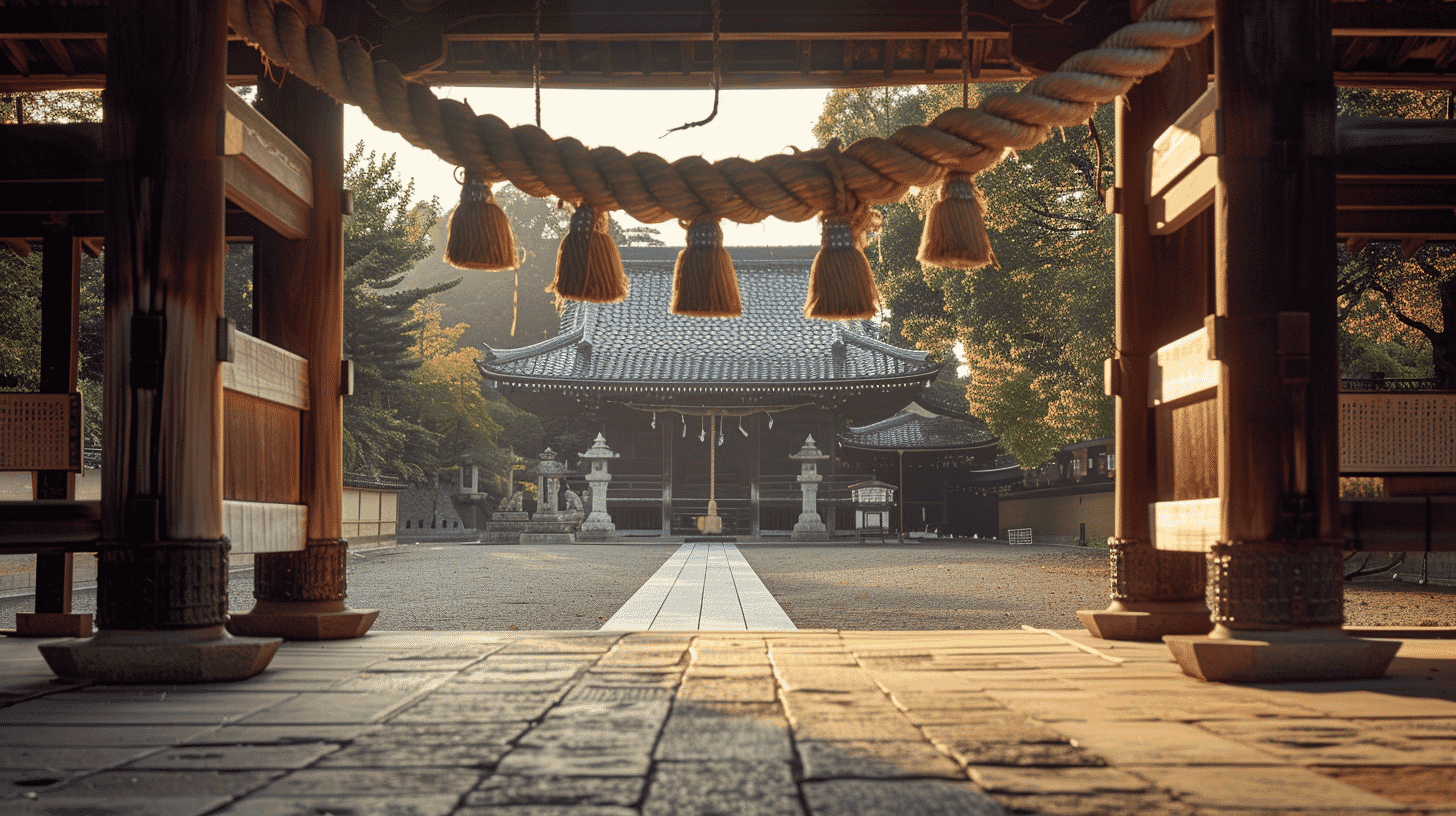
Izumo Taisha, samurai towns, and silver-mine history shape Shimane. See sacred treasures with easy side trips around Matsue.
National Treasures
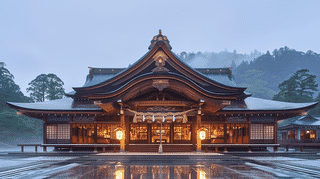
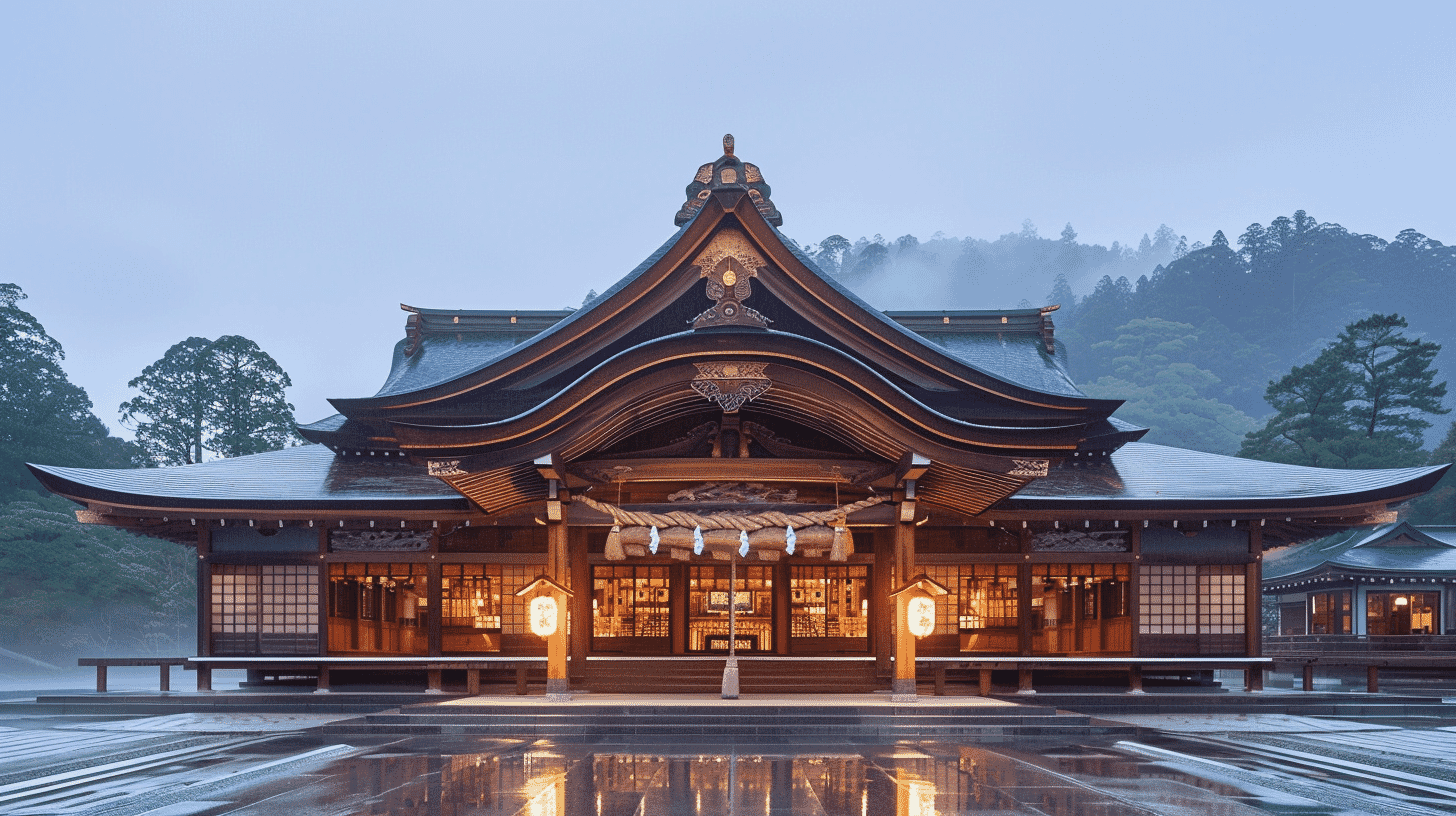
The main hall of Izumo Taisha in Shimane was built in 1744 in the taisha-zukuri form and is the larg...

Thirty-nine Yayoi bronze bells found in 1996 at the Kamo Iwakura site in Shimane, the largest single...
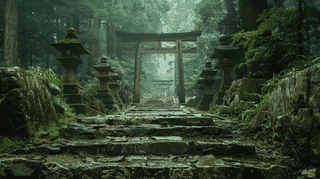
The main hall of Kamosu Shrine in Matsue was rebuilt in 1583 and is the oldest surviving taisha-zuku...
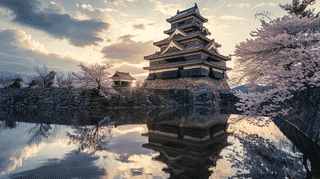
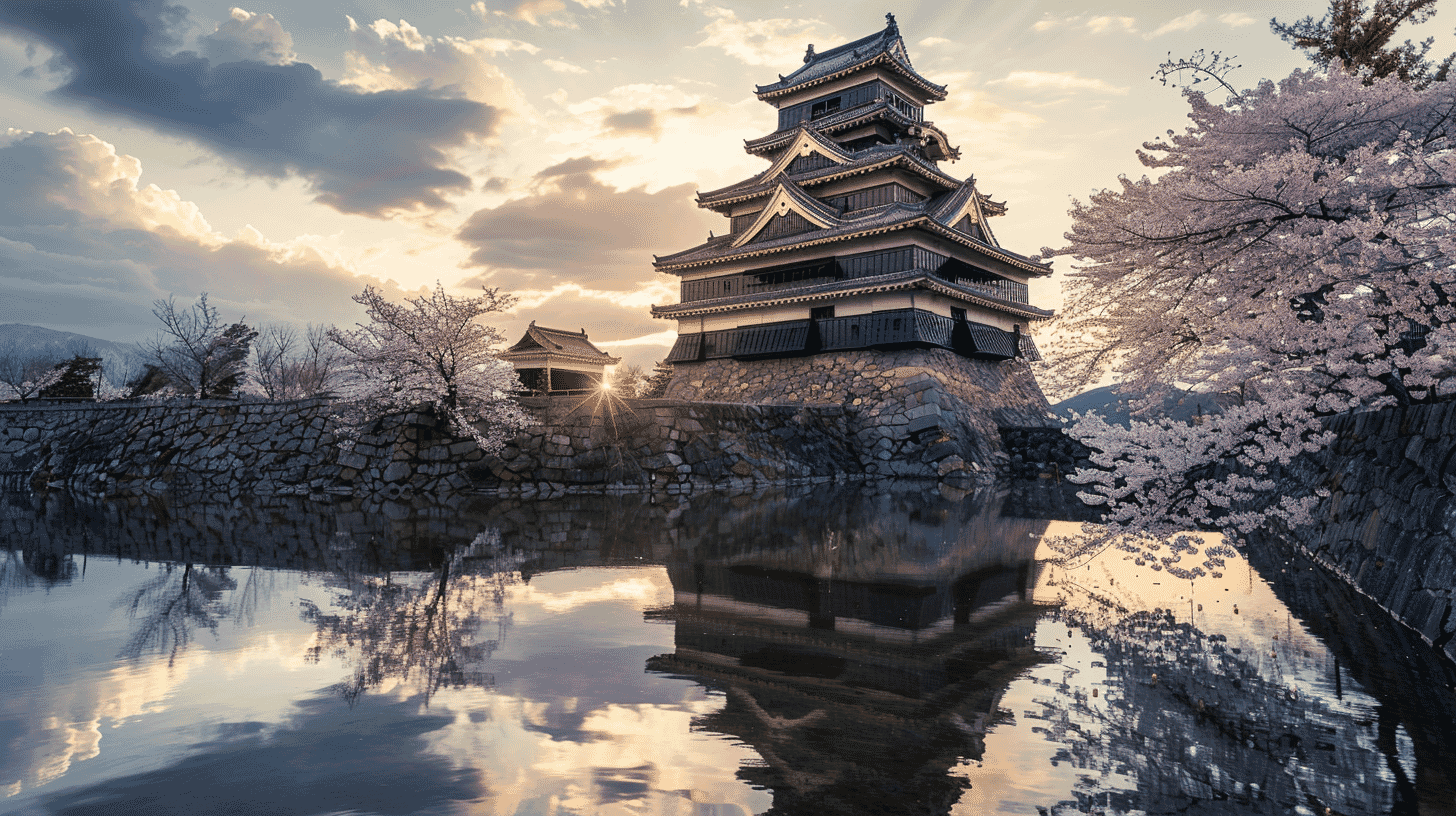
The keep of Matsue Castle in Shimane was finished in 1611. Columns spanning two storeys, reinforced ...

Deer rest among golden bush clover on this Kamakura-period lacquer box kept at Izumo Taisha. Explore...
A late Kamakura armor laced in white silk, with Fudo Myoo stenciled on its breastplate. Owned by Hin...
World Heritage Sites
Important Cultural Properties
Izumo Hinomisaki Lighthouse rises 43.65 metres, Japan's tallest stone tower. Built in 1903, its doub...
Unjuji Shikyakumon in Yasugi, Shimane, is an early Muromachi four-legged gate designated in 1904. It...
Beside the National Treasure main hall of Kamosu Shrine in Matsue stands a rare two-bay shrine of 15...
Kandenan and Kogetsutei in Matsue, Shimane, are tea rooms built around 1792 to daimyo Matsudaira Fum...
Former Taisha Station in Izumo, Shimane, built in 1924, is one of only three station buildings holdi...
The Main Hall of Kiyomizudera in Yasugi, Shimane, built in 1393, is the only building on Mount Zuiko...
Other Heritage
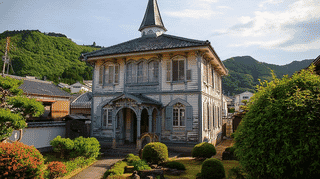
The priest's house at Tsuwano Catholic Church in Shimane is a timber building of 1917 in 2 storeys, ...
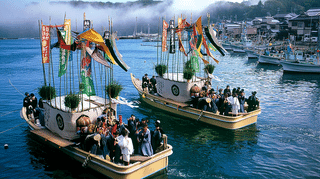
A rite held each 7 April at Miho Shrine in Shimane, re-enacting the myth in which Kotoshironushi ced...
The 1896 Kanayago shrine of the Itohara house, barely 0.9 square metres, enshrining the deity of iro...
The late-Edo rice storehouse of the Itohara house, oldest of the family's stores. Registered farmers...
The 1924 main house of the Itohara ironmasters of Okuizumo: some forty rooms over about 350 tsubo. I...
The ceremonial gate of the Itohara ironmaster house, a late-Edo timber gate roofed in tile with flan...
About Shimane
"Iwami Ginzan Silver Mine and its Cultural Landscape" (registered 2007) represents mining site remains where silver extraction occurred from 16th through 20th centuries, preserving integrated mine remains, smelting sites, transport routes, and port facilities. Peak periods comprised about one-third of world silver production, with mining techniques and environmentally harmonious development methods earning evaluation. Popular activities include mabu (mine shaft) tours and old townscape walks in mining town Omori district.
Izumo Taisha, one of Japan's most ancient shrines, is nationally worshipped as matchmaking deity enshrining Okuninushi-no-Okami. Main hall represents Japan's largest shrine architecture built in unique taisha-zukuri style. Particularly, shimenawa rope measuring 13.6 meters long and approximately 5.2 tons serves as Izumo Taisha symbol. October Kamiarizuki (month of gods' presence) allegedly gathers nationwide yaoyorozu gods in Izumo for "Kamiari Festival".
Matsue Castle, one of 12 existing keeps completed in 1611, represents hirayama (hill-plain) castle. Keep designated as national treasure is beloved by nickname "Chidori Castle." Moat rivers circle castle surroundings, with moat sightseeing boat castle town tours as popular tourist courses. Matsue is also famous as castle town beloved by Koizumi Yakumo (Lafcadio Hearn), with Koizumi Yakumo Memorial Museum introducing his life and works.
Lake Shinji, Japan's seventh-largest lake, is known as brackish water lake. Particularly famous for sunset beauty, selected among Japan's 100 Best Sunsets. Lake Shinji sunsets also represent production areas for seven varieties of fish and shellfish called "Shinji-ko Nanachin" (Shinji Lake Seven Treasures): sea bass, freshwater prawns, eel, pond smelt, icefish, carp, and corbicula clams, with Yamato corbicula boasting top national catch volumes.
Oki Islands, Japan Sea islands approximately 40 kilometers from mainland, are certified as Oki UNESCO Global Geopark. Comprising Dozen (Nishinoshima town, Ama town, Chibu village) and Dogo (Okinoshima town), they're known for unique geology, rich nature, and distinctive culture. Scenic spots include Rosoku Rock, Kuniga Coast, and Akakabe, with gourmet options including Oki beef and seafood.
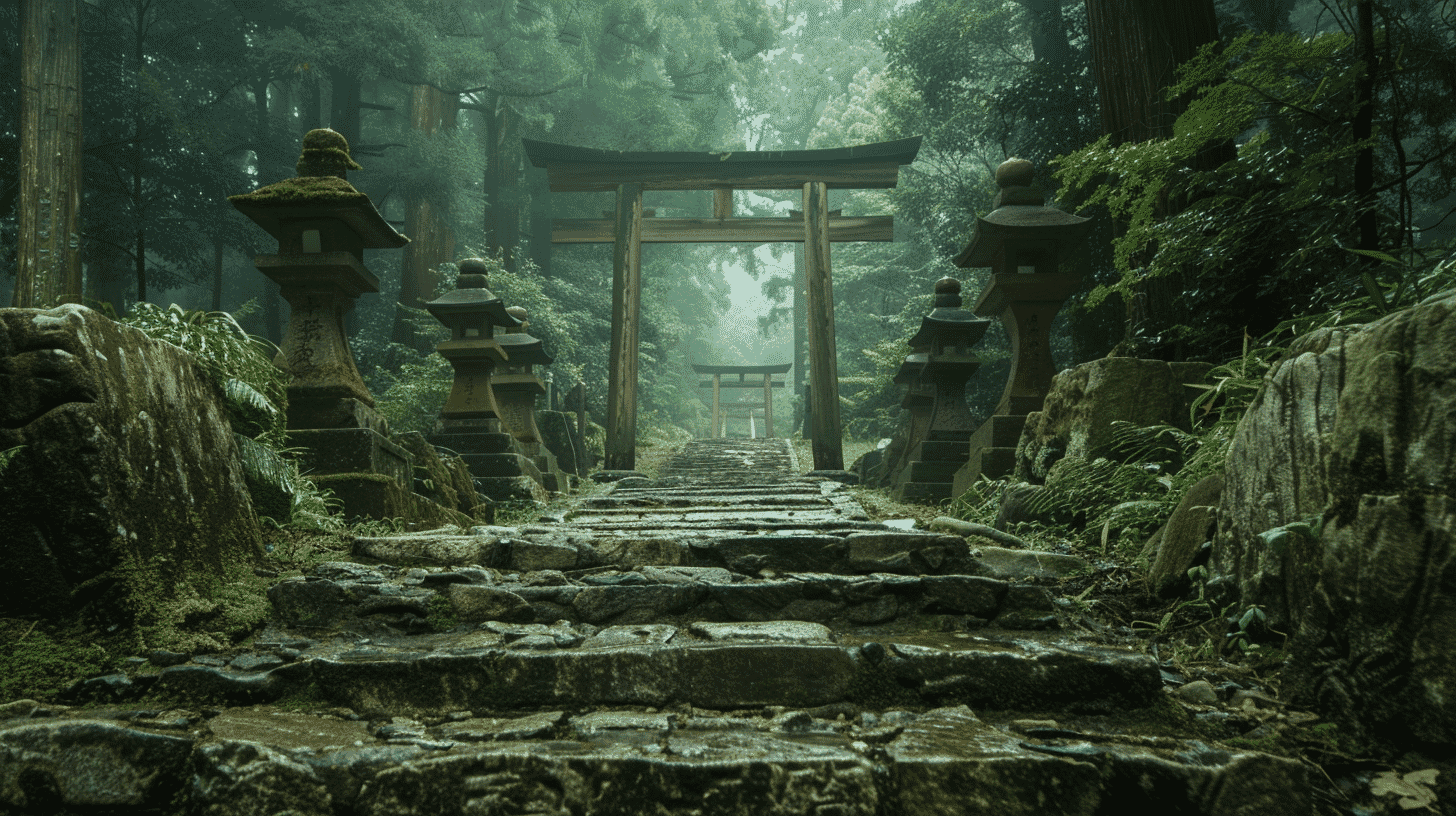
As mythological stage with numerous legends, Shimane Prefecture features mythology-related locations including Yomotsu Hirasaka (entrance to underworld), Hii River where Susanoo-no-Mikoto allegedly defeated Yamata-no-Orochi, and Amano Iwato Shrine (heavenly rock cave stage).
Shimane food culture prominently features Izumo soba as representative local cuisine. Distinctive dark-colored soba using buckwheat flour ground with hulls offers high nutrition, characterized by unique eating style serving in three-tiered containers called "wariko soba."
Lake Shinji Yamato corbicula boasts top national catch volumes, with corbicula soup representing Shimane's signature flavor. Additionally, nodoguro (blackthroat seaperch), called "white fish king," represents luxury fish enjoyed as simmered or salt-grilled dishes.
Matsue wagashi culture is also famous, developing elegant wagashi after Matsue domain lord Matsudaira Harusato (Fumai-ko) encouraged tea ceremony. Famous confections including wakakusa, yamakawa, and asashio continue production at numerous confection shops today.
Browse by Type
Designation categories represented in the prefecture, with counts.
Aofushigaki Shinji · Izumo's Fire Drill Customs · Izumo's Wisteria Cloth Spinning and Weaving Customs
Mount Aono · Kamijima Kofun · Abedani Kofun
Omori Silver Mine, Oda City · Yunotsu, Oda City · Tsuwano, Tsuwano Town
Cultural Landscape of Okuizumo Tatara Ironworks and Rice
Isotake's Gore · Ochi Kagura · Omoto Kagura
Itohara Family Garden · Okazaki Family Garden · Kamei Family Garden
Asano Pediatric Clinic · Asuna Community Center Asuna Branch · Ikoji Temple Inner Gate
Izumo Indigo Dyeing Tools and Products · Tools for Making Unshu Abacus · Fishing Equipment from the Coast of the Shimane Peninsula
Shimane in Periods
Periods represented by designated properties in the prefecture.
Shimane Travel Stories
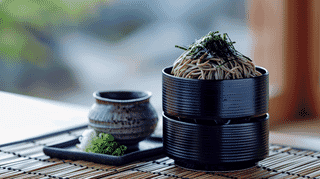
Complete guide to Izumo soba (warigo buckwheat) right after Izumo Taisha shrine visit. Learn how to eat dark whole-grain noodles in 3-tiered lacquer boxes at monzen-machi shops, budget ¥900+, queue-skipping tips, and a practical 90-minute route from a student perspective. Combine matchmaking prayers with Shimane's humble local cuisine.
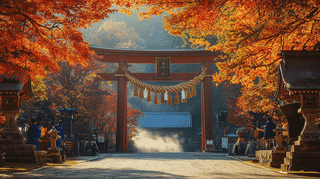
Experience the sacred Kamiari Festival at Izumo Taisha and hands-on traditional craft workshops in Shimane. Complete guide to 13 workshops including shimenawa rope making, indigo dyeing, washi papermaking, and magatama beads, plus autumn foliage spots, Izumo soba restaurants, and detailed travel planning from Tokyo.