Old Kawagoe streets, riverside shrines, and folk museums reveal Saitama's Edo flavor. Browse cultural properties with easy city-break tips.
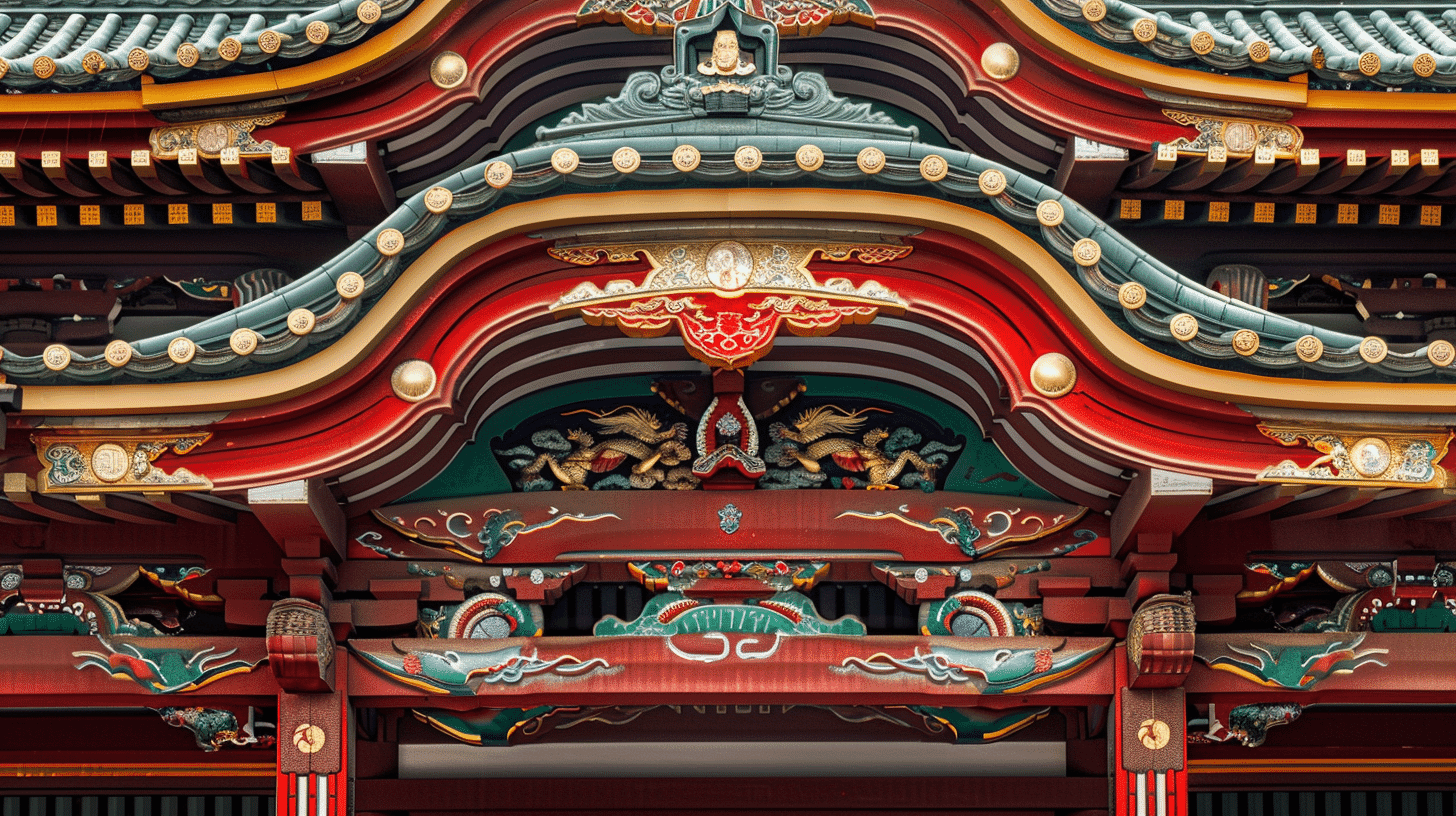
National Treasures
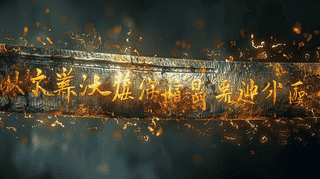
Kofun-period finds at a museum in Saitama, listed together as one single lot. The gold-inscribed iro...

A temple in Saitama Prefecture where a hall, a gate and several of the smaller buildings each fall u...

Discover the Amida Sutra at Jikoji Temple in Saitama, part of Japan's National Treasure "Jikoji-kyo"...
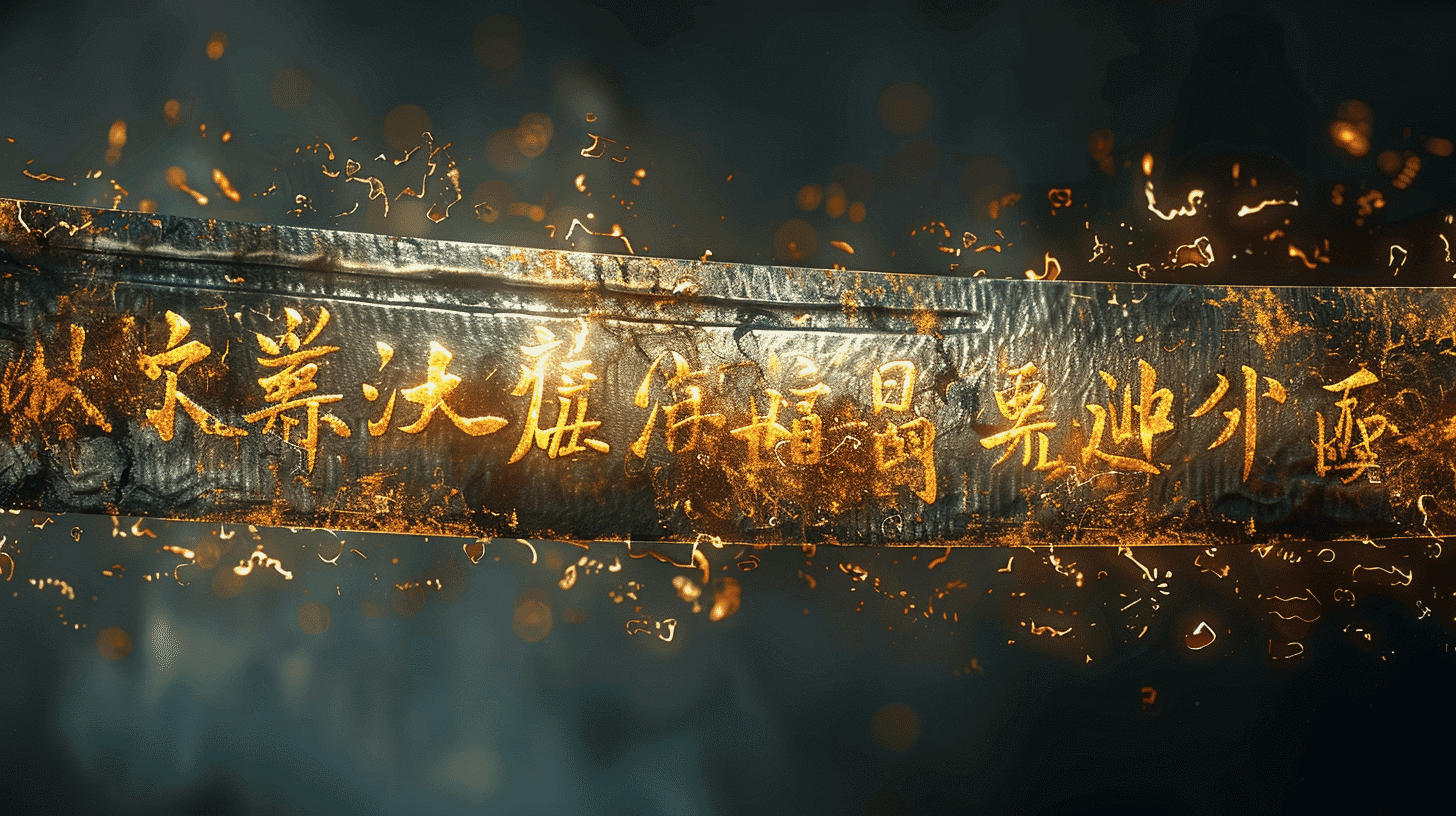
A National Treasure tachi forged in 1329 by Osafune Kagemitsu with Kagemasa. Its tang names the smit...
A National Treasure short sword by Osafune Kagemitsu, dated 1323, bearing a carved deity's name and ...
Discover the Heart Sutra (Hannya Shingyō) at Jikō-ji Temple in Tokigawa, Saitama — a National Treasu...
Important Cultural Properties
Discover Kitain Temple in Kawagoe, Saitama — a historic Tendai Buddhist temple founded in 830, home ...
The Former Arai Family Residence in Nagatoro, Saitama, dates from about 1745 and keeps the only ston...
Discover Takakura-ji Kannon-do, an Important Cultural Property in Iruma, Saitama. This 14th-century ...
Discover Kotokuji Omido, a nationally designated Important Cultural Property in Kawajima, Saitama. T...
Discover the Kofukuji Hokyointo, an Important Cultural Property in Higashimatsuyama, Saitama. This e...
The Kaizanto at Jikoji Temple in Tokigawa, Saitama, is the only surviving wooden hoto pagoda in Japa...
Explore the 645 Important Cultural Property artifacts from the Ushiroya Site in Okegawa, Saitama — i...
Held at The Railway Museum in Saitama, the Tetsudō Komonjo (Railway Archives) is a nationally design...
Other Heritage
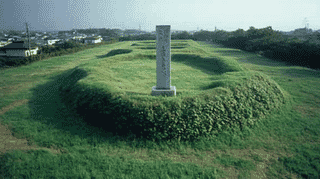
Explore Shinpukuji Shell Mound, a nationally designated historic site in Saitama near Tokyo. This 4,...
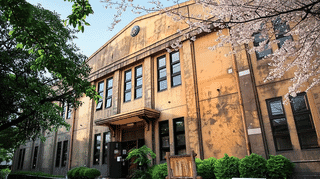
Discover the Soka City History and Folklore Museum, housed in Saitama Prefecture's first reinforced ...
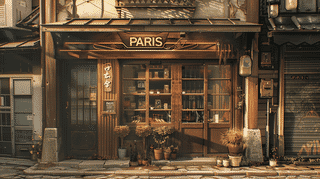
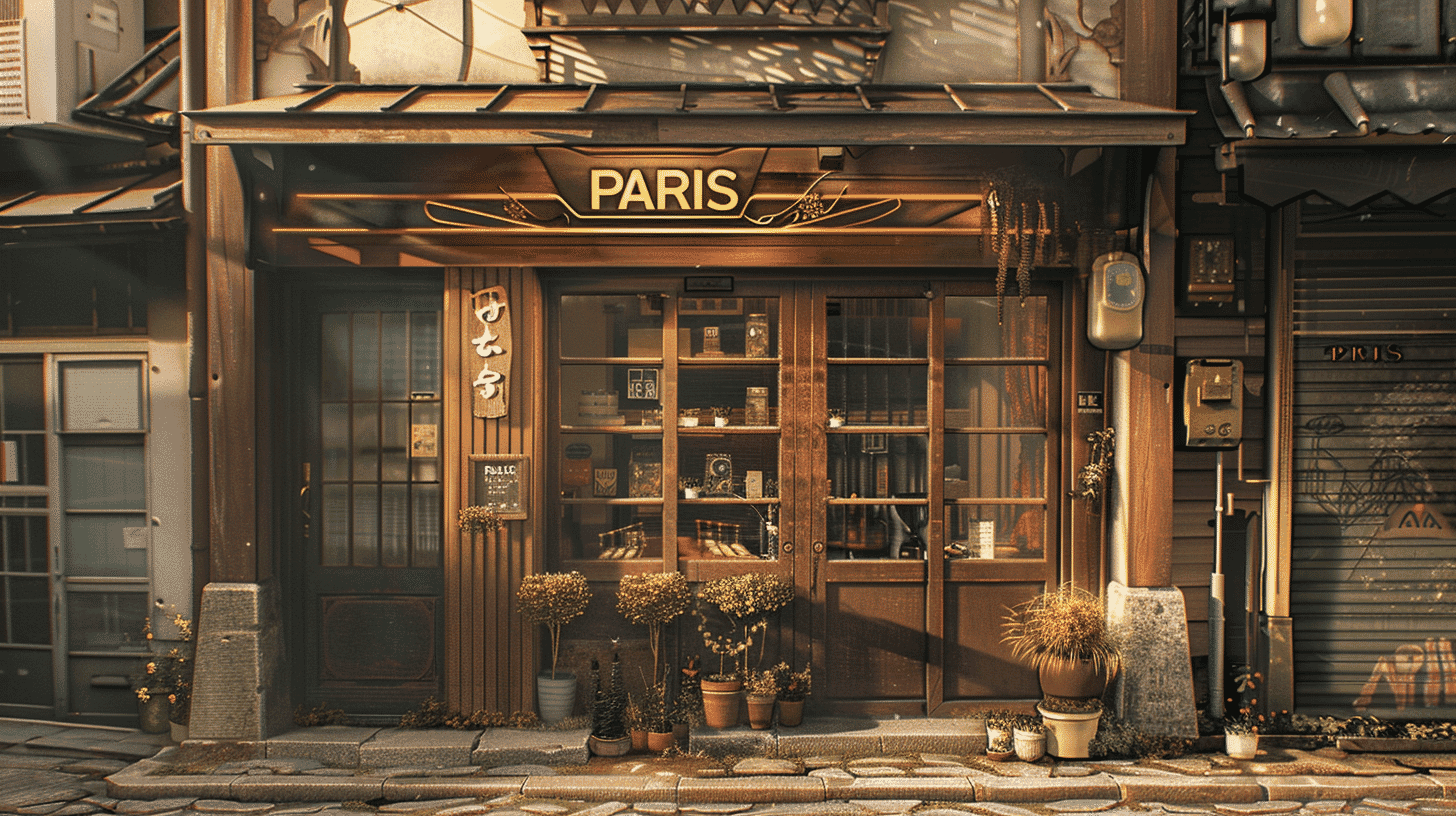
Discover Cafe Paris (1927), a Registered Tangible Cultural Property in Chichibu. Experience authenti...
The Mizuya at Menuma Shoden is a one-bay purification pavilion inside the Niomon, only 3.4 square me...
Discover Asahi Bridge in Tokorozawa, Saitama — a 1930 reinforced concrete bridge with elegant Art De...
Discover Kongoji Dainichido, a nationally registered tangible cultural property in Kawajima, Saitama...
About Saitama
Jikoji Sutras, Heian period late manuscripts preserved at Jikoji Temple (Tokigawa town), are designated national treasures. Comprising 10 volumes including Lotus Sutra 8 volumes, Immeasurable Meanings Sutra 1 volume, and Meditation on Bodhisattva Universal Worthy Sutra 1 volume, they're beautifully decorated with gold and silver ink. These precious cultural properties demonstrate Heian period transcription techniques and decorative art essence.
Myohoji Sutras, Kamakura period manuscripts preserved at Myohoji Temple in Hiki District Ranzan town, are also national treasures. These luxurious sutras transcribing Lotus Sutra 28 chapters in gold and silver ink are known as Kamakura period Buddhist art masterpieces.
Kawagoe, called "Little Edo," is a historical town preserving numerous kurazukuri (warehouse-style) buildings from Edo through Meiji periods. Kawagoe Castle Honmaru Palace, one of few surviving main enclosure palaces, was built in Kaei 1 (1848). Toki no Kane (Time Bell), Kawagoe's symbol, is a bell tower from Kanei years (1624-1644). Kashiya Yokocho (Candy Shop Alley) offers traditional penny candy enjoyment.
Chichibu region, a basin surrounded by Chichibu Mountains, possesses rich nature and deep historical culture. Chichibu Shrine, over 2,000 years old, features magnificent carvings attributed to Hidari Jingoro. December's Chichibu Yomatsuri, one of Japan's three great float festivals, gained UNESCO Intangible Cultural Heritage registration.
Nagatoro, upper Arakawa River valley, features characteristic crystalline schist riverbeds called iwadatami (rock tatami). This scenic spot offers spring cherry blossoms, summer river boating, and autumn foliage, with line boat rides particularly popular among tourists. Hodosan Shrine, beloved as Nagatoro's protective deity, is also known for winter sweet plum blossoms.
Railway Museum (Omiya), JR East's railway museum opened in 2007, teaches railway history and technology through real vehicle displays and driving simulators. Displaying diverse vehicles from shinkansen to steam locomotives, it entertains children through adults.
Saitama's food culture centers on Soka senbei, most famously. Traditional rice crackers continuing from Edo period, Soka City-manufactured senbei are known nationwide. Featuring crisp texture and rustic flavor, hand-grilling techniques continue today.
Jumangoku manju, Saitama's representative wagashi, are steamed buns wrapping smooth red bean paste in yam-based skin. Famous for "umai, umasugiru" (delicious, too delicious) commercials, they're beloved within and beyond the prefecture.
Fukaya leeks, Fukaya City specialty white leeks, feature sweetness and tenderness. Optimal for simmered dishes and hot pots, they ship nationwide. Kawagoe sweet potatoes, sweet potato production continuing from Edo period, are beloved as roasted sweet potatoes and sweet potato confections.
Saitama Arts Theater, known for Yukio Ninagawa's former artistic direction, provides high-quality performing arts as prefectural theater. Additionally, Saitama Stadium 2002, used for 2002 World Cup venues, represents Japan's largest soccer-specific stadium.
Browse by Type
Designation categories represented in the prefecture, with counts.
Unto's Ceremony No. 3 · Ohinagee of Kawarazawa · Omiya Sumiyoshi Kagura in Sakado
Ishido-Kama Cherry Blossoms · Fuji of Ushijima · Otani Tile Kiln Site
Kawagoe City
Inomata's 108 Lanterns · Iwatsuki's Traditional Ring-Entering Ceremony · Kawagoe Hikawa Festival Float Event
Former Yamazaki Villa Garden
View of Ruel · Disciples Lifting Up the Body of Saint Stephen · Normandy Landscape
Aoyama Tea Shop Former Barn (Rakufu) · Aoyama Tea Shop and Main Building · Akita Family Residence, Store and Main House
Sayama Tea Production Tools
Saitama in Periods
Periods represented by designated properties in the prefecture.