
Registered Tangible Cultural Properties of Saitama
埼 玉 県 の 登 録 有 形 文 化 財Saitama · Registered Tangible Cultural Properties
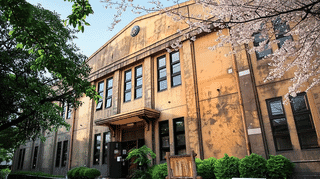
Discover the Soka City History and Folklore Museum, housed in Saitama Prefecture's first reinforced concrete school building from 1926. This Nationally Registered Cultural Property showcases earthquake-resistant architecture born from the Great Kanto Earthquake and local history connected to Matsuo Basho's Oku no Hosomichi.
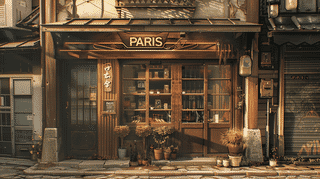
Discover Cafe Paris (1927), a Registered Tangible Cultural Property in Chichibu. Experience authentic Showa-era atmosphere, traditional omurice, and stunning signboard architecture just 80 minutes from Tokyo. A living heritage restaurant run by the same family for four generations.

Discover Asahi Bridge in Tokorozawa, Saitama — a 1930 reinforced concrete bridge with elegant Art Deco design, built on the historic Hikōki Shindō road that linked the train station to Japan's first airfield. A nationally registered tangible cultural property.
Discover the Okano Family Residence Storehouse in Ogose, Saitama — a rare three-story earthen-walled kura built in 1915, registered as a Tangible Cultural Property. Explore its exquisite craftsmanship and the silk trading heritage of this charming town near Tokyo.
The Onda Family Residence Storehouse, Yashio, Saitama, was built in 1897 by a dyeing family. A boat hangs under the eaves, used to rinse cloth and to escape floods.
A middle Meiji storehouse by the Shingashi River in Fujimino, Saitama, all that remains of the Yoshinoya shipping agency. Registered in 1998; exterior only.
A 1933 wooden ryotei in Ogawa, Saitama, registered in 2004. Its second floor holds a seventy-mat hall with a tokonoma facing a stage, behind a layered tiled roof.
A 1933 garden pavilion by a pond in Ogawa, Saitama, registered in 2004. Its eight-mat tea room juts over the water under a boat-bottom ceiling, railed on two sides.
A large farmhouse of about 1859 in Iwatsuki Ward, Saitama City, registered in 2017. Lattice doors ring its altar room, said to be fitted against late-Edo riots.
Begun in 1858 for a raw silk broker, this Ogose merchant house keeps its shop room and through-passage. Blade marks from the 1866 Bushu uprising survive inside.
Kami Bridge in Honjo City, Saitama Prefecture, is a reinforced concrete girder bridge built in 1926 during the final year of the Taisho era. Despite its modest 6.3-meter span, this nationally registered tangible cultural property features exquisite decorative details including house-shaped pillar caps, classical pediments, and seven continuous arches edged with white tiles. Located beside the cherry blossom haven of Wakaizumi Park, it offers a charming blend of Taisho-era elegance and seasonal beauty.
Built in 1928 as a Bushu Bank branch to designs by Maeda Kenjiro, this Doric-columned concrete building stands among Kawagoe's black-plastered kura storehouses.
A 1927 Western-style timber building on a Kawagoe corner, built as a timber showroom and later the Rokkenmachi Post Office. Registered in 1997, still in use.
The Akaido at Menuma Shoden is a small late-Edo hall built around a well that supplies aka, the water offered to Buddhist deities, with a shrine to Suitengu.
Discover Kangiin Gosha Daimyojin, a registered tangible cultural property built in 1783 at Menuma Shodenzan in Kumagaya, Saitama. This colorful shrine honors five deities with exquisite Edo-period craftsmanship.
The Kagomodo at Menuma Shoden is a two-story 1879 hall for okomori, secluded prayer at the temple, and the largest of the eight registered structures here.
The Sanpo Kojinsha at Menuma Shoden is a single-bay shrine to the hearth deity Sanbo Kojin. Barely 3.9 square meters, its dense carving shows real skill.
The Shoro at Menuma Shoden is a two-story bell tower on a double stone-and-concrete base. Its 1761 core, reshaped by later repairs, rises unusually tall.
The Tenmansha at Menuma Shoden is a single-bay shrine to Tenjin, deity of learning. Nearly a twin of the northern rear shrine, it shows how the precinct grew.
Menuma Shoden's 1894 Niomon is a five-bay, three-passage gate holding the Nio guardian kings; its carved central beam previews the National Treasure hall.
More from Saitama
Saitama’s registered properties across designations, with featured heritage and travel notes.
The complete kokuhō catalogue — browse by prefecture, period, and category.
Nationwide jūyō bunkazai — architecture, sculpture, painting, crafts, and documents.