Port churches, trading houses, and island fortresses shape Nagasaki's global heritage. Browse properties with ferry and tram tips.
National Treasures
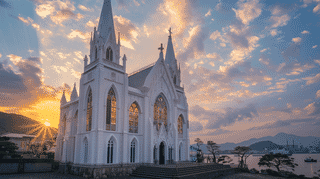
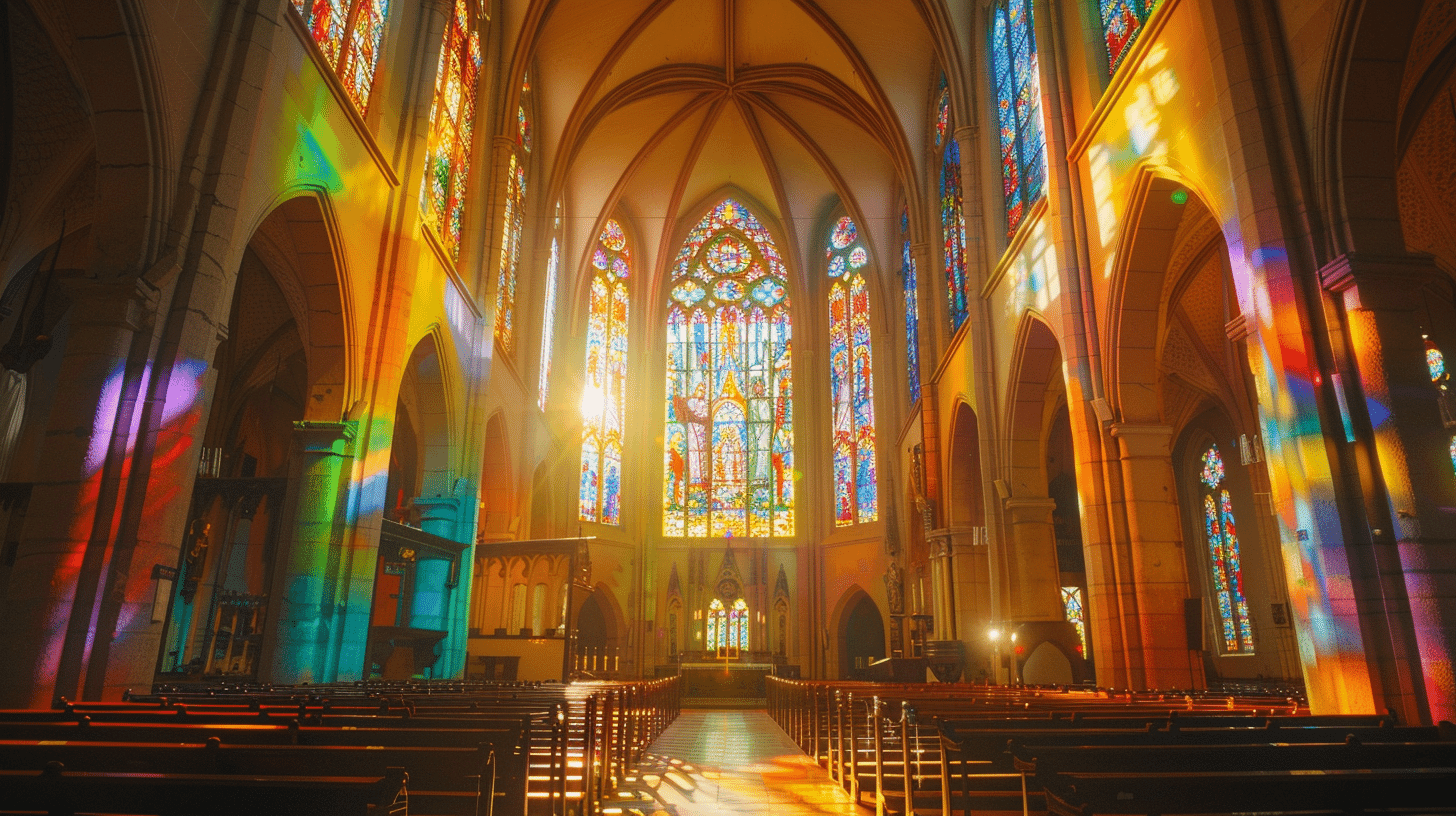
A church of 1864 at Minamiyamate in Nagasaki, the oldest surviving in Japan. Altered from three aisl...
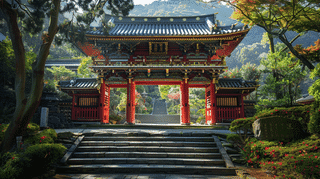
An early Edo-period gate in Nagasaki Prefecture. Its timbers were cut in China and were carried over...
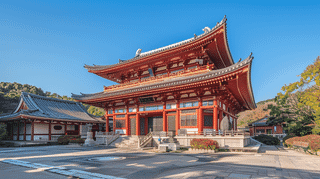
An early Edo-period hall in Nagasaki Prefecture. Its upper storey came some decades later on, and it...
Important Cultural Properties

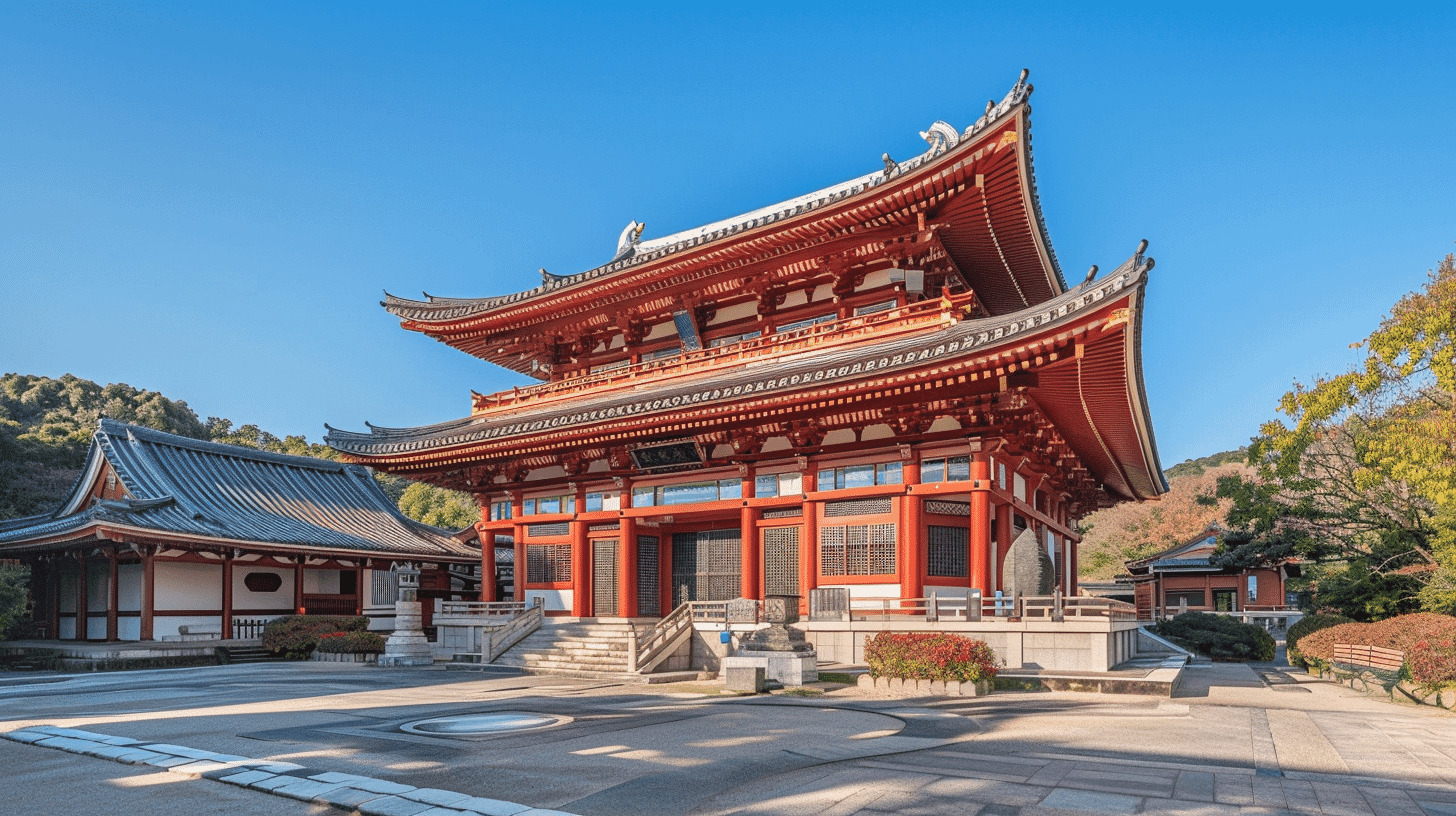
Discover the Main Hall of Kiyomizu-dera in Nagasaki, an Important Cultural Property blending Japanes...
Saikai Bridge, spanning the Inoura Strait in Nagasaki Prefecture, is Japan's first strait-crossing b...
Saiwai Bridge (also known as the Dutch Bridge) spans the Kagami River in Hirado, Nagasaki Prefecture...
Discover the Former Shitsu Relief Institution (Kyū Shitsu Kyūjōin), an Important Cultural Property a...
Discover Shitsu Church (出津教会堂), a National Important Cultural Property and UNESCO World Heritage com...
A gabled, tile-roofed late-Edo farmhouse in Tsutsu on southern Tsushima, designated an Important Cul...
Discover the Essel Telegraaf, the only surviving domestically-made telegraph from Japan's Edo period...
Discover the Tachi inscribed Naminohira Ieyasu, a Kamakura-period Important Cultural Property crafte...
Preserved in Tsushima City, Nagasaki, the Chōsen-koku Kokushin are three Joseon-dynasty appointment ...
Other Heritage
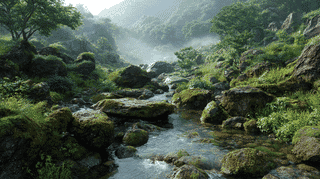
Discover Tsuchikurogawa's Okichimozuku habitat, one of only three nationally designated natural monu...
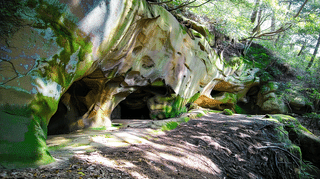
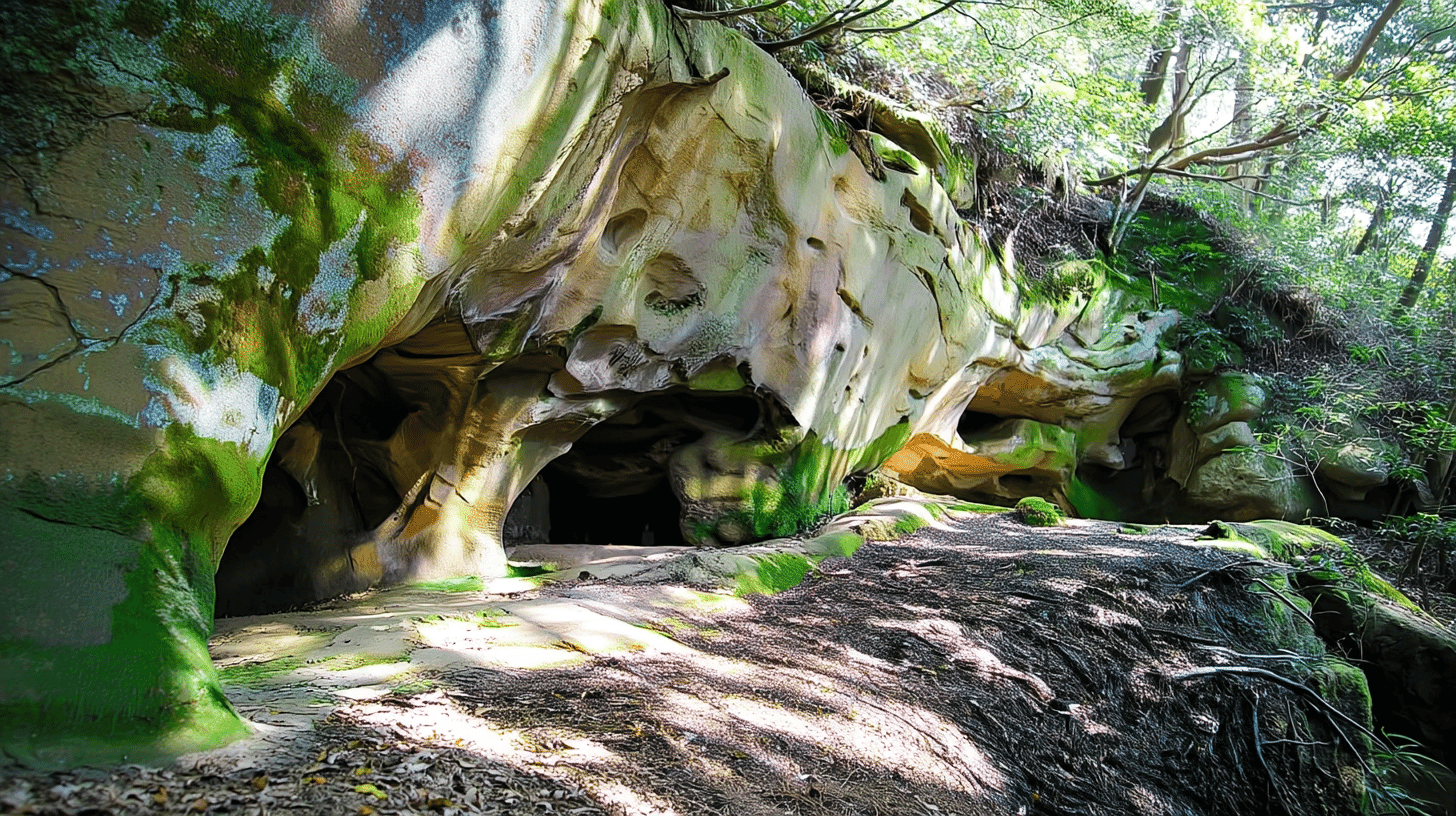
Explore Senpukuji Cave in Sasebo, a National Historic Site where junior high students discovered 12,...
A small blue clapboard barbershop of the late Taisho era in Shimabara, Nagasaki, its entrance arch b...
Kanchōbashi is a 1954 Pony Warren truss steel bridge spanning the narrowest point of the Haiki Strai...
Four courses of two-meter blocks with recessed edges, running twelve meters along a koi-filled sprin...
Discover Komaneki Bridge, a graceful 1903 stone arch bridge on the campus of Nagasaki University. A ...
About Nagasaki
"Hidden Christian Sites in the Nagasaki Region" (registered 2018) represents World Cultural Heritage narrating hidden Christian history secretly maintaining faith for approximately 250 years under prohibition policies after 16th-century Christianity transmission. Twelve component assets including Oura Cathedral, Okinoshima settlements, and Kashiragashima settlements are registered as precious evidence demonstrating faith continuation and community maintenance.
Nagasaki City, atomic bomb target on August 9, 1945, continues transmitting peace wishes worldwide as hibaku (atomic bomb) site. Peace Park's Peace Memorial Statue serves as Nagasaki symbol, with annual August 9 Peace Memorial Ceremony offering prayers for world peace. Atomic Bomb Museum displays materials conveying period devastation, serving as important facility learning peace importance.
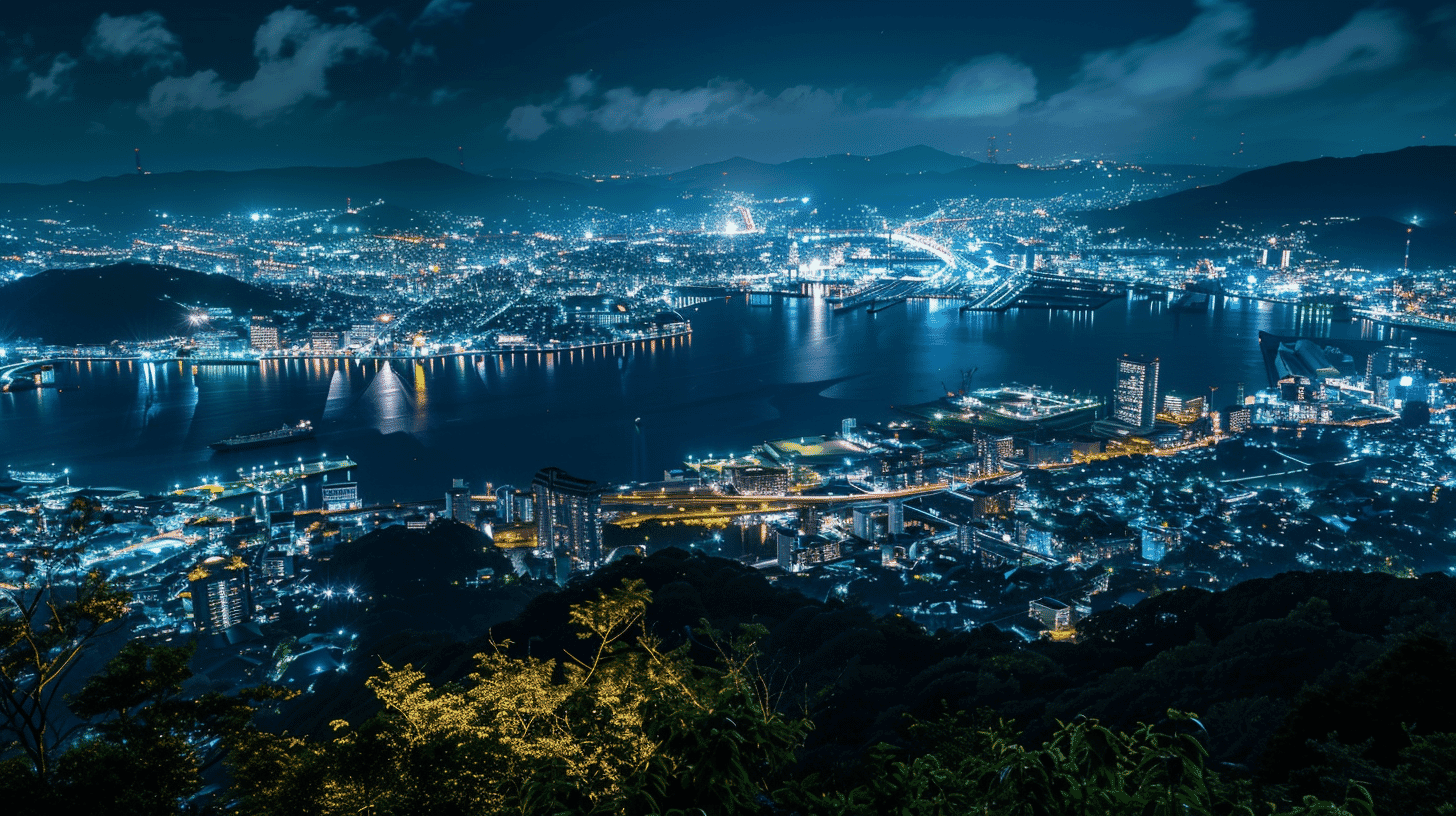
Glover Garden preserves foreign residences from late Edo through Meiji periods, conserving nine historical structures including nationally designated important cultural property Former Glover House. Scottish merchant Thomas Glover's mansion overlooks Nagasaki Port with beautiful scenery attracting numerous tourists. Also famous as opera "Madama Butterfly" setting.
Huis Ten Bosch, Dutch-themed theme park in Sasebo City, Nagasaki Prefecture, offers beautiful flowers and authentic European streetscapes year-round. Particularly, winter illuminations, nationally famous as "Kingdom of Light," fantastically color gardens with 13 million LEDs.
Gunkanjima (Hashima Island), artificial island flourishing through undersea coal mining from Meiji through Showa periods, earned its name resembling battleships through distinctive landscapes. Peak periods housed over 5,000 residents, but 1974 mine closure created current uninhabited status. Recently attracting attention as industrial heritage with landing tours conducted.
Unzen Onsen, hot spring resort on Shimabara Peninsula, is famous for sulfur spring fumarolic area called Unzen Hell. Known during Edo period as Christian martyrdom site, it currently attracts numerous tourists as Unzen National Park center. Specialties including onsen manju and Unzen ham enjoy popularity.
Tsushima, Japan's westernmost border island approximately 50 kilometers from Korean Peninsula, played important roles as continental culture relay point since ancient times. Numerous historical heritages remain including Tsushima domain So family residence Kaneshi Castle ruins and Joseon missions sites.
Nagasaki champon represents Nagasaki's signature noodle cuisine, featuring light pork bone and chicken bone-based soup with thick noodles plus abundant pork, seafood, and vegetables for nutritious dishes. Allegedly devised by Chinese restaurant "Shikairou" founder during Meiji period, now spreading nationwide.
Sara udon also represents Nagasaki specialty cuisine, featuring crispy thin noodles with vegetables and seafood in starchy sauce. Developed as distinctive Nagasaki Chinese cuisine, local areas offer two types - "thin noodles" and "thick noodles" - each providing different textures.
Castella represents Nagasaki's signature confection, Japanese-evolved sponge cake from Portuguese transmission. Characterized by moist texture and elegant sweetness, long-established shops including Bunmeido and Fukusaya continue traditional production methods.
Browse by Type
Designation categories represented in the prefecture, with counts.
Iki Boat Race · Omonday · Oshima's Suko Dance
Ajika Island · Iki Kofun Group · Ikenohara Miyamakirishima Colony
Unzen City Jindai Koji · Higashiyamate, Nagasaki City · Minamiyamate, Nagasaki City
Cultural Landscape of the Ojika Islands · Village Landscapes on Hisaka Island and Naru Island Across · Cultural Landscape of Kuroshima Island, Sasebo City
Iki Kagura · Omura's Gunsan Dances (Juko Dance, Okita Dance, Kuromaru · Goto Kagura
Former Ito Family Garden (Shimei-so Garden) · Kobayakawa Family Garden · Peace Park
Blue Barbershop (formerly Kobayashi Barbershop) · Ayukawa Family Residence Stone Wall and Stone Steps · Ayukawa Family Residence Main Building
Nagasaki in Periods
Periods represented by designated properties in the prefecture.