Senpukuji Cave: Discover the World's Oldest Pottery at This Hidden Nagasaki Archaeological Treasure

Explore Senpukuji Cave in Sasebo, a National Historic Site where junior high students discovered 12,000-year-old bean-pattern pottery. Learn about this prehistoric treasure, visitor tips, and nearby attractions.

Senpukuji Cave: A Window into Japan's Prehistoric Past

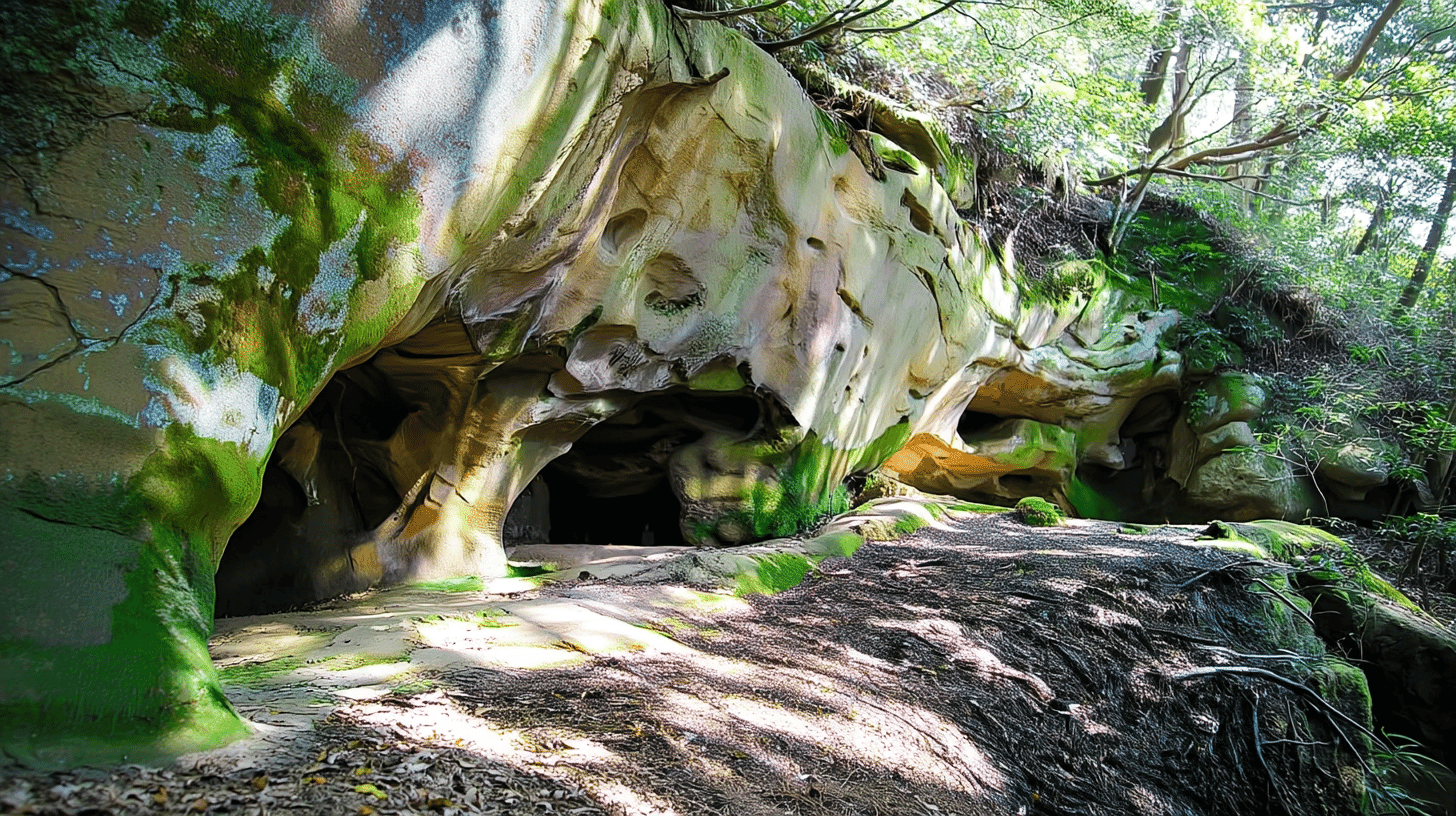
Hidden among the verdant hills of Sasebo City in Nagasaki Prefecture lies one of Japan's most significant archaeological discoveries—Senpukuji Cave. This unassuming cluster of four caves holds secrets dating back over 16,000 years, including some of the world's oldest pottery ever discovered. Unlike crowded tourist destinations, Senpukuji Cave offers visitors an intimate encounter with humanity's ancient past, making it a must-visit for archaeology enthusiasts and curious travelers alike.

The Remarkable Discovery by Local Students

The story of Senpukuji Cave's discovery reads like an adventure tale. In 1969, students from Ono Junior High School stumbled upon this remarkable site while exploring the hillside along the Monju River, a tributary of the Aioura River. What began as youthful curiosity led to one of the most important archaeological finds in Japanese history.

Following the students' discovery, Professor Masaru Aso from Chiba University led a decade-long excavation project beginning in 1970. The meticulous work revealed 12 distinct stratigraphic layers, each telling a different chapter of human habitation spanning from the Late Paleolithic era through the Heian period—an incredible timeline of over 30,000 years of human activity in this single location.

Why Senpukuji Cave Earned National Historic Site Status

On March 7, 1986, the Japanese government designated Senpukuji Cave as a National Historic Site. This prestigious recognition came for several compelling reasons that continue to make this site invaluable to understanding human prehistory.

The most groundbreaking discovery was the "Toryumon Doki" (bean-pattern pottery), unearthed in 1973 from a layer beneath where the "Ryukisenmon Doki" (raised-line pottery)—then considered the world's oldest pottery—had been found the previous year. Scientific dating revealed that this bean-pattern pottery dates back approximately 12,000 to 16,000 years, placing it among the earliest ceramics ever created by humankind.

The cave's archaeological significance extends beyond just the pottery. The clear stratigraphic sequence allows researchers to trace the evolution of stone tools and ceramic techniques from the Paleolithic through the Jomon period. Knife-shaped stone tools, microliths, scrapers, and various pottery styles were all found in their original layers, providing an unparalleled timeline of technological development.

Understanding the World's Oldest Pottery

The Toryumon Doki discovered at Senpukuji Cave represents a pivotal moment in human technological history. These pottery fragments feature distinctive decorations—small, bean-shaped clay pellets pressed onto the vessel's rim at regular intervals. The pottery was fired at approximately 500 degrees Celsius, demonstrating surprisingly sophisticated craftsmanship for its age.

The vessels typically feature a slightly bulging body with a nearly flat bottom, designed for practical use in daily life. Some pieces show both bean-pattern and raised-line decorations on the same vessel, providing crucial evidence of how pottery styles evolved and merged during this transitional period.

These artifacts, along with other excavated items from the site, have been designated as Important Cultural Properties of Japan, reflecting their exceptional historical and scientific value.

Highlights and What to See

Visiting Senpukuji Cave offers several unique experiences that distinguish it from more commercialized archaeological sites.

The cave complex itself consists of four south-facing openings carved into sandstone cliffs at an elevation of 89 meters. The natural spring water flowing in the valley below and the sheltered, sunny orientation made this location ideal for ancient inhabitants. Standing before these caves, you can easily imagine why our ancestors chose this spot as their home thousands of years ago.

The Third Cave, located at the eastern end of the complex, yielded the most significant discoveries. It was here, five meters below the surface, that archaeologists found the remarkable bean-pattern pottery along with microliths and other stone tools.

While the actual artifacts have been moved to museums for preservation, the site itself offers a powerful sense of connection to our prehistoric ancestors. Information panels (in Japanese) help visitors understand the significance of what was discovered here.

Where to See the Artifacts

To fully appreciate Senpukuji Cave's treasures, visitors should plan a trip to the Sasebo City Museum Shimanose Art Center, located in central Sasebo. The museum's 5th-floor archaeology exhibition room houses the actual excavated artifacts, including restored bean-pattern pottery and a scale model of the cave.

The museum is open from 10:00 to 18:00 (last entry at 17:30) and is closed on Tuesdays (or the following day if Tuesday falls on a holiday) and during the New Year period (December 29 to January 3). This makes for an excellent combined itinerary: visit the museum first to understand the context and significance, then travel to the actual cave site to experience the location firsthand.

Nearby Attractions

Sasebo City proudly holds the title of having the most cave archaeological sites in Japan, with 36 documented locations. This makes the area a paradise for archaeology enthusiasts, and several notable sites are easily accessible from Senpukuji Cave.

Fukui Cave, another National Historic Site (and since October 2024, designated as a Special Historic Site—equivalent to a National Treasure for archaeological sites), lies in the Yoshii district of Sasebo. The Fukui Cave Museum offers an excellent introduction to the region's prehistoric heritage, featuring projection mapping displays, hands-on workshops including fire-making and magatama bead crafting, and full-scale dioramas using actual excavated soil layers. Admission is free, making it an excellent addition to any archaeological itinerary.

Megane-iwa (Spectacles Rock), a striking natural rock formation with two eye-like holes, is located nearby and offers beautiful photo opportunities. The Iwashita Cave, a prefectural historic site, provides another glimpse into Jomon period life with discoveries including human remains and pottery from various periods.

For those interested in extending their stay, the Sasebo area offers additional attractions including the famous Kujukushima Islands (part of Saikai National Park), the historic naval port area, and the renowned Sasebo Burger—a local culinary specialty born from the city's connection to the U.S. Navy base.

Best Time to Visit

Senpukuji Cave can be visited year-round, but spring (March to May) and autumn (October to November) offer the most comfortable weather for exploring the outdoor site. The surrounding forest is particularly beautiful during these seasons, with cherry blossoms in spring and colorful foliage in autumn.

Summer visits are possible but be prepared for high humidity and occasional rain. Winter offers clear skies but cooler temperatures. Regardless of season, wear comfortable walking shoes as the path to the cave involves some uneven terrain.

Practical Information for Visitors

Unlike many tourist attractions, Senpukuji Cave is a relatively quiet site without on-site facilities such as restrooms or shops. Plan accordingly by using facilities in central Sasebo before your visit. Bringing water and sun protection during warmer months is advisable.

The site is freely accessible and has no admission fee, reflecting its status as a preserved national historic site rather than a developed tourist attraction. This authenticity is part of its charm—you'll likely have the caves largely to yourself, allowing for peaceful contemplation of this remarkable place.

Photography is permitted at the cave site, though flash photography may be restricted in some areas. At the museum, please follow posted guidelines regarding photography of artifacts.

📍 Plan Your Visit to Nagasaki
Find tours, activities & transport passes near Sembokuji Cave
[ Gunkanjima Island Landing & Glover Garden Tours ]

Q&A

QHow old is the pottery found at Senpukuji Cave?
AThe bean-pattern pottery (Toryumon Doki) discovered at Senpukuji Cave dates back approximately 12,000 to 16,000 years, making it among the oldest pottery ever discovered in the world. This places the pottery in the transitional period between the Paleolithic and Jomon eras.
QCan I see the actual artifacts at the cave site?
AThe original artifacts have been relocated to the Sasebo City Museum Shimanose Art Center for preservation and display. The cave site itself can be visited freely, but to see the Important Cultural Property artifacts including the famous bean-pattern pottery, you'll need to visit the museum in central Sasebo.
QIs there an English guide or information available?
AInformation panels at the cave site and museum displays are primarily in Japanese. We recommend using a translation app or researching the site beforehand to enhance your understanding. The visual nature of archaeological exhibits makes them accessible even without Japanese language skills.
QHow long should I plan for a visit?
AAllow approximately 30 minutes to 1 hour for the cave site itself. If you combine this with a visit to the Sasebo City Museum Shimanose Art Center (about 1-2 hours) and the Fukui Cave Museum (about 1-2 hours), plan for a half-day archaeological tour of the area.
QIs the site accessible for visitors with mobility limitations?
AThe path to Senpukuji Cave involves some uneven terrain and may be challenging for visitors with mobility limitations. The Sasebo City Museum, however, is wheelchair accessible and offers a comprehensive display of the excavated artifacts.

Basic Information

Official Name Senpukuji Cave (泉福寺洞窟 / Senpukuji Dokutsu)
Designation National Historic Site (designated March 7, 1986)
Address 1-1571 Setogoe, Sasebo City, Nagasaki Prefecture 857-0134, Japan
Admission Free
Hours Open access (daylight hours recommended)
Access by Train Matsuura Railway to Senpukuji Station, then approximately 8 minutes on foot
Access by Bus From JR Sasebo Station, take the bus bound for "Yamine" or "Yamine-Yunoki," alight at "Setogoe" stop, then approximately 15 minutes on foot
Parking No dedicated parking available
Contact Sasebo Tourist Information Center (JR Sasebo Station): 0956-22-6630
Artifact Display Sasebo City Museum Shimanose Art Center (6-22 Shimanose-cho, Sasebo City)

References

Senpukuji Cave - Nagasaki Tabinet (Nagasaki Tourism Portal)
https://www.nagasaki-tabinet.com/guide/266
Senpukuji Cave - Nagasaki Prefecture Cultural Properties Database
https://www.pref.nagasaki.jp/bunkadb/index.php/view/217
Senpukuji Cave - Wikipedia (Japanese)
https://ja.wikipedia.org/wiki/泉福寺洞窟
Senpukuji Cave - Sasebo City Museum Shimanose Art Center
https://shimabi.com/c10/693/
Toryumon Pottery (World's Oldest Pottery) - Sasebo City Museum
https://shimabi.com/c10/c10_826/
Fukui Cave Museum Official Website
https://www.fukuicave.jp/

Last verified: 2026.01.28

Nearby heritages