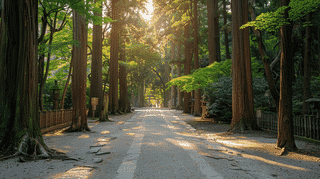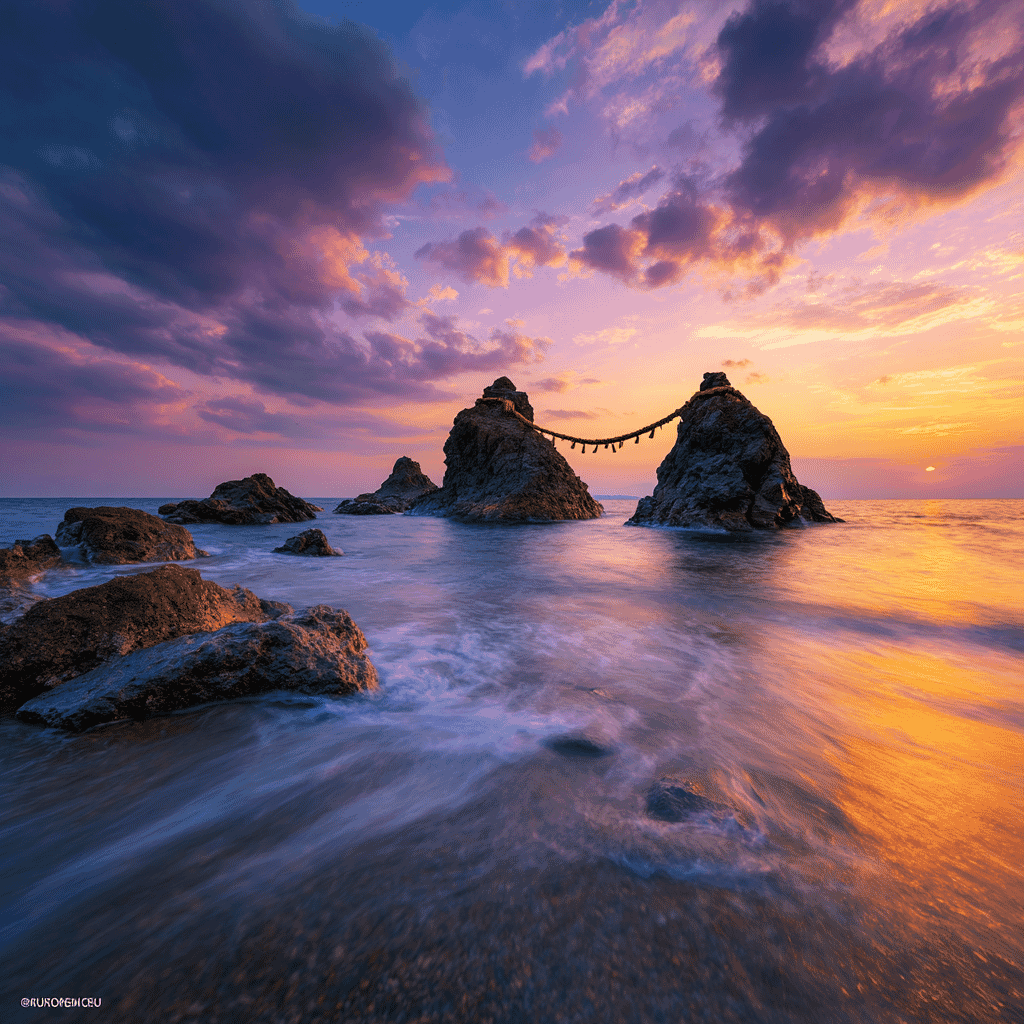
Ise Grand Shrine and Kumano pilgrimage culture anchor Mie. See sacred sites, treasures, and quiet coastal towns with travel notes.
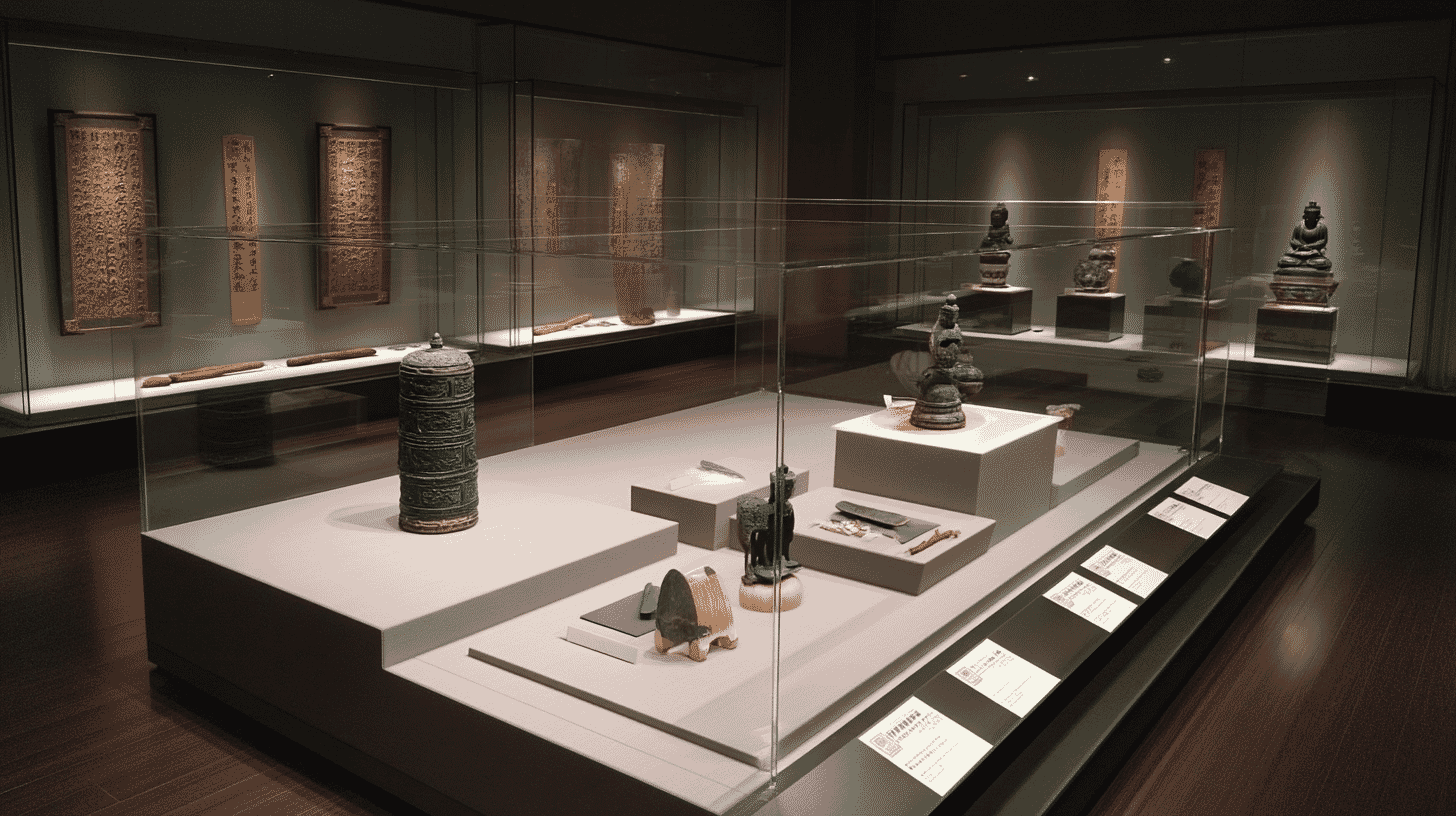
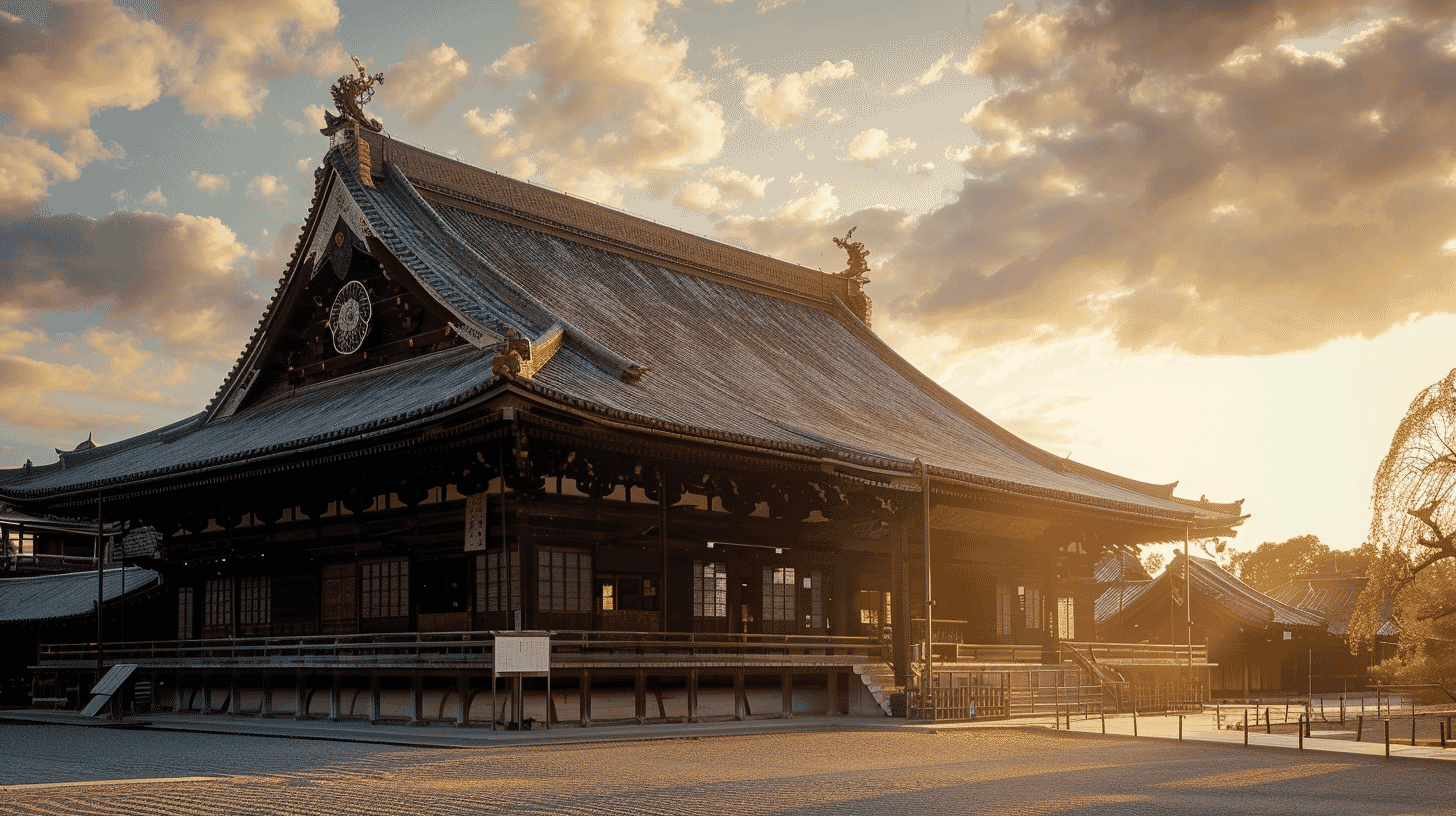
National Treasures
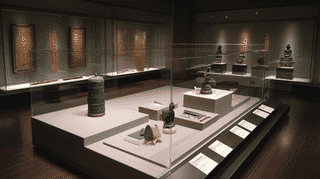
Discover the National Treasure artifacts from the sutra mounds at Kyōgamine, Mount Asakuma in Ise, J...
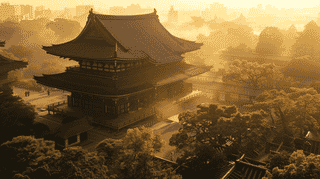
Discover the magnificent Senshū-ji Nyorai-dō, a National Treasure Buddhist hall featuring Japan's la...

Discover Senju-ji Miei-do, Mie Prefecture's first National Treasure building. This magnificent 1666 ...

At the Grand Shrine of Ise, this scroll is volume 22 of the Yupian, a Chinese dictionary lost in Chi...
Discover the Saihō Shinan Shō, a National Treasure manuscript handwritten by Shinran at age 84, pres...
Three booklets of Japanese hymns by Shinran, founder of Pure Land Buddhism, partly in his own hand. ...
Important Cultural Properties
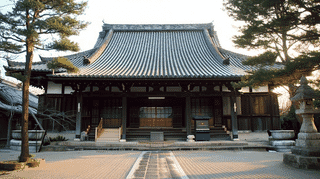
Discover Raikoji Temple's magnificent Main Hall in Matsusaka, Mie Prefecture—a nationally designated...
Discover the Main Hall of Ida Shrine in Iga City, Mie Prefecture — a nationally designated Important...
The Thirteen-Story Stone Pagoda at Kunitsu Shrine in Tsu City, Mie Prefecture, is a nationally desig...
Chinjudo Hall at Kozoji Temple in Toba City, Mie Prefecture, is a small shrine hall rebuilt in 1605 ...
The Main Hall of Kozoji Temple in Toba City, Mie Prefecture, is an Important Cultural Property built...
Discover the Jingu Saishu Shokusha Main Building, a nationally designated Important Cultural Propert...
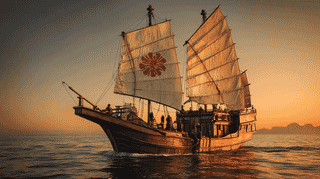
Discover the Kadoya Family Trade-Related Documents, Important Cultural Properties of Japan preserved...
Discover the naginata of Choseiji Temple in Taki, Mie — an Important Cultural Property forged in 134...
Housed at Sairaiji Temple in Tsu City, Mie Prefecture, the Block-Printed Tendai Sandaibu Hokke Soki ...
Other Heritage
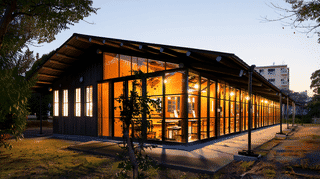
Discover Raymond Hall, a Registered Tangible Cultural Property at Mie University designed by legenda...

Explore Kyū Sūkōdō, a rare Edo-period samurai school in Iga-Ueno, Mie Prefecture. This National Hist...
Discover Asakichi Ryokan Maegura, a Registered Tangible Cultural Property in Ise, Mie Prefecture. Th...
Discover Ichinoyu Honkan, a 1926 public bathhouse registered as a national tangible cultural propert...
Discover Ichinoyu Gate (Ichinoyumon), a Registered Tangible Cultural Property in Iga City, Mie Prefe...
Discover Ito Ryokan Main Building, a Registered Tangible Cultural Property in Iga City, Mie Prefectu...
About Mie
Ise Grand Shrine, Shinto's supreme sacred site enshrining Amaterasu Omikami, comprises 125 shrines centered on Naiku (Inner Shrine/Kotaijingu) and Geku (Outer Shrine/Toyouke Daijingu). Shikinen Sengu ceremonies rebuilding structures every 20 years preserve ancient architectural styles for over 1,300 years. Japan's largest shrine with approximately 9 million annual worshippers, particularly crowded during New Year shrine visits.
Okage Yokocho, tourist facility developed as Ise Grand Shrine Naiku's monzen-machi (temple town), offers streetscapes recreating Edo through Meiji period Ise-ji architecture. Ise specialties including Ise udon, akafuku mochi, and tekone sushi can be enjoyed, attracting approximately 4 million annual visitors.
Within "Sacred Sites and Pilgrimage Routes in the Kii Mountain Range" (registered 2004), Kumano Kodo Ise-ji is included in World Heritage. Long utilized as pilgrimage route from Ise Grand Shrine to Kumano Sanzan, remains including stone pavements and milestone markers are well preserved. Particularly, stone paved roads at Magose Pass and Matsumoto Pass attract numerous hikers walking historical paths.
Shima Peninsula, known for beautiful rias coastlines, hosted 2016 Ise-Shima Summit (G7 leaders meeting). Ago Bay's complex inlets suit pearl cultivation, with Mikimoto Pearl Island demonstrating pearl cultivation history and ama diver pearl harvesting. Kashikojima's Ago Bay views are renowned as spectacular scenery.
Iga City, famous as ninja village, represents Iga-ryu ninjutsu birthplace. Iga-ryu Ninja Museum demonstrates ninja house mechanisms and ninjutsu performances, offering ninja experiences. Also Matsuo Basho's birthplace, Basho Memorial Museum teaches the haiku saint's life and works.
Kumano City's Maruyama Senmaida, beautiful terraced rice fields selected among Japan's 100 Best Rice Terraces, features 1,340 fields spreading across mountain slopes. Beautiful scenery from spring planting through autumn harvest can be enjoyed year-round, with illumination events held.
Mie Prefecture's food culture prominently features nationally famous Matsusaka beef. Selecting only Japanese Black female cattle raised through special methods, Matsusaka beef is called "meat artwork" for beautiful marbling and superior flavor. Numerous Matsusaka beef specialty shops in Matsusaka City offer various cooking methods including sukiyaki, steaks, and shabu-shabu.
Ise lobster represents Mie Prefecture's signature seafood, caught off Shima Peninsula. Particularly, Toba-Shima regions feature numerous Ise lobster specialty restaurants offering fresh Ise lobster through various cooking methods including sashimi, grilling, and simmering.
Akafuku mochi, Ise Grand Shrine specialty confection with over 300 years history, represents wagashi wrapping soft mochi in smooth red bean paste. Simple construction with elegant sweetness and texture continues beloved by numerous pilgrims. Main store offers freshly made akafuku mochi with warm tea.
Browse by Type
Designation categories represented in the prefecture, with counts.
Anori Puppet Theater · Ise Daikagura · Ise's "Okihiki" Event
Akagi Castle Ruins and Tabira Pass Execution Grounds · Red Eye Canyon · Akeai Tomb
Sekijuku, Kameyama City
Anori Puppet Show · Ise Daikagura · Isobe Shrine
Ritsubai Irrigation Water · Yokoyama Family Garden
Akai Family Residence Main Building · Akai Family Tea House · Akai Family Storehouse
Production Tools and Related Materials from the Shima
Mie in Periods
Periods represented by designated properties in the prefecture.