From Kashima's ancient shrine to Mito's samurai learning, Ibaraki spans ritual and scholarship. Browse cultural properties with concise visit tips.
National Treasures
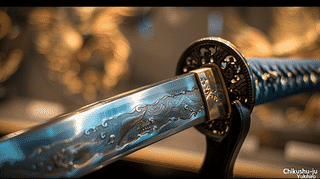
A Nanbokucho dagger at the Tsuchiura City Museum in Ibaraki, 23.5 centimetres long and dated to 1350...

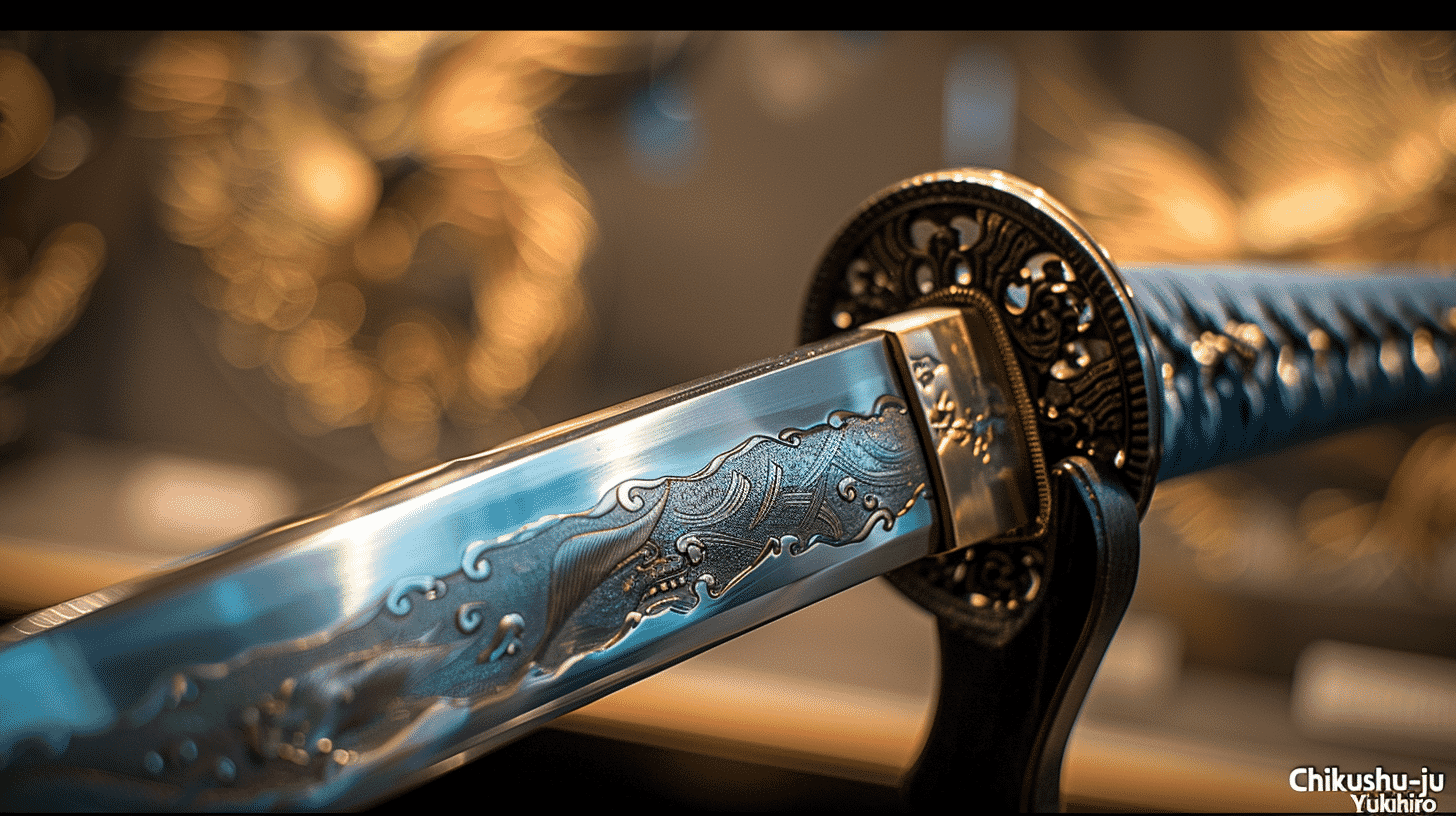
Discover the Chokutō with Kuro-Urushi Hyōmon Tachi Koshirae, a National Treasure straight sword over...
Important Cultural Properties
A run-of-river hydro plant of 1911 in Takahagi and Kitaibaraki, Ibaraki. Its 9 structures, built thr...
A timber assembly hall of 1904 in Hitachiota, Ibaraki, the only survivor of three built to one set o...
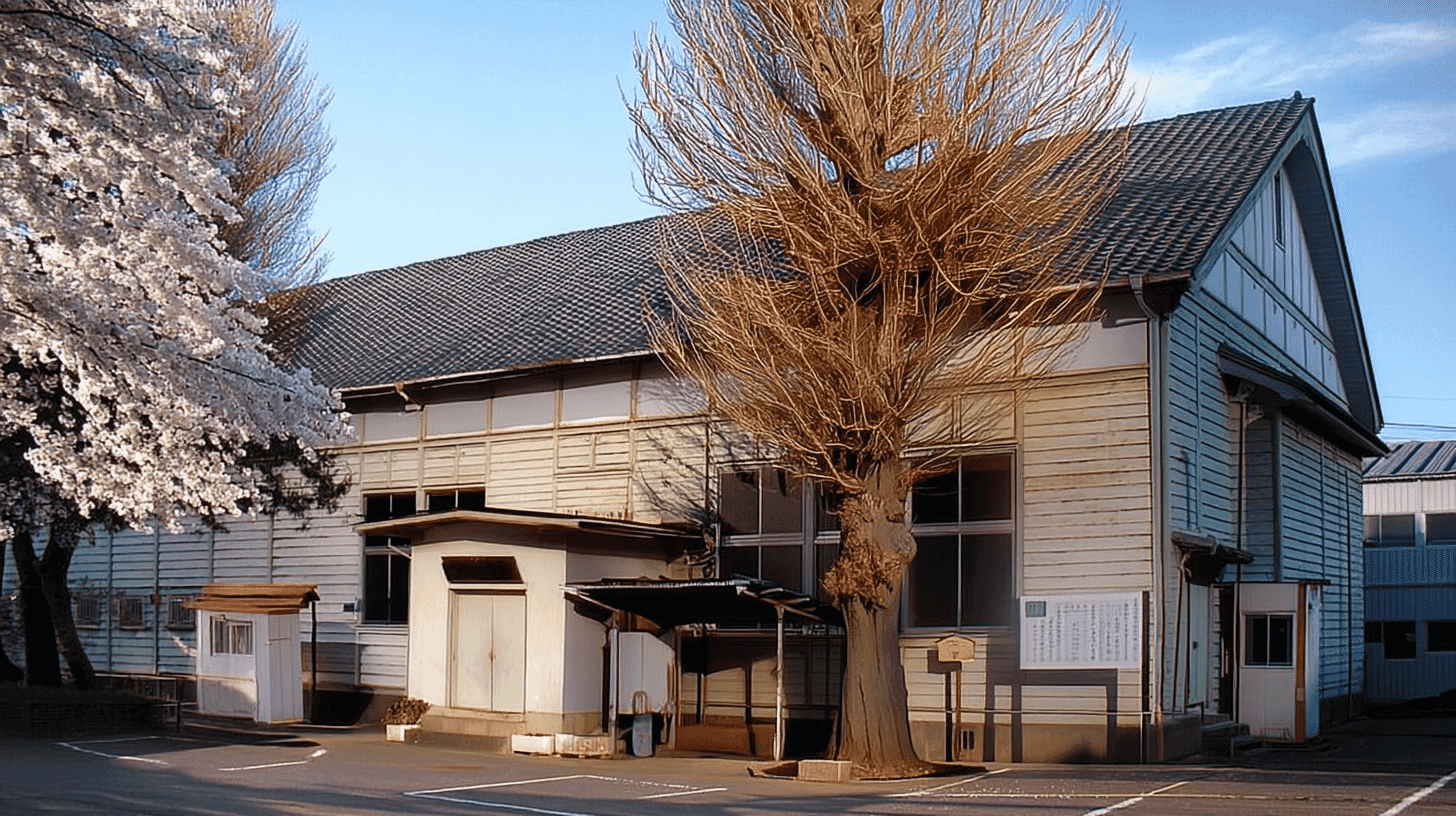
A timber schoolhouse of 1904 in Tsuchiura, Ibaraki, the first old-system middle school building in J...
A mid-Edo farmhouse in Tsukuba, Ibaraki, designated an Important Cultural Property in 1976. Its 18.5...
Erected in 1465 on Mount Tomiya in Ibaraki, this three-bay pagoda carries a finial inscription namin...
Built in 1860 in Kasama, Ibaraki, this unpainted zelkova shrine hall carries seven relief panels of ...
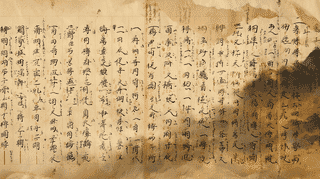
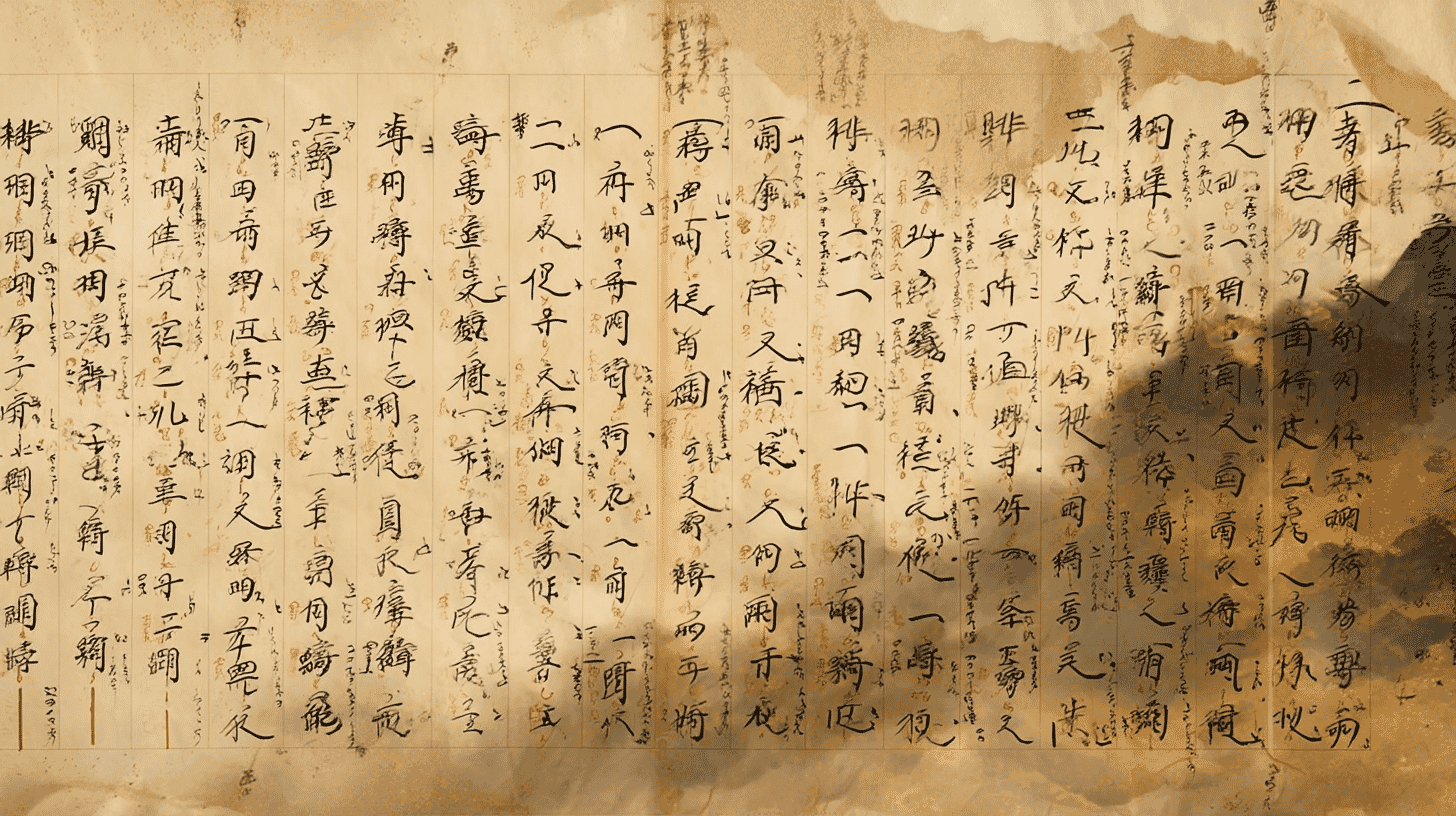
A manuscript owned by the Tokugawa Museum in Mito, Ibaraki Prefecture, which comes down to us here i...
Hidden in a wooded hollow at Fukusenji Temple in Hokota City, Ibaraki Prefecture, this life-size sta...
Discover the National Important Cultural Property triad enshrined at Itabashi Fudōson (Seian-zan Gan...
Preserved at Muryōjuji Temple in Hokota City, Ibaraki, the Shūi Kotokuden is a colored picture scrol...
Discover the Illustrated Biography of Prince Shōtoku, a Kamakura-period handscroll designated an Imp...
Discover the Silk-Painted Biography of Prince Shōtoku, a set of four hanging scrolls designated as a...
Other Heritage
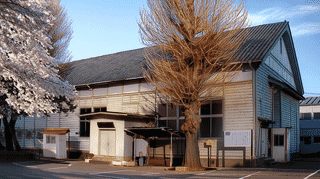
A single-storey timber hall of 1932 in Joso, Ibaraki, 541 square metres. Built as a school gymnasium...
Built in 1912 in the heart of Daigo Town, Ibaraki Prefecture, the Daigo Cafe Dozo is a two-story ear...
A Meiji shop on a Makabe crossroads in Sakuragawa City, registered in 2002. Hipped roof, rendered wa...
Built at Oarai in 1917, the house joined a German-sided Western clinic wing to a Japanese living win...
Built in 1916 in the central shopping street of Daigo Town, Ibaraki, this Registered Tangible Cultur...
A two-story timber shop of 1875 at Makabe, Sakuragawa City. Its L-shaped earth floor, counter and ea...
About Ibaraki
Fukuroda Falls, cascading down Takigawa River (Kuji River tributary), ranks among Japan's three great waterfalls with 120-meter height and 73-meter width. Called "Four-Stage Falls" due to four-tier drops, the name allegedly derives from poet-monk Saigyo's praise: "This waterfall must be visited once each season to truly appreciate its beauty." Autumn foliage and winter ice formations are particularly spectacular.
Kairakuen Garden, opened in 1842 by ninth Mito Domain lord Tokugawa Nariaki, ranks among Japan's three great gardens alongside Kanazawa's Kenrokuen and Okayama's Korakuen. About 3,000 plum trees of 100 varieties attract nationwide visitors during late February to March plum festivals. Kobuntei pavilion, designed by Nariaki himself, offers excellent plum grove viewing.
Mount Tsukuba, a beautiful 877-meter mountain comprising Nantaisan and Nyotaisan twin peaks, is called "Purple Peak." Long revered as sacred mountain, it appears in numerous Manyoshu poems. Tsukuba Shrine, with about 3,000 years history, is beloved for matchmaking. Cable car and ropeway access provides Kanto Plain panoramic views.
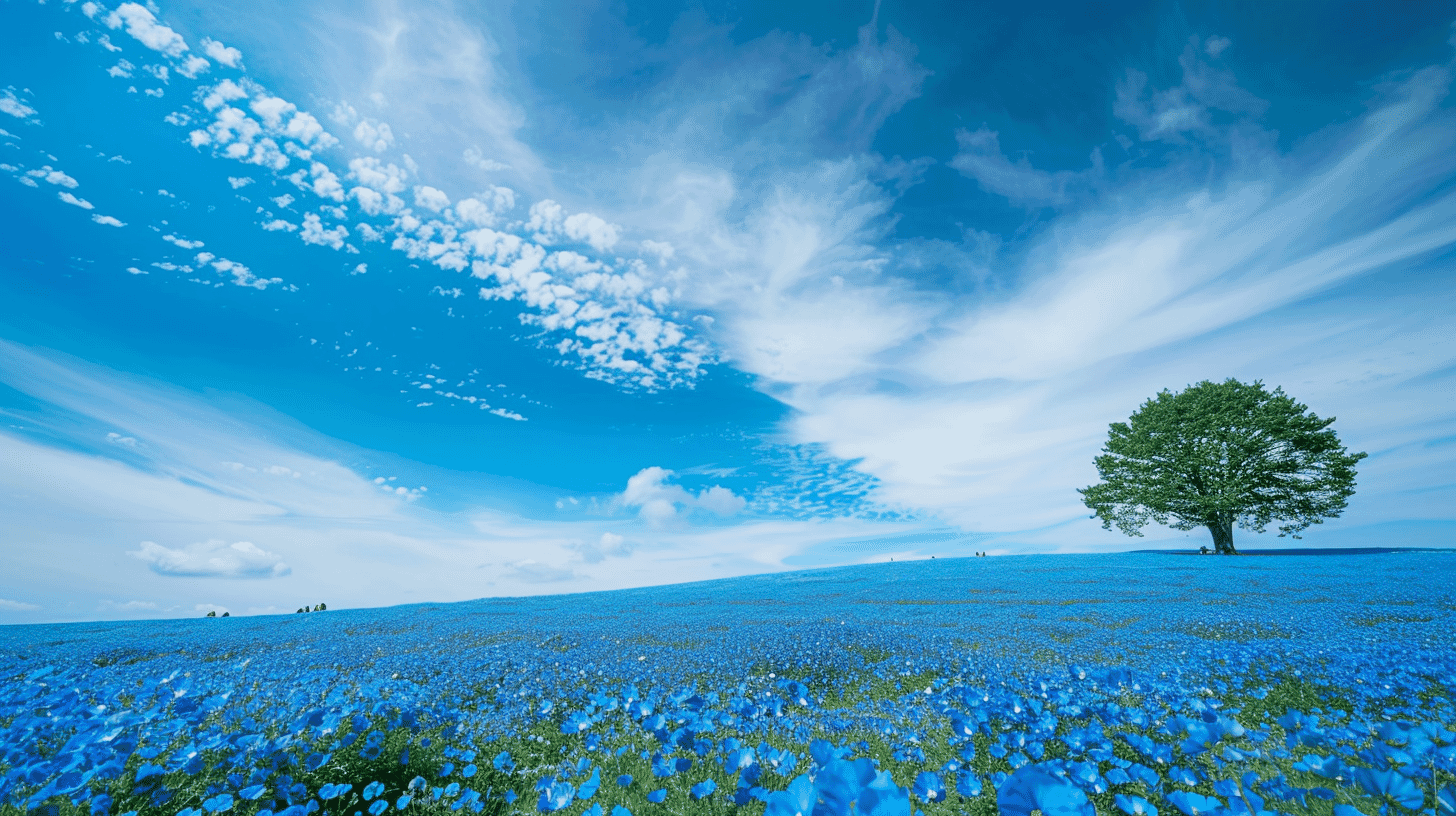
Hitachi Seaside Park, featuring seasonal flowers, is famous for spring nemophila and autumn kochia. Miharashi Hill's approximately 5.3 million nemophila create blue carpet-like spectacular scenery. Autumn brings 32,000 kochia plants turning the hill bright red.
Oarai Coast, facing the Pacific Ocean, features Oarai Isosaki Shrine's ocean torii. This torii standing at water's edge creates popular photography spots with sunrise collaborations. Oarai Aquarium (Aquaworld Ibaraki Prefectural Oarai Aquarium) exhibits approximately 580 species and 68,000 marine creatures.
Ibaraki's food culture centers on natto, most famously comprising about 50% of national production. Beloved as Mito natto, it features small beans with strong stickiness. Anko hot pot, winter delicacy using angler fish meat, skin, liver, creates dishes where liver deliciousness earns "Eastern foie gras" praise.
Melon production ranks first nationally, particularly Arus-type musk melons as premium products. Hoshiimo (dried sweet potato) production comprises about 90% nationally, known as birthplace of dried sweet potatoes. Lotus root production also ranks first nationally, widely cultivated around Lake Kasumigaura.
Hitachi beef, Ibaraki's pride brand beef, represents quality wagyu raised in rich natural environments. Additionally, Ibaraki has produced many literary figures, serving as hometown to renowned artists including painter Yokoyama Taikan, Ogawa Usen, and Sesshū Shūkei.
Browse by Type
Designation categories represented in the prefecture, with counts.
Amba Hayashi · Ogushi Sasara and Ono Miroku · Ohata's Lanterns
Atagoyama Kofun · Arakawa's Old Cedar · Izumizakashita Ruins
Makabe, Sakuragawa City
Tsunabi · Hitachiotsu's Ship Festival · Hitachi Furyumono
Former Residence and Garden of Okakura Tenshin, with Ogoura and Kogoura · Okayama Family Garden (Yokoen)
Akaogi Main Store Misegura · Akiba Koji Miso Brewery Misegura · Adachi Family Residence Zashiki Reception Wing
Washi Production Tools and Products from Hitachi Omiya and · Konjac Cultivation and Processing Tools in Hitachi Daigo
Ibaraki in Periods
Periods represented by designated properties in the prefecture.