Golden pavilions, Zen gardens, and aristocratic treasures—Kyoto is the heart of Japan's heritage. Explore National Treasures with smart area itineraries.
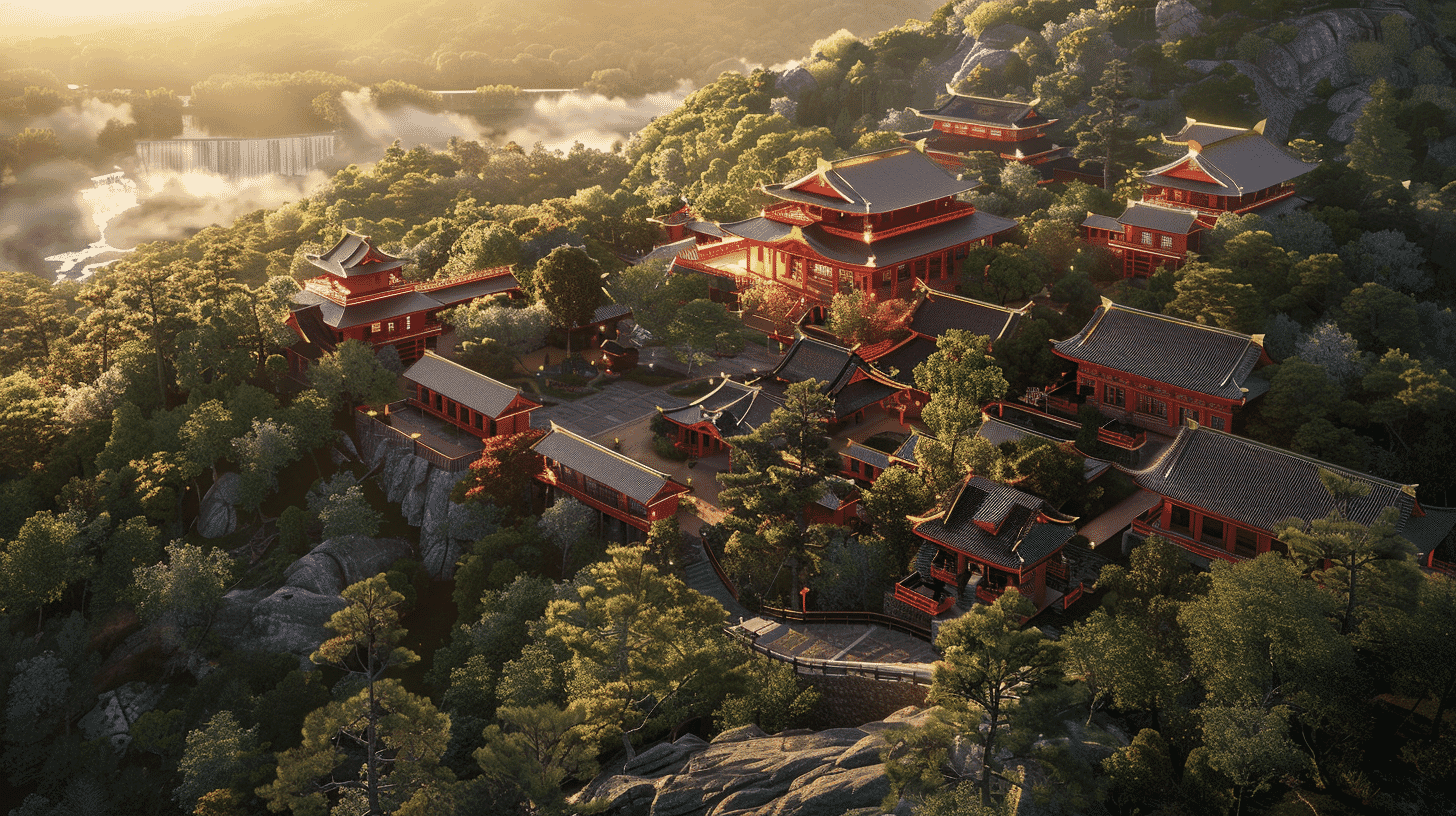
National Treasures
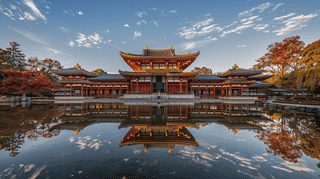
The Phoenix Hall of Byodoin in Uji, built in 1053, is four symmetrical buildings, a central hall, tw...
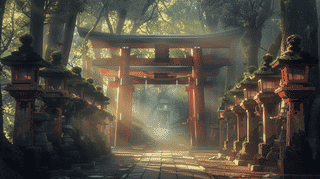
Kamo Mioya Shrine in Kyoto, known as Shimogamo, holds two National Treasure sanctuaries of 1863 and ...
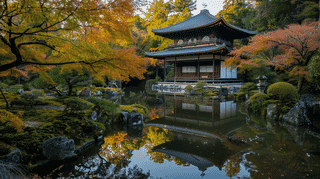
A pavilion of 1489 at Jishoji in Kyoto, its first storey a dwelling in the shoin manner and its seco...
A Buddhist hall at Daigoji in Kyoto, moved here from Yuasa in Kishu between 1598 and 1600. Its year ...
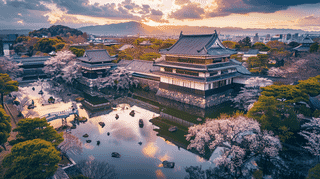
Nijo Castle in Kyoto, occupied by Ieyasu in 1603 and remodelled in 1626, holds Japan's only survivin...
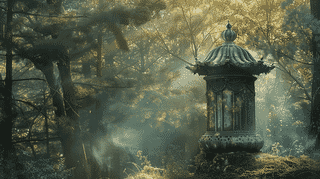
Finds from sutra mounds at Kuramadera in Kyoto, over twenty entries including three reliquary pagoda...
Important Cultural Properties
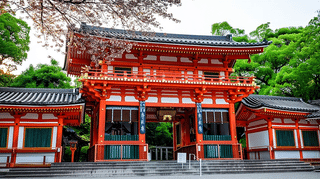
A shrine in Gion, Kyoto, where twenty-nine structures were designated together in December 2020, fro...

The Ebisu hall at Ishida Shrine in Ayabe is northern Kyoto's oldest shrine building, raised in 1311 ...
Izumo Daijingu in Kameoka, Kyoto Prefecture, is an ancient shrine known as 'Moto-Izumo' (Original Iz...
The Main Hall of Itsuki Shrine in Ayabe, Kyoto Prefecture, is a single-bay nagare-zukuri board-roofe...
Iwashimizu Hachimangu, one of Japan's three great Hachiman shrines, sits atop Mount Otoko in Yawata,...
Japan's largest medieval stone pagoda at 6.08 meters, the Iwashimizu Hachimangu Gorinto in Yawata be...
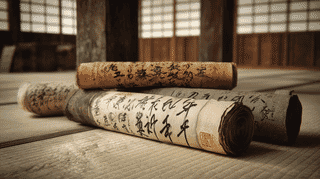
An autograph record at the Yomei Bunko in Kyoto Prefecture. The body of it copies out those very cou...
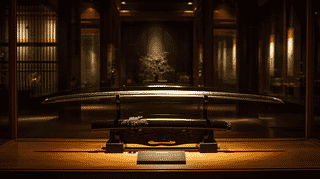
A Muromachi-period tachi at Kitano Tenmangu in Kyoto. Its title copies out the blade's own inscripti...
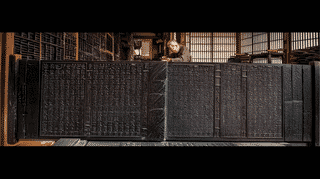
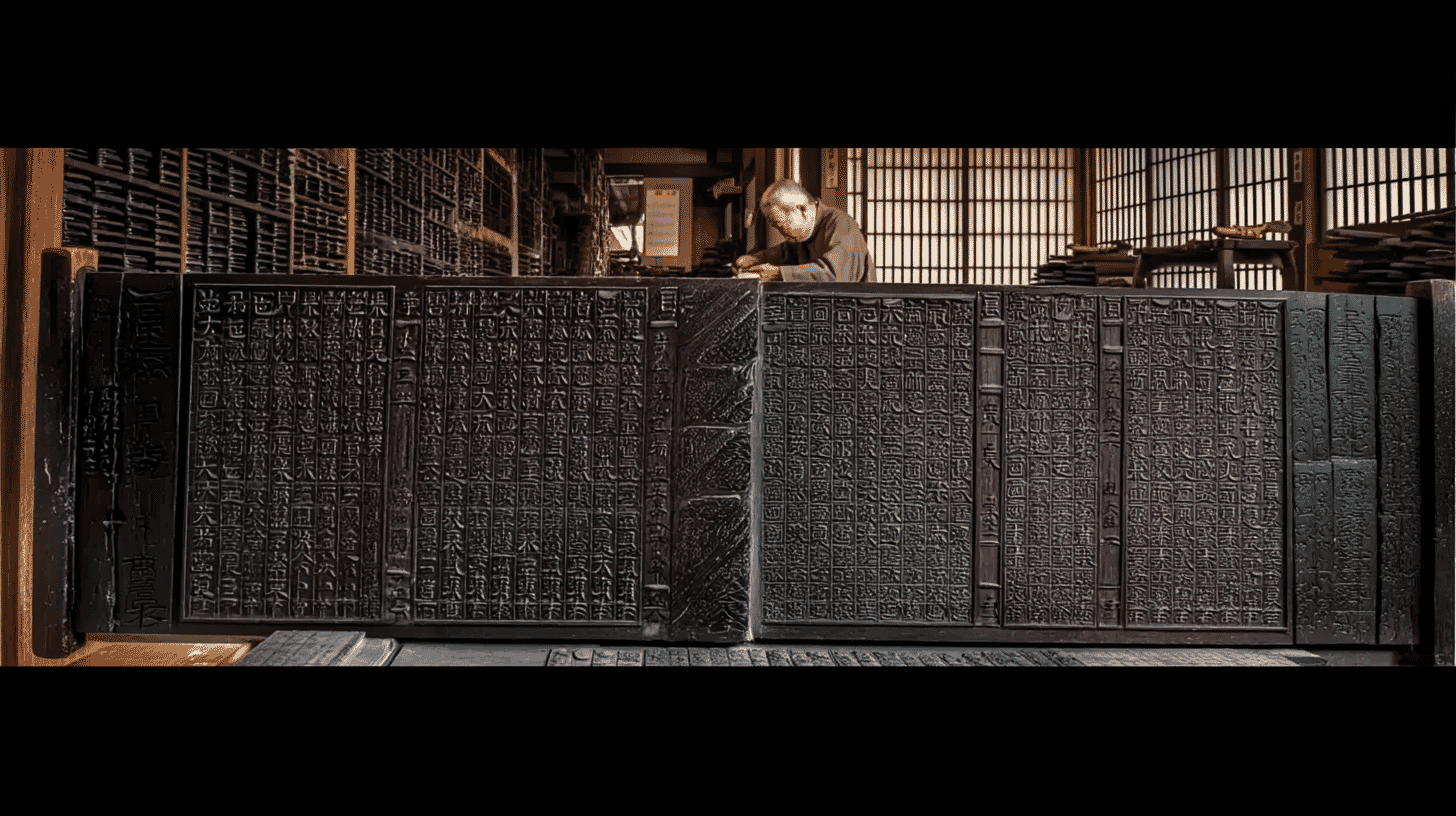
48,275 Edo-period printing blocks at Hozoin in Kyoto, counted to the single block. The scriptures pr...

Old documents at Yasaka Shrine in Kyoto Prefecture. The title counts 2,205 separate pieces, while th...
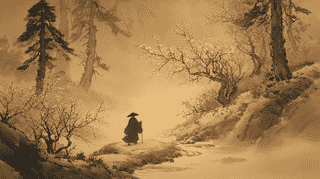
Six Edo-period handscrolls owned by the state and kept in Kyoto. Picture and text alike are attribut...
Discover the Important Cultural Property "Hotei-zu" (Painting of Hotei) by Kano Masanobu, founder of...
Other Heritage
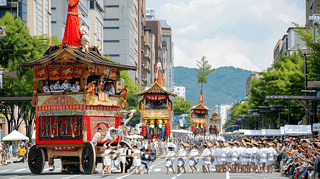
A festival at Yasaka Shrine in Kyoto, selected in 1959 as an intangible folk property whose record s...
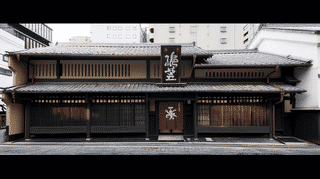
A shop of 1883 on Oike-dori in Kyoto, 80 square metres. Its plan wraps in an L around a storehouse t...
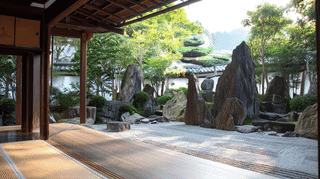
A garden in Kita Ward, Kyoto, covering the ground around the study garden and the abbot's hall garde...
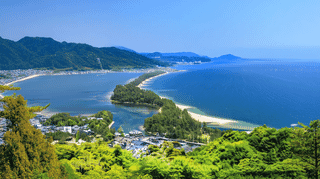
A sandspit at Miyazu, Kyoto, listed in 1922 and raised in 1952. Three criteria were applied, one of ...
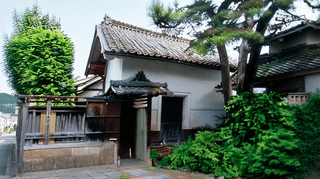
An earth-walled storehouse of the Meiji period in Miyazu, Kyoto, just 17 square metres. Its rafters ...
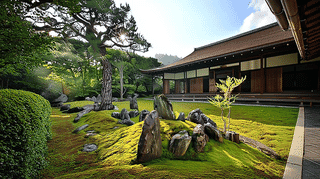
A flat garden of about 165 square metres in Kita Ward, Kyoto. A hedge closes off its background, and...
About Kyoto
"Historic Monuments of Ancient Kyoto" (registered 1994) includes 17 component assets: Kiyomizu Temple, Kinkaku-ji (Rokuon-ji), Ginkaku-ji (Jisho-ji), Tenryu-ji, Ryoan-ji, Ninna-ji, Kozan-ji, Nishi Hongan-ji, To-ji, Daigo-ji, Enryaku-ji, Kamigamo Shrine, Shimogamo Shrine, Byodo-in, Ujigami Shrine, Kozan-ji, and Nijo Castle.
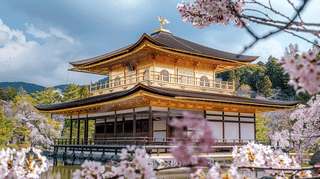
Kinkaku-ji (Rokuon-ji Shariden), three-story pavilion national treasure built by Ashikaga Yoshimitsu in 1397, creates Japan's representative scenery with gold leaf-covered beautiful building reflecting in pond. Symbolizing Muromachi period Kitayama culture architecture, it attracts numerous tourists.
Kiyomizu Temple main hall, masterpiece of suspended construction known for "Kiyomizu stage," was built using traditional methods without single nails. Beautiful scenery through four seasons - spring cherry blossoms, summer greenery, autumn colors, winter snow - attracts approximately 5 million annual pilgrims.
Byodo-in Phoenix Hall, Amida hall built by Fujiwara Yorimichi in 1053, is known as architecture expressing Pure Land paradise in present world. Graceful form depicted on 10-yen coins represents masterpiece conveying Heian period aristocratic culture.
Ryoan-ji stone garden (abbot's quarters garden), masterpiece dry landscape garden created in late Muromachi period, features simple composition of 15 stones allegedly expressing "beauty of nothingness." Visited by tourists worldwide, it serves as place for encountering Zen spirit.
Nijo Castle, castle built by Tokugawa Ieyasu for Kyoto Imperial Palace protection and shogun accommodation, has Ninomaru Palace designated as national treasure. Interior barrier paintings represent Kano school masterpieces with gorgeous decorations demonstrating Edo Shogunate authority.
Gion Festival, Yasaka Shrine festival held in July with over 1,150 years history, ranks among Japan's three great festivals. Yamaboko Junko procession features 32 floats parading through Kyoto City, enjoying gorgeous decorations called "moving museums." UNESCO Intangible Cultural Heritage registration occurred in 2009.
Kyoto food culture, refined as "Kyoto cuisine" representing Japanese cuisine pinnacle, features delicate seasoning emphasizing seasonal sensations. Kaiseki cuisine, yudofu, Kyoto vegetable dishes, and wagashi developed emphasizing visual beauty. Famous items include Kiyomizu Temple yudofu, Arashiyama yudofu, and Gion teahouse cuisine.
Maiko and geiko culture also represent Kyoto's signature traditional culture, with traditional performing arts inherited in five hanamachi districts: Gion, Pontocho, Miyagawa-cho, Kamishichiken, and Shimabara. Maiko's glamorous appearances serve as Kyoto tourism highlights.
Matcha and wagashi culture also greatly developed in Kyoto, with numerous tea ceremony practitioners and artisans active as tea ceremony birthplace. Long-established wagashi shops including Toraya, Tsuruyayoshinobu, and Suetomi offer seasonally rich Kyoto confections.
Browse by Type
Designation categories represented in the prefecture, with counts.
Ichihara Bon Dance · Gion Festival at Yasaka Shrine in Kyoto · Kuta Hanagasa Dance
Akasaka Imai Tomb · Amatsuka Tomb · Amanohashidate
Ineura, Ine Town · Kamigamo, Kyoto City · Gion-Shinbashi, Kyoto City
Uji's Cultural Landscape · Cultural Landscape of Okazaki, Kyoto · Miyazu Amanohashidate Cultural Landscape
Kyoto Gion Festival Float Event · Rokusai Nembutsu in Kyoto · Kuta Hanagasa Dance
Kumohara Sabo Facilities
Aoki Family Residence (Former Honzonbi Family Residence) · Main Building of Aoki Family Residence (formerly Honzon Bika · Aoki Family Main Building
Uji Tea Production and Sales Equipment · Kameoka Agar-Making Equipment · Kyoto Local Doll Collection
Kyoto in Periods
Periods represented by designated properties in the prefecture.